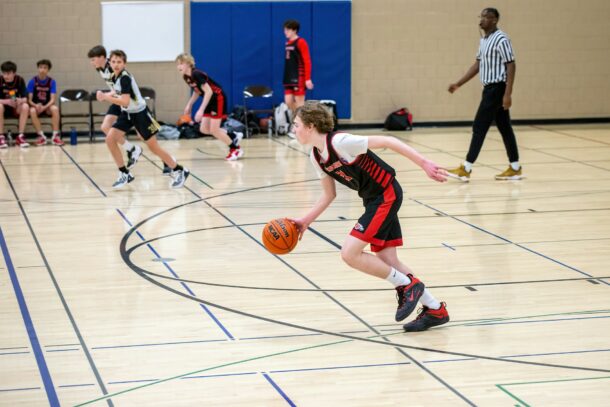
Learning how to run a youth basketball tournament takes more than booking a gym and building a bracket. A good event needs clear communication, reliable volunteers, sensible scheduling and a few memorable touches that make players feel like they’re part of something special.
Coach Luke Donley has helped grow the Best of the West tournament near Sacramento into a three-day event featuring roughly 40 basketball and volleyball teams. The tournament serves mostly small Christian schools and gives many athletes a state-tournament-style experience they may not receive during their regular season.
His experience offers a practical blueprint for coaches and athletic directors who want to build a tournament that runs smoothly and keeps teams coming back.
Start Planning Earlier Than You Think
The work begins long before the first tipoff. Donley’s staff holds a review meeting within about a month of the previous tournament to discuss what worked, what went wrong and what should change the following year.
Early planning gives organizers time to secure facilities, officials, volunteers and participating teams. It also reduces rushed decisions once the schedule starts filling up.
Create a shared document where staff members can add ideas throughout the year. Keep notes on scheduling problems, equipment needs, volunteer gaps and player feedback. Those details are easy to forget once the final buzzer sounds.
Build a Tournament Leadership Team
One person shouldn’t try to manage every moving part. A successful tournament needs people who can take ownership of specific areas.
The Best of the West tournament uses separate leaders for basketball, volleyball, media and the banquet. Volunteers also handle scorekeeping, statistics, livestreaming and other court-level responsibilities.
A basic basketball tournament staff could include:
- Tournament director
- Scheduling coordinator
- Officials coordinator
- Volunteer coordinator
- Media or livestream director
- Registration leader
- Scorekeeping supervisor
- Hospitality coordinator
Clear roles create calmer courts. Volunteers should know where to report, what they’re responsible for and who can answer questions when problems pop up.
Recruit Volunteers Who Want to Be There
Reliable volunteers can make or break a youth tournament. Donley estimates that 60 to 70 people help operate the event, including church members and college students. Many volunteers return each year and handle the same responsibilities.
Retention matters because experienced volunteers need less training and can solve small problems before they become big ones. A returning scorekeeper already knows the software. A returning court supervisor understands the schedule and facility.
Match people with jobs they’ll enjoy. Someone who loves basketball may prefer running a scoreboard or tracking stats. A volunteer interested in photography or video may fit better with the media team.
People are more likely to return when they feel useful, prepared and appreciated.

Create a Realistic Game Schedule
Tournament scheduling requires a balance between value and logistics. Teams want enough games to justify their travel costs, but too many games can create fatigue, delays and staffing problems.
Every team at the Best of the West tournament is guaranteed five games. The event uses pool or play-in games before moving into bracket play. One recent tournament included 113 games across seven courts.
When building your schedule, account for:
- Warm-up time
- Halftime
- Overtime
- Court transitions
- Officials’ breaks
- Possible delays
- Travel between facilities
Avoid packing games so tightly that one late start ruins the entire day. A small scheduling cushion can save plenty of stress.
Make the Tournament Feel Important
Coaches often focus on schedules and scores, but players remember the atmosphere.
The Best of the West tournament uses music, player introductions, live commentary and championship presentations to create a big-event feel. Its most recognizable feature is a large bracket wall where advancing teams place their names as they move toward the championship.
Small touches can create serious excitement. Consider adding:
- Starting lineup introductions
- Tournament-branded warm-up shirts
- Updated brackets in a visible location
- Player or team photos
- Championship music
- Social media highlights
- Senior recognition
- Postgame interviews
A modest budget doesn’t have to mean a forgettable event. Creative details can carry more weight than expensive extras.
Livestream the Games When Possible
Livestreaming gives families another way to follow the tournament, especially when teams travel from different states.
The Best of the West staff streams games using iPads, YouTube and affordable scoring software. Donley estimated that the tournament generated about 20,000 views across three days.
A basic livestream setup can include:
- A phone or tablet
- A stable tripod
- Reliable internet
- A YouTube channel
- Simple scoreboard software
- A volunteer camera operator
Test every court before the tournament begins. Poor audio is manageable, but a dead battery or weak connection can wipe out an entire game.
Track Scores, Stats and Results
Players enjoy seeing their names connected to the event. The Best of the West tournament records statistics and displays leaderboards on televisions throughout the facility. Athletes can check where they rank in categories such as assists and rebounds.
Tournament stats also provide useful content for social media, awards and post-event recaps. Keep the process simple enough that volunteers can record information accurately.
At minimum, maintain updated scores, standings and brackets. Add individual statistics only when you have enough trained workers to handle them consistently.
Add Meaningful Player Recognition
Recognition helps separate a special tournament from a standard weekend event. Before the Best of the West tournament, coaches submit player photos so organizers can create personalized trading cards for seniors. Each senior receives three cards to keep or share with family and friends.
Other affordable recognition ideas include certificates, printed photos, all-tournament teams and personalized social media graphics. Keep awards thoughtful without turning the event into an individual showcase.
Players should leave feeling appreciated, whether they won the championship or lost their final game.
Review the Event While It’s Fresh
The tournament isn’t finished when the gym clears. Schedule a short staff meeting soon after the event and document what happened.
Ask volunteers which jobs were confusing, where delays occurred and what equipment needs replacing. Collect feedback from coaches about scheduling, communication and facilities.
Donley encourages staff members to record ideas during the event rather than trying to discuss every suggestion in the middle of tournament chaos. The staff reviews those notes afterward and uses them to prepare for the next year.
Final Thoughts on How to Run a Youth Basketball Tournament
Anyone learning how to run a youth basketball tournament should focus first on organization, communication and volunteer support. Those three areas provide the foundation for everything else.
Once the basics are covered, look for simple ways to improve the player and fan experience. A livestream, visible bracket, player introduction or personalized gift can turn a routine event into a lasting memory.
Start with what your program can manage, learn from each event and make the next tournament a little better.

Latest Posts
- Basketball Practice Games work better when every player has a role
- Basketball individual workout: Build a quicker pull-up against pressure
- How to become a Great Rebounder: 5 rules every basketball player should know
- Youth Sports Scheduling Software should work the way families already do
- Teaching Shot Selection: How youth basketball coaches can help players make better decisions