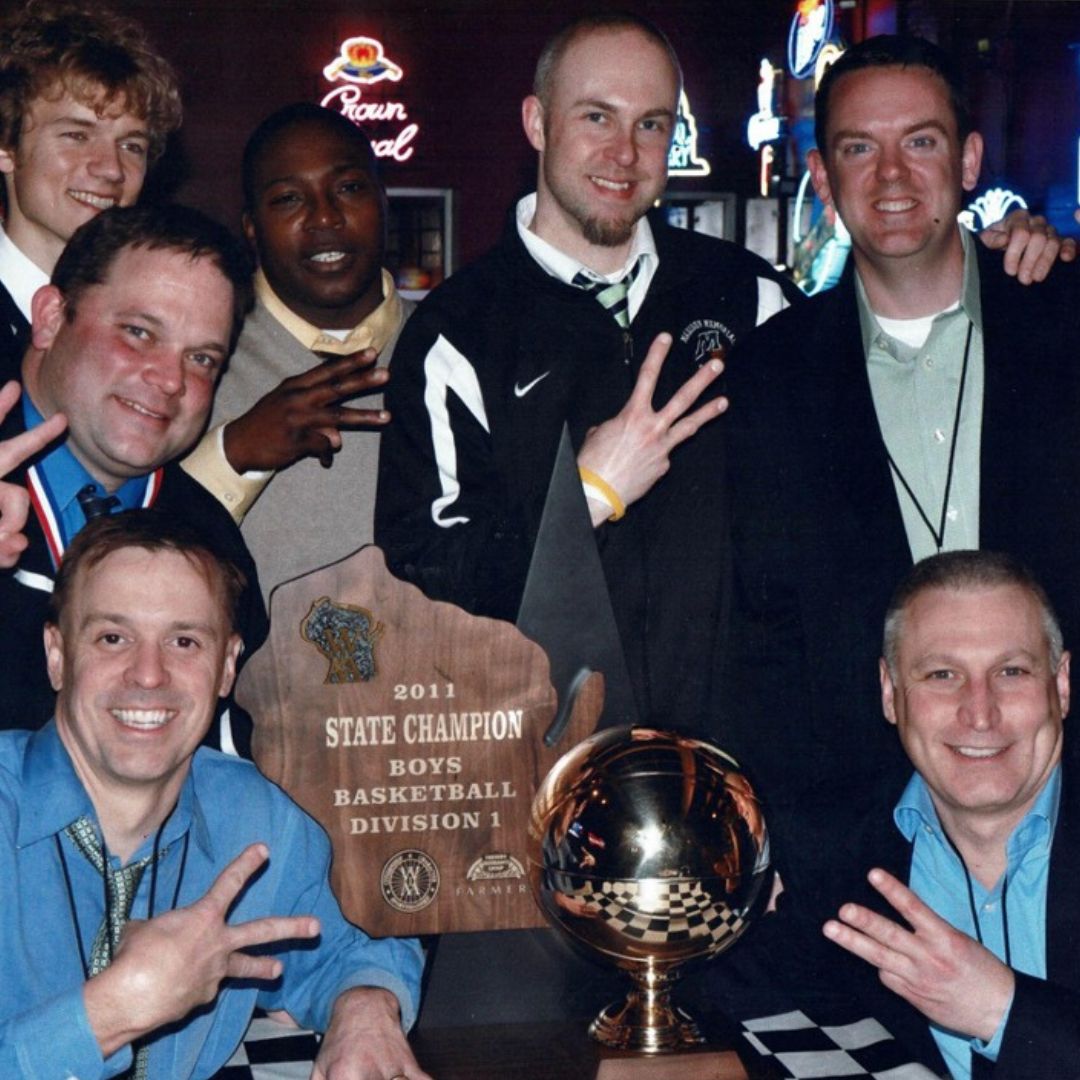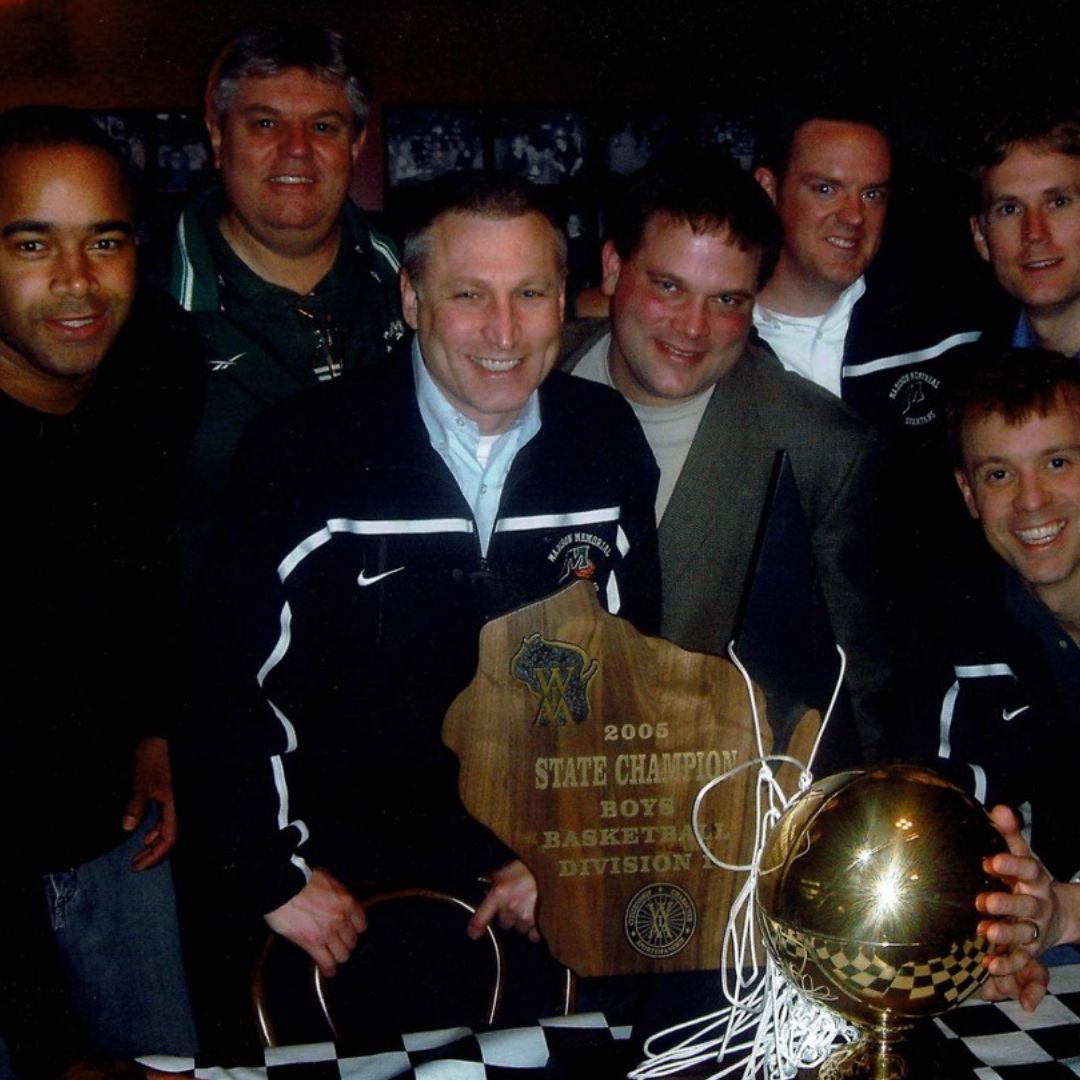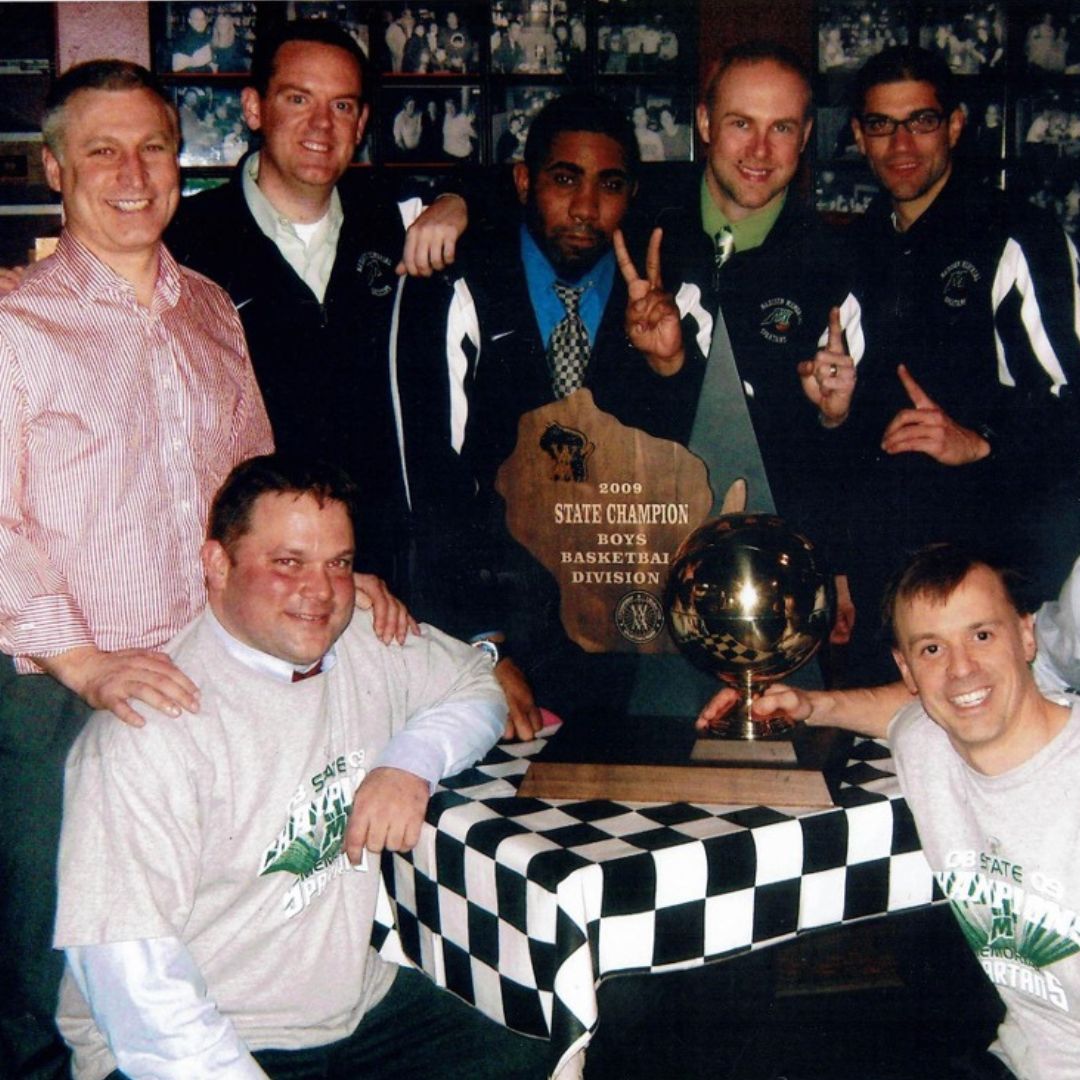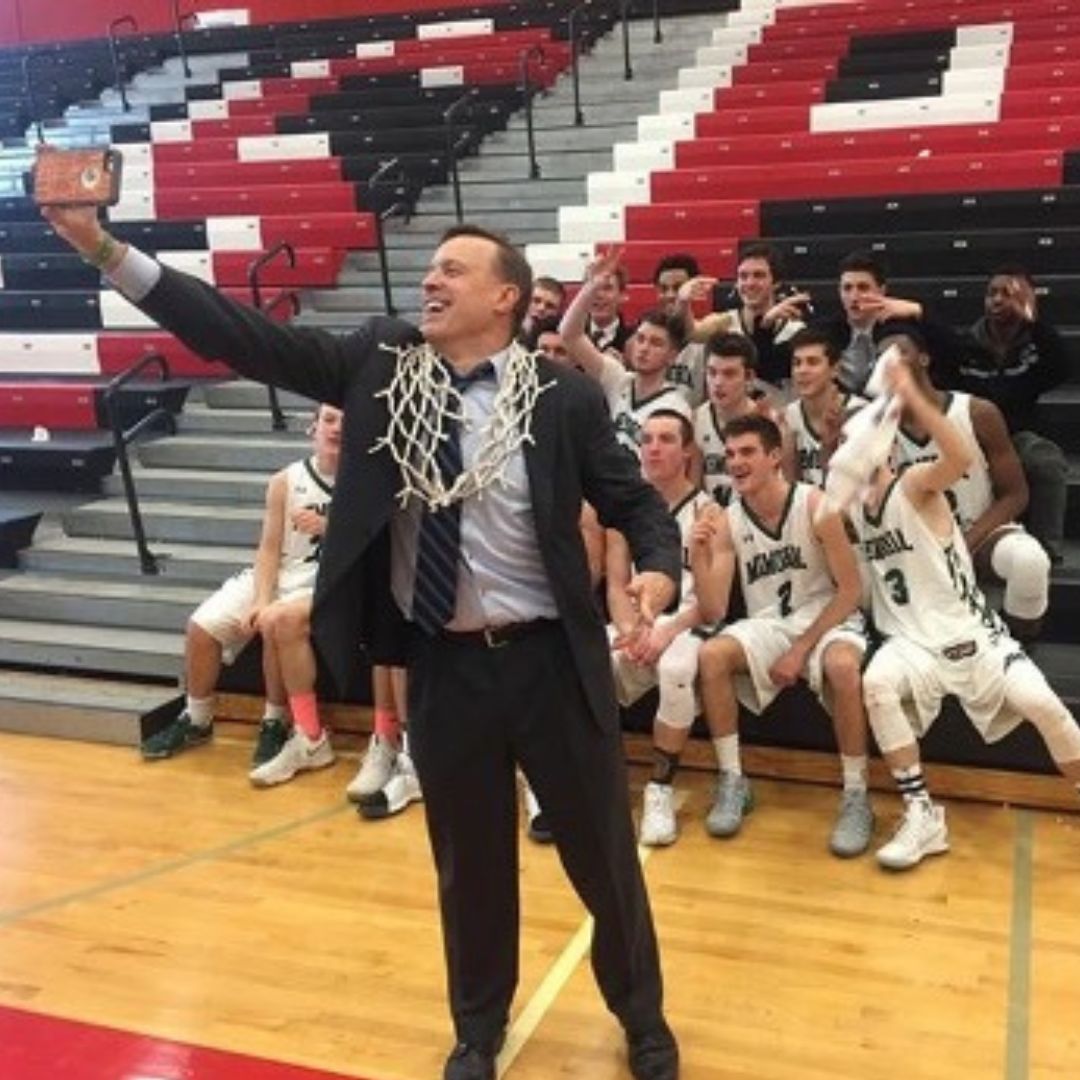
Basketball hand signals let you call offenses, defenses and out of bounds plays when the gym is too loud for anyone to hear you. Keep the system simple, use one signal per call, assign a player to relay it and practice the signals every day. A good signal system means your team can adjust in seconds without burning a timeout.
Some of the biggest games I coached were in gyms so loud I couldn’t hear my assistant sitting next to me. That’s when signals matter. Here’s how we set ours up.
Coming up later in the season, these will help too: sideline out of bounds plays and an AI late game playbook.
Why basketball hand signals matter
In a big game, verbal calls disappear. If players don’t know the call, they guess. Signals let you change a defense, call a set or run an out of bounds play without stopping the game.
Communication was always one of the biggest parts of how I coached. Signals are just communication without words.
Keep the system simple
- Use one hand signal per call
- Make them big and clear from across the floor
- Tie names to signals players can remember
- Use numbers for sets and fists or palms for defenses
- Avoid signals that look too similar
Common basketball hand signals
Defense. A fist for man to man, an open hand for zone, two hands up for press.
Offense. Hold up fingers for your set number. Tap your head or shoulder for a special play.
Out of bounds. Use a quick sign for each baseline out of bounds play and sideline play.
Assign a relay player
Usually the point guard. When you signal, the point guard calls it out loud and shows it to the other four. That way you’re not relying on all five players looking at the bench at the same moment.
Practice basketball hand signals every day
Signals only work if they’re automatic. Call them in every drill and scrimmage. Then make practice loud. Play music or crowd noise and run your sets with signals only. If they can do it in a loud practice, they can do it in a loud gym.
Have a backup
Signals get scouted. If you think an opponent has picked up your calls, have a second set ready or use a wristband card with numbers. Also use your timeouts when communication breaks down completely.
Use signals with your scout
When your scouting report calls for a defensive change against certain sets, a quick signal lets you make that switch without a timeout. It also helps with halftime adjustments you want to call early in the second half.
Check the rules
Coaches can communicate from the bench, but the box and conduct rules vary. Review the NFHS basketball rules and your state association’s guidelines before the season.
Make basketball hand signals part of your culture
When players know the signals cold, they play with more confidence and less confusion. It’s one of the simplest things you can do to help your team in big moments.
Want more ideas for communication in big moments? The Positive Coaching Alliance has good resources on how coaches communicate under pressure.
We have playbooks, play calling resources and coaching courses at TeachHoops.com.

Latest Posts
- How AI is changing youth sports scheduling for families and coaches
- Basketball hand signals: How to call plays when players can’t hear you
- How to use AI to plan a game week of basketball practice
- How to run a basketball film review session with players
- How to have a playing time conversation with a player