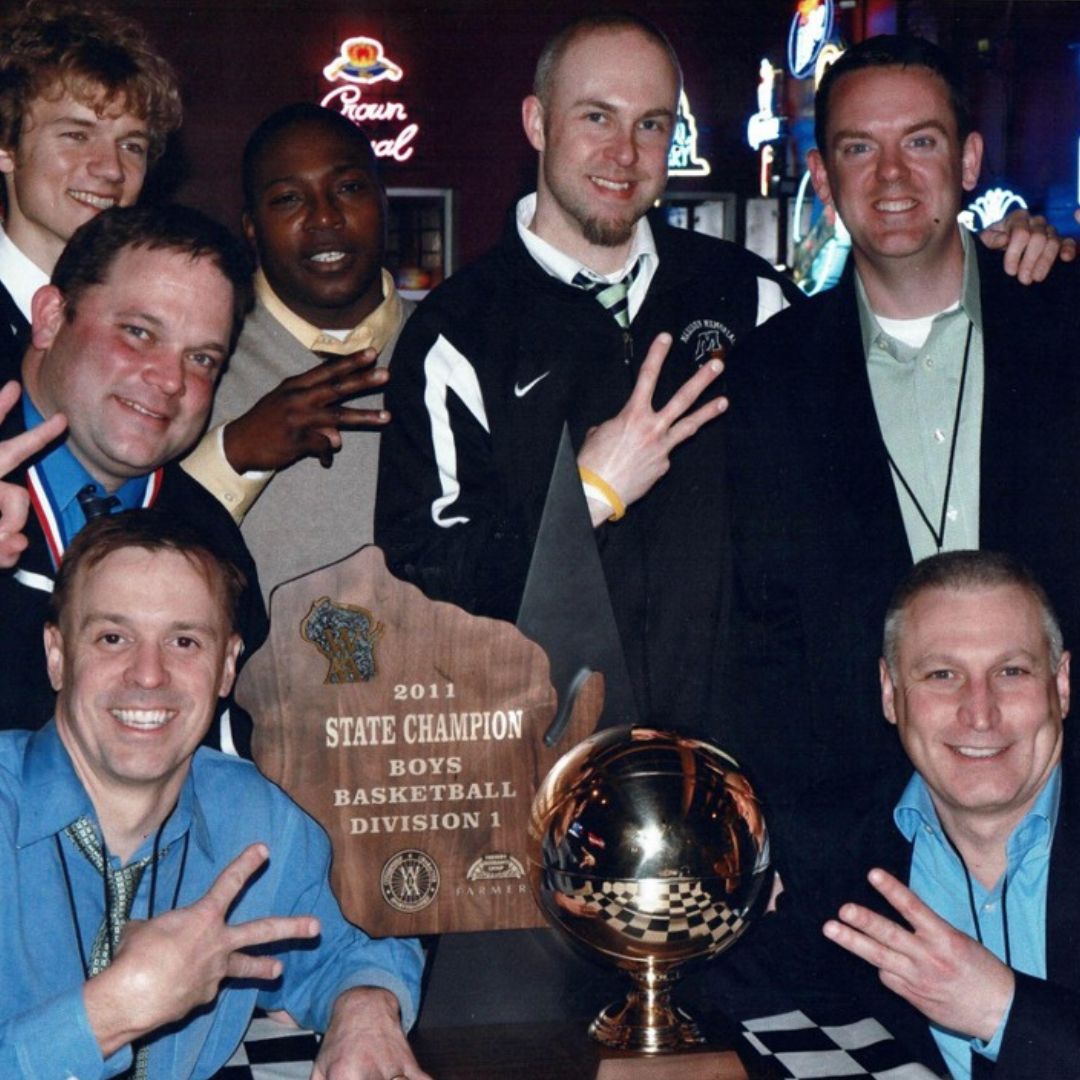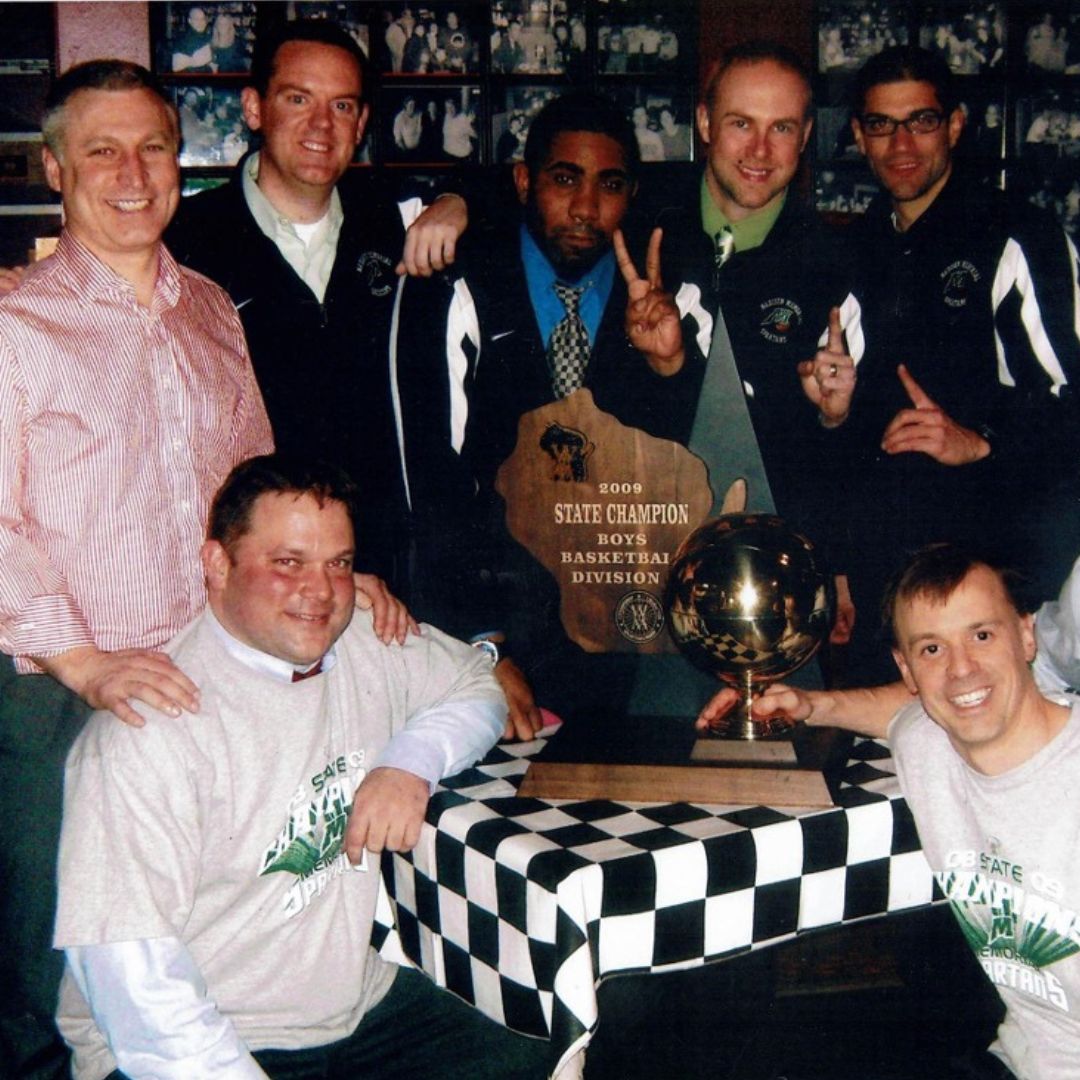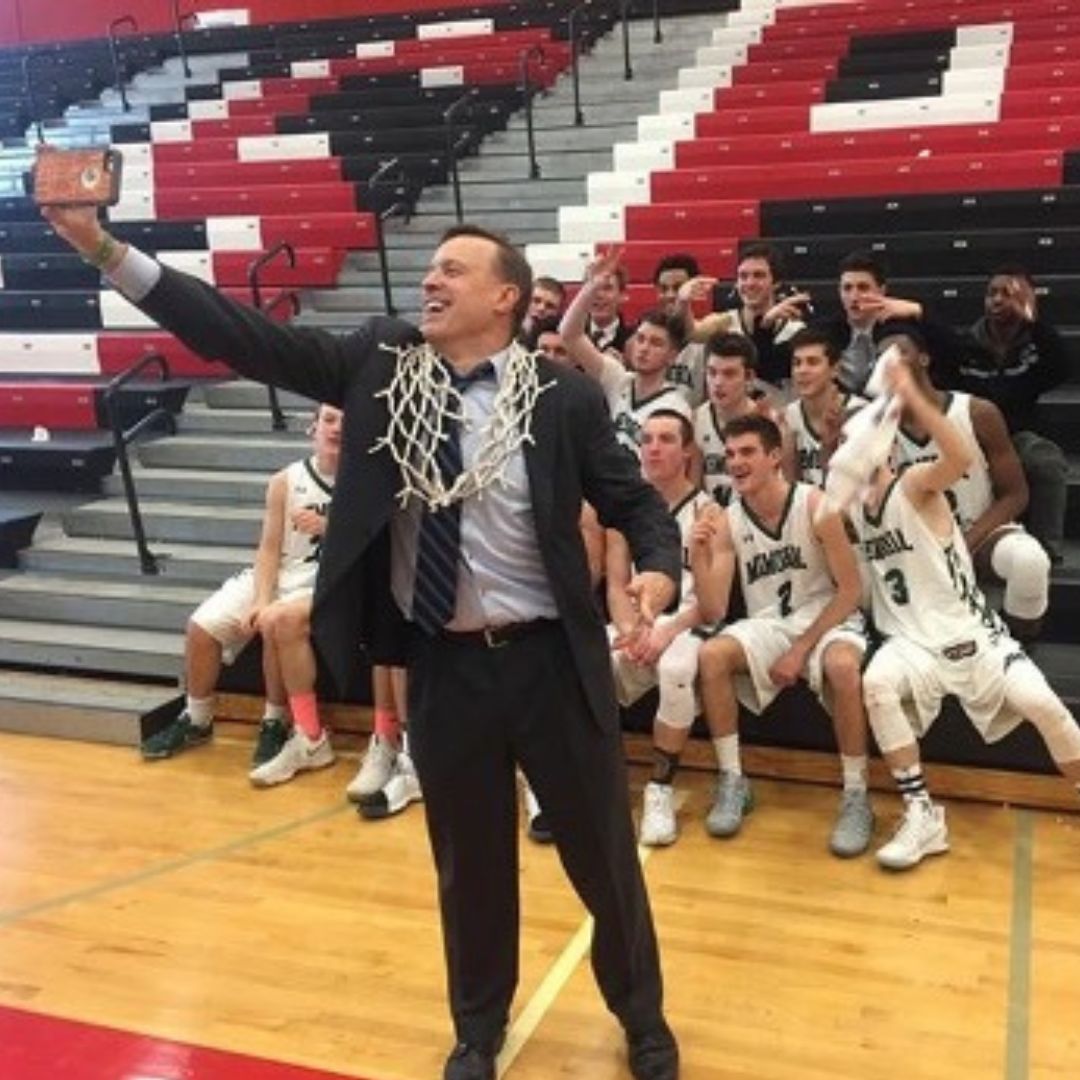
If you’re feeling overwhelmed or exhausted during or after your season, you’re not alone. Basketball coaching burnout is a real issue, especially for youth coaches who juggle full-time jobs, family, and practice schedules. But it doesn’t have to derail your love for the game.
As someone who’s coached for over three decades, I’ve learned how to manage stress and stay energized. Here are seven proven strategies to help you avoid burnout and stay passionate about coaching.
1. Step Away When the Season Ends
When the final buzzer sounds, take a real break. This is your moment to rest, not to plan spring workouts or jump into summer schedules.
I always take the month after the season off. No open gyms, no film, no playbooks. Even if I’m still thinking about basketball, I step away from the gym. That time off makes me miss it again, and that’s a good thing.
2. Protect Personal Time with Boundaries
Without boundaries, coaching can creep into every part of your life. Set firm limits. For example, I never let basketball interfere with spring break. That’s family time, period.
It gives everyone something to look forward to, and it keeps relationships strong. Knowing when to shut things off helps you reset.
3. Build a Hobby That Isn’t Basketball
You need something that relaxes you and isn’t connected to the sport. For me, it’s fishing. No phones. No distractions. Just peace.
You might prefer hiking, cooking, or music. The activity doesn’t matter. What matters is the distance from coaching. It’s a way to let your brain rest while still staying active.
Having a personal outlet is one of the best defenses against basketball coaching burnout.
4. Approach the Season Like a Marathon
Coaching isn’t a sprint. Treat it like a long-distance run.
Some days will be tough. Practice will drag. Players won’t respond. But those are part of the journey.
What matters is how you respond to those dips, not how often they happen. Keeping a long view helps you stay calm and clear when things get hectic.
Join the TeachHoops Community
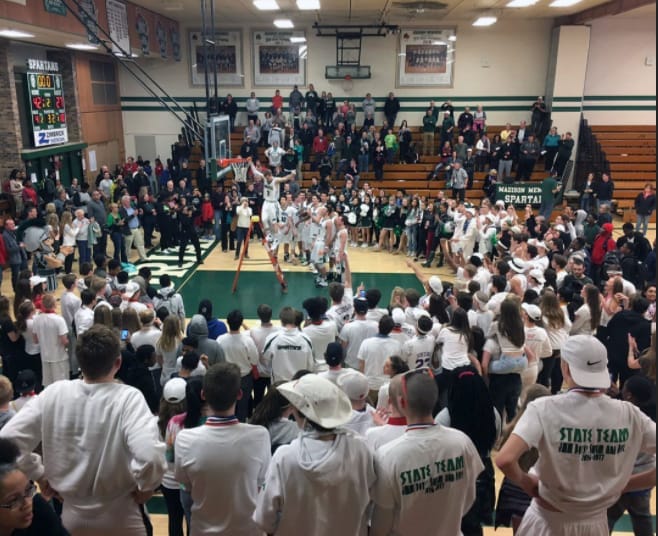
TeachHoops.com offers a unique platform for coaches to share experiences and gain new insights. Learn from others who have navigated similar challenges. It’s an invaluable resource for those looking to:
- Broaden perspectives
- Refine strategies
- Enhance their leadership and motivational skills
Step into Enhanced Coaching
Win the Season: Basketball Masterclass!

5. Say “No” More Often Than You Think
It’s easy to say yes to more teams, more tournaments, more meetings. But every yes takes time away from something else.
I reached a point where I had to choose. I let someone else handle the admin side of my AAU program so I could focus on coaching. It wasn’t easy, but it kept me in the game.
Cutting back can be the most productive move you make.
6. Give Yourself One Basketball-Free Day a Week
Even during the season, pick a day where basketball doesn’t exist. No emails. No texts. Not even drills. For me, that day is Sunday, at least most weeks. It doesn’t have to be perfect. But the habit matters.
That one day can help you reset mentally and emotionally, and it keeps basketball coaching burnout from piling up unnoticed.
7. Keep Learning and Trying New Things
Coaches burn out when they feel stuck. Trying something new, whether it’s a zone press or a new offensive set. This can reignite your passion.
I find that growth keeps things interesting. It reminds me why I started in the first place.
If you’re learning, you’re not burning out. You’re building momentum.
Final Thought on Basketball Coaching Burnout
You can’t pour into your team if your tank is empty. Basketball coaching burnout doesn’t mean you’re failing, it means you care. So take a breath, recharge, and find the rhythm that works for you. When you care for yourself, your players benefit too.
Latest Posts
- Basketball Practice Planning: A Simple System for Youth and High School Coaches
- Basketball Coaching Culture: What Great Coaches Teach Beyond the Playbook
- A Quick Passing Warm-Up Drill to Emphasize Communication and Movement
- Does the 5-Man Weave Drill Still Have a Place in Youth Basketball?
- When Culture Meets Competence: What Indiana Football’s Turnaround Teaches Every Coach