When you’re coaching different age groups, the fundamentals stay the same but almost everything else changes. Younger players need short drills, lots of touches, simple rules and fun. Middle schoolers are ready for basic team concepts and more competition. High school players can handle full systems, scouting, film and honest conversations about roles.
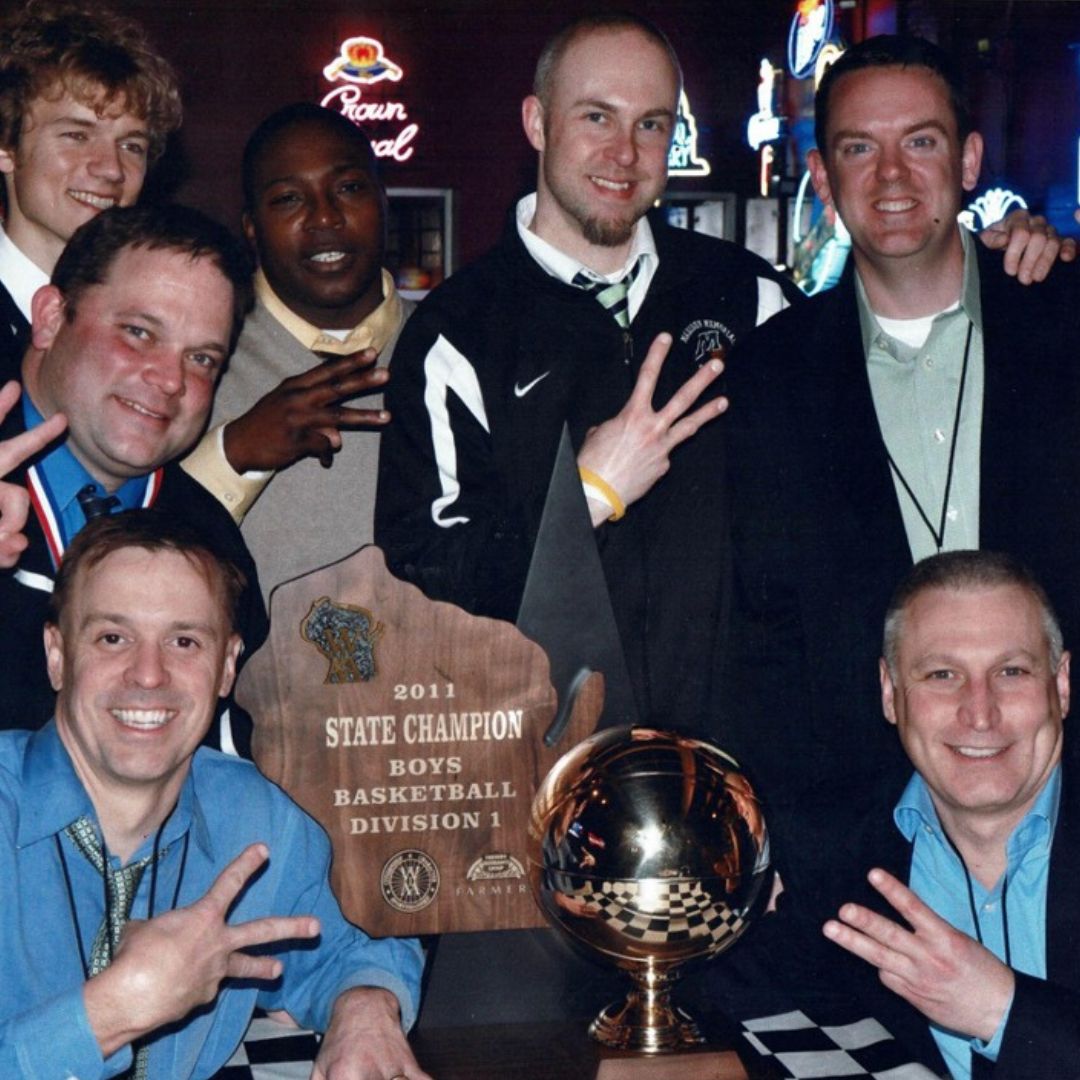
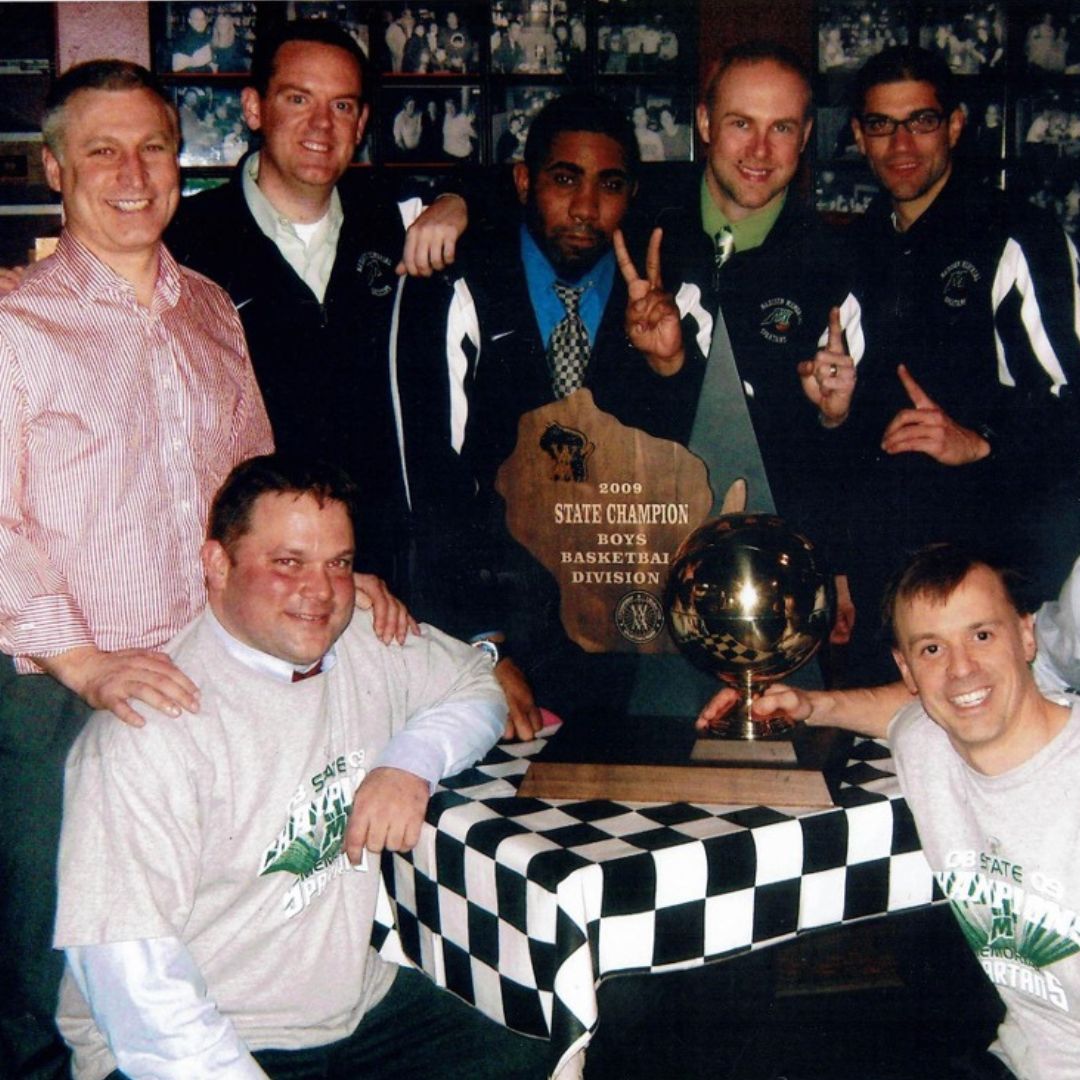
I spent most of my career at the varsity level, but I watched our youth and middle school programs closely because that’s where our varsity teams were really built. Here’s how I think about each level.
What stays the same when coaching different age groups
Some things never change. Every level needs footwork, ball handling, passing, shooting, finishing, rebounding and defense. Every level needs clear communication. And every level needs a coach who keeps it simple and keeps learning.
What changes is how much you teach, how you teach it and how much you ask of players.
Ages 8 to 10: fun, touches and fundamentals
At this age, the goal is to make kids love the game and get a lot of touches. Keep practices around an hour. Use short drills, lots of basketballs and plenty of games.
Teach basic footwork, dribbling with both hands, layups and simple passing. On defense, teach stance and staying between your man and the basket. For systems, keep it to man to man defense, simple spacing on offense and one out of bounds play.
Also keep instructions short. Show more than you tell. Young kids learn by doing, not by listening to long explanations.
Ages 11 to 13: team concepts and competition
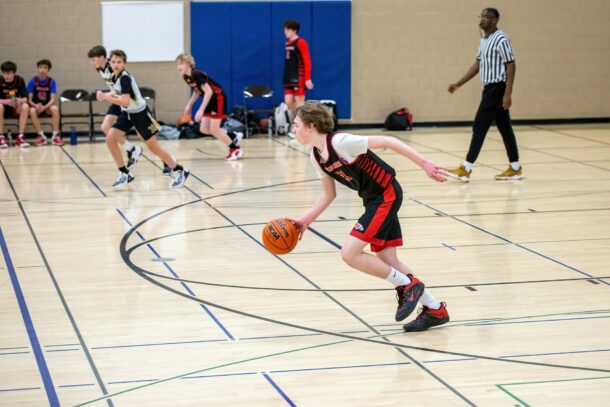
Middle school is when players start to understand team basketball. You can add help defense, one man to man offense, one zone offense, a baseline and a sideline out of bounds play and maybe a simple press.
Practices can run 75 to 90 minutes. Add more competition and keep score. Players at this age are also more aware of roles and playing time, so communicate clearly with them and their parents.
This is also a great age to start using the chain of command. Encourage players to talk to the coach first when they have a question.
Ages 14 to 18: systems, scouting and roles
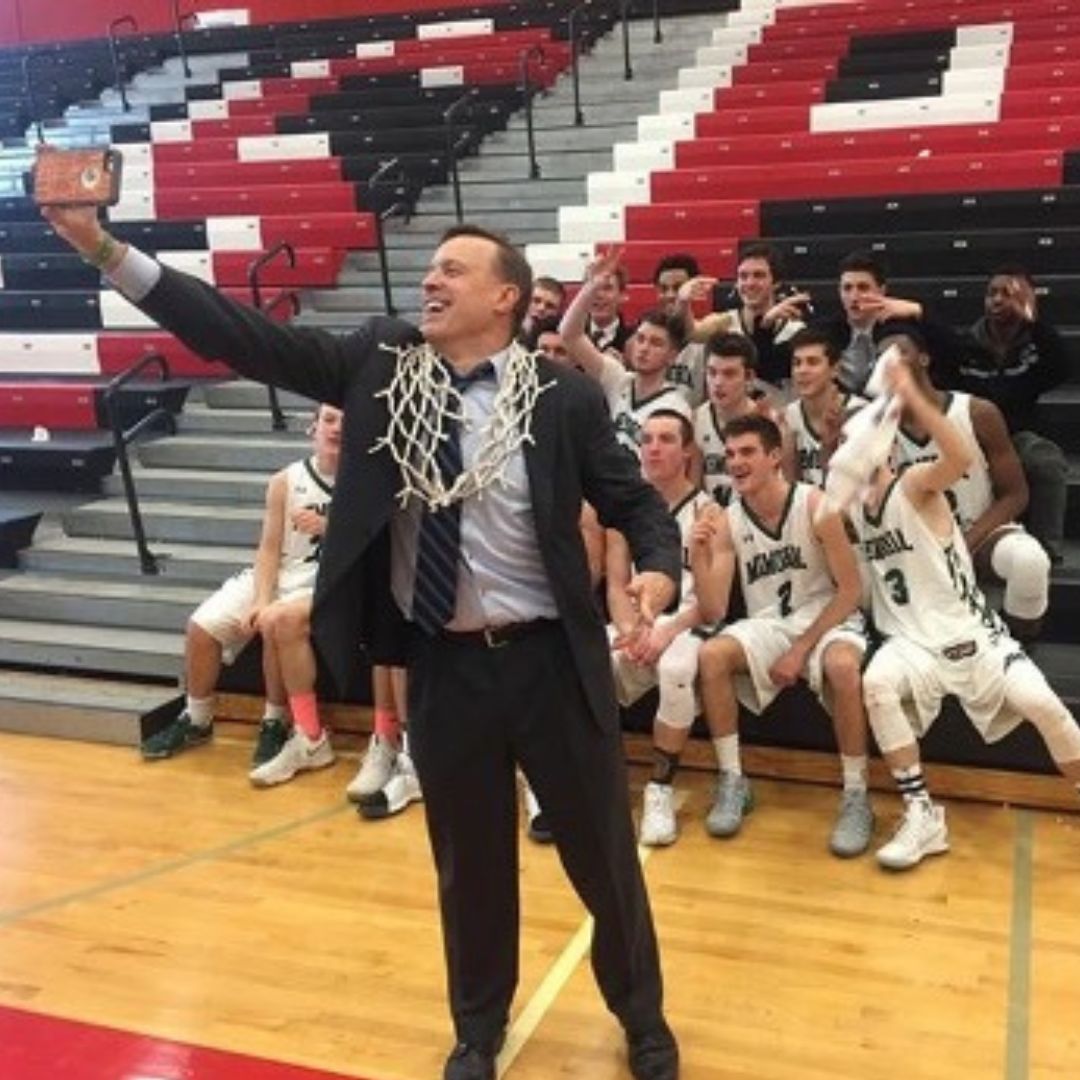
High school players can handle full offensive and defensive systems, scouting reports and film. Practices get longer and more detailed. Conditioning matters more.
However, roles become the biggest coaching challenge. Players need to know exactly what you need from them. Honest, private conversations about roles keep a team together.
At this level I also leaned hard on leaders. Older players should help run warmups, teach younger teammates and set the tone in the locker room.
Quick guide to coaching different age groups
- 8 to 10: about 60 minutes, fundamentals and fun, very simple system
- 11 to 13: 75 to 90 minutes, basic team concepts, more competition
- 14 to 18: 90 to 120 minutes, full systems, scouting, film and defined roles
Common mistakes when coaching different age groups
With young kids, the biggest mistake is running plays instead of teaching skills. In middle school, it’s ignoring fundamentals because you’re chasing wins. In high school, it’s poor communication about roles. Avoid those three and you’re ahead of most coaches.
Know who you’re coaching
The best coaches adjust to the age in front of them. Same game, same fundamentals, different approach. If you teach at the right level, your players will be ready for the next one.
We have practice plans and drills for every age group at TeachHoops.com, from youth teams to varsity programs.

Latest Posts
- Basketball coaching for different age groups: What changes?
- Preseason parent meeting: 7 things basketball coaches should cover
- Offensive spacing in youth basketball: 5 rules players can actually remember
- How to give effective feedback during basketball practice
- Basketball press break: A simple alignment that beats full court pressure