If you want to start coaching basketball and you have no experience, here’s the short answer. Go coach. Then find a mentor. You’ll learn more in one season on the sideline than in a year of reading about it, and a good mentor will keep you from making the same mistakes twice.
I know that because I started the same way. When I took my first job at Wausau East High School, I had plenty of playing experience and almost no coaching experience. Almost 40 years later, I’m still learning. So if you’re nervous, that’s normal. Here’s what I’d tell you if you walked up to me at a clinic.
The quick answer: how to start coaching basketball
- Volunteer or take an assistant job and start coaching right away
- Find a mentor who will answer your questions
- Map out your season and your philosophy before the first practice
- Keep it simple and add only when you’re good at something
- Overcommunicate with players, parents and your staff
- Keep learning every year
1. Start coaching basketball and learn by doing
Coaching is a lot like teaching. You can study it all you want, but you really learn it in front of the kids. You’ll find out fast what works, what doesn’t and what you need to fix by tomorrow.
So don’t wait until you feel ready. You won’t. Instead, raise your hand for a youth team, a middle school job or an assistant spot. Then pay attention to everything.
2. Find a mentor, then find a few more
After you start, find someone who’s been doing it longer than you. A mentor answers your questions, helps you when you don’t know where to go next and tells you the truth when you need to hear it.
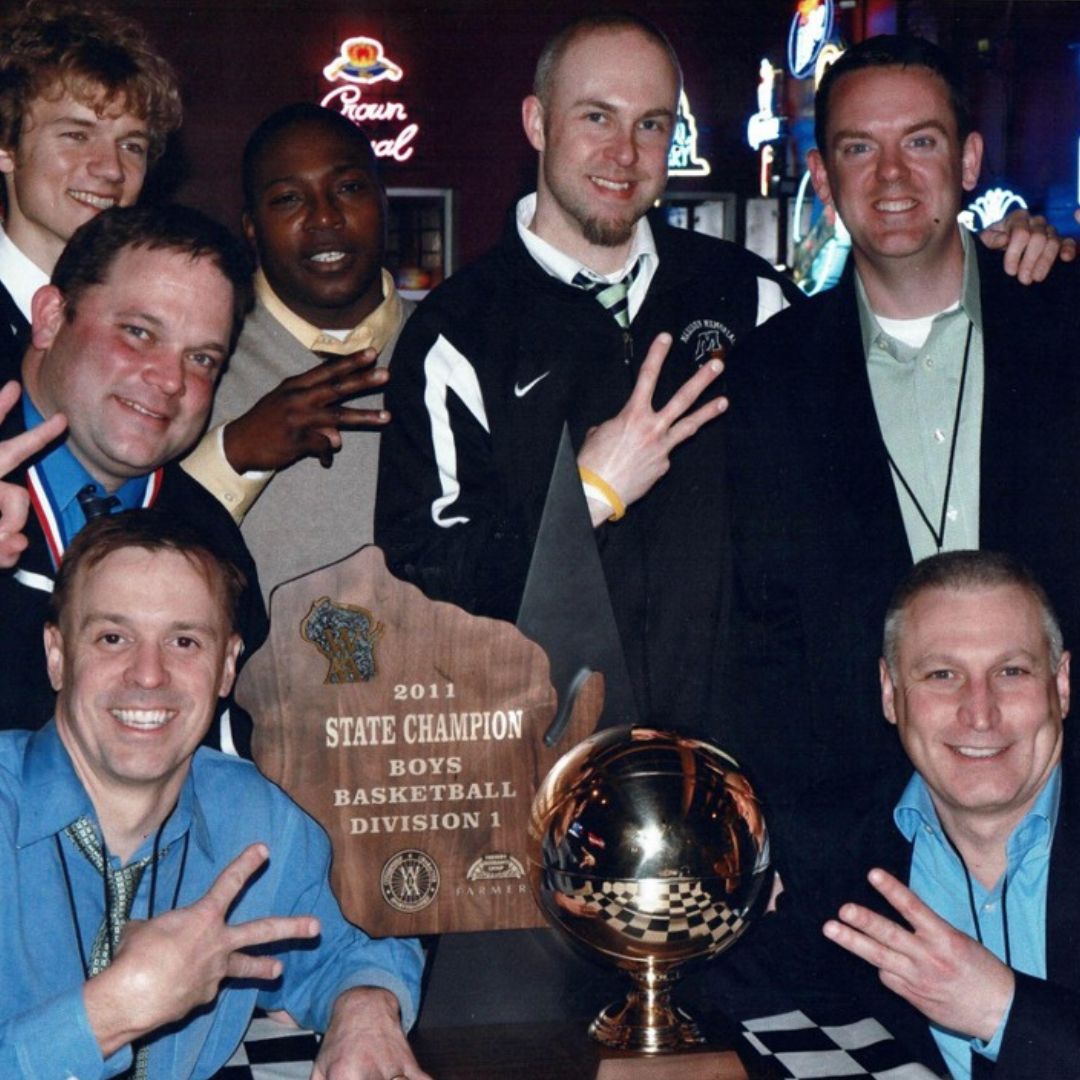
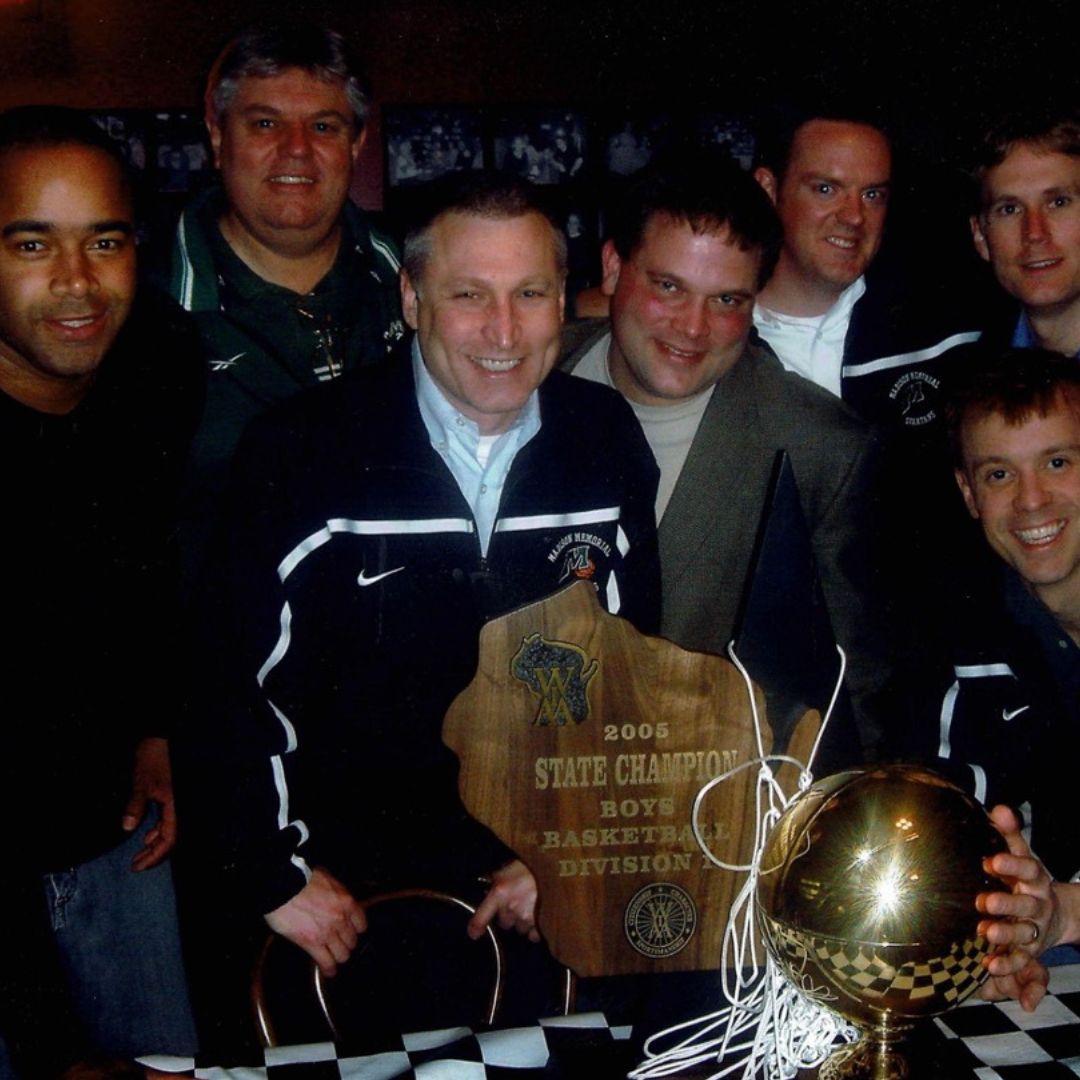
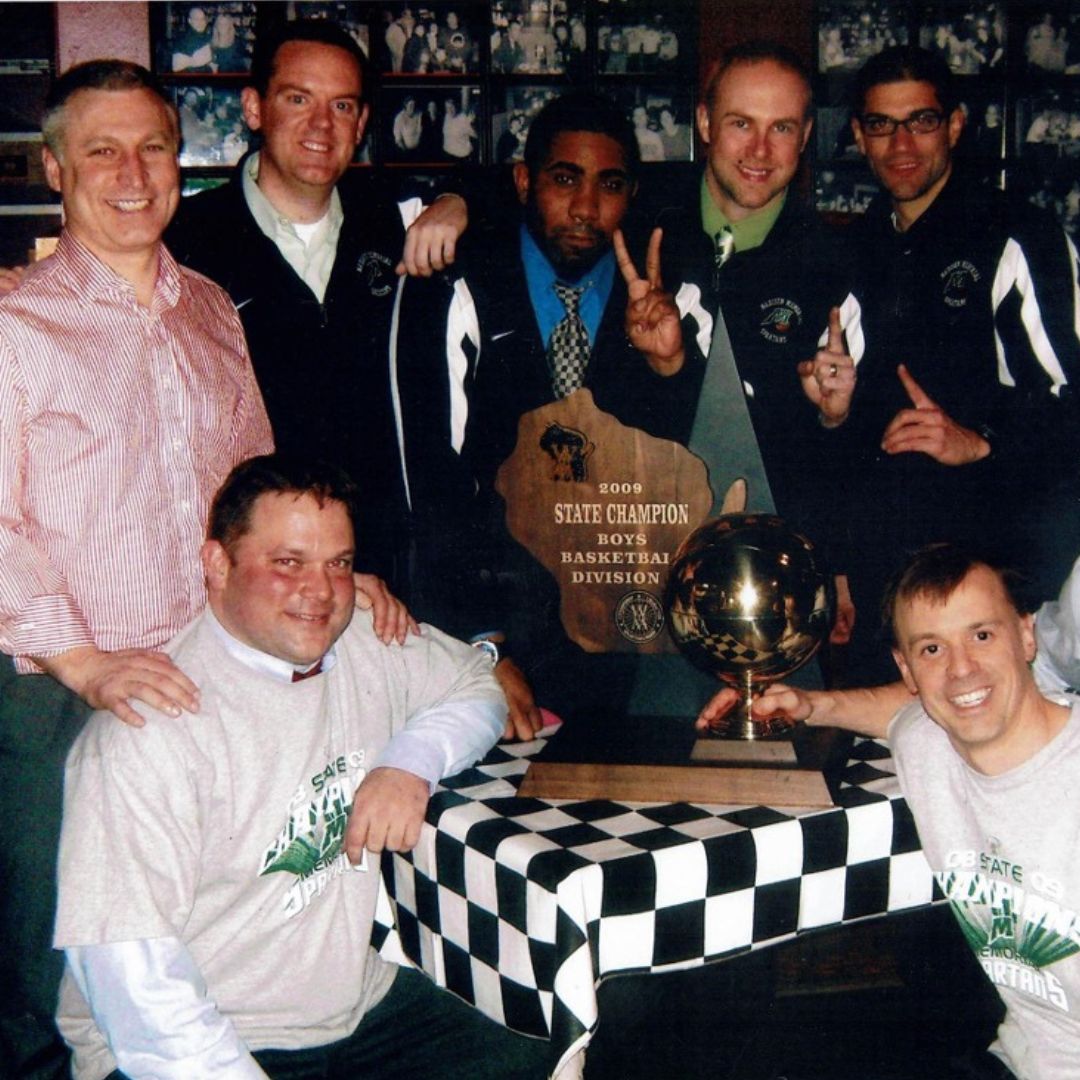
I had a lot of mentors. In fact, before I became a head coach, I coached under seven other head coaches. What was unique about that is I got to take a piece from each of them. Over time, those pieces became my own philosophy.
One of the biggest things they taught me is that coaching is about the Jimmys and Joes more than the X’s and O’s. Your players matter more than your plays. The other big one was communication, and I’ll come back to that.
3. Map out your season before your first practice
Before you run a single drill, sit down and plan. What will a typical practice look like? When will you put in your offense, your defense and your out of bounds plays? Write it down week by week.
Also decide the hard stuff now. How will you handle playing time? How will you sub? What happens when a kid misses practice? Then think about your philosophy. What do you value, and how will your team play? If you settle these early, you won’t be making them up in the middle of a game.
4. Keep it simple when you start coaching basketball
The most common mistake I see from new coaches is trying to do too much. They see a great coach run 15 sets and think they need 15 sets. They don’t. Simplify first. Then once you’re good at something, add to it.
The other mistake is trying to be someone else. Learn from other coaches, but be yourself. Kids can tell when you’re faking it.
For a youth team, here’s about all you need in year one:
- Man to man defense
- One man to man offense
- One zone offense
- A baseline out of bounds play
- A sideline out of bounds play
- Maybe a press
With older, more experienced players you can add a little more. But no matter the age, get your fundamentals in every day: shooting, passing, rebounding and dribbling.
5. Overcommunicate with everyone
Overcommunication is a huge part of coaching. That means your players, their parents, your coaching staff, your school and your community. When people know what’s going on, problems stay small.
There’s a bonus too. If you teach your players how much communication matters, they’ll talk to each other in the biggest moments of the game. That’s when you need it most.
6. Have a plan for parent conversations
Sooner or later, a parent will want to talk. So set up a few rules before it happens. First, use a 24 hour rule. No conversations about a game until the next day.
Second, always have another adult in the meeting. That way nobody can say you said one thing when you said another. Third, with older middle school and high school players, use a chain of command:
- The player talks to the coach first
- Then the parent can meet with the coach, with another coach present
- After that, it can go up the chain to the athletic director
With a fifth grader, you can be more flexible. However, older kids should learn to speak up for themselves.
What my first season taught me
My first year as a head coach, we went 7 and 14. We lost a heartbreaker down the stretch in the first game of the tournament. I sat in that locker room afterward and honestly wasn’t sure I could coach again.
Then we got on the bus for a two hour ride home. I sat down with all of my coaches, and we made a plan. We’d develop the program from the bottom up, make our players better, try to outscout people, commit to fundamentals and build the community around our team.
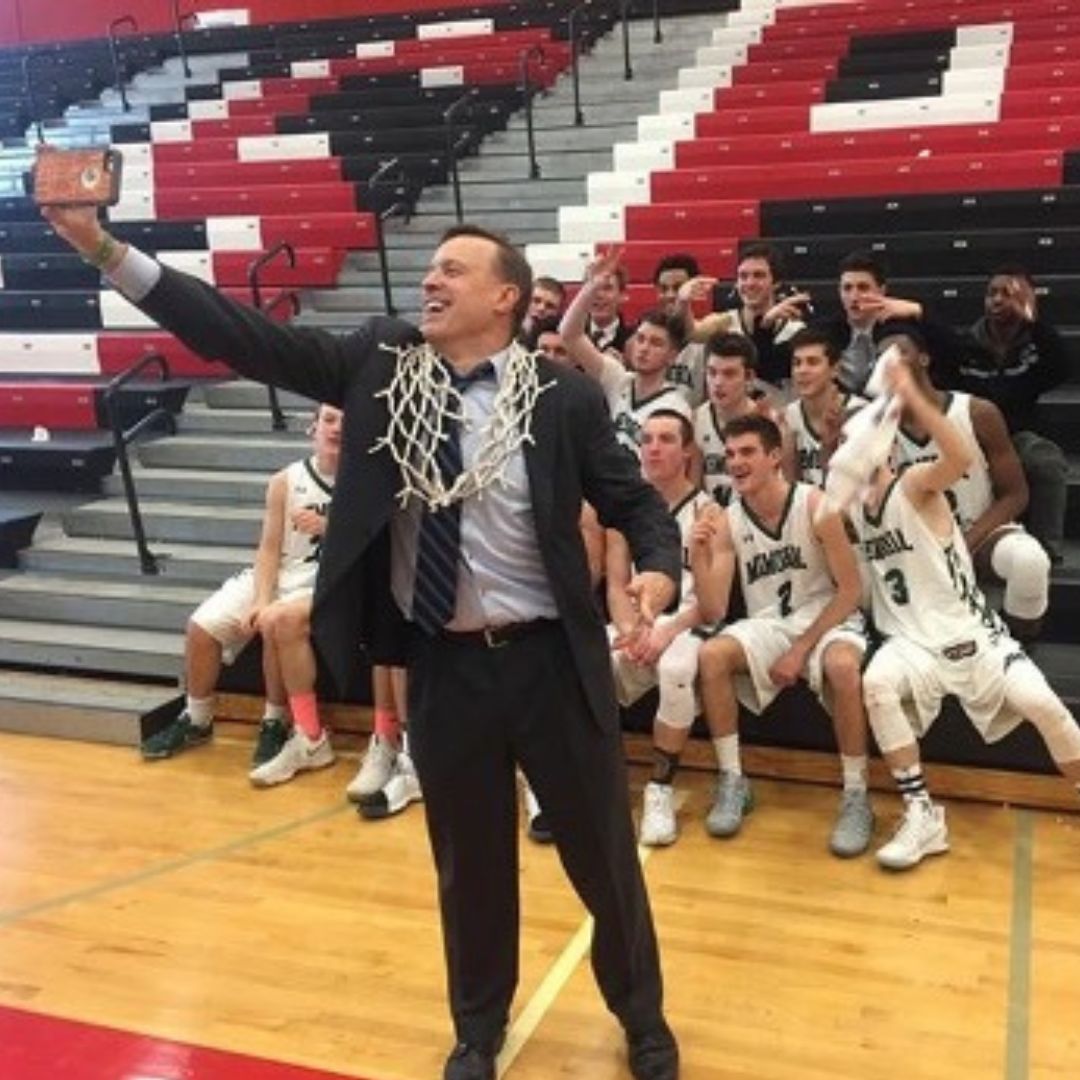
That plan became our road map. Over the next 25 years, it helped us become one of the most successful programs in the Midwest. So if your first season is rough, don’t quit. Use it to build your plan.
How long until you feel comfortable?
After a few years, you’ll feel pretty comfortable. But you’ll keep growing the whole time. I don’t think there’s ever a moment where you say, I’ve got this. Even now, after almost 40 years, I’m still learning the game.
Where to learn when you start coaching basketball
You don’t have to figure this out alone. TeachHoops.com has practice plans, drills, playbooks and courses built for coaches at every level. We also have free coaching podcasts and hundreds of free videos on the TeachHoops YouTube channel.
My advice if you start coaching basketball this year
Take a deep breath. You know more than your players do. Dive into the game, find good people to learn from and keep it simple. You’ll learn so much along the way.

Latest Posts
- How do I start coaching basketball with no experience?
- First basketball practice: 7 ways to set the tone on day one
- Youth basketball tryouts: 7 ways to evaluate players more effectively
- 3 on 2 shooting drill: Build better reads, ball movement and shot selection
- Basketball timeout strategy: How to manage momentum without wasting timeouts