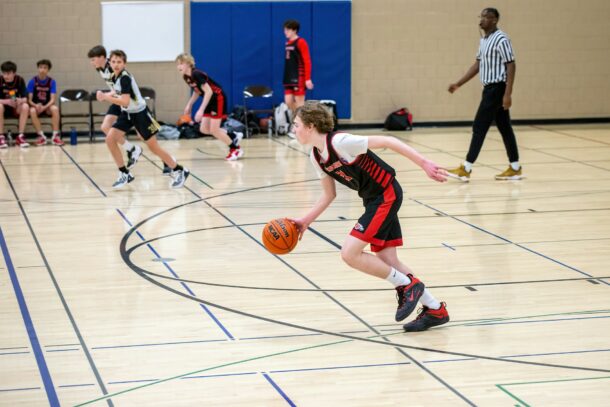
Teaching basketball shot selection can be one of the toughest jobs for a youth coach. Young players often want to shoot as soon as they touch the ball, especially when they get behind the three-point line. Meanwhile, parents in the stands may be yelling for them to shoot even when a better option is available.
Players need a simple way to understand when to shoot, when to pass and when to keep the possession moving. The “good shot, great shot, no shot” method gives coaches an easy system they can use during practices, scrimmages and games.
Why Shot Selection Matters in Youth Basketball
Most young players judge their performance by how many points they score. Parents often reinforce the same idea by asking, “How many points did you have?” before asking about defense, passing or decision-making.
Scoring matters, but basketball remains a team game. A player who passes up a difficult attempt to create an open layup for a teammate has made a winning play, even if the box score does not show it.
Good shot selection also helps teams score more efficiently. Instead of settling for contested jumpers, players begin looking for open layups, balanced shots and teammates in better positions.
Coaches should connect shot selection to team success rather than making it sound like a punishment. The goal is not to stop players from shooting. The goal is to help them recognize the best available opportunity.
Teaching Basketball Shot Selection with 3 Simple Categories:
The good shot, great shot, no shot system works because young players can understand it quickly.
1. Great Shot
A great shot is the best option available during the possession. For most youth teams, great shots include:
- An open layup
- A shot close to the basket with no defender nearby
- An uncontested attempt from a player’s comfortable range
- A shot taken while the player is balanced and under control
- An open attempt created by an extra pass
At the third-, fourth- and fifth-grade levels, an open layup should almost always be considered a great shot. Coaches should encourage players to attack the basket and create high-percentage opportunities before relying heavily on outside shots.
2. Good Shot
A good shot is a reasonable attempt, even if it is not the best possible option. Examples may include:
- An open midrange jumper
- A controlled drive by a capable ball handler
- A three-pointer taken by a player who has demonstrated that range
- A balanced shot taken within the flow of the offense
The difference between a good shot and a great shot often depends on what else was available. An open midrange jumper may be good, but passing to a teammate standing alone under the basket would create a great shot.
3. No Shot
A no shot is an attempt that should not be taken in that situation. Common examples include:
- A heavily contested jumper
- A shot taken while falling away or off balance
- A three-pointer from outside the player’s reliable range
- A rushed attempt early in the possession
- A difficult shot when a teammate is wide open
- A drive into multiple defenders by a player who cannot control the ball in traffic
Labeling an attempt a no shot should not embarrass the player. Coaches should explain why the attempt was poor and help the player identify a better option.

Use Scrimmages to Provide Immediate Feedback
Live scrimmages offer one of the best opportunities for teaching basketball shot selection. When a questionable attempt occurs, stop the action briefly and ask the players to classify it: “Was that a good shot, a great shot or a no shot?”
Let the players answer before giving your opinion. Follow up by asking why they chose that category. A player might explain that the shot was contested, outside their range or taken while off balance. Another player might notice that a teammate was open near the basket.
This process encourages players to think through the possession rather than simply obeying a coach’s command. They begin learning how to evaluate spacing, balance, defensive pressure and available passing options.
Immediate feedback also helps connect the lesson to the exact moment it happened. Players do not have to remember a possession from 20 minutes earlier. They can see the floor, recognize the mistake and try a better decision on the next trip.
Coaches should keep these stoppages short. Pause, ask the question, get an explanation and resume play. Long lectures can disrupt the pace of practice and cause players to lose interest.
Help Players Learn Their Shooting Range
A major part of shot selection involves understanding personal range. Players usually have a general idea of where they can shoot comfortably, but practice results should confirm it. A player who consistently struggles to reach the rim from the three-point line is not ready to take that shot during a game.
Coaches can identify range through shooting drills, small-sided games and scrimmages. Look for attempts where the player can maintain normal mechanics without pushing the ball from the hip or changing the release.
Range will vary from player to player. One athlete may be ready to shoot open threes, while another should remain closer to the basket. Both players can still contribute to the offense.
Shot selection should reflect current ability, not where the player hopes to shoot someday.
Shot Selection should be Different for Each Player
Coaches should avoid creating one rigid shooting rule for the entire roster. A skilled guard may be able to split two defenders and finish at the basket. The same drive might be a poor choice for a player who struggles to control the ball in traffic.
One player may be capable of making an open three-pointer. Another may provide more value by cutting, screening, rebounding or attacking from a shorter distance.
Players sometimes notice these differences and ask why a teammate can take a shot they are discouraged from attempting. Use those moments to explain that every player has different strengths.
The message should remain positive: “This is where your game is right now. Keep working, and your options will grow.”
Individual standards are not unfair. They are part of helping each player make decisions that fit their current skill level.
Review Shot Selection on Film
Older teams can reinforce the same concepts through film study. Pause the video before a shot and ask players to examine the possession. Was the shooter open? Were they balanced? Was the attempt within their range? Did another player have a better opportunity?
Film allows players to see passing lanes and defensive positioning that may have been difficult to recognize during live action. It also gives the coach a chance to praise players who passed up a decent shot to create a better one.
Youth coaches without regular access to game film can still use short practice clips recorded on a phone or tablet. Even a few possessions can lead to a useful conversation.
Make Better Shots Part of the Team Culture
Teaching basketball shot selection works best when it becomes part of the team’s everyday language. Use the same terms during drills, scrimmages, film sessions and games. Praise players for creating great shots, not only for making baskets. Recognize the extra pass, the controlled drive and the decision to avoid a contested attempt.
Players will still make mistakes. They will take rushed shots, force drives and occasionally listen to someone in the stands yelling, “Shoot!”
Consistent feedback will gradually change those habits. Players begin passing out of difficult situations, finding open teammates and understanding where they are most effective.
The improvement may not happen in one practice, but the good shot, great shot, no shot method gives players a clear starting point. Keep the definitions simple, adjust them for individual ability and provide feedback while the decision is still fresh.
Better shot selection leads to more efficient offense, improved teamwork and smarter basketball players.

Latest Posts
- Preseason parent meeting: 7 things basketball coaches should cover
- Offensive spacing in youth basketball: 5 rules players can actually remember
- How to give effective feedback during basketball practice
- Basketball press break: A simple alignment that beats full court pressure
- How to motivate a basketball team that’s losing