If you coach youth basketball long enough, you learn something important pretty quickly. The job is not just about plays, defenses, or what to run after a timeout. The best youth basketball coaching tips have less to do with whiteboards and more to do with teaching, communication, confidence, and connection.
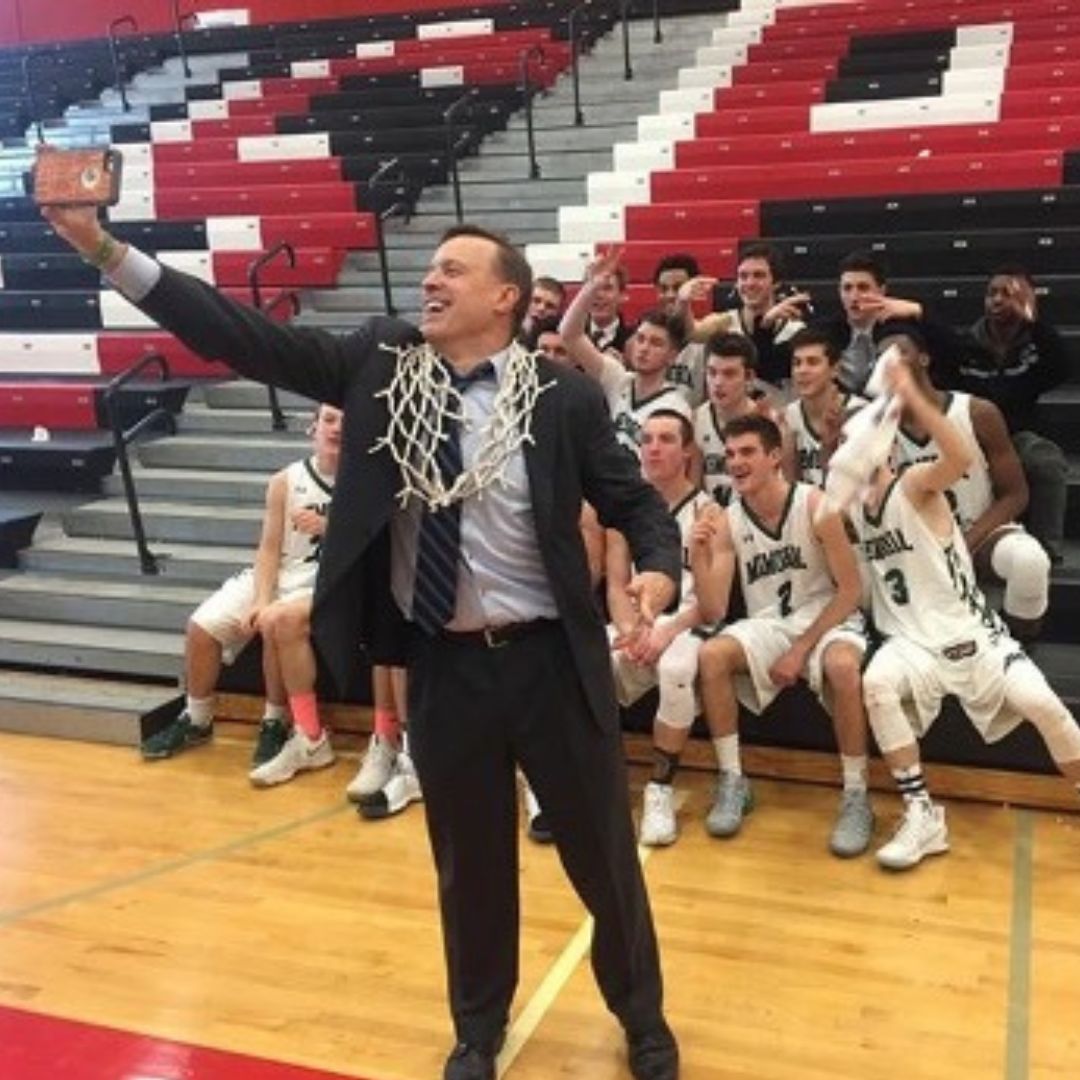
That was one of the biggest takeaways from a recent conversation with legendary Bay Area coach Margaret Gartner, who has spent 40 years coaching and 32 years teaching. Her perspective is a powerful reminder that coaching kids is about much more than basketball. It is about helping young players learn, grow, and believe in themselves.
For coaches trying to build better practices, stronger teams, and more confident athletes, that mindset changes everything.
The Best Youth Basketball Coaching Tips Start With Teaching
One of the smartest things Coach Gartner shared was an idea should shape every youth practice:
It is not about how much you can teach. It is about how much they learn.
Too often, coaches feel pressure to cover as much as possible. We want to install an offense, teach help defense, work on press breaks, fix passing angles, and get through the whole practice plan. But players do not improve because a coach said more. They improve because they understood it, practiced it, and repeated it enough to use it in a game.
That means one of the most valuable youth basketball coaching tips is simple: talk less and let players do more.
Kids need reps. They need guided mistakes. They need a chance to try a skill, fail, adjust, and try again. If practice becomes one long lecture, learning slows down.
Confidence Is a Coach’s Real Job
A lot of coaches think their responsibility is to teach plays and fundamentals. Those things matter, but confidence might matter more. Young players do not perform at their best when they are afraid of making mistakes. They perform better when they know mistakes are part of the process. That’s why great coaches praise effort, decision-making, and growth, not just results.
If a player attacks the basket and turns it over, the easy thing to do is focus on the turnover. A better coaching approach is to start with what was right. Maybe the player attacked with confidence. Maybe she finally made an aggressive read. Or maybe she did exactly what the coach had been asking her to do. Feedback like this helps players stay engaged instead of shutting down.
For youth coaches, this is one of the most important basketball coaching principles to remember: you are not just coaching performance, you are coaching belief.
Less Control, More Flexibility
One of the biggest mistakes new coaches make is trying to control every second of practice. Most of us have been there. You create the perfect practice plan. You want to move drill to drill with no wasted time. Then one thing goes wrong, and the whole workout feels off track. Experienced coaches know better.
Practice has to breathe a little. You need backup drills. You need alternatives. And you need to be willing to scrap something that is not working and pivot to something players can handle. Flexibility becomes even more important in youth basketball, where players develop at different speeds. A concept that seems simple to one player may feel completely new to another.
The best youth basketball coaching tips are rarely about being more rigid. They are about being more adaptable.

Every Player Learns Differently
This is where teaching and coaching overlap in a big way. Some players need to hear it, some need to see it, and some need to walk through it slowly before they can do it live. Some are confident right away. Others are afraid to fail in front of teammates. A coach who treats every player exactly the same will miss chances to help them improve.
That does not mean every practice needs to be individualized from start to finish. It means smart coaches build in ways to reach more players. Small groups help. Station work helps. Grouping players by confidence or skill level helps. Giving players specific tasks while you work more closely with another group helps.
If one player is scared to box out, maybe she needs a pad first before real contact. If another is overwhelmed, maybe she needs fewer players in the drill and more encouragement.
Good coaches do not say, “She just cannot do it.” They ask, “How can I teach this better?” It can transform a team.
Stop Comparing Kids
Comparison is one of the fastest ways to crush confidence in youth sports. Players develop at different rates. Some are physically ready earlier. Others understand the game faster. Some are more aggressive, while others need more time and more reps before things click. A player’s journey should not be measured by where someone else is. It should be measured by growth.
This applies to coaches and parents too. Not every player will score the same. Not every player will shoot the same number of times. Not every player will be ready for the same role at the same time.
One of the best youth basketball coaching tips for building a healthy team culture is to keep players focused on progress, not comparison. Help them look at how far they have come, not just how far they have left to go.
Coaching Parents Matters Too
Every youth coach knows this part of the job is real. Parents are part of the team experience, whether we like it or not. The best coaches do not ignore that. They manage it with communication, patience, and perspective. A great reminder from the conversation was that parents are trusting you with their most valuable gift: their child.
One of the smartest approaches a coach can take is to listen without making everything personal. A frustrated parent is usually reacting from emotion, fear, or concern about their child. If a coach can stay calm, listen carefully, and communicate clearly, a difficult situation often becomes manageable.
This is another reason youth basketball coaching is about more than the game. Coaches are teachers, leaders, and relationship-builders too.
Youth Basketball Is About Life Skills
Basketball is a vehicle. Yes, players should learn how to pivot, pass, box out, and rotate on defense. But they should also learn how to be responsible, how to work with others, how to handle mistakes, how to respond to adversity, and how to keep going when something feels hard. Those are life skills.
Team sports teach kids that they will not always get the role they want. They teach them that hard work matters and that being part of something bigger than themselves has value. That’s why so many experienced coaches stay in it for decades. The wins matter, but the deeper reward is knowing you helped young people grow.
What Youth Coaches Should Really Focus On
If you coach younger players, there is one more lesson worth highlighting. At the youth level, skill development matters more than chasing wins. If players cannot dribble, pass, finish, and make decisions under pressure, the best plays in the world will not save you. Coaches who spend all their time on strategy but skip the fundamentals are building on shaky ground.
The best youth basketball coaching tips often sound basic. Work on footwork and on layups. On passing. Balance. Work on confidence, and on decision-making. Then keep doing it. Games are not the only goal. Development is.
Final Thoughts
The best youth basketball coaches are teaching confidence, resilience, communication, teamwork, and growth. If you are coaching a youth team this season, remember this: your players do not need a perfect coach. They need a coach who cares, keeps learning, communicates well, and helps them believe they can improve.
That’s how you build better players. More importantly, that’s how you help build better people.

Latest Posts
- Free Throw Drill: Build Game-Winning Confidence in Just 30 Seconds
- Mastering the Back Door Cut Drill for Game-Changing Offense
- Youth Basketball Coaching Tips: Why Great Coaches Teach More Than X’s and O’s
- 5 Ways to Manage Social Media Impact on Youth Basketball
- 4 Tips on Setting Expectations in Youth Basketball