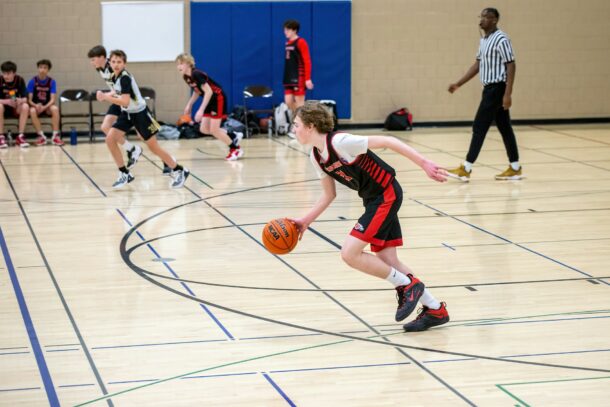
Youth basketball tryouts can become a rushed sorting exercise if coaches walk into the gym thinking only about who will make the team. A better approach is to treat tryouts as an opportunity to gather information. Instead of confirming what you already believe about players, build each session around discovering skills, habits, toughness, coachability and role fit that might otherwise go unnoticed.
Good evaluations require more than layup lines and long scrimmages. Coaches need specific criteria, purposeful drills and multiple chances to see players respond in different situations. Just as important, the process should help you build a roster rather than simply rank a group of athletes from first to last.
Below are seven ways to make youth basketball tryouts more useful, fair and productive.
1. Decide what you want to evaluate before tryouts begin
Walking into the gym with a vague goal of finding the “best players” leaves too much room for instinct and first impressions. Instead, decide ahead of time which basketball skills and behaviors you need to evaluate.
For example, a coach might want to identify players who can:
- Finish through contact around the basket
- Defend the ball for several possessions without losing focus
- Communicate consistently on defense
- Rebound in traffic
- Handle pressure against aggressive defenders
- Respond positively to coaching
- Sprint back after turnovers
- Make smart decisions without dominating the ball
Those traits require different situations to evaluate properly. A five-on-five scrimmage might reveal some of them, but others can disappear while certain players control the ball.
Before youth basketball tryouts begin, write down your evaluation priorities. Once those priorities are clear, you can choose drills that create opportunities to see each skill.
2. Design drills that expose the traits you’re evaluating
If toughness is one of your priorities, don’t expect players to reveal it while standing in a drill line. Put them in competitive situations where effort, physicality and persistence become impossible to avoid.
Full-court one-on-one is a great example. Give players a live ball, let them compete from one end to the other and make finishing the possession the primary expectation. In only a few minutes, you’ll see who stays engaged, who fights through mistakes and who gives up once the offensive player gains an advantage.
The same principle applies to other traits. Want to evaluate ball security? Add pressure. Want to see who communicates? Create defensive situations that require switches and help. Want to test decision-making? Shrink the space and shorten the time available. Purposeful drills produce useful information. Random drills mostly produce activity.
3. Watch what players do without the basketball
The player with the ball naturally attracts attention during youth basketball tryouts. Coaches follow drives, shots, passes and turnovers because those actions are easy to track. However, much of basketball happens away from the ball.
After a player passes, watch what comes next. Does he cut through the lane, relocate to create spacing or simply stand and observe? When possession changes, does he sprint back defensively or jog while checking the coach’s reaction?
Off-ball habits can reveal basketball IQ, effort and awareness more clearly than a highlight play. During scrimmages, intentionally spend several possessions watching one player who doesn’t have the ball. You may discover qualities you would’ve missed while following the action.

4. Give players more than one chance
One poor session shouldn’t automatically end a player’s opportunity. Young athletes can struggle during the first day of tryouts for plenty of reasons. Nerves, unfamiliar teammates, a new coach or simple bad timing can make a capable player look completely different from usual.
Three days may decide an entire basketball season, so coaches should gather information across the full evaluation window. Consider setting aside time late in the process for players near the roster cutoff. Match those athletes against one another in competitive drills or controlled scrimmages and evaluate them again.
A player who looks more confident on the final day isn’t necessarily changing his game to fool the coaches. He may simply be comfortable enough to show what he can actually do.
5. Use evaluation scores as information, not the final answer
Evaluation forms help organize observations during youth basketball tryouts, but the numbers shouldn’t select the roster by themselves. A simple average can hide the exact trait your team needs.
Imagine one player receives modest scores for ball handling and shooting but grades extremely well as an on-ball defender. Averaging every category could make him look ordinary. Meanwhile, his defensive ability might fill one of the biggest holes on your roster. Instead of creating one overall ranking, build smaller lists based on roles.
For example:
- Best on-ball defenders
- Best rebounders in traffic
- Most dependable ball handlers
- Best catch-and-shoot players
- Strongest finishers around the rim
- Best decision-makers under pressure
Next, compare those lists with the players already returning to your program. Roster construction should account for what your team lacks, not simply which athletes earn the highest average scores. A balanced roster needs complementary pieces.
6. Give every evaluator a specific assignment
Multiple coaches can improve the evaluation process, but only if everyone knows what to watch. Without assignments, two coaches often spend the entire session following the basketball. As a result, they collect nearly identical observations while missing everything happening elsewhere. Divide the work instead.
One coach might evaluate guards while another focuses on post players. Another option is having one coach track actions around the ball while an assistant studies screening, cutting, communication, defensive positioning and transition effort. After practice, compare notes. Disagreements deserve attention because they can expose players who need another look.
Previous coaches can provide useful context as well. A former youth, middle school or JV coach has seen habits that may never appear during a three-day tryout. They may know who improved steadily throughout the previous season, who competed consistently in practice and who handled adversity well. History shouldn’t make the decision for you, but it can help explain what you’re seeing.
7. Plan the conversation after youth basketball tryouts
Most coaches carefully organize drills, schedules and evaluation sheets. Far fewer plan what happens once the roster has been selected. The conversation with a player who doesn’t make the team deserves preparation too.
Whenever possible, speak directly with the player instead of allowing a posted list to provide the only explanation. Keep the message clear, specific and useful.
Give the player one area to improve rather than overwhelming him with five different weaknesses. The feedback should be something he can work on during individual workouts, open gyms or the offseason.
Then provide a path forward when one exists. Let the player know when open gym starts, when another evaluation opportunity may come or what he needs to improve before trying again.
Most importantly, don’t tell every player he was “really close.” False encouragement can create confusion about how much improvement is actually needed. Clear feedback may be uncomfortable for a few minutes, but it gives the player something productive to do next.
Build your youth basketball tryouts around information
The best youth basketball tryouts give coaches a clearer picture of each player than they had before the first whistle. Rankings and roster decisions come later. First, create situations that reveal how players compete, communicate, respond to coaching and contribute when the basketball isn’t in their hands.
Define your criteria before players arrive, select drills that expose those traits and evaluate athletes across multiple sessions. Then organize your observations by role, involve the right people in the process and prepare for the conversations that follow roster decisions.
Coaches looking to organize their next tryout can find basketball tryout plans, evaluation forms, practice plans and drills at TeachHoops.com. A little preparation before the gym doors open can make the entire selection process clearer for coaches and players alike.

Latest Posts
- Preseason parent meeting: 7 things basketball coaches should cover
- Offensive spacing in youth basketball: 5 rules players can actually remember
- How to give effective feedback during basketball practice
- Basketball press break: A simple alignment that beats full court pressure
- How to motivate a basketball team that’s losing