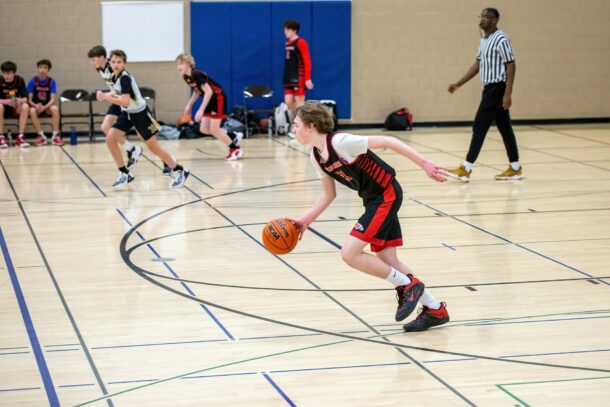
Effective feedback in basketball practice is short, specific and immediate. Tell the player exactly what to do, not just what they did wrong, then get them back into the drill. Praise specific effort and improvement, correct one thing at a time and save long explanations for film or a quick huddle.
Feedback is one of the most underrated coaching skills. You can have a great practice plan and still waste it if your corrections are too long, too vague or too negative. Here’s how I learned to do it better.
Why effective feedback matters so much
Players improve through repetition plus correction. Without feedback, they repeat mistakes. However, with too much feedback, they stop listening. The goal is the right amount, at the right time, in the right words.
It also connects to communication, which I think is the biggest part of coaching. How you talk to players in practice teaches them how to talk to each other in games.
1. Keep effective feedback short
A good correction takes five to ten seconds. If you stop a drill for two minutes to explain something, the energy is gone. So say it, show it if you need to and get back to work.
2. Be specific
“Good job” and “come on” don’t teach anything. Instead, say what you want. For example, “Sit lower in your stance.” “Catch with your hands ready.” “Talk on the screen.” Specific words give players something to fix on the next rep.
3. Tell them what to do, not just what went wrong
“Don’t reach” is less useful than “slide and keep your hands up.” Players can act on an instruction. A list of mistakes just makes them tight.
4. Correct one thing at a time
Young players can only focus on one or two things at once. If you give them four corrections, they’ll fix none. Pick the most important one, fix it, then move to the next.
5. Praise the right things
Praise specific effort and specific improvement. “Great box out” or “that was a much better closeout” tells a player exactly what to repeat. Also catch players doing things right in front of the team. Kids repeat what coaches celebrate.
6. Use the sandwich carefully
Some coaches use a positive, correction, positive approach. That can work, especially with younger kids. Still, don’t make it so automatic that players stop hearing the praise. Be honest and be real.
7. Teach players to give feedback too
Great teams coach each other. Give players simple language and ask them to use it. When a teammate makes a great help rotation, they should hear about it from a teammate, not just the coach.
Effective feedback by age
- Younger players need more encouragement, fewer words and lots of demonstration
- Middle school players can handle one clear correction and a quick reason why
- High school players can handle more detail, film and honest conversations about roles
Where to give effective feedback
Not every correction belongs in the middle of a drill. Quick fixes happen live. Bigger teaching moments work better in a short huddle, at a water break or in film. And personal conversations about roles or attitude should happen one on one, not in front of the team.
Make effective feedback a habit
Watch yourself on video sometime. Count how long your corrections last and how many are specific. Most coaches are surprised. Small changes in how you give feedback can change how fast your team improves.
We have practice plans and coaching courses at TeachHoops.com that build good teaching habits into every drill.