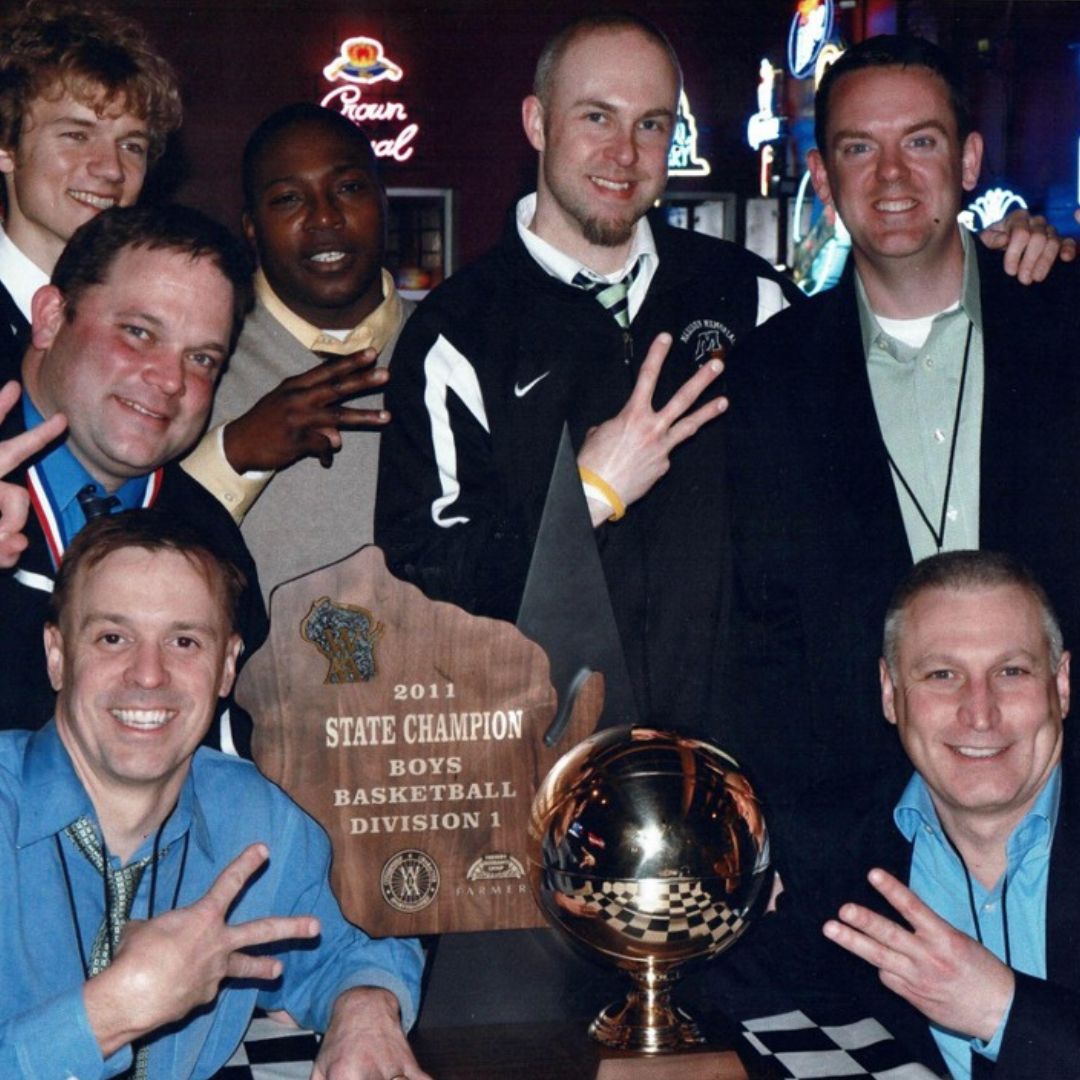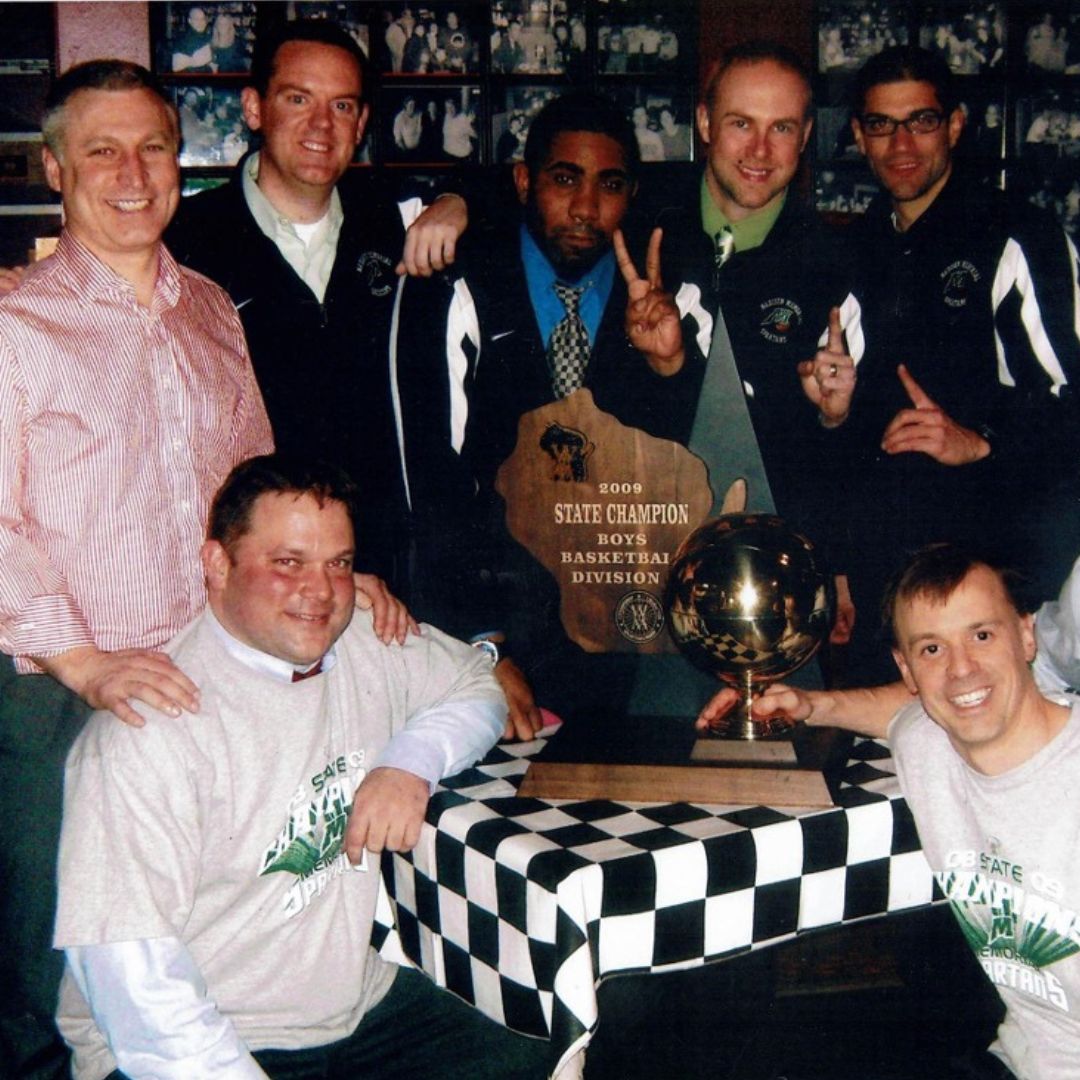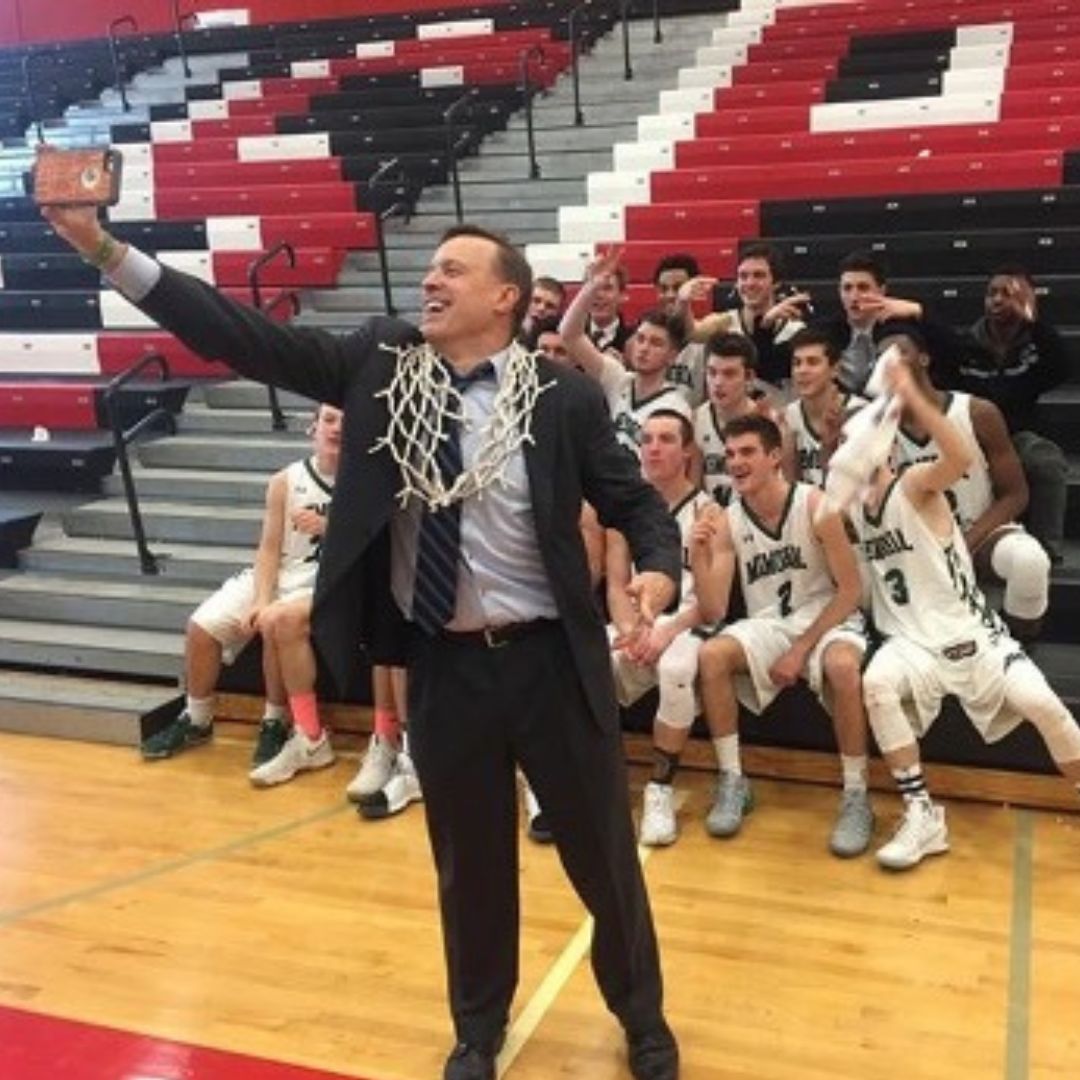
The best life lessons from basketball coaching don’t always show up on the scoreboard. Sometimes, they come through a timeout, a tough practice, a team huddle or a coach standing at a graduation podium trying to send young people into the world with something useful.
Coach Steve Collins recently shared three simple lessons with the Madison Memorial Class of 2026. After decades in the classroom and on the sideline, he didn’t build his message around wins, titles or trophies. He built it around growth.
His advice works for graduates, players, parents and coaches because it gets to the heart of what coaching is really about. Basketball gives us the drills, the games and the competition, but the bigger lessons stick long after the final buzzer.
Why Life Lessons From Basketball Coaching Matter
Good coaches teach more than spacing, shooting and scouting reports. They teach players how to handle pressure, respond to failure, show up on time, serve a role and care about something bigger than themselves.
Coach Collins framed his message around three ideas:
- Say yes to the right things.
- Serve the people in front of you.
- Find your why.
Those three ideas fit perfectly inside a basketball program. They also fit inside a classroom, a family, a workplace and a life. Coaches don’t just help players become better athletes. They help young people become better teammates, better leaders and better people.
Say Yes to the Right Opportunities
One of the first life lessons from basketball coaching is learning when to say yes.
Don’t take that to mean saying yes to everything. Coaches know that approach leads to burnout. Players know it, too. You can’t chase every workout, every highlight, every opinion and every distraction. At some point, saying yes to everything means saying no to what matters most.
Coach Collins talked about saying yes to learning something new, being around people who make you better, working hard when no one is watching and taking the opportunity that scares you a little, powerful coaching language.
A young player may not feel ready to take the big shot, guard the best scorer or step into a leadership role. A new coach may not feel ready to run a program, speak to parents or lead a room full of athletes. Nobody feels fully ready for the biggest moments. You grow into them.
In basketball, saying yes might look like volunteering to defend the toughest matchup. It might mean showing up early for skill work, accepting feedback without making excuses, or taking on a role that doesn’t come with a lot of attention. Growth usually starts when comfort ends.
Serve Others Before Yourself
Coach Collins’ second lesson was simple: serve others. Basketball is one of the best places to teach this because selfishness gets exposed fast. A player can score 25 points and still hurt the team if they don’t defend, communicate or trust their teammates. A coach can draw up great plays and still miss the mark if the program becomes more about control than connection.
The best teams are filled with people who ask better questions.
- Who can I help?
- Who can I encourage?
- Who can I make better?
Service shows up in small ways during a season. A senior encourages a freshman after a bad practice. A bench player brings energy during a timeout. A captain holds teammates accountable without tearing them down. A coach notices the player who’s struggling quietly and makes time for a real conversation.
Those moments may not make the box score, but they build the program.
Coach Collins reminded graduates that life gets better when it stops being only about you. Coaches can take that lesson right back to practice. The strongest programs aren’t built only on talent. They’re built on trust, toughness and togetherness.
Find Your Why Through Basketball and Beyond
Another one of the most important life lessons from basketball coaching is helping players find their why. Coach Collins connected this idea to the Japanese concept of ikigai, which means a reason for being or a reason to wake up in the morning. He explained it through four questions:
- What do you love?
- What are you good at?
- What does the world need?
- What can you get paid for?
For coaches, this matters because basketball can help young people start paying attention to what gives them energy. Some players discover they love leading. Others realize they enjoy teaching younger kids. Some find confidence through hard work. Others learn that they’re capable of more than they thought. Finding your why doesn’t happen all at once.
A player’s purpose at 14 may look different at 18. A coach’s purpose in year one may look different in year 20. That doesn’t mean something went wrong. It means people grow, seasons change and life keeps moving.
Basketball can become a place where players learn to ask better questions about themselves.
- What makes me lose track of time?
- What kind of teammate do I want to be?
- What do I care about when nobody’s clapping?
- What am I willing to work for?
Those questions matter far beyond the gym.
Coaching Is About People First
Coach Collins made one point that every coach should take seriously. The real stuff is relationships. Not achievements, applause, or trophies.
People.
Basketball coaches spend hours building practice plans, scouting opponents, studying film and organizing drills. All of that matters. Preparation matters. Fundamentals matter. Structure matters. Still, players remember how coaches made them feel. They remember whether a coach believed in them. They remember the standards, the support and the steady voice during hard moments.
A coach may forget a regular-season score from 12 years ago. A former player may never forget a conversation that helped them keep going. That’s why coaching carries so much responsibility. Every practice is a chance to make the room better. Each team meeting is a chance to teach character. Every season is a chance to build something that lasts longer than wins and losses.
How Coaches Can Teach These Lessons Daily
Life lessons from basketball coaching don’t need to be saved for banquet speeches or graduation ceremonies. Coaches can build them into the daily rhythm of a program. Start by naming the lesson.
If a player dives on the floor, connect it to service. Connect it to leadership if a bench player celebrates a teammate. If an athlete takes on a challenge, connect it to saying yes to the right opportunity.
Use short, clear language players can remember.
- Say yes to the right things.
- Make the room better.
- Find your why.
Repeat those phrases often enough and they become part of the team culture.
Coaches can also model the lessons. Players notice when coaches keep learning. They notice when coaches serve without seeking credit. They notice when coaches still have purpose and passion after a long season. The message lands louder when the coach lives it first.
Final Thoughts on Life Lessons From Basketball Coaching
Life lessons from basketball coaching stay with players because they’re practiced, not just preached. Saying yes, serving others and finding your why are not one-time ideas. They’re habits built through repetition, reflection and real relationships.
A coach may start the season trying to improve footwork, shooting form or defensive rotations. By the end, the bigger goal is always the same: Help players become better people.
Basketball gives coaches a powerful platform. The challenge is to use it well. Say yes to the right things. Serve the people in front of you. Help players find their why. When coaches do that, they leave the program better than they found it.

Latest Posts
- Closeout drill: How to teach players to close out without getting beat
- How do I start coaching basketball with no experience?
- First basketball practice: 7 ways to set the tone on day one
- Youth basketball tryouts: 7 ways to evaluate players more effectively
- 3 on 2 shooting drill: Build better reads, ball movement and shot selection