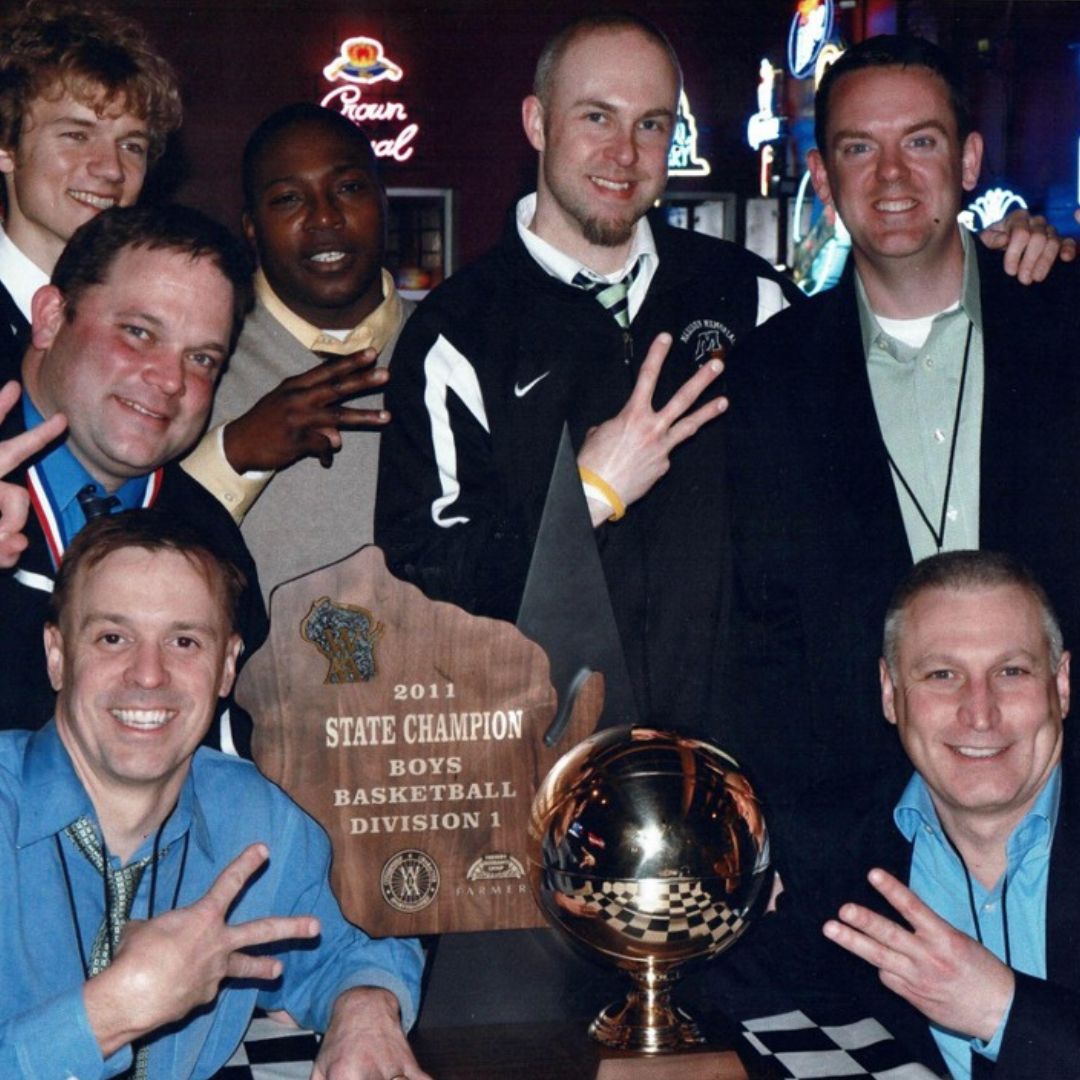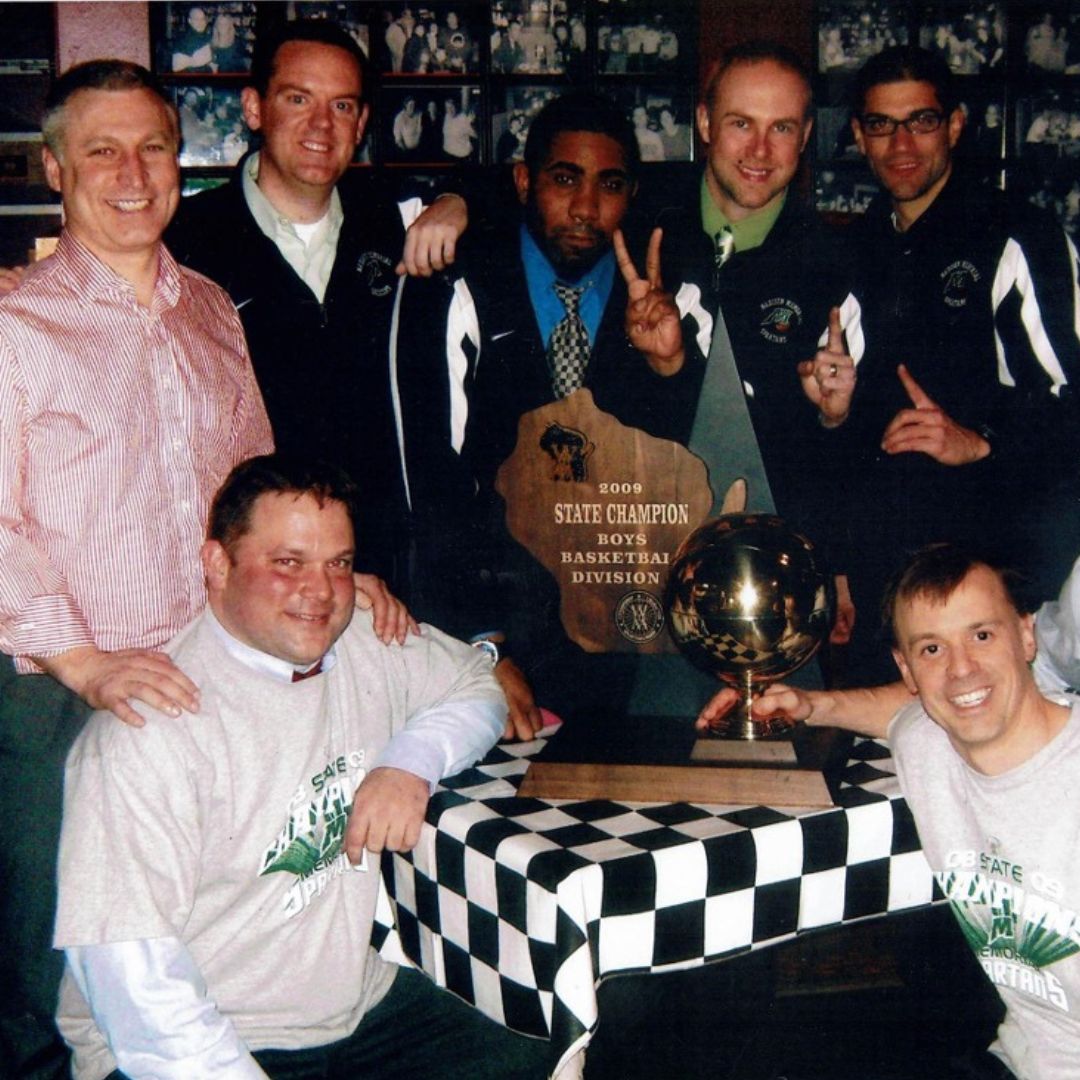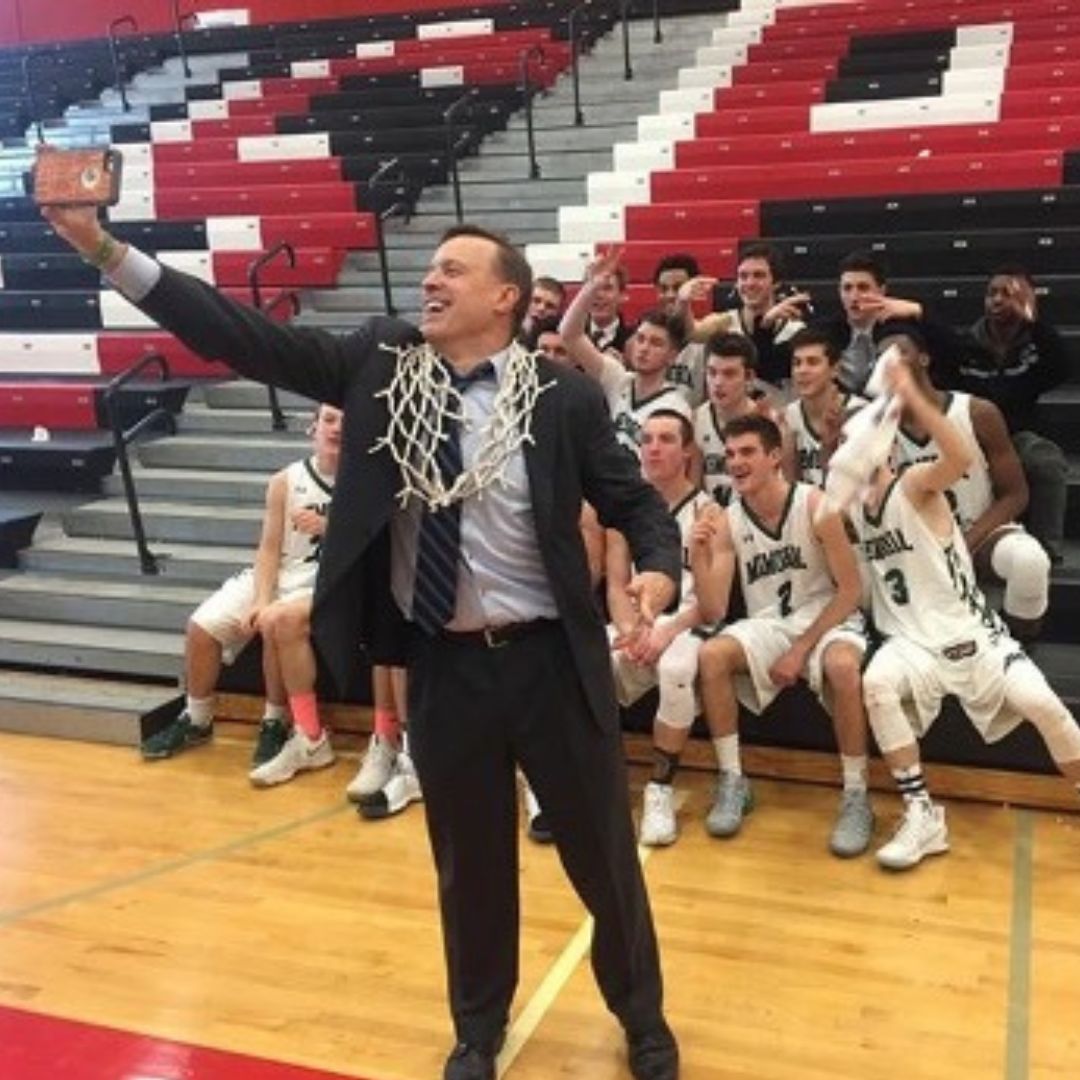
When legendary Wisconsin high school coach Steve Collins announced his retirement after 27 seasons at Madison Memorial, the basketball world naturally focused on the numbers. More than 500 wins. Three state championships. Fourteen straight conference titles. Hall of Fame recognition. But if you listen closely to Collins speak about his career, one thing becomes clear: his legacy was never about the trophies. Instead, Collins built his reputation on something every coach should aspire to create: a lasting youth basketball coaching culture. For coaches looking to build programs that endure beyond wins and losses, Collins’ career offers a blueprint worth studying.
Youth Basketball Coaching Culture Starts With Relationships
Throughout his retirement interview, Collins repeatedly emphasized that his greatest pride did not come from banners hanging in the gym. It came from watching former players become successful adults.
That mindset reflects one of the foundational truths of great coaching: players may remember the wins, but they never forget how a coach made them feel.
The best programs are built when players trust their coach beyond basketball strategy. They buy in when they know their coach genuinely cares about them as people. Collins understood that early, and it shaped everything about his program.
A strong youth basketball coaching culture begins when players believe the relationship matters more than the result of Friday night’s game.
Consistency Creates Confidence
One of the most fascinating parts of Collins’ interview was his discussion of routines. He talked about wearing the same blue suit and tie on game days. He mentioned his consistent pregame schedule. He reflected on his famous “Thanks for coming” greeting before home games. While those habits may seem small, they point to something deeper: elite coaches understand the value of consistency.
Players thrive when expectations, preparation, and routines stay steady. Consistency removes uncertainty. It gives athletes confidence in the process.
Championship-level programs are often built not on dramatic motivational speeches, but on repeated daily habits that players can trust.
If your players know exactly what practice will demand, exactly what preparation looks like, and exactly what your standards are every day, your culture becomes stronger.
Great Coaches Build Programs Bigger Than Themselves
Perhaps Collins’ most telling quote came when discussing the future of Madison Memorial basketball. He said he wants the next coach to make the program their own. That reflects true leadership.
Some coaches build programs entirely around their personality. When they leave, everything falls apart because the culture was dependent on one person.
Great coaches build systems and standards that can survive beyond their own tenure. That means creating traditions players believe in, standards assistants understand, and values the entire community embraces.
The goal is not to build a program people remember because of the coach. The goal is to build a program people remember because of what it stands for.
Success Is Measured Beyond The Scoreboard
Collins finished his career with enough wins and championships to cement his reputation. Yet in retirement, he consistently downplayed those accomplishments in favor of discussing player development and relationships. That should challenge every coach to reflect.
Winning matters. Competing matters. Championships matter. But if those things become the only measure of success, coaches lose sight of their real impact.
Every practice, every film session, and every timeout is an opportunity to teach discipline, resilience, communication, and accountability. Those lessons stay with players long after the final buzzer.
Final Thoughts
Steve Collins’ retirement reminds coaches everywhere that the best youth basketball coaching culture is not built on tactics alone. It is built on trust, consistency, relationships, and purpose. Wins may define seasons, but culture defines programs.
If you want your team to compete at a high level year after year, focus less on chasing quick results and more on building standards your players believe in every day. That is how programs last. And that is how coaches leave a true legacy.

Latest Posts
- Building a Lasting Youth Basketball Coaching Culture with Coach Collins
- High-Intensity Basketball Workout: A 20-Minute Routine That Builds Game-Ready Skill
- UCLA Basketball Coaching: How Cori Close Built a Championship Culture
- Basketball Coaching Culture: How to Build a Program That Lasts
- Basketball Coaching Mindset: 5 Lessons from a Proven Winner