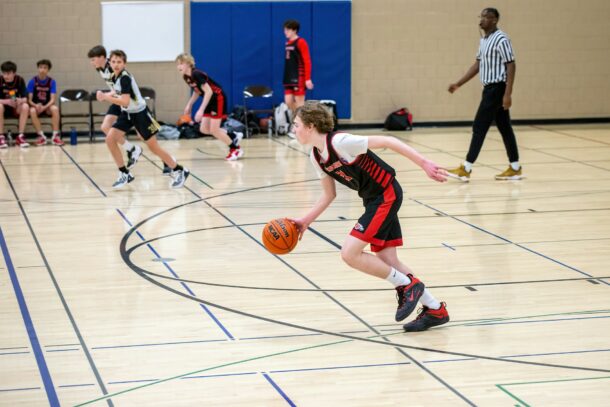
One of the biggest challenges youth basketball coaches face is time. Many teams only practice once or twice per week for 60 minutes, which means every minute matters. If you want your players to improve, you need to maximize efficiency while keeping practices engaging and productive. Understanding how to run a basketball practice effectively is about using your time with purpose and structure.
After more than 30 years of coaching, I’ve learned that getting more done in less time comes down to preparation, pacing, and clarity. Here are 10 practical tips to help you run efficient, high-impact practices.
1. Start With a Master Plan
You don’t need a complicated system, but you do need direction. Ask yourself:
- What do I want my team to be able to do by the end of the season?
- What skills matter most for this age group?
- What concepts must they understand to compete?
Planning creates a clear path to improvement. Without it, practices become random instead of intentional.
2. Time Everything
One of the biggest practice killers is staying on drills too long. Bring a stopwatch or use your phone and:
- Keep most drills around 3–5 minutes at the youth level
- Move quickly between segments
- Avoid long explanations
Fast transitions keep players engaged and allow you to cover more material.
3. Cut Your Losses Quickly
If a drill isn’t working, stop it. Don’t force it. When players struggle, it usually means:
- The drill is too complex
- You explained too much
- The progression isn’t right
That’s not on the players — that’s feedback for us as coaches. Adjust and revisit later.
4. Use Foundation Drills With Progressions
You don’t need new drills every practice. Create core drills your team understands, then add variations:
- 1-on-0 → 1-on-1 → 2-on-2 → 3-on-3
- Limited dribbles
- No-dribble constraints
- Decision-making rules
This saves teaching time and increases repetitions.
5. Repeat Key Skills Constantly
Kids don’t master skills after one practice. They forget, miss sessions, and develop at different speeds.
Great coaches circle back to fundamentals throughout the season. Repetition builds confidence.

6. Eliminate Traditional Water Breaks
Scheduled water breaks often waste time. Instead:
- Keep water bottles nearby
- Allow quick sips during transitions
- Avoid full team stoppages
You’ll recover valuable minutes every practice.
7. Keep Teaching Points Short
Players retain very little from long speeches. Aim for:
- 15–30 seconds of instruction
- One teaching point at a time
- Demonstrate → Do → Correct
Short coaching bursts lead to better learning.
8. Use Small-Sided Games
Small-sided games combine:
You can also emphasize priorities with scoring incentives. For example, if you want power layups, make them worth extra points. Players immediately focus on what matters.
9. Add Competitive “Knockout” Elements
Competition increases effort and engagement. Try:
- First team to complete a task wins
- Defense gets bonus points for stops
- Specific plays end the game automatically
- Losing team has a small consequence (pushups, sit-ups, etc.)
Competition raises intensity without adding time.
10. Focus on Efficiency, Not Volume
The goal is more meaningful repetitions in less time, not more drills.
When practices are structured, fast-paced, and intentional, players improve faster, even with limited gym time.
Final Thoughts
Learning how to run a basketball practice comes down to intentional planning, efficient pacing, and clear teaching. You don’t need more time in the gym, you need to use your time better.
When you plan ahead, keep drills short, emphasize competition, and focus on key fundamentals, your players will develop faster and enjoy the process more. Efficient practices don’t just create better teams, they create better experiences for coaches and athletes alike.

Latest Posts
- Basketball Coaching Mindset: 5 Lessons from a Proven Winner
- Free Throw Drill: Build Game-Winning Confidence in Just 30 Seconds
- Mastering the Back Door Cut Drill for Game-Changing Offense
- Youth Basketball Coaching Tips: Why Great Coaches Teach More Than X’s and O’s
- 5 Ways to Manage Social Media Impact on Youth Basketball