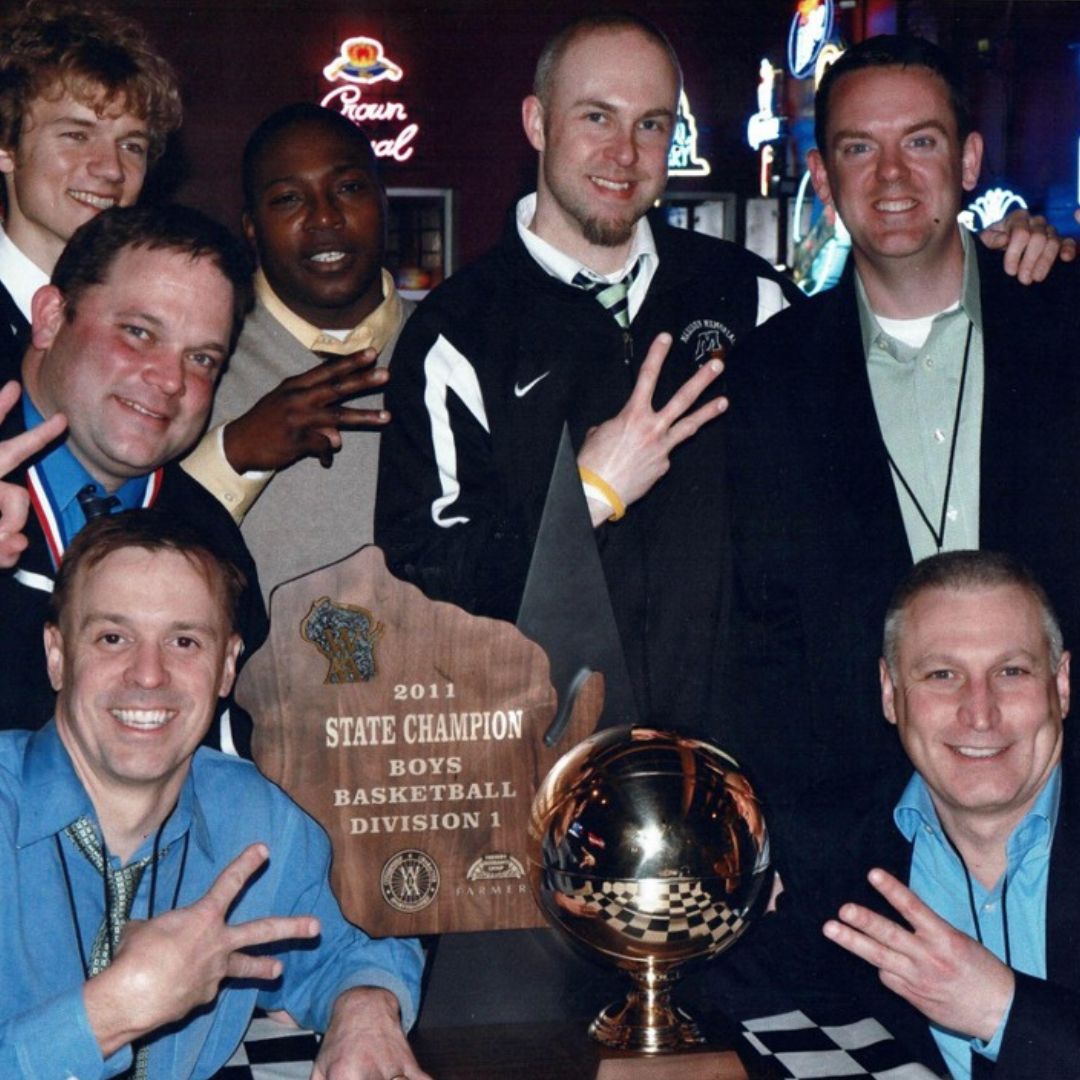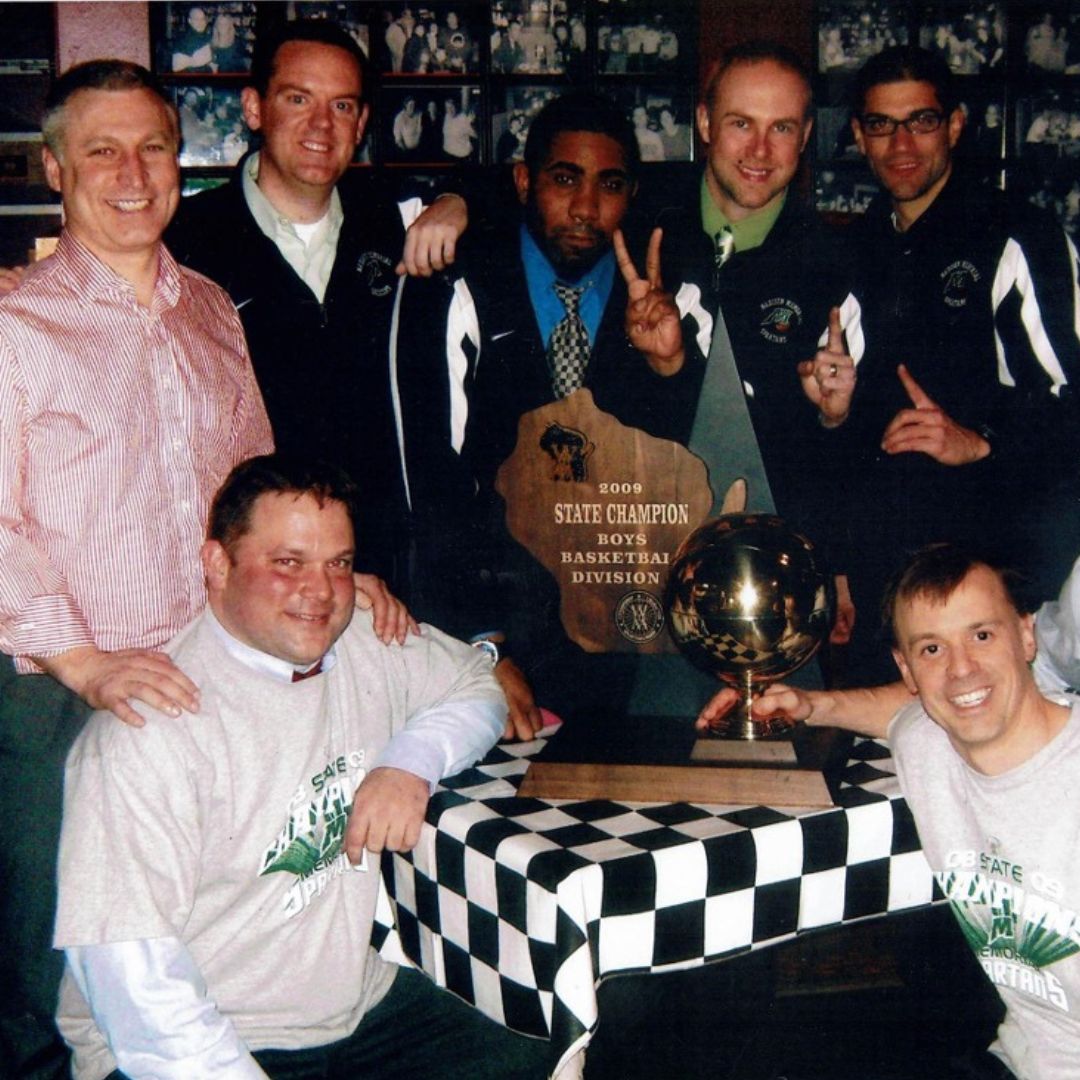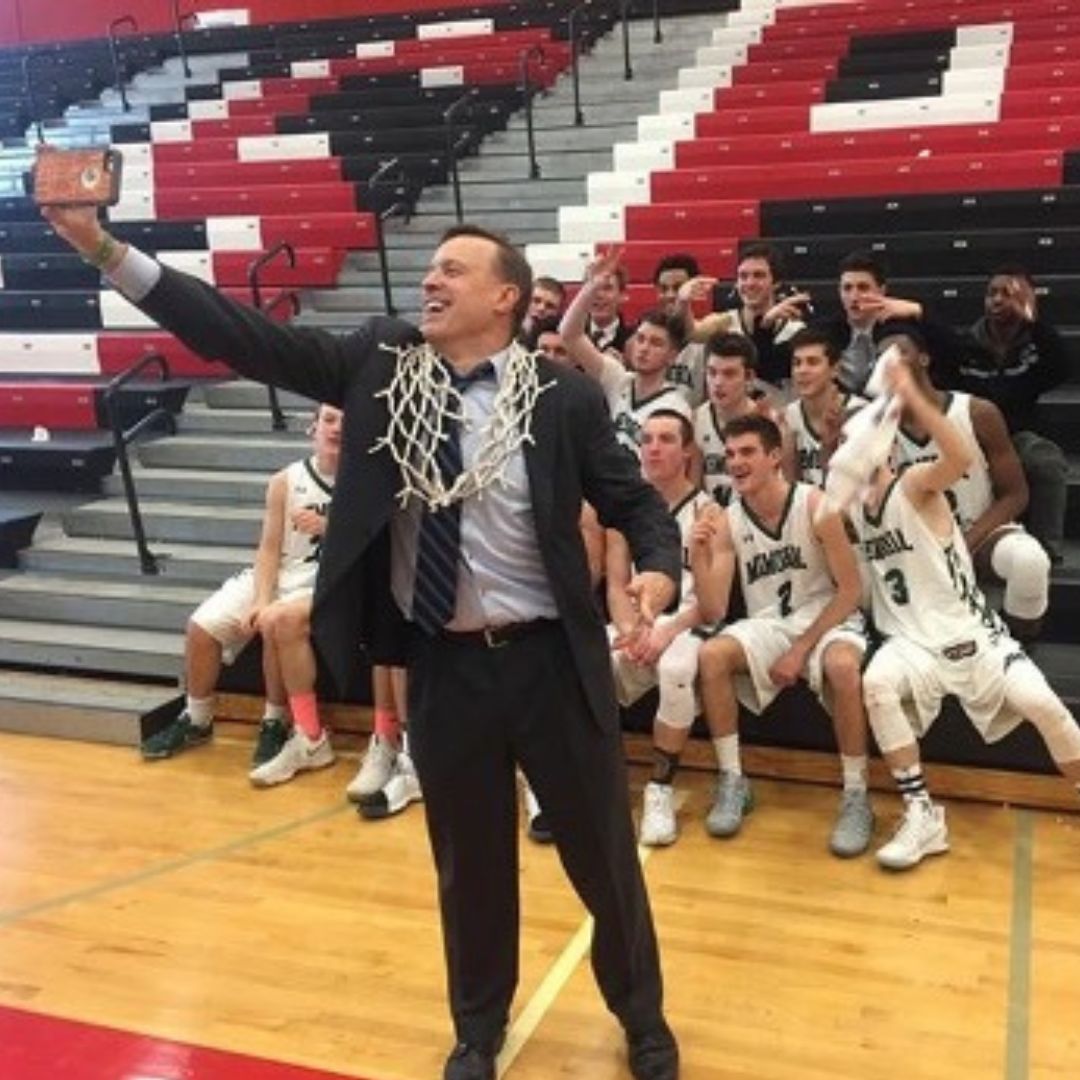
If you coach long enough, you’re going to run into this reality: winning doesn’t guarantee everyone will like you. That’s one of the biggest takeaways from the career of longtime Madison Memorial coach Steve Collins, who retired after nearly three decades of success, including over 500 wins and multiple state championship appearances. For youth basketball coaches, his story offers a powerful lens into what it really means to build a basketball coaching mindset that lasts.
1. Your Identity as a Coach Will Show Up Every Day
Coach Collins was described as intense, animated, and relentless on the sidelines. That wasn’t an act, it was who he was. Young players and coaches often think they need to “turn it on” during games. But the truth is:
Your team becomes a reflection of your habits, energy, and expectations.
If you’re:
- Organized → your team will be disciplined
- Competitive → your team will fight
- Inconsistent → your team will be unpredictable
The lesson: Don’t try to be someone else. Be consistent in who you are.
2. Winning Programs Are Built on Standards, Not Motivation
One of the most underrated details from Collins’ program was the emphasis on non-negotiables like being on time and showing respect. That’s not flashy, but it wins.
Too many youth coaches rely on:
- Pep talks
- Energy speeches
- Emotional highs
Instead, elite programs rely on:
- Daily standards
- Clear expectations
- Accountability
Motivation fades. Standards stay.
3. You Don’t Have to Be Liked, You Have to Be Respected
Collins openly acknowledged that he wasn’t universally loved in coaching circles. And yet, his teams kept winning. This is a tough pill for young coaches:
- Players won’t always like hard coaching
- Parents won’t always agree
- Other coaches will have opinions
But here’s the truth: Respect is greater than popularity.
If your players play hard, improve, and compete, you’re doing your job.
4. Innovation Matters Even at the Youth Level
Collins was ahead of the curve using analytics and statistics to teach shot selection. That’s a huge takeaway. You don’t need advanced software to apply this. You can teach:
- Good vs. bad shots
- Spacing concepts
- Decision-making
Smart basketball is learned early or not at all.
5. Longevity Comes from Consistency, Not Magic
28 seasons. 500+ wins. Conference dominance. That doesn’t happen because of one great team. It happens because of:
- Systems
- Culture
- Daily habits
The best youth coaches think long-term:
- “How will this look in 3 years?”
- “What are we building?”
Final Thought
Collins’ career proves something every youth coach needs to hear: If you’re doing it right, not everyone will agree with you.
But if your players grow, compete, and learn…You’re winning where it matters most.

Latest Posts
- 7 fundamentals of basketball every coach should teach
- Help side defense: 6 rules for teaching players where to be off the ball
- Closeout drill: How to teach players to close out without getting beat
- How do I start coaching basketball with no experience?
- First basketball practice: 7 ways to set the tone on day one