How to Create an AI Pregame Speech for Basketball Coaches
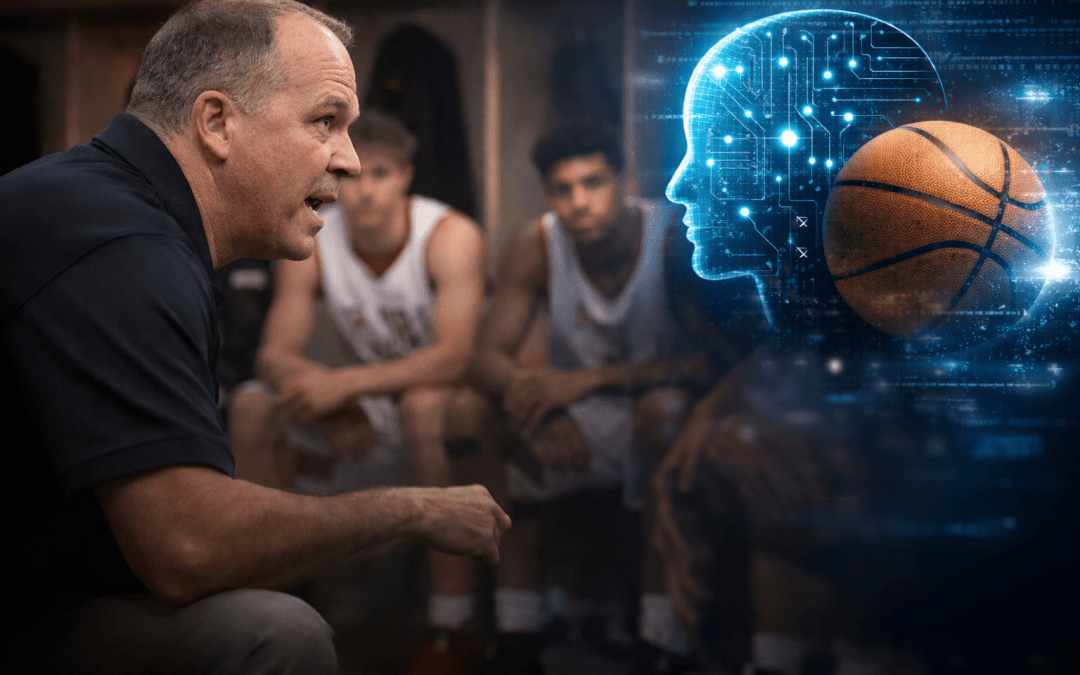
Most coaches have been there. You know exactly what you want your team to hear before tip-off, but finding the right words in a short window isn’t always easy. That’s where an AI pregame speech for basketball coaches can be a practical tool, not a gimmick. When used correctly, AI helps you organize your message, sharpen your focus, and deliver a clear, confident pregame talk without sounding scripted or forced.
This is exactly how I used AI to write a 60-second pregame speech centered on toughness, execution, and dictating the game, while keeping my own coaching voice intact.
Step 1: Start With Clarity, Not a Speech
The mistake most coaches make is asking AI to “write a motivational speech.” That’s how you get fluff. Instead, I started with clarity. I told the AI exactly what the speech needed to be about:
- Toughness
- Running our stuff
- Dictating pace and pressure
- Playing disciplined basketball
Think of AI like a young assistant coach. If you’re vague, you’ll get vague results. If you’re clear, you’ll get something useful.
Step 2: Use a Simple 6-Step Prompt Structure
To keep things clean, I used a six-part prompt that mirrors how coaches already think: task, role, context, requirements, boundaries, and purpose. Here’s the exact prompt structure I used.
TASK: Write a 60-second pregame locker room speech focused on toughness, execution, and dictating the game. The speech should be concise, impactful, and designed to be delivered immediately before tip-off.
ROLE: You are a Hall-of-Fame high school basketball coach speaking directly to your team in the locker room. Your voice is calm, confident, authoritative, and coach-to-player, not a motivational speaker.
CONTEXT: This pregame talk emphasizes being the tougher team, running our offensive system with discipline, and imposing defensive pressure. The goal is to dictate pace, physicality, and style of play rather than reacting to the opponent.
SPECIFIC REQUIREMENTS: The speech should be approximately 60 seconds when spoken aloud. Use short sentences and natural pauses. Keep the language simple and locker-room appropriate. Emphasize that toughness equals discipline, executing when it’s hard, pressuring without gambling, and a next-play mentality.
BOUNDARIES: Do not use clichés, cheesy motivational phrases, profanity, or yelling tone. Avoid long explanations or detailed play calls.
REASONING: The purpose is to create a message players can remember and repeat mentally during adversity.
This took less than two minutes to write, and it made all the difference
Join the TeachHoops Community
Building Better Basketball Coaches
- College Coaches: Elevate your knowledge with advanced strategies and insider tips.
- High School Coaches: Expand your playbook and get an exclusive look behind the scenes of a nationally recognized program.
- Youth Coaches: Master the fundamentals and teach the game with confidence.
Teaching Coaches Since 2011 | 14-Day Money-Back Guarantee
Join Now and Step into Enhanced Coaching
Step 3: Let AI Organize, Not Inspire
Once I ran that prompt, I didn’t expect magic. What I wanted was structure. AI helped me:
- Tighten my message
- Remove unnecessary words
- Keep the speech focused
- Make it easy to deliver naturally
The key is this: AI didn’t create my philosophy. It organized it.
Step 4: The Final 60-Second Pregame Speech
Here’s the final version that came out of that process, lightly edited to match my delivery style:
Fellas, bring it in.
Tonight is about toughness.
Not talk. Not talent. Toughness.Toughness means we’re disciplined.
We run our stuff with pace and purpose.
Hard cuts. Solid screens. Sprint into actions.
When it gets hard, we don’t go rogue, we get sharper.Defensively, we dictate.
We pressure the ball. We talk early.
We’re physical and smart.
No gambling. Just making everything uncomfortable.There will be adversity.
That’s when we show who we are.
Next play. Together.From the opening tip, we set the tone.
We impose our will.
We play our way for 32 minutes.Now let’s go be the tougher team.
That’s a speech I can deliver confidently, without notes, and without sounding scripted.
Why This Matters for Coaches
AI isn’t about shortcuts. It’s about clarity and efficiency. You still coach, still lead, still decide what matters.
AI just helps you say it better, faster, and with less stress on game day. If you can explain your philosophy to an assistant coach, you can use AI effectively.

Want to Go Further?
This is just one use case. Coaches inside TeachHoops are already using AI to:
- Create pregame, halftime, and postgame talks
- Build practice plans faster
- Write parent emails
- Develop scouting questions
- Create player development plans
If you’re curious how AI can actually help you coach, not distract you, that’s exactly what we cover inside TeachHoops. Because better preparation leads to better performance. And that starts long before the opening tip.
Latest Posts
- Shooting Basketball Drill: The M Drill for Better Game Shots
- Important Life Lessons from Basketball Coaching
- Basketball Coaching Staff: The 5 Types of Coaches Every Program Needs
- Basketball Warm-Up: A Fast, Focused Practice Routine for Coaches
- 3-point basketball shooting drill: Build stamina, range and late-game legs