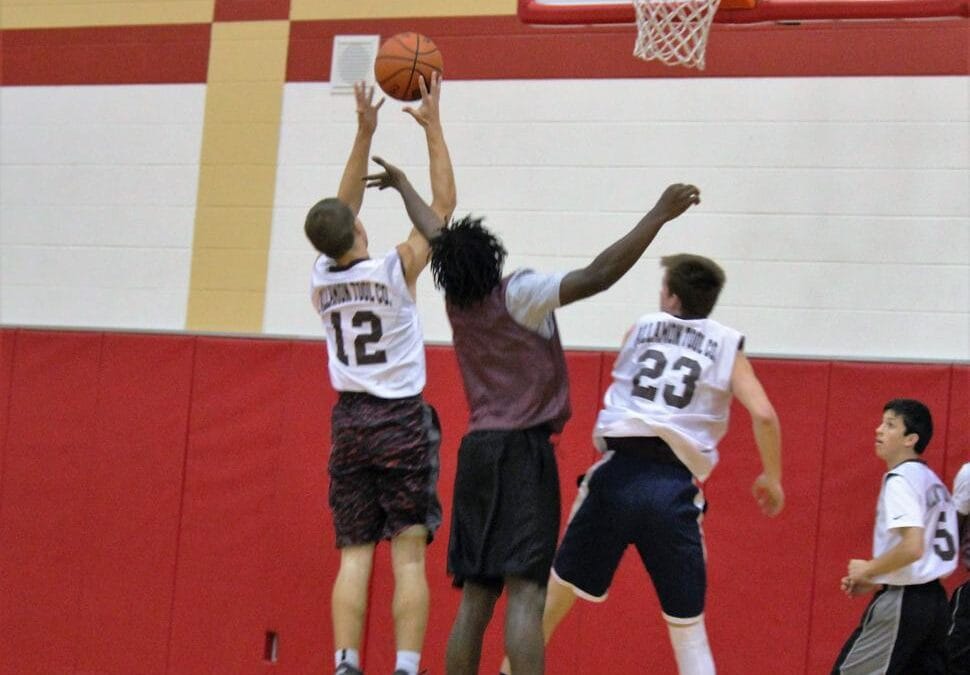
How to become a Great Rebounder: 5 rules every basketball player should know
You don’t have to be the tallest player on the floor to become a great rebounder. Rebounding rewards players who anticipate where the ball is going, initiate contact, understand positioning and consistently pursue missed shots. Those habits can turn an average player into someone a coach trusts for extra possessions, defensive stops and crucial plays around the basket.
For youth basketball players especially, rebounding offers one of the fastest ways to create value. Shooting percentages are relatively low at younger levels, which means missed shots create opportunity after opportunity. Players who learn where those misses are likely to go have a major advantage.
Rebounding creates opportunities
One of the first lessons players should understand is simple: most shots don’t go in. Even at the highest levels of basketball, teams miss plenty of attempts. Youth teams generally miss even more. Every missed shot creates another chance to secure possession, extend an offensive trip or prevent an opponent from getting a second opportunity.
For players searching for a role, rebounding can provide one quickly. A player who consistently chases the basketball, battles for position and finishes possessions becomes difficult for a coach to take off the floor. However, effort alone isn’t enough. Strong rebounders combine hustle with technique and anticipation.
1. Expect the shot to miss
Great rebounders don’t watch shots assuming they’ll fall through the net. They prepare for a miss. As soon as a teammate or opponent releases the basketball, rebounders should begin processing several things:
- Where was the shot taken?
- Where is my assignment?
- Which direction is the rebound likely to travel?
- Can I establish position before the ball reaches the rim?
This mindset creates an important head start. Players who wait until the ball hits the rim are reacting. Players who move as the shot goes up are anticipating. Coaches can reinforce this habit during shooting drills by requiring every player to pursue the rebound instead of standing and watching the result.
2. A Great Rebounder makes real contact on the box out
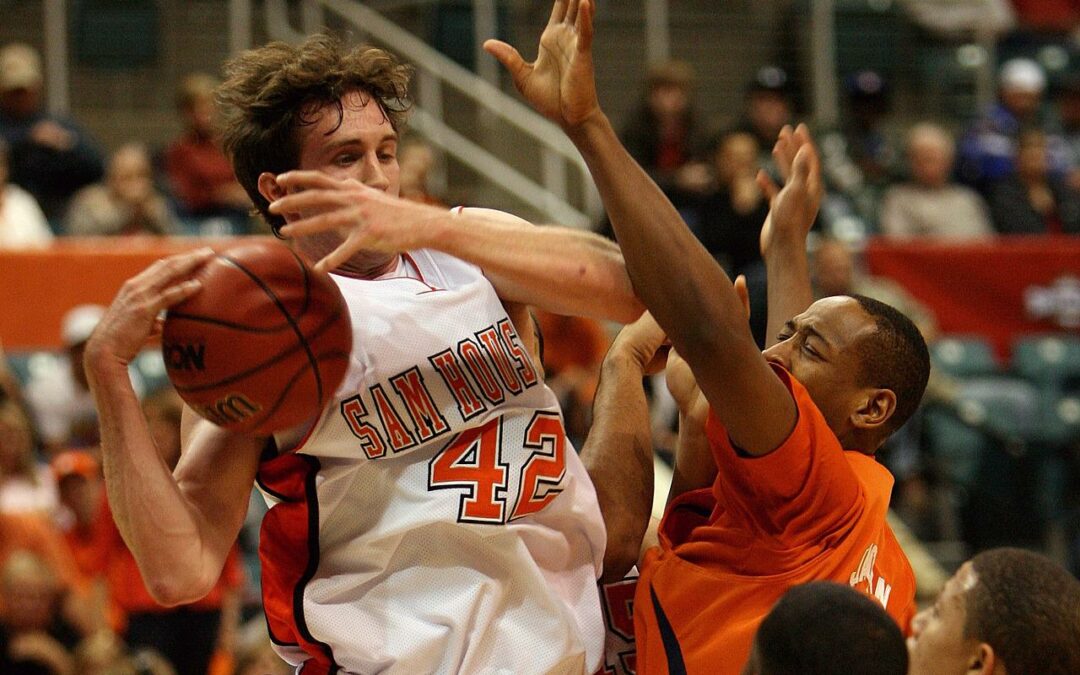
Simply standing between an opponent and the basket doesn’t complete a box out. Players need physical contact to control the opponent’s path. Depending on positioning, that contact might come through the hips, backside or forearm.
Once contact is established, the rebounder should create additional space by moving the opponent away from the ball. A strong defensive rebounding sequence looks something like this:
- Locate the offensive player.
- Make controlled contact.
- Establish inside position.
- Move the opponent away from the rebound.
- Find the basketball.
- Pursue it with two hands.
Young players frequently make the mistake of turning immediately toward the rim. When they do, an offensive player can slip around them and attack the glass. Instead, find the player first, then find the ball.
3. Win the battle with first contact
Rebounding often becomes a positioning contest before it becomes a jumping contest. The player who makes first contact can influence where the opponent moves. On defense, that means finding the offensive rebounder instead of waiting near the basket for contact to arrive. Get to the opponent first and steer the matchup away from the rebounding area.
Offensive rebounders can apply the same principle differently. Rather than allowing a defender to comfortably establish a box out, they should attack the space immediately. Possible techniques include:
- Spinning around the defender
- Swimming an arm over the defender
- Changing direction quickly
- Attacking an open rebounding lane
- Using legal contact to prevent the defender from controlling the matchup
Either way, passive players usually lose these battles. Rebounding favors players who initiate action.

4. Read the shot to predict the rebound
Where a shot originates can provide clues about where the rebound will land. Longer shots generally create longer rebounds. Meanwhile, attempts close to the basket tend to produce rebounds closer to the rim.
A simple rule players can learn is to expect the rebound to travel roughly half the distance of the original shot. For example, a shot taken from about 20 feet might produce a rebound roughly 10 feet away from the basket. It won’t happen perfectly on every possession, but the concept teaches players to adjust their rebounding position based on shot location.
This becomes especially important as players get older and more perimeter shots enter the offense. Guards shouldn’t automatically retreat when a three-pointer goes up. Likewise, post players shouldn’t assume every rebound will fall directly beneath the basket. Watch the shot. Read the angle. Move to the likely landing area.
5. Learn to anticipate weak-side rebounds
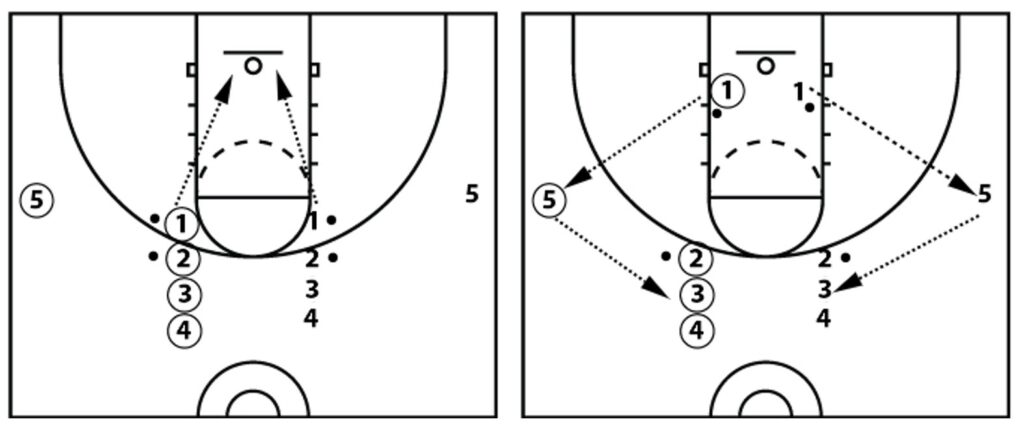
Another important rebounding principle involves shot direction. Rroughly 70% of missed shots travel toward the weak side of the floor. A shot from the left side, for example, will frequently rebound toward the right side at a similar angle. Once players understand this tendency, they can begin moving before the ball reaches the rim. Instead of chasing the rebound after the bounce, they position themselves where the rebound is likely to arrive.
Dennis Rodman became one of basketball’s most famous examples of this skill. His rebounding wasn’t simply a product of athleticism. He studied shots, angles and rotations so he could reach the right spot before many other players recognized where the ball was heading.
Young players don’t need Rodman’s instincts immediately (or his antics ever). However, they can start developing them by paying closer attention during every shooting drill.
What separates a great rebounder?
The best rebounders combine several skills at once. They aren’t merely jumping higher or playing harder. They’re processing the possession earlier than everyone around them.
A great rebounder consistently:
- Assumes the shot could miss
- Finds an opponent before finding the ball
- Makes first contact
- Creates space during the box out
- Reads the location of the shot
- Anticipates the likely rebound angle
- Pursues the basketball aggressively
- Secures the ball instead of tipping it unnecessarily
Eventually, those actions become habits. Instead of thinking through each step, experienced rebounders begin recognizing situations automatically.
How coaches can teach better rebounding habits
Rebounding instruction shouldn’t appear only during rebounding drills. Coaches can build these habits into regular practices by attaching rebounding responsibilities to shooting, defensive and small-sided drills. For example, coaches can require players to call out their assignment when a shot goes up. They can also award points for successful box outs, offensive rebounds or rebounds secured outside the expected landing area.
Another option is to pause a drill after a missed shot and ask players where they expected the rebound to go. These small adjustments encourage players to think about rebounding rather than treating it as something that happens after the “real” play ends.
Most importantly, coaches should praise the process. A player might execute a perfect box out without securing the rebound because the ball takes an unusual bounce. The technique still deserves recognition.
Rebounding can become a player’s competitive advantage
Every team needs players willing to handle the less glamorous parts of basketball. A player might struggle to create shots or handle the basketball under pressure, but strong rebounding can still earn minutes. One offensive rebound can create another scoring chance. One defensive rebound can finish a strong possession. Over the course of a game, those possessions pile up.
The five principles are straightforward:
- Expect shots to miss.
- Make real contact when boxing out.
- Initiate first contact.
- Expect long shots to create longer rebounds.
- Anticipate more misses moving toward the weak side.
Learning them doesn’t require a complicated system. Applying them consistently requires concentration, toughness and repetition. Teach players to read the shot, find a body and pursue the basketball, and they’ll start becoming more productive around the rim. More importantly, they’ll develop the instincts that can turn a willing rebounder into a great rebounder.

Latest Posts
- BLOB play: A simple elevator set with a layup counter
- 3 basketball practice mistakes that hurt player development
- Basketball practice plan: 7 ways to keep young players focused
- Basketball Practice Games work better when every player has a role
- Basketball individual workout: Build a quicker pull-up against pressure