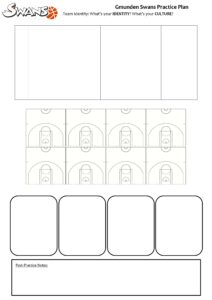
 A valuable practice plan lays out the exact avenues of attack a coach wants to explore. Especially early when youth
If you found this useful, don’t forget to check out additional blog posts at TeachHoops.com. Also, check out TeachHoops on Facebook, Twitter, Instagram and YouTube.
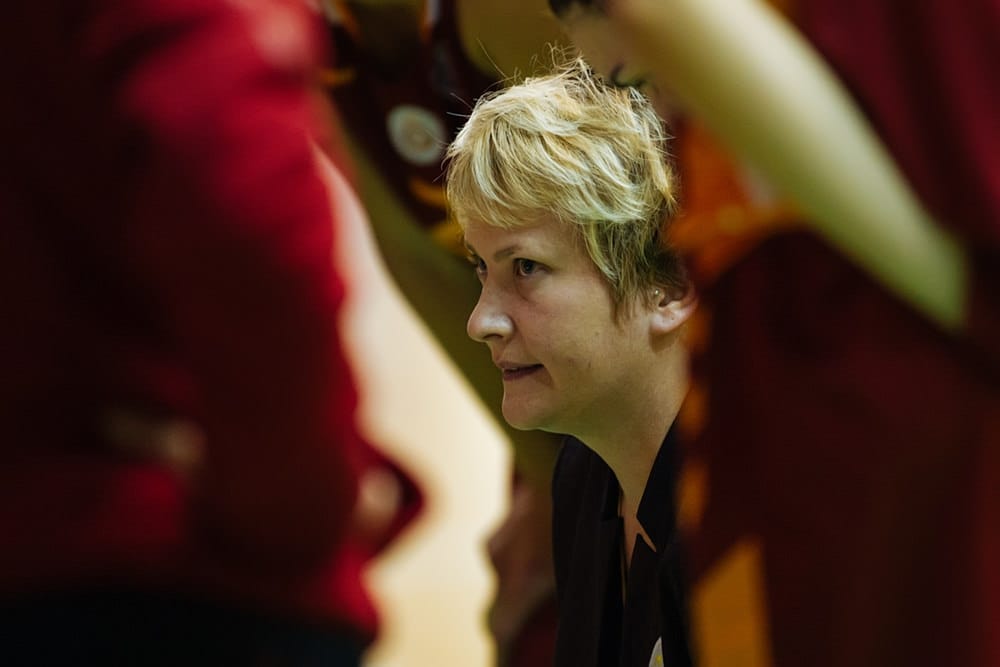
Youth Basketball Late Game Management
Late-game situations in youth basketball rarely fall apart because of talent. They fall apart because the moment speeds up. The gym gets loud, emotions spike, and players struggle to process too much information at once. Strong youth basketball late game management is not about drawing the perfect play on the whiteboard. It’s about preparation, clarity, and confidence. When players know what to expect and coaches communicate with purpose, execution improves when the pressure is highest.
Below are practical youth basketball late game management principles you can build into your program right away.
What to Say in a Timeout So Players Actually Hear It
Young players do not process long explanations late in games. Adrenaline is high and attention is limited. A simple structure works:
- Say the most important thing first
- Repeat it last
- Eliminate everything else
Pick one or two priorities. That might be the play call, clock awareness, or defensive responsibility. Avoid teaching. Avoid explaining why. Just tell them what to do.
If players leave the huddle knowing one clear action, the timeout was successful.
Use Quick Hitters That Work vs Man and Zone
Late-game defenses in youth basketball get unpredictable. Teams may switch from man to zone, trap suddenly, or scramble matchups on the fly. Instead of carrying multiple end-of-game plays, focus on one or two quick hitters that:
- Create spacing immediately
- Put players in familiar positions
- Offer more than one scoring option
The best late-game actions work against both man and zone because they rely on movement and spacing, not defensive labels. When players recognize the play call, their confidence rises instantly.
Practice Timeouts Like a Drill
Timeouts should not be improvised on game night. Build timeout reps into practice:
- Put one minute on the clock
- Call a timeout
- Draw the play quickly
- Break the huddle and execute immediately
This helps players learn how to refocus fast and helps coaches practice communicating under pressure. When the real moment arrives, it feels familiar instead of chaotic.
Join the TeachHoops Community
Building Better Basketball Coaches
- College Coaches: Elevate your knowledge with advanced strategies and insider tips.
- High School Coaches: Expand your playbook and get an exclusive look behind the scenes of a nationally recognized program.
- Youth Coaches: Master the fundamentals and teach the game with confidence.
Teaching Coaches Since 2011 | 14-Day Money-Back Guarantee
Join Now and Step into Enhanced Coaching
Prepare Visuals So You’re Not Rushing
Trying to draw a play quickly in a loud gym is harder than it looks, especially with younger players. Simple preparation helps:
- Pre-printed plays or diagrams
- Magnets labeled by position
- Assistants ready with the correct set before the huddle begins
Clear visuals reduce confusion and keep the focus on execution instead of explanation.
Give Assistants Clear Game-Management Roles
Youth basketball late game management works best when responsibilities are shared. Assign assistants specific tasks:
- Tracking timeouts
- Possession arrow
- Fouls to give
- Key matchups or shooters
Some staffs use hand signals or signs as players leave the huddle to reinforce key information. This prevents overload and allows the head coach to focus on decisions and adjustments.
Teach Players How to Identify Coverage Quickly
Defenses often disguise coverage late in games. Teaching players how to recognize it on the floor saves time and prevents mistakes. One simple method:
- Send a cutter through the lane early in the possession
- Watch how defenders react
Chasing usually indicates man. Passing cutters off usually indicates zone. This quick read helps players adjust spacing without burning a timeout.
Attack Traps Late Instead of Fearing Them
When teams trap late in youth basketball, it usually means they are desperate. That’s an advantage for the offense. Teach this mindset:
- Traps create numbers
- Numbers create opportunities
- Opportunities should be attacked
Reinforce spacing, cutting, and passing rules so players stay aggressive instead of panicking. Confidence against pressure comes from preparation.
Final Thought
Effective youth basketball late game management is built long before the final minute. It comes from simple communication, practiced routines, and trust in familiar actions.
When players know what to expect and coaches keep the message clear, the game slows down when it matters most. That’s when young teams execute instead of unraveling.
If you want more drills, practice ideas, or one-on-one support, or if you need help installing a shooting workout with your team, explore everything on TeachHoops.com. With a 14-day free trial, one-on-one mentoring, and a library of proven practice tools, it’s one of the best places for coaches who want to take the next step.
Latest Posts
- BLOB play: A simple elevator set with a layup counter
- 3 basketball practice mistakes that hurt player development
- Basketball practice plan: 7 ways to keep young players focused
- Basketball Practice Games work better when every player has a role
- Basketball individual workout: Build a quicker pull-up against pressure