If you found this useful, don’t forget to check out additional blog posts at TeachHoops.com. Also, check out TeachHoops on Facebook, Twitter, Instagram and YouTube.

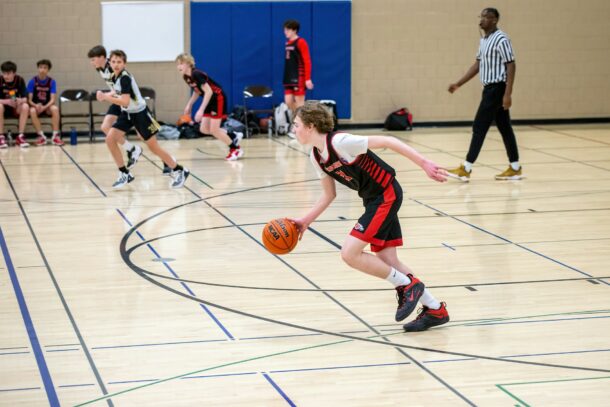
Attacking a 2-3 zone requires more than passing the ball around the perimeter and hoping an open 3-pointer appears. A productive zone offense creates movement, forces defenders to make decisions and finds gaps before the defense can settle into its normal rotations.
Coaches don’t need a complicated playbook to accomplish those goals. A few clear principles, including proper spacing, ball screens, high-post touches and strong offensive rebounding, can give players several reliable ways to break down a 2-3 zone.
One of the most common problems against a zone is the temptation to shoot too many 3-pointers.
Outside shots can certainly punish a defense, especially when the offense has capable shooters. However, a team shouldn’t build its entire approach around making contested jumpers. Teams that aren’t strong from behind the arc need other ways to create quality scoring opportunities.
Instead, the offense should use several simple actions. Players can screen the zone, cut behind defenders, flash into open areas and attack the paint off the dribble. Those movements create better shots while keeping the defense from becoming comfortable.
Variety also matters. Running the same action every possession allows defenders to anticipate where the ball is going. Using a small collection of connected actions makes the offense harder to read without overwhelming players.
The basic goal of attacking a zone is to make one defender guard two offensive players or two areas at once.
A 2-3 zone works best when every defender can remain inside an assigned area. Once the offense stretches those areas, screens a defender or overloads one side, someone must leave the standard rotation.
Every offensive action should create a question for the defense:
When defenders have clear answers, the zone stays organized. When two players hesitate or cover the same offensive threat, a scoring lane opens.
Ball screens can disrupt the top line of a 2-3 zone and force an unfamiliar rotation.
For example, place the ball on the wing and bring a high-post player up to screen the nearest top defender. The ballhandler can then attack toward the middle. Meanwhile, another offensive player spaces to the corner and the remaining guards maintain passing angles.
The second top defender must now make a choice. If the defender steps up to stop the drive, the ballhandler can kick the ball to an open teammate. If the defender stays home, the ballhandler may reach the paint or pull up for a short jumper.
The screener also creates another problem by rolling into the middle. A bottom defender or the center of the zone may have to step forward, which can free a player along the baseline.
This action works because most zone defenses spend more practice time preparing for passes and cuts than preparing for an on-ball screen. Screening the top defender takes the defense out of its usual pattern and creates a moment of uncertainty.
The high post is one of the most valuable areas against a 2-3 zone.
A player stationed near the free-throw line can catch, turn and see nearly every scoring option. From there, the player may have a short jumper, a high-low pass, a dump-down to the block or a kickout to a perimeter shooter.
Teams don’t always need a traditional post player in this position. A taller guard or versatile forward who can catch in traffic, make a 15-foot shot and pass under pressure may be a better fit.
Timing is critical. Players shouldn’t stand in the high post and wait for the ball. Instead, they should flash into the opening as the defense shifts. A well-timed flash allows the offensive player to arrive before the defender and receive the pass in rhythm.
Once the ball reaches the middle, the center of the zone must react. If that defender steps up, the low-post player may be open. If the defender stays near the rim, the high-post player can shoot or drive.

The middle defender often serves as the rim protector in a 2-3 zone. Many offenses allow that player to remain comfortable near the basket.
Coaches can change the matchup by screening, pinning or sealing the middle defender.
A strong interior seal can create a one-on-one post opportunity. Good spacing makes the action even more effective because the other zone defenders can’t help without leaving an outside shooter or short-corner player.
The offensive post can also seal as a teammate drives toward the lane. Instead of allowing the middle defender to step up and challenge the ball, the post player holds the defender in place. Even a brief seal may provide enough time for the driver to finish or make a simple pass.
Teams should make the middle defender work throughout the possession. Repeated screens, seals and high-low actions can wear down a player who usually spends much of the possession waiting near the rim.
An overload places more offensive players in one area than the zone can comfortably cover.
One useful alignment places a player on the wing, one in the corner, one at the high post and one near the low block. The fifth player remains on the opposite side as a reversal or skip-pass option.
This alignment resembles a chair, with players positioned along the sideline and through the middle of the floor. More importantly, it forces the defense to decide who will cover the high-post player.
Will the middle defender step up? Will the opposite top defender drop down? Will the low defender leave the block?
No matter which option the defense chooses, another area may become available. The offense must recognize the choice and move the ball before the zone recovers.
Continuity can help younger teams attack a zone without relying on a long list of set plays.
One approach uses a baseline runner who travels from corner to corner, occasionally stopping in the short corner. A post player moves from block to block while looking for seals and scoring angles.
As the ball moves from one wing to the other, the opposite wing flashes toward the high post. The player who passed or vacated the area can then flare back to the perimeter, helping stretch the defense.
The same flash can occur on a skip pass. As the ball travels over the zone, the opposite player cuts into the open space and tries to arrive before the rotating defender.
This movement keeps players from standing around the perimeter. It also provides clear rules that players can repeat:
Even middle school teams can run this type of continuity when the reads and responsibilities remain simple.
Zone offense depends on awareness as much as execution.
Players must learn to see where defenders are moving and cut into the space they leave behind. When a top defender shades toward the wing, an offensive player can flash behind the defender. When the zone overloads the ball side, the offense can use a skip pass. When the middle defender steps up, a post player can slide toward the rim.
Cuts should have a purpose. Random movement may clog the lane or bring an extra defender toward the ball. Smart movement stretches the zone horizontally and vertically.
Coaches can reinforce this habit with small-sided games. Place three or four offensive players against two or three zone defenders, then reward paint touches, high-post catches and passes to the short corner. These drills help players identify openings instead of memorizing spots.
Ball movement can shift a zone, but slow perimeter passing won’t create much pressure.
The offense should reverse the ball quickly enough to force long closeouts. Players must be ready to catch facing the basket, read the defense and make the next decision immediately.
When the defense prevents a normal reversal, the skip pass becomes an important counter. A firm pass from one wing to the opposite side can move the ball faster than the zone can rotate.
Players away from the ball shouldn’t watch the pass. The skip should trigger a flash, baseline cut or seal. Pairing ball movement with player movement makes the reversal much more dangerous.
Offensive rebounding is one of the most overlooked ways to score against a zone.
Man-to-man defenses usually give each player a clear boxout assignment. Zone defenders are responsible for areas, so locating a specific offensive player after the shot can be more difficult.
Longer jump shots also produce long rebounds. Players cutting from the weak side or moving along the baseline may have a clear path to the ball while defenders turn and search for someone to block out.
Coaches should assign rebounding responsibilities instead of sending everyone back on defense automatically. A post player, baseline runner and weak-side wing can often attack the glass while the remaining players protect against transition.
Strong offensive rebounding can turn a decent zone possession into two or three scoring chances.
A successful plan for attacking a 2-3 zone doesn’t need dozens of plays. It needs spacing, movement and a few actions that force defenders to make difficult choices.
Ball screens challenge the top line. High-post flashes attack the middle. Interior seals occupy the rim protector. Overloads stretch the defense while skip passes punish slow rotations. Finally, offensive rebounding creates extra possessions when the first shot misses.
Most importantly, players can’t become spectators. A zone wants the offense to stand, stare and settle. Consistent cutting, quick passing and purposeful pressure can keep the defense moving until a scoring opportunity appears.

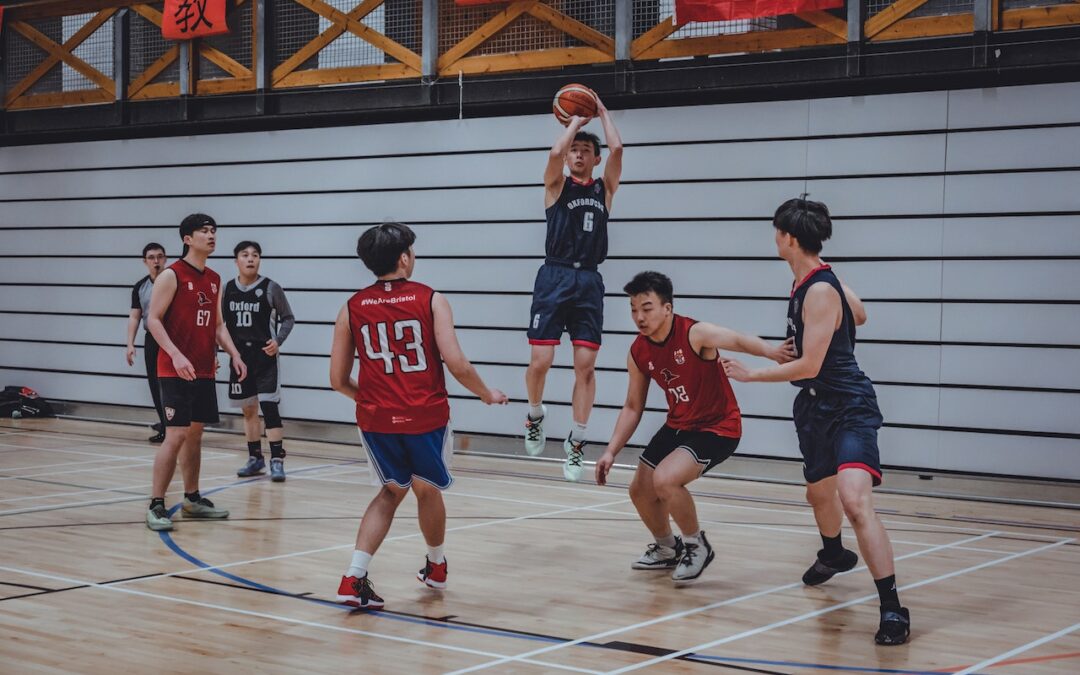
Coaching basketball at the youth level invariably involves dealing with zone defenses. The most common zone, 2-3, allows developing teams to hide certain players on the defensive end. It can also frustrate offenses to no end, especially if the offensive players tend to stick to their spots. So, as zones become more and more common even at the game’s highest levels, it’s integral that every coach knows exactly what they want to do when attacking a 2-3 zone. Using a continuity offense often helps.
One of the most common misconceptions to combating a good zone is the reliance on distance shooting. Teams might have a reliable zone-buster on their team, capable of consistently draining three-pointers. But the reality is most defenses would rather their opponent launch from deep rather than attack for higher percentage shots near the rim.
Continuity offense stands as one of the most valuable approaches to attacking a 2-3 zone. These plays and sets create a rhythm and offensive flow that allows the team to stress the opposing defense. Offensive players know where to go as each pass is made within the continuity. The constant flow forces the defense to adjust, not only to each pass but also to each cut.
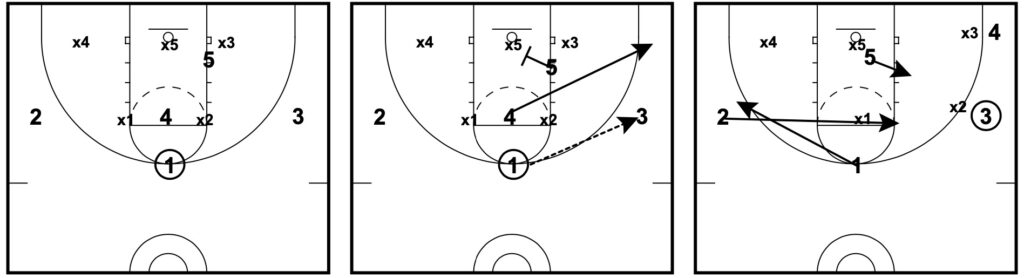
The set up for this continuity offense involves using a 1-3-1 counter to the 2-3 zone. 1 brings the ball down, with 2 and 3 on the wings. 4 occupies the high post, while 5 takes the low post. The initial action is a pass to either wing. 4 reads that initial pass, then cuts with the ball to that strong-side corner (or short corner).
From there, 5 presents as a low-post option and 2 cuts across from the opposite wing. 2 flashes to the open elbow area, while 1 makes a flare cut to the opposite wing. 3 reads the movement of the defense before making the next pass. If 2 doesn’t immediately receive the ball at the elbow, they lift to the top of the key.
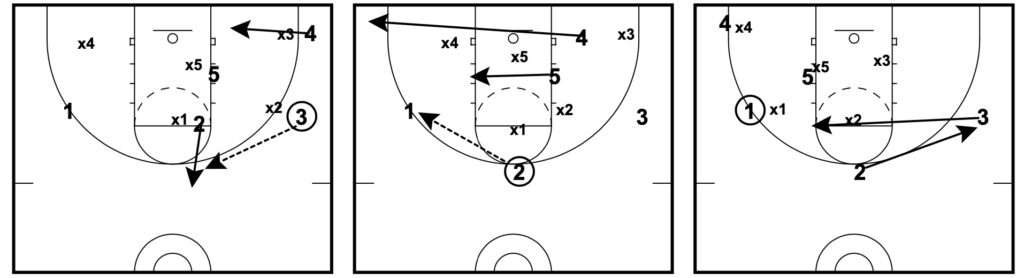
The continuous element of this continuity offense comes if the defense recovers through the initial movement. 3 gets the ball to 2, who reverses to 1. As the ball switches sides, both 4 and 5 cut to the new strong side of the offense. 4 makes the baseline cut behind the zone, while 5 flashes to the opposite low post.
As the ball reverses, 3 makes the cut across, flashing to the open elbow. 2 makes a flare cut to the opposite wing, away from the ball.
The first, and perhaps most important, key to attacking a 2-3 zone remains not settling for a three-point shot. Of course, if a three-pointer comes as a clean result of an offensive action, then by all means take it. But too often, teams settle for threes against zones because they can’t consistently pressure the paint. Approaching the zone with a one-pass-shot, or ball-reversal-shot, gets the defense off the hook.
Another key to combatting the zone is movement. Many times, the offensive players stand around and the zone shifts with each pass. The offense occupies set positions during the possession in hopes of finding an opening. The reality is, the openings won’t appear until more than just the ball moves. Accompanying a pass with a hard cut, filling the vacant spots, and forcing the defense to account for the movement stresses the rigidity of the zone.
A forgotten key against a zone defense is offensive rebounding. With defenders occupying designated areas instead of checking specific players, boxing out becomes problematic. Facing any zone creates lanes for offensive players to crash the boards on missed shots. The misses often result in scramble situations which could yield good scoring opportunities.
The final key to dealing with this defensive set up is learning how to screen the zone. While ball screens are typically staple counters against man-to-man defense, learning to screen the zone forces the defense to immediately adjust their alignment. If the defense doesn’t adjust, huge openings appear within the zone itself. Using a continuity offense helps.
A variation for this set could involve 5 cutting to the corner or short corner, then 4 cuts into the low post. This would be an option of the 4 and 5 are interchangeable on offense.
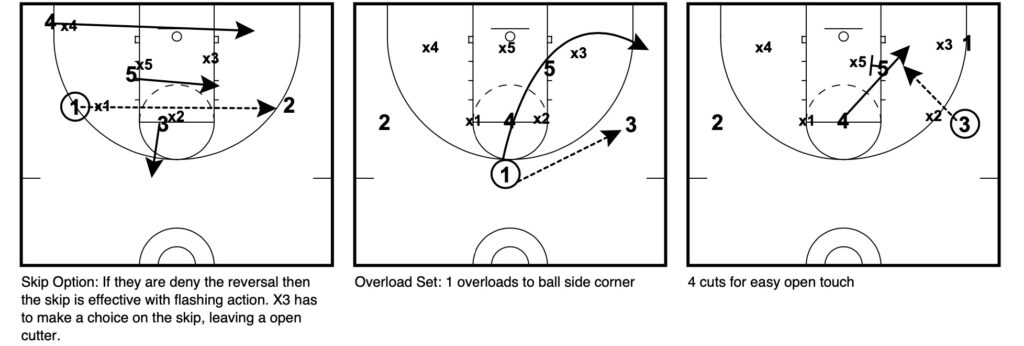
Another variation involves using a skip pass. If the defense overplays the elbow cut, or overplays the potential ball reversal at the top, the wing can use the skip pass to the opposite side. As that skip is happening, 4 and 5 make their cross cuts like normal.
A drawback to running continuity will always be the defense learning the cuts that are coming. Adding a slight variation to the progression might catch the defense off guard. Varying this continuity with an overload option should yield good looks.
In the overload, 1 makes the initial wing pass, but instead of cutting away, 1 cuts to the strong side corner. From there, 5 turns and screens the middle of the zone and 4 flashes to the open low post area. 2 can stay wide for a skip pass or cut up to the top of the key.
It’s key for the offensive players to be patient when attacking a 2-3 zone. Force the defense to adjust to each pass and cut before settling for a shot. The initial progression through the continuity might not yield openings, but as the offense moves, the defense must remained disciplined. If the defense is slow to adjust, the openings will be there.
Coaching basketball at the youth level invariably involves dealing with zone defenses. The most common zone, 2-3, allows developing teams to hide certain players on the defensive end. It can also frustrate offenses to no end, especially if the offensive players tend to stick to their spots. So, as zones become more and more common even at the game’s highest levels, it’s integral that every coach knows exactly what they want to do when attacking a 2-3 zone.
One of the most common misconceptions to combating a good zone is the reliance on distance shooting. Teams might have a reliable zone-buster on their team, capable of consistently draining three-pointers. But the reality is most defenses would rather their opponent launch from deep rather than attack for higher percentage shots near the rim.
The first, and perhaps most important, key to attacking a 2-3 zone remains not settling for a three-point shot. Of course, if a three-pointer comes as a clean result of an offensive action, then by all means take it. But too often, teams settle for threes against zones because they can’t consistently pressure the paint. Approaching the zone with a one-pass-shot, or ball-reversal-shot, gets the defense off the hook.
Another key to combatting the zone is movement. Many times, the offensive players stand around and the zone shifts with each pass. The offense occupies set positions during the possession in hopes of finding an opening. The reality is, the openings won’t appear until more than just the ball moves. Accompanying a pass with a hard cut, filling the vacant spots, and forcing the defense to account for the movement stresses the rigidity of the zone.
A forgotten key against a zone defense is offensive rebounding. With defenders occupying designated areas instead of checking specific players, boxing out becomes problematic. Facing any zone creates lanes for offensive players to crash the boards on missed shots. The misses often result in scramble situations which could yield good scoring opportunities.
The final key to dealing with this defensive set up is learning how to screen the zone. While ball screens are typically staple counters against man-to-man defense, learning to screen the zone forces the defense to immediately adjust their alignment. If the defense doesn’t adjust, huge openings appear within the zone itself.
Continuity offenses stand as one of the most valuable approaches to attacking a 2-3 zone. These plays and sets create a rhythm and offensive flow that allows the team to stress the opposing defense. Offensive players know where to go as each pass is made within the continuity. The constant flow forces the defense to adjust, not only to each pass but also to each cut.
The set up for this continuity involves using a 1-3-1 counter to the 2-3 zone. 1 brings the ball down, with 2 and 3 on the wings. 4 occupies the high post, while 5 takes the low post. The initial action is a pass to either wing. 4 reads that initial pass, then cuts with the ball to that strong-side corner (or short corner).
From there, 5 presents as a low-post option and 2 cuts across from the opposite wing. 2 flashes to the open elbow area, while 1 makes a flare cut to the opposite wing. 3 reads the movement of the defense before making the next pass. If 2 doesn’t immediately receive the ball at the elbow, they lift to the top of the key.
The continuous element of this continuity offense comes if the defense recovers through the initial movement. 3 gets the ball to 2, who reverses to 1. As the ball switches sides, both 4 and 5 cut to the new strong side of the offense. 4 makes the baseline cut behind the zone, while 5 flashes to the opposite low post.
As the ball reverses, 3 makes the cut across, flashing to the open elbow. 2 makes a flare cut to the opposite wing, away from the ball.
A variation for this set could involve 5 cutting to the corner or short corner, then 4 cuts into the low post. This would be an option of the 4 and 5 are interchangeable on offense.
Another variation involves using a skip pass. If the defense overplays the elbow cut, or overplays the potential ball reversal at the top, the wing can use the skip pass to the opposite side. As that skip is happening, 4 and 5 make their cross cuts like normal.
A drawback to running continuity will always be the defense learning the cuts that are coming. Adding a slight variation to the progression might catch the defense off guard. Varying this continuity with an overload option should yield good looks.
In the overload, 1 makes the initial wing pass, but instead of cutting away, 1 cuts to the strong side corner. From there, 5 turns and screens the middle of the zone and 4 flashes to the open low post area. 2 can stay wide for a skip pass or cut up to the top of the key.
It’s key for the offensive players to be patient when attacking a 2-3 zone. Force the defense to adjust to each pass and cut before settling for a shot. The initial progression through the continuity might not yield openings, but as the offense moves, the defense must remained disciplined. If the defense is slow to adjust, the openings will be there.
Ep: 117 Breaking and attacking a 2-3 Zone

If you found this useful, don’t forget to check out additional blog posts at TeachHoops.com. Also, check out TeachHoops on Facebook, Twitter, Instagram and YouTube.
Enter your email address to gain access to our FREE video series.