How to Build a Youth Basketball Defensive System That Works
Designing a youth basketball defensive system can feel overwhelming when you’re just starting out as a coach. The game moves quickly, kids learn at different speeds, and you don’t want to overload your players. But the truth is, having a clear, structured defensive system will help your team grow, compete, and, maybe most importantly, develop good habits for the long term.
I’ve been coaching for years, and I’ve learned that the best systems aren’t about being complicated: they’re about being clear, adaptable, and consistent. Here are some steps to help you design a defensive system that works for your youth basketball team.
1. Keep the Offense Simple and the Defense Smart
One of the most important lessons I ever learned is this: a simple offense paired with a smart defense wins games. Your players don’t need dozens of offensive sets at the youth level. Instead, focus on giving them a defensive system that teaches positioning, communication, and effort.
When players learn how to defend as a unit, they start to understand the game on a deeper level, and that’s what sets them apart as they move up.
2. Divide the Court Into Manageable Sections
A helpful way to teach defense is to break the court into “zones” or sections. For example:
- Full court (4) – Pressing or applying pressure the length of the floor.
- Three-quarter (3) – Picking up around the opposite free throw line.
- Half court (2) – Defending from midcourt back.
- Quarter court (1) – Protecting deep in the paint.
This type of system gives players a visual framework. When you say, “We’re in a 2,” they immediately know the area of responsibility. It speeds up processing time, which is huge for young players.
3. Use Colors, Numbers, or Simple Cues
Adding another layer of clarity helps your team remember assignments. For example:
- Red = Man-to-man defense.
- Blue = Zone with even fronts (like a 2–3 zone).
- Green = Zone with odd fronts (like a 1–3–1).
- Yellow = Combination defenses (box-and-one, triangle-and-two).
You don’t have to use colors. Numbers, mascots, or even school logos can work just as well. The point is to create a shared language your players will remember in the middle of a game.
4. Teach Clear Defensive Terminology
Kids need quick, simple words that tell them exactly what to do. A few examples I like:
- “On” or “Off” – Guarding the inbounder or not.
- “Up” – Apply full-court pressure.
- “Lock” – Total disruption of the ballhandler.
- “Hawk” – Face-guarding the point guard full-court.
These short, repeatable words stick with kids and reduce confusion when the game speeds up.
Join the TeachHoops Community
TeachHoops.com offers a unique platform for coaches to share experiences and gain new insights. Learn from others who have navigated similar challenges. It’s an invaluable resource for those looking to:
- Broaden perspectives
- Refine strategies
- Enhance their leadership and motivational skills
Step into Enhanced Coaching
Win the Season: Basketball Masterclass!

5. Build in Stages (4–6 Weeks)
Don’t expect your players to learn an entire defensive playbook overnight. It usually takes four to six weeks before a system feels natural. Start with man-to-man principles, then gradually layer in zones, presses, and combination defenses.
Think of your defensive system as a staircase. Each week you’re taking one step up, reinforcing what came before.
6. Use Program-Wide Consistency
If you’re coaching in a program with multiple age levels, try to align your youth basketball defensive system with the varsity coach’s terminology and philosophy.
When younger players learn the same language early, they’ll transition smoothly as they get older.
7. Adapt to Your Players
Every season, your system should bend to your team’s strengths. Some years, man-to-man may be your bread and butter. Other years, a full-court press might make more sense.
The important thing is flexibility. The best system is the one that matches the abilities of the kids you’re coaching right now.
Final Thoughts
Building a youth basketball defensive system isn’t about having the flashiest plays or most complicated schemes. It’s about giving your players structure, language, and habits they can carry with them as they grow.
Start simple. Be consistent. Teach with clarity. And most importantly, give your players the confidence to defend as a team. That’s the foundation of great basketball.
A Game-Changing AI Coaching Tool
A powerful new AI-driven coaching platform is set to launch later this summer, built specifically for youth basketball teams and families looking for smarter, faster feedback without spending hours breaking down film.
Here’s how it works:
Upload a short video clip or a simple stat sheet, and the tool instantly provides coaching insights, suggests next steps, and helps you make real-time adjustments. Whether you’re coaching a third-grade rec team or a middle school travel squad, it’s designed to meet you at your level.
The goal is simple: save time, reduce guesswork, and make the coaching process more efficient and effective. It’s being developed by people who understand youth basketball, practical tools for real coaches, not overcomplicated systems that slow you down.
Here’s where you can sign up for a sneak peek and early access.
Whether you’re new to the game or just trying to coach smarter, this platform could be a real game-changer for youth basketball development.
Latest Posts
- Basketball Workout Examples: A Simple 4-Minute Shooting Workout Players Can Track
- Youth Sports Schedule Changes Affect the Whole Family, Not Just Practice
- 4 Common Mistakes Youth Basketball Coaches Make and How to Avoid Them
- Why More Youth Sports Scheduling Apps Aren’t Solving the Real Problem
- 7 Youth Basketball Character Lessons Coaches Can Teach Beyond the Court

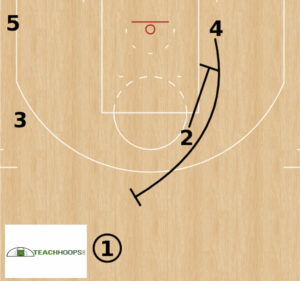 The vast majority of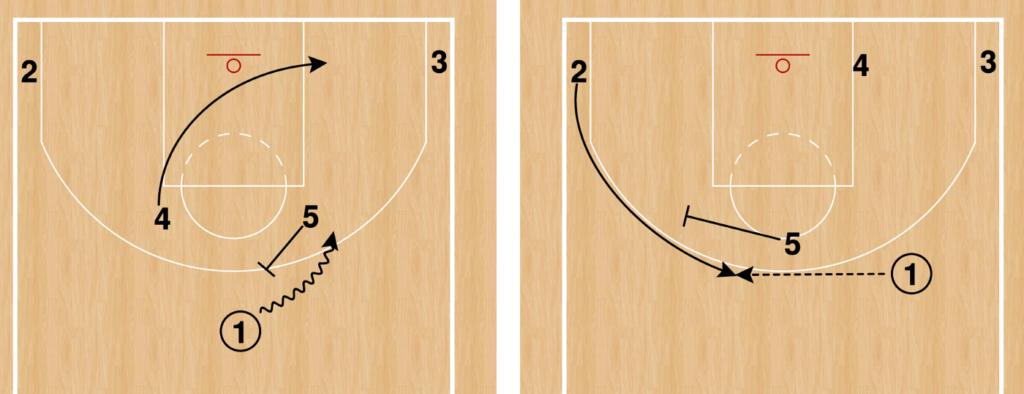
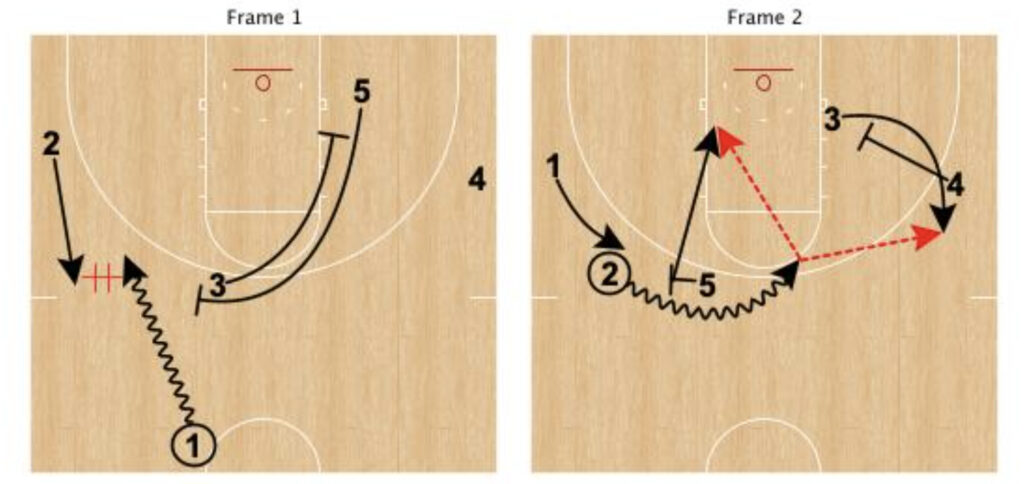
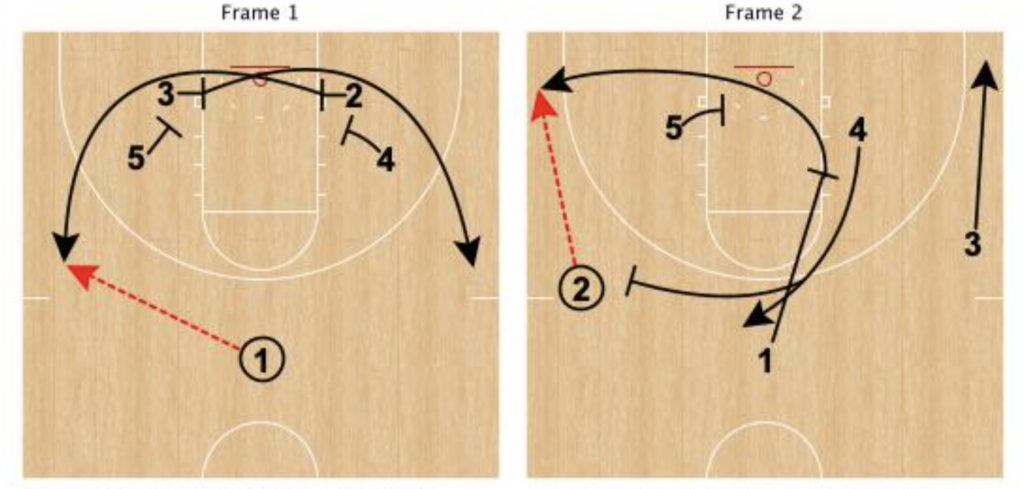
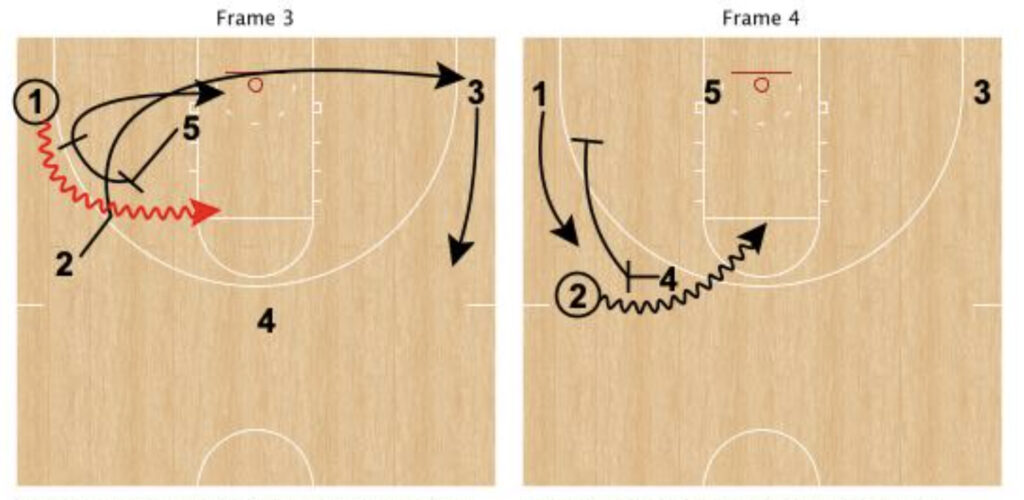
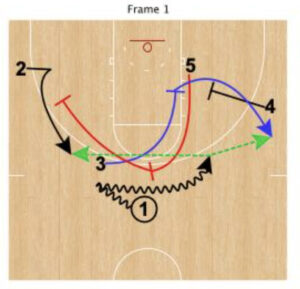 Ram and Veer use several actions to free up ball-handlers and create opportunities on offense. These actions can be particularly useful against overly aggressive defenses that like to blitz, hard hedge or trap screens.