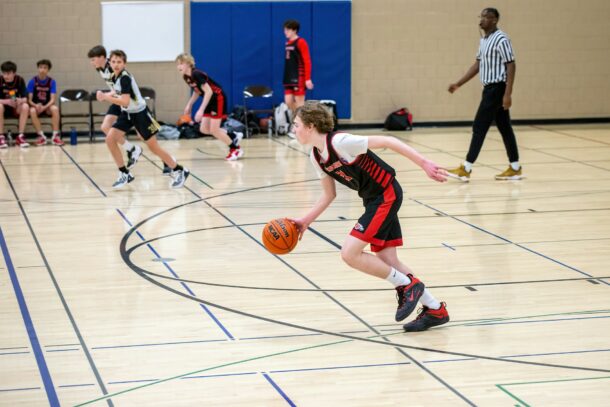
Coaching middle school basketball presents a unique set of challenges. It’s essential to strike a balance between teaching the game effectively and ensuring that the players have fun. This article explores the importance of simplifying youth basketball defense when coaching middle school basketball and the strategic choices coaches should consider.
Keep It Simple
When coaching seventh and eighth graders, one of the most crucial principles is to keep things simple. Overcomplicating the game can lead to disengagement and reduced buy-in from your players. Here are some key points to consider:
Minimize Verbal Instruction: If you find yourself talking throughout the entire practice, you might be doing it wrong. Instead, aim to teach a concept and immediately transition it into a practical drill or scrimmage.
Shorter Teaching Time: If you feel that you need an extensive amount of time to explain a concept, it’s likely too complex for this age group. Focus on breaking down the game into easily digestible parts.
Youth Basketball Defensive Strategies: Stick to One or Switch?
One important decision for middle school basketball coaches is whether to stick with one defensive strategy throughout the game or to switch it up. Here’s a closer look at this strategic choice:
Staying with One Defense: This approach is only advisable if your team is struggling to grasp multiple defensive strategies. If they can’t handle more than one or two, it’s essential to meet your players at their current skill level.
Switching Defenses: Alternating between different defensive strategies during a game can create confusion and challenges for the opposing team’s offense. However, this tactic requires that your players have a strong understanding of these strategies and can switch seamlessly during gameplay.
Conclusion
Coaching middle school basketball is about finding the right balance between skill development and fun. By simplifying your approach to youth basketball defense and considering the defensive strategies that best suits your team, you can create an engaging and educational experience for your players. Remember, the goal is to help them grow as basketball players and have a great time doing it.
If you’re looking for more coaching resources and support, be sure to check out teatroops.com(https://www.teatroops.com). It’s a valuable resource for coaches aiming to enhance their coaching skills and take their teams to the next level. Subscribe and like the video if you found this information helpful and informative.
If you coach a K-8th grade team, we have hundreds of resources. All laid out in an easy-to-follow, step-by-step system to save you time and money. Check out coachingyouthhoops.com today!
If you’re a basketball coach striving to improve your team’s defensive prowess, the Pack Line Defense may be the strategy you’re looking for. In this article, we’ll delve into the key aspects of the defense, discuss a helpful drill to hone your team’s skills, and explore its pros and cons. Let’s get started on the path to becoming a better basketball coach.
The Pack Line Defense Philosophy
The Pack Line Defense is a well-regarded defensive strategy known for its ability to congest the paint, clog up the middle, and make it challenging for the opposing team to score easy layups. Here are the essentials of this defensive approach:
Closeouts and Help Defense: Closeouts and help defense are two fundamental components of the Pack Line Defense. Mastering these elements is crucial for success in this strategy.
The Help Defense Drill
One effective way to train your players in the art of help defense within this defense is by utilizing a specific drill. Here’s a breakdown of the drill:
Setup: Divide the players into four offensive players positioned on the arc and four defensive players forming a circle around the center of the free-throw line.
Execution: The offensive players pass the ball around in a circle, and when the coach hands the ball to one of them, the game is in play. The player with the ball attempts to drive hard to the basket, likely getting past the initial defender.
Help Defense: When the offensive player beats their initial defender, the key to success in this drill is the help defense. The player behind the beaten defender needs to step up and provide the crucial help defense.
Rotation: This drill encourages constant movement, unexpected scenarios, and ever-changing matchups. Players must adapt to different situations, making it a dynamic learning experience.
Communication: The drill also fosters communication among players. With frequent rotations and changing defensive assignments, players need to communicate effectively, ensuring no one is left unaccounted for.
Pros of the Pack Line Defense
The Pack Line Defense offers several advantages:
Paint Congestion: The Pack Line Defense excels at congesting the paint, making it difficult for the opposing team to score inside. This strategy is particularly useful if your team is undersized or undermatched.
Leveling the Playing Field: It can equalize the game, even if your team is facing a more talented opponent. By forcing the opposition to rely on three-point shooting, it challenges them to play outside their comfort zone.
Cons of the Pack Line Defense
Despite its merits, the Pack Line Defense comes with its own set of challenges:
Communication: Effective communication is essential. Without it, your team may leave offensive players unguarded, creating opportunities for the opposition.
Speed Requirement: The Pack Line Defense demands speed and quick reactions. If your team lacks the necessary speed, opponents might exploit gaps and take advantage of your inability to provide adequate help defense.
Conclusion
The Pack Line Defense is a potent strategy for basketball coaches, especially those looking to fortify their team’s defense and level the playing field against stronger opponents. By mastering closeouts, help defense, and effective communication, you can unlock the full potential of this defensive approach. However, remember that this strategy is not without its challenges, particularly regarding speed and communication. With dedication and practice, you can become a more effective basketball coach and help your team reach new heights on the court.
If you coach a K-8th grade team, we have hundreds of resources. All laid out in an easy-to-follow, step-by-step system to save you time and money. Check out coachingyouthhoops.com today!
In the world of sports, leadership is a critical component of success. Coaches often rely on team captains to provide leadership, but are leaders and captains one and the same? This article explores the distinction between leaders and captains in sports and why recognizing this difference is essential for building successful teams.
Captains vs. Leaders
Captain: A Title and Position
A captain is typically someone who holds an official title within a team. This title may involve wearing a special badge or letter on their shirt, signifying their leadership role.
In professional sports, the captaincy is often a highly visible and prestigious role, but it can be present at various levels of competition.
Leader: An Influential Figure
A leader, on the other hand, is someone who possesses the ability to influence and make a difference within the team.
Leaders are not limited by official titles or positions; their impact is felt through their actions, communication, and the respect they earn from their peers.
The Ideal Scenario: Captains as Leaders
In an ideal scenario, the team captain should also be a leader. This means that they not only carry the title but also wield a significant influence within the team. However, this alignment does not always occur naturally, and recognizing this gap is crucial for coaches.
A Coach’s Role in Developing Leaders
Building leaders on a team, particularly in youth or high school sports, requires a proactive approach. Here’s how coaches can contribute to this process:
Consistent Conversations: Engage in ongoing conversations with potential leaders. These discussions should occur before, during, and after the season, focusing on their growth as leaders.
Teaching Moments: Provide specific feedback and guidance when leadership opportunities arise. Even if the impact is not immediate, it can lead to growth over time.
Leadership in Action: Encourage potential leaders to take the lead in various situations, gradually increasing their responsibilities and visibility within the team.
The Pressure of Leadership
Leadership often shines brightest in high-pressure situations. When a team faces adversity or requires a motivational boost, leaders step up. Therefore, preparing potential leaders for these moments is a coach’s responsibility.
Leadership Beyond Sports
The distinction between leaders and those with titles extends beyond the realm of sports. In education, business, and various other fields, having a position or title does not automatically make one a leader. True leadership is about influence, respect, and the ability to guide and inspire others.
Identifying Tone Setters
In sports and in life, it’s essential to identify tone setters, those who may not hold official titles but have a significant influence on the group. Coaches should seek out these individuals and nurture their leadership potential.
The Evolution of a Coach
Coaching evolves over time. In the early stages, coaches may be preoccupied with X’s and O’s and the logistical aspects of the game. However, as experience grows, the focus often shifts to team culture and leadership development.
Captain Selection
Captain selection is a crucial process for any team. It involves identifying individuals who not only have the title but also possess the qualities of leadership. This selection process is a critical step in shaping the team’s culture and success.
Conclusion
In the world of sports and in many other areas of life, leaders and those with titles are not always the same. Recognizing the difference between captains and leaders is essential for building successful teams and organizations. Coaches play a pivotal role in developing leaders, fostering a culture of leadership, and selecting captains who can inspire and influence their teammates.
If you coach a K-8th grade team, we have hundreds of resources. All laid out in an easy-to-follow, step-by-step system to save you time and money. Check out coachingyouthhoops.com today!
Welcome to this discussion on the crucial role that pre-season conditioning plays in high school basketball. Conditioning is a topic that often gets overlooked, but it can make a significant difference in a team’s performance throughout the season. In this article, we will explore the various aspects of preseason conditioning and how it can impact a high school basketball team’s success.
The Unique Demands of Basketball Conditioning
Basketball conditioning is distinct from other sports. It involves quick bursts of energy, sprinting, and rapid changes in direction. Unlike sports like football or soccer, basketball players don’t have the luxury of extended breaks during a game. They need to be in peak physical condition to perform at their best.
Preseason Conditioning Programs
School-Wide Conditioning
Many high schools have school-wide conditioning programs that benefit non-fall athletes. These programs are designed to prepare students for their respective sports seasons. However, as a basketball coach, it’s important to ensure that your players are getting the specific conditioning they need for basketball.
Morning Conditioning
Some schools implement morning conditioning sessions. These sessions can involve running, agility drills, and other basketball-specific exercises to improve endurance and stamina.
Additional Conditioning
Coaches often need to supplement school-wide conditioning with basketball-specific exercises. These drills should focus on the rapid, high-intensity movements that are characteristic of basketball.
The Challenge of Balancing Conditioning and Practice
Balancing the need for conditioning with practice time can be challenging, especially as the basketball season gets underway. Coaches need to strike a balance between ensuring their players are in top physical shape and providing enough time for skill development and team strategies.
Incorporating Conditioning into Practice
To address this challenge, coaches can incorporate conditioning into their regular practice routines. These can include:
Basketball-Integrated Conditioning: Incorporate basketball skills into conditioning drills. For example, dribbling while running or full-court shooting drills can help players improve their skills while conditioning.
Competitive Conditioning: Make conditioning drills competitive. Set performance goals or challenges for your players during conditioning exercises. This can motivate them to push themselves harder and simulate game-like situations.
Two-Ball Dribbling: Two-ball dribbling drills not only improve ball-handling skills but also help condition players. These drills engage both hands simultaneously and can be integrated into practice routines.
The Importance of Preseason Conditioning
Well-conditioned teams tend to have more success early in the season. Proper conditioning can lead to better shooting accuracy, improved ball-handling, and reduced fouls. Coaches should emphasize this point during pre-season meetings to instill the importance of conditioning in their players’ minds.
Conclusion
In high school basketball, preseason conditioning is a fundamental element of success. It prepares players for the unique demands of the sport, ensures they are in peak physical condition, and can make a significant difference in the early part of the season. Coaches should balance conditioning with practice, integrate basketball-specific exercises, and emphasize the importance of early conditioning to set their teams up for success.
Remember, well-conditioned athletes tend to perform better and are more likely to reach their full potential on the basketball court. So, whether you’re a coach or a player, embrace the conditioning process and watch how it elevates your game.
If you coach a K-8th grade team, we have hundreds of resources. All laid out in an easy-to-follow, step-by-step system to save you time and money. Check out coachingyouthhoops.com today!
Coaching basketball is a dynamic and complex task that requires a combination of skills, strategies, and effective training methods. Moreover, one crucial aspect of improving a basketball team’s performance is mastering the art of one-on-one drills. These drills not only help players develop their individual skills but also enhance their ability to perform under pressure. In this article, we’ll explore various one-on-one basketball drills that can be utilized to train players at different levels.
The Power of One-on-One Drills
One-on-one drills are essential for teaching the game of basketball because they focus on individual skills and decision-making. Furthermore, these drills can be adapted to suit the age and skill level of the players, making them a versatile tool in a coach’s arsenal. They encourage players to think on their feet, improve their ball-handling, and develop the ability to score in challenging situations.
Drill 1: Spin Back (Curl Back) One-on-One
In this drill, two players start under the basket.
To begin with, the offensive player jogs to about the three-point line and spins the ball back to themselves.
After gathering the ball, the offensive player gets one dribble to make a move and take a shot.
This game is played one-on-one.
Variations
For younger players, consider allowing more dribbles. Moreover, you can limit shots to inside the three-point line or in the paint, or encourage the use of the non-dominant hand.
Drill 2: Post Moves One-on-One
Designed for post players, such as centers or power forwards, this drill starts with the offensive player at the top of the key.
Importantly, there are no dribbles allowed in this drill.
The offensive player must use their post moves to score.
Variations
Allow one or two dribbles for added challenge. Additionally, restrict players to specific post moves or hand preference.
Drill 3: Sideline One-on-One
In this exercise, players start on the sideline with their non-dominant hand touching the sideline.
The offensive player decides which way to go and must reach the ball first.
The first player to reach the ball goes on offense, making it a great conditioning and fast movement drill.
Drill 4: Half Court One-on-One
Here, one player stands near the basket with the ball, and the other player is at half court.
The player with the ball initiates the game by passing to the other player.
The offensive player has four dribbles to score while the defender tries to stop them.
Variations
Adjust the number of dribbles based on the players’ age and skill level.
Drill 5: Three-Quarter Court One-on-One
The offensive player has unlimited dribbles to score on the far basket, but they must score within five seconds.
This instills a sense of urgency, mimicking fast breaks.
Variations
Encourage players to take jump shots and not give up easy layups.
Conclusion
In conclusion, one-on-one drills are invaluable tools for basketball coaches looking to develop their players’ individual skills, decision-making, and ability to handle pressure situations. Furthermore, these drills can be customized to suit players of all ages and skill levels, making them versatile and effective for improving performance on the court.
By incorporating these one-on-one drills into your training regimen, you can empower your team to become better basketball players and enhance your chances of winning more games. So, get out there, practice these drills, and watch your team’s skills soar to new heights.
If you coach a K-8th grade team, we have hundreds of resources. All laid out in an easy-to-follow, step-by-step system to save you time and money. Check out coachingyouthhoops.com today!
When it comes to coaching youth basketball, one of the most critical decisions you’ll make is choosing the right defensive strategy for your team. In this article, we will discuss the importance of tailoring your defense to your team’s strengths and abilities, rather than trying to force your players into a one-size-fits-all defensive scheme.
The Pitfall of Trying to Fit a Youth Basketball Team into a Defense
In the world of basketball coaching, it’s not uncommon for coaches, especially those new to the game, to make the mistake of picking a defensive strategy first and then attempting to fit their team into it. This approach rarely leads to success.
When you force your players into a defensive system that doesn’t suit their skills and abilities, it’s a recipe for failure. Your team may struggle, and your players may become frustrated, making it difficult to achieve your goals.
Analyze Your Team’s Abilities
The first step in selecting the right defense for your team is to thoroughly analyze your players’ abilities and strengths. Take a close look at the skills and attributes that make your team unique. Here are a few examples of how to assess your team:
Size and Strength: Consider whether you have dominant big players, quick and agile guards, or a mix of both.
Aggressiveness: Evaluate how aggressive your team is. Are they known for their tenacity on the court?
Skill Sets: Take stock of the specific skills your players possess, such as shot-blocking, steals, or perimeter defense.
Tailoring Your Defense to Your Team
Once you’ve conducted a comprehensive analysis of your team, the next step is to choose a defensive strategy that complements their strengths. Here are a few examples of how to match your team’s abilities with the right defensive system:
The 1-3-1 Zone Defense: If you have a dominant big player, the 1-3-1 zone defense can be an excellent choice. This system places your big player in a pivotal role, making it challenging for opponents to attack the basket.
The Pack Line Defense: If your team is quick, undersized, but highly aggressive, the pack line defense is a strong option. This system focuses on protecting the paint and can be very effective with players who can apply constant pressure on the ball.
The 3-2 Zone Defense: When you have three solid and aggressive guards, the 3-2 zone defense is a good choice. This system allows your guards to disrupt passing lanes and create turnovers, capitalizing on their skills.
The Key to Success
In conclusion, the key to success in basketball coaching is to tailor your defense to your team’s abilities rather than trying to fit your team into a pre-determined system. Understanding your players’ strengths and weaknesses and selecting a defense that complements those attributes is the path to achieving optimal results on the court.
As a coach, take the time to analyze your team thoroughly, and remember that the right defense can maximize what your players can do. With the right strategy in place, you can increase your team’s chances of success on the basketball court.
If you coach a K-8th grade team, we have hundreds of resources. All laid out in an easy-to-follow, step-by-step system to save you time and money. Check out coachingyouthhoops.com today!
Leadership is a fundamental aspect of success in basketball, whether you’re a player or a coach. In this article, we’ll delve into the key traits that make exceptional leaders in the world of basketball. These traits are essential for building strong, cohesive teams and achieving success on the court. Let’s explore each of them in detail.
1. Work Ethic
Exceptional leaders in basketball must lead by example and be among the hardest workers on the team. They set the tone for dedication and effort, inspiring their teammates to follow suit.
2. Building Trust
Trust is crucial in any team sport. Coaches must trust their players, and players must trust each other. Without trust, a team’s performance can suffer. Exceptional leaders instill trust in their teammates and coaches, ensuring everyone’s confidence in their abilities.
3. We-First Mindset
Effective leaders understand that true leadership starts with putting the team first. They prioritize the collective goals over personal achievements, fostering unity and cooperation among team members.
4. Competitive Spirit
Exceptional leaders have an insatiable drive to win. They bring a competitive edge to every practice and game, motivating their teammates to strive for victory. Their passion for winning is infectious.
5. Being Connectors
Leaders in basketball are not exclusive; they include and connect with every team member. This inclusivity is vital for team cohesion. Even the least experienced player should feel valued and connected to the team’s goals.
6. Buying into the Culture
Leaders must fully embrace the team’s culture and values. They act as gatekeepers, upholding the standards and principles set by the coach. This alignment with the team’s culture is vital for success.
7. Holding Others Accountable
Holding teammates accountable is one of the most challenging aspects of leadership, particularly in high school or junior high. Exceptional leaders do this by setting high standards and offering constructive feedback, helping their teammates grow.
8. The Ability to Inspire
At the pinnacle of leadership is the power to inspire. Great leaders inspire their teammates to achieve greatness. They elevate the performance of those around them, much like the magic Johnsons who make their teammates better.
Conclusion
In basketball, player-led teams are often the most successful. These exceptional leaders exemplify the key traits discussed in this article, fostering a culture of excellence and teamwork. Coaches and players should work together to develop and nurture these traits, with the goal of creating a winning and cohesive team. Leadership in basketball isn’t just about individual skill; it’s about uniting a group to achieve their shared goals.
If you coach a K-8th grade team, we have hundreds of resources. All laid out in an easy-to-follow, step-by-step system to save you time and money. Check out coachingyouthhoops.com today!
All of us, whether on the sidelines or right on the court, love a good challenge. Challenges keep us motivated, push us to improve, and help us set and achieve new goals. In the world of basketball, challenges can come in various forms – defensive challenges, team challenges, and of course, the ever-exciting shooting challenge.
Today, we’re diving deep into the world of shooting challenges and how they can transform not just your shooting skills but your entire game. The highlight of today’s discussion is the incredible 3-6-9-12-15 shooting drill, a favorite of Arkansas women’s basketball coach Mike Neighbors. This drill is not just about putting up shots; it’s about pushing your limits, both physically and mentally. With each round, you’ll take more shots, move across the court, and test your accuracy under pressure.
What to do with Shooting Challenges
All coaches and players love a great challenge. That challenge could be a defensive challenge, a team challenge, or in this day and age a shooting challenge. Coaches can do a variety of things with different a shooting challenge:
1. Post a leaderboard in your locker room
These leaderboards will allow all the players in your program to see now only how they currently rank for the season, but if you have an all-time leaderboard, it could motivate them to get one of the top scorers of all time. This could be a great motivator to keep encouraging your players to get shots up.
2. Discuss strengths and weaknesses with your players
If you have a player that thinks they are a great shooter, have them perform a certain shooting drill that you like. The key to the shooting drills is it must be measurable and something that can be completed fairly quickly.
3. Red-Yellow-Green Light System
Part of the discussion with your players could be the Red-Yellow-Green light system. Some coaches like having a system like this in place to give players a goal/something to shoot for to enhance their shooting opportunities on the court. The premise goes that a player with a Red Light can only shoot closer to the basket, yellow can shoot a 3 if it is in rhythm, and a green light can shooter has the most freedom to take the shots they choose.
3-6-9-12-15 Shooting Challenge
This is where the 3-6-9-12-15 shooting challenge comes into play. This is a great shooting drill from Arkansas women’s basketball coach Mike Neighbors. Players will shoot shots from the top of the key, right wing, and then left wing. There are 5 rounds. In round 1, a total of 3 shots are taken, round 2 a total of 6 shots, and all the way to round 5 with 15 total shots. Players start shooting at the top of the key, then move to the right wing, and then to the left wing.
After each round of 3-6-9-12-15, each player will shoot a free throw too. At the end of the drill, the player will have taken 50 total shots (45 3 point shots and 5 free throws).
Here is the catch though:
After every 3rd shot, the shooter (if they miss) will run around a set of cones on the other end of the court. If they miss 1 shot, they will run around the first cone, miss 2 shots around the second cone, and 3 shots around the 3rd cone.
So that means on the round of 6 shots, they could run around cones twice, 9 shots they could run around cones 3 times, and on and on until they complete the round of 15 shots. The first cone is just over half-court. The 2nd cone is right at the old 5 second line. And the 3rd cone is in the deep corner.
This is a great drill not only to get shot reps up but also for conditioning. We have learned a great score for a high school player is 32 or more. If they are able to make 32 or more in 6:30 or less, they would be in the green light status, 24-31 in the yellow light status, and 23 and below in the red light status.
This is a great drill that we have enjoyed implementing. Be sure to check out the visual that was attached with this article and the attached scorecard.
Appendix A (Scorecard for 3-6-9-12-15 Shooting Challenge)
Name:
Number of Shots
Number of Made Shots
Free Throw
3
6
9
12
15
Time:
Kyle Brasher | Gibson Southern High School
Lady Titans Basketball Coach
If you coach a K-8th grade team, we have hundreds of resources. All laid out in an easy-to-follow, step-by-step system to save you time and money. Check out coachingyouthhoops.com today!
In the ever-evolving world of basketball strategy, one challenge that every coach faces sooner or later is dealing with switching defenses. As a youth basketball coach, I understand that navigating this defensive tactic can be like solving a puzzle on the court. That’s why I’m thrilled to share with you today some valuable insights into how we can use the Flex Offense as a powerful tool to dismantle switching defenses.
In this article, we’re going to explore a game plan that will help your youth basketball team thrive when facing teams that love to switch on defense. We’ll delve into the nuances of the Flex Offense, break down its key principles, and uncover how it can exploit defensive switches to create scoring opportunities.
As a coach, you know that adaptability and versatility are crucial skills for your players to develop. The ability to read and react to the defense is a vital part of a player’s growth, and the Flex Offense can be a potent tool in their development. We’ll discuss not only how to beat switching defenses but also how this strategy can teach your players essential basketball IQ and teamwork.
Flex Offense vs Switching Defenses
When coaches see their opponent running the flex offense, most of them will immediately go into a switching man-to-man defense. If you see this, don’t panic!
Too many times, when coaches see the defense switching everything, they will immediately change offenses in hopes of preventing confusion for their players. However, through careful drilling and teaching your kids what to do in this situation, you will be able to use the switching defense to your favor.
There are three main reasons for why coaches change defenses to a switch-all scenario:
To keep their players from being affected by any of the flex screens or downscreens
By switching everything, defenders will be able to get out and more effectively deny the passing lanes
Defenders will be able to keep their post by defending block-to-block instead of coming out and defending the perimeter
Knowing this, it is our job as coaches to put our players in situations where they will be able to achieve maximum success. Knowing why the opposing team switches defenses, we are now able to recognize weaknesses and take advantage of them.
There are two ways we can turn this defensive adjustment into our advantage:
The defense will be looking to play the passing lanes even more than usual, making them more susceptible to backdoor cuts and slips on the screens.
Because they are switching everything, you must find a way to get their weakest defender or smallest player defending and switching on the block.
Back Doors and Slips
The first advantage we are going to talk about is the back-door cuts and slips. When the defense starts to switch everything, they will be eagerly looking for an opportunity to get a deflection or steal and a dunk on the other end. Knowing this, we must make adjustments in what we are looking for out of the offense.
There are two prime areas where you can expose the defense and score cheap buckets.
Back Door
After the flex cut occurs on the baseline, 1 sets a downscreen for 4. 4 comes off the screen and X1 switches. X1 is now in the passing lane denying the pass, so 4 must cut backdoor.
If 4 does not receive the pass on the back door, then he must fill the same corner. 1 would then pop up to the top to receive the reversal pass.
Slip
After the flex cut occurs on the baseline, 1 sets a downscreen for 4. X1 and X4 switch. X4 is now in front of 1, who set the downscreen. 1, seeing this, fakes the screen and flashes to the basket.
If 1 doesn’t get the ball on the flash, 4 fills the top spot and 1 fills the corner.
The Flex Motion Offense!
Don’t miss the latest sale offer from Coach Collins!
This incredibly useful tool has the opportunity to transform your team into a hard-to-defend offense! The easy to download PDF provides over 100 diagrams with detailed, in-depth instructions to easily teach this offense.
Contents includes: Basic Motion, Corner Options, Flex Offense vs Switching Defense, and Disguising the Flex Offense. What’s more, you’ll get access to Quick Hitters and Shooting Drills to incorporate into your next practice!
If you coach a K-8th grade team, we have hundreds of resources. All laid out in an easy-to-follow, step-by-step system to save you time and money. Check out coachingyouthhoops.com today!
Welcome to our blog post all about the “Flex Motion Offense” – a dynamic and effective offensive scheme that can transform your team’s performance on the court. As a youth basketball coach, I understand the challenges of developing young players and creating cohesive, winning teams. That’s why I’m eager to share with you the numerous benefits of the Flex Motion Offense, which I believe can be a game-changer for your squad.
In this post, we’ll break down the fundamental concepts of the Flex Motion Offense, explore how it can improve your team’s ball movement, spacing, and decision-making, and discuss the valuable life skills that players can learn through this system. Whether you’re a seasoned coach looking to refresh your playbook or a newcomer searching for effective strategies, you’ll find valuable insights and practical tips to help your team reach new heights.
Introduction to the Flex Motion Offense
The flex offense is a 4-out, 1-in (four perimeter players with one inside man) motion type offense where all five players may become interchangeable throughout the possession. In order to run a successful flex motion, your players will need to be fundamentally sound in all areas of the game. They must have the ability to throw crisp passes, set solid screens, execute sharp cuts, and make mid-range jump shots.
Along with these skills, it is also extremely beneficial to have versatile, inside-out type players. These are player who can both post-up inside and shoot the basketball on the perimeter. While the flex offense is generally considered to be a jump-shooting offense, there are many post-up opportunities available for the team that favors an inside-oriented game.
The flex is also a great offense for teams that are currently competing at the middle school and high school level. This is because the flex is extremely simple in its most basic form. It can be taught and learned rather quickly. Many coaches also find that this offense offers them an opportunity to use basic motion concepts to teach their athletes the fundamentals of the game while still maintaining a level of offensive control.
Benefits to the Flex Motion Offense
Great offense for improving a player’s basic fundamental skills
All five players are interchangeable, forcing the other team’s defensive players to guard all areas of the court and all offensive positions
A true motion offense with only a few key principles, making it very easy to teach and learn
Has a myriad of sets and counter plays, making itan extremely fun half-court offense to coach
With its initial 4-out-1-in alignments, the flex transitions smoothly from any fast- breaking system.
One of the few offenses that can be equally successful against a man-to-man or a zone defense
Emphasis is on teaching rather than playing, which helps players improve more quickly
Provides the offense with multiple scoring opportunities
Excellent offense for teams lacking a true point guard or a true post player
Can be used as a delay-game offense and/or to control tempo throughout a game
The Flex Motion Offense!
Don’t miss the latest sale offer from Coach Collins!
This incredibly useful tool has the opportunity to transform your team into a hard-to-defend offense! The easy to download PDF provides over 100 diagrams with detailed, in-depth instructions to easily teach this offense.
Contents includes: Basic Motion, Corner Options, Flex Offense vs Switching Defense, and Disguising the Flex Offense. What’s more, you’ll get access to Quick Hitters and Shooting Drills to incorporate into your next practice!
If you coach a K-8th grade team, we have hundreds of resources. All laid out in an easy-to-follow, step-by-step system to save you time and money. Check out coachingyouthhoops.com today!
In the world of youth basketball coaching, few defensive strategies are as exhilarating and effective as the Run-and-Jump Press Defense. This high-octane approach not only ignites excitement on the court but also promises to bolster your team’s defensive prowess.
In this blog post, we’re delving deep into the heart of the Run-and-Jump Press Defense, breaking down the ten key insights every youth basketball coach should know. Whether you’re a seasoned coach eager to fine-tune your strategy or a newcomer looking to introduce your team to this exciting defensive tactic, this guide will equip you with the knowledge and tools needed to excel.
Join us as we unravel the secrets behind this dynamic defense, exploring its principles, execution, and how it can transform your youth basketball team into a relentless and cohesive defensive unit. With these ten essential insights, you’ll be better prepared to harness the full potential of the Run-and-Jump Press Defense and lead your team to defensive excellence.
10 Must-Know Truths About the Run-and-Jump Press Defense
After giving the above questions critical thought, you must now prepare yourself for the 10 truths about the Run-and-Jump press. These next ten statements are 100% cold, hard facts that you must accept if you hope to be successful in running this press. Failure to acknowledge these ten truths will be detrimental to your team’s overall success.
1. This defense was designed to be a high-risk, high-reward press in the backcourt while giving teams the flexibility to play both solid and percentage defense in the half court.
2. When used correctly, this press will dramatically increase the tempo of the game. However, just because it is an up-and-down style of play doesn’t mean you are conceding open shot attempts to your opponents.
3. As with any defense that is trying to create confusion and frantic energy by pressuring the ball, communication is KEY! All players, whether they are on the floor or on the bench, need to be communicating constantly throughout the course of the game.
4. There are so many different strategies concerning “when” a team should press, but perhaps the most common theory is that of only pressing after made baskets. While at first, this strategy might seem like a practical idea, it actually is not. Throughout the course of the season, there are going to be games where your team will struggle with shooting the ball. When that happens, your team is going to need extra possessions! However, if your team only presses after made field goals and free throws, and your players can’t buy a basket to save their lives, your press has already been defeated! YOU MUST PRESS ON BOTH MADE AND MISSED BASKETS!
5. If either you or your athletes are new to this system, you all must be patient!
6. On ANY “up” pass made by the offense, your defense must have a sprint mentality and get back to protect the paint.
7. Coaches and players all must fully believe in this system!
8. This press will, without a doubt, force conditioning to become an important factor in deciding the result of the game. Make sure your athletes get into great game shape!
9. When you are on the practice floor, all coaches and players must be physically and mentally ready to work. This system requires both physical and mental toughness.
10. When starting out, you must begin by building a foundation. Concentrate on only the basic concepts and team drills. Once players have proved to you and your staff that their ability to execute these drills is acceptable, then you can move on to more advanced techniques.
Run-and-Jump Press Defense Special!
Don’t miss out on Coach Collins’ latest offer on through TeachHoops.com!
With this deal, you’ll get instant access to a robust PDF resource that will take your defensive coaching to the next level.
43 pages of engaging content that will talk you through the entire process, from planning, to practice prep, and game usage. Drills and diagrams fill this resource from start to finish!
If you coach a K-8th grade team, we have hundreds of resources. All laid out in an easy-to-follow, step-by-step system to save you time and money. Check out coachingyouthhoops.com today!
In the world of youth basketball, where agility, teamwork, and strategic brilliance reign supreme, coaches are constantly in pursuit of game-changing defensive tactics. One such strategy that has gained recognition for its ability to disrupt opponents and ignite fast-break opportunities is the Run-and-Jump Press Defense. This high-energy defensive system has the potential to transform your youth basketball team into a formidable force on the court.
In this blog post, we will dive deep into the Run-and-Jump Press Defense. We’ll dissect its key principles, and the advantages it offers for developing athletes. Whether you’re an experienced coach looking to refine your defensive strategy or a novice coach eager to introduce your team to this dynamic approach, this guide will provide valuable insights and techniques to maximize your team’s potential.
Join us on this journey as we explore the dynamic world of the Run-and-Jump Press Defense. Get ready to revolutionize your coaching and empower your team with a defense that can change the course of any game!
Using the Run-and-Jump Press Defense
Because basketball is a two-team sport, it is an inevitable fact that you HAVE to play defense in the course of any game. Knowing that even the greatest offenses will struggle at some point this season, wouldn’t it be great to create some extra offensive opportunities and to generate points with your hard-working defensive system? The run-and-jump press can accomplish just that!
Whether you are a coach who already plays an aggressive, pressure-oriented man-to-man defense or a coach who is thinking about tweaking his defensive philosophy in order to produce offensive opportunities, the run-and-jump press is a great weapon to add to your coaching arsenal!
Man-to-man defense might be the most popular defense in today’s game. So, your players are probably already familiar with many of the building blocks of the Run-and-Jump Press. This is not a complicated or foreign concept. But rather one that incorporates the same man-to-man principles that your athletes have already been taught. This press merely organizes these principles into a pressing system that turns your athletes’ hard work into an endless number of scoring opportunities.
Teams of all ages can benefit from this defense. Specifically, programs that are playing at the high school varsity level and below (junior varsity, club or AAU, and middle school) can take special advantage of this pressing system. This is because teams at this level are generally not as skilled in terms of ball handling and decision-making as teams at higher levels of competition. Many of these younger teams are made of multiple-sport athletes. Those players cannot dedicate the time that is necessary to build the skill sets required to break this press. So, as a result, these teams usually only have one or two athletes who can adequately handle the basketball against physical and mental pressure.
Benefits of the Run-and-JumpPress
Increases the tempo of the game and disrupts your opponent’s offense
Creates turnovers and generates scoring opportunities
Gives your team “spurtability” so that you can score in bunches
Difficult for the opposing team to simulate and prepare for in practice
Eats up valuable practice time in opposing team practices
Allows a coach to play a lot of athletes, which is great for team morale
Makes conditioning a factor in every game
Uses familiarman-to-man defensive principles, which reduces teaching time
Easy to teach and even easier to learn, making it a great option for youth coaches
Run-and-Jump Press Defense Special!
Don’t miss out on Coach Collins’ latest offer on through TeachHoops.com!
With this deal, you’ll get instant access to a robust PDF resource that will take your defensive coaching to the next level.
43 pages of engaging content that will talk you through the entire process, from planning, to practice prep, and game usage. Drills and diagrams fill this resource from start to finish!
If you coach a K-8th grade team, we have hundreds of resources. All laid out in an easy-to-follow, step-by-step system to save you time and money. Check out coachingyouthhoops.com today!
In the fast-paced world of youth basketball, coaches are seeking innovative strategies to gain an advantage. Enter the 2-2-1 press defense, a dynamic tactic revolutionizing the game. In this post, we’ll explore its fundamentals and highlight the incredible benefits it brings to young athletes.
Whether you’re an experienced coach or new to the game, this guide will equip you with the tools to disrupt opponents, create turnovers, and foster teamwork. Join us to unlock the power of the 2-2-1 press defense and elevate your coaching skills!
2-2-1 Press Defense Court Geography
There are four areas that we are going to discuss. In order to run this press effectively and properly, you and your team must understand the importance of each area from the very beginning.
Spot 1
Without a doubt, the most important area of the court for this press is the middle of the floor. Once the offense enters the ball into the middle of the floor, your press is doomed. You must constantly and emphatically stress the importance of keeping the ball out of the middle and always force it down the sideline.
There are many definitions of “middle.” But when it comes to pressing, the middle of the floor is the space behind your top spot defenders and in the center of the court.
Spot 2
The second area of emphasis is the sideline. The entire effectiveness of the 2-2-1 press is determined by how well you can force the ball up the sideline, or alley, as some coaches like to call it.
By forcing the ball up the sideline, you are physically containing the ball-handler. And, more importantly, limiting his vision. Without court vision, even skilled point guards will have to surrender to your defense.
Spot 3
The third important area of the floor is the middle space directly in front of your top spot defenders. When the offense inbounds the ball against this press, more times than not the receiver will throw the ball back to the inbounder. It depends on whether the inbounder is also a ball-handler and whether you are pressing soft or hard.
There are some predetermined strategies you can employ. As long as the offense is merely using the inbounder to reverse the ball from side to side, you are in great shape.
Spot 4
The fourth and final important area on the court may also be the most crucial to the success of your press. It is called the retreat spot, and when the ball enters this designated area on the court, your team must immediately sprint and retreat into your half-court defense.
2-2-1 Press Defense Spot Responsibilities
In order to deploy the 2-2-1 press defense correctly, your players must know their responsibilities.
The Top “2”
The Top Spots of the press typically belong to the guards. We usually play our guards here for multiple reasons. Our guards are typically quicker and better as ball defenders. We want our top spots to be able to anticipate possible lob passes when denying, as well as to take charges when cutters break too hard. And the players in these spots will also need to defend both the ball and the middle of the court, which is something our guards are adept at.
As important as athletic ability is in our press, being coach able and possessing a high basketball I.Q. is even more important. The top spots will be much more effective if filled with intelligent players. In other words, thinking quickly is just as important as moving quickly! A skill that most players in today’s game lack is court awareness. Your top spot players must always know where they are in relation to the ball.
The Middle “2”
The Bluff Spots are the second layer of the zone press and are responsible for forming a trap with the top spot and stopping dribble penetration in the middle of the court. The bluff spot is the most underrated spot in the press. And so we usually play our forwards here for two main reasons.
First, since they are most often taller than our guards, they form a higher wall when setting the sideline trap and so can get more deflections. Second, since the weak side bluff spot will more than likely be the second defender back to protect the basket, we want a good rebounder in this position. The bluff spots let other players in the press feel confident that they have a powerful backup to stop runaway ball-handlers. This peace of mind lets the top spots play with complete freedom and the protector stay mentally and physically aggressive.
The Back “1”
Last but not least is the Protector. This is generally our tallest player, though we will also play someone here who is slightly smaller if he anticipates well and is a strong rebounder. It is crucial that this player be completely committed to protecting the basketand understands the importance of not gambling unnecessarily.
The protector will often be your last line of defense, and so if you don’t have an intelligent player occupying this spot, the opposing team may render your press totally ineffective.
The 2-2-1 Tempo Press Special!
Don’t miss out on Coach Collins’ latest offer on through TeachHoops.com!
With this deal, you’ll receive detailed breakdown of the most widely used full court press in the game of basketball. The instant and easy PDF download provides so much information. This includes Court Geography, Spot Responsibilities, Early Denial, and what to do Once the Ball is Inbounded.
All this and so much more! Check out Coach Collins’ latest sale item today!
If you coach a K-8th grade team, we have hundreds of resources. All laid out in an easy-to-follow, step-by-step system to save you time and money. Check out coachingyouthhoops.com today!
In the fast-paced world of youth basketball, where every possession counts and every point matters, coaches are constantly on the lookout for strategies that can give their team the edge. One such strategy that has been gaining prominence in recent years is the 2-2-1 press defense. This dynamic and aggressive defensive tactic has revolutionized the way youth teams approach the game, offering a potent blend of pressure, teamwork, and tactical finesse.
Join us as we delve into the world of the 2-2-1 press defense, uncovering the advantages it offers in terms of disrupting opponents, creating turnovers, and fostering a culture of teamwork and tenacity among your youth basketball players. Get ready to elevate your coaching game and empower your team with a defense that can turn the tide of any game!
Overview of the 2-2-1 Press
The team that controls the tempo of the game will usually win the battle. And pressing is just one of many ways to control tempo. If you are already a pressing team, you probably already have a good understanding of the importance that tempo has in impacting the game.
A man-to-man press is a great tool for speeding up the game and forcing turnovers. Sometimes, when teams are under-skilled offensively in the half court. This is a vital component in their game plan, letting them use their hard-fought defense to create more shot attempts and easier buckets.
However, what do you do if you want to create the exact opposite effect? Instead of speeding up the game, what if you want to slow it down? Perhaps you want to limit the total number of possessions in the game. Or maybe you simply want to slow down an opponent that likes to run at every opportunity.
I strongly believe that, in order to slow down the tempo of the game, you must be patient on defense as well as on offense. This is where the 2-2-1, aka “Tempo,” zone press comes in handy.
The Tempo Press
The 2-2-1 press is called a tempo or containment press because it is just that: a tactic used to control and often slow down the tempo of a game. The compact formation of the zone forces offensive teams and their point guards to patiently advance the ball up the sideline. This is instead of attacking the middle of the floor. When the 2-2-1 is executed properly, it forces long reversal passes from side to side. This runs valuable time off the clock and therefore slows down the game.
This press is very unique when compared to other presses, such as a 1-2-1-1, a run and jump, or even a straight man-to-man press. This set allows teams to press effectively regardless of their speed and length. Or rather, their lack of speed and length. As you might have guessed by now, the whole key to running this “Tempo” press correctly and effectively is PATIENCE.
Unfortunately for many teams, regardless of the players’ ages and/or skill levels, patience and tempo are extremely difficult things to grasp. What makes them so hard to teach from a coaching standpoints that both tempo and patience are relatively complicated concepts to define. If you are going to use this press, you must teach your players how to consistently recognize the exact game tempo that you are striving to achieve.
Even though the primary premise of the 2-2-1 press is to keep the ball out of the middle and to force long reversal passes from side to side, with proper instruction and repetition, the 2-2-1 can evolve into a more aggressive trapping defense as well.
Benefits of the 2-2-1 Press
Can play it “soft” to slow the game down or “hard” to speed the game up
Considered to be a “safe” press because it does not give up many layups
Forces your opponents into mistakes and turnovers
Does not require extremely quick players to run effectively
Gives you a reason to condition during practice
Eliminates the chance of a fast break/transition game
Wears opponents down mentally and physically
Makes the opposing coach hesitant to substitute
Eats up opponents’ practice time since they have to prepare for pressure
Can be easily altered to fit your personnel
Builds team unity and team chemistry
Whether you want to slow the game down or speed it up in hopes of forcing a few turnovers, the 2-2-1 is a great tool to have in your arsenal for controlling the overall tempo of a game
The 2-2-1 Tempo Press Special!
Don’t miss out on Coach Collins’ latest offer on through TeachHoops.com!
With this deal, you’ll receive detailed breakdown of the most widely used full court press in the game of basketball. The instant and easy PDF download provides so much information. This includes Court Geography, Spot Responsibilities, Early Denial, and what to do Once the Ball is Inbounded.
All this and so much more! Check out Coach Collins’ latest sale item today!
If you coach a K-8th grade team, we have hundreds of resources. All laid out in an easy-to-follow, step-by-step system to save you time and money. Check out coachingyouthhoops.com today!
Welcome to our basketball coaching blog, where we dive deep into the strategies and tactics that can turn a good team into a great one. Today, we’re about to unveil the ultimate weapon in a coach’s arsenal – “zone busters.”
Zone defenses can be formidable obstacles on the basketball court, but with the right knowledge and execution, your team can crack even the most impenetrable zones. In this post, we’ll explore the art of attacking zone defenses, breaking down the key principles, strategies, and plays that will make your team a force to be reckoned with on the court.
So, whether you’re a coach looking to add some firepower to your playbook or a player seeking to excel in any situation, let’s dive into the world of zone busting and unlock the secrets to offensive success.
7 Universal Zone Busters to Use This Season
Zone busters are specific offensive strategies or plays designed to exploit weaknesses in a zone defense. They are tactics used to break down the defensive structure of the opposing team when they are playing a zone defense, which typically involves players guarding specific areas of the court rather than individual players.
Zone busters can involve quick ball movement, sharp perimeter shooting, player positioning, and penetration to create scoring opportunities within the zone. The goal is to force the zone defense to collapse or shift, creating open shots or passing lanes for high-percentage scoring chances. Successful execution of a zone buster can make the difference between struggling against a zone defense and scoring consistently.
1. Dribble Penetration
Dribble penetration is quickly becoming the number one method that teams are utilizing when faced with a zone defense. One of the reasons teams are implementing dribble penetration is due to the decreasing number of skilled shooters today.
To become a great shooting team, coaches have to take valuable time out of their practice to focus on the necessary repetition of shooting drills, and many have to work tediously on correcting shooting form. Many players today are better ball handlers than shooters, and so it is easier and takes less practice time to play to their strengths.
Dribble penetration is most effective when players are attacking the gaps. Penetrating the gaps forces the defense to pinch in and stop the ball, leaving both inside and outside outlet options available.
2. Ball Reversal
Perhaps the most common instruction coaches will verbalize to their players when facing a zone is “ball reversal.” Reversing the ball forces the defense to shift as a whole unit from side to side, and if just one defender is slow in shifting, the whole zone will become distorted and openings will appear.
However, what coaches should be stressing is QUICK ball reversal, as this is what can often make or break a zone offense. At first, your team’s tendency will be to look at the basket right away for any immediate scoring opportunities, but doing this will give the defense an extra fraction of a second to recover. You may get a good shot right away, but ball reversal can get you a great shot!
On a side note, most players and teams do not utilize the skip pass enough. Skipping the ball over the top of the zone, usually from wing to wing, can provide shooters with wide-open looks, since defenses are often not prepared to react that quickly.
3. Flashing to the Middle
Sending one or more players flashing or breaking into the middle of the key forces the zone to immediately react, collapse, and cover up. When the defense collapses, shooters will be free to spot up on the perimeter for catch-and-shoot opportunities, and baseline runners will be able to move in from underneath the zone.
There are two main ways to flash to the middle. (1) with a post player breaking up from the block to the high post. And (2) breaking a perimeter player in from behind the defense (weak side), where the defenders can’t see him coming.
4. Behind the Zone
Working the baseline is one of the most underused principles of attack. In fact, many coaches instruct their players to intentionally avoid the baseline in fear of the baseline acting as a 6th defender. If you are one of those coaches, then you are denying your team three distinct advantages.
Attacking from behind a zone: (1) gives your players an inside rebounding position;(2) allows your team to easily post up against any zone; and (3) keeps the bottom line of the defense busy and also forces them to play lower (closer to the baseline), which stretches the zone and creates bigger gaps in the middle.
5. Screening the Zone
Another major way to attack any zone is to simply screen the defense. For years, coaches shied away from this technique, believing that it could only be used effectively against man-to-man defenses.
On-ball screens, flare screens, back screens, cross screens, and screens for baseline runners are all extremely effective against zone defenses when used properly. The best zones are very similar to sloughing man-to-man – take advantage of this fact and get some screens into your offense.
6. Fast Break
One of the easiest ways to defeat a zone is to simply get out and run, run, run! In order to set up a zone, the defenders need time to get back into their rightful spots, especially those who play at the bottom of the zone.
Even though defensive guards are usually the first ones back, they often stop at the top of the circle, and this leaves the basket unprotected. I can guarantee that your point guard is faster than their 5-man, and so if you can consistently beat the defensive center down the floor, your opponent will be in big trouble.
7. Crash the Boards
A topic of great debate over the years has been whether crashing the offensive boards should be considered a legitimate method of attack. The answer completely depends on your team’s mindset! By crashing the boards aggressively and fearlessly, you are putting tremendous pressure on the defense to box out.
In a zone, defenders are not matched up to a man, per se, but rather an area, which makes it much harder for defenders to box out. Since they don’t have specific box-out responsibilities, zone defenders often turn and watch the flight of the ball every time a shot is taken, which makes it even easier for offensive rebounders to get to the rim untouched.
For what it’s worth, we send four players to the offensive glass every time we play against a zone. Occasionally, our best zone offense has been to simply get the ball up on the glass and let our four rebounders relentlessly go after it.
Zone Busters!
Championship offenses to destroy any zone defense!
This easy download provides detailed breakdowns of 18 different offensive strategies that will dismantle any zone defense a team might try.
Some of what you’ll find in this offer includes important concepts to consider when facing a zone, and universal methods to deploy when attacking this defensive strategy.
This incredible sale item also includes detailed notes on motion offenses and several quick hitters to use when trying to catch the defense unprepared.
If you coach a K-8th grade team, we have hundreds of resources. All laid out in an easy-to-follow, step-by-step system to save you time and money. Check out coachingyouthhoops.com today!
Are you on the hunt for exceptional leadership strategies for your basketball team? Your search ends here! Step onto the court of knowledge with Coach Collins and Coach Berge as they unveil the ultimate guide to cultivating standout leaders in your basketball community.
The Basketball Leadership Podcast
Welcome the Basketball Leadership podcast! Why do we need to discuss basketball leadership? Because Player-Led Teams Win!
But how do we create and develop player-led teams? This should be one of the ultimate goals of all coaches. Leadership is critical to team success.
Follow us in this podcast journey as we talk about Coaching Basketball, Leadership Development, Culture and Teams.
Steve Collins is the varsity Boys Basketball Coach at Madison Memorial High School in Madison Wisconsin. He is in his 25th year as a varsity coach. has a coaching record of 461-113. His teams have won 14 conference championships, earned four state runner-up finishes and sport three State championships in 10 State appearances!
Greg Berge is the Varsity Boys Basketball Coach and High School Principal in Lake City, MN. He is in his 29th year of education and 18th year as a varsity coach. Greg has a career coaching record of 334-117. His teams have won 11 conference championships (9 straight), two section championships, and one 3rd place state finish. He writes daily online with actionable ideas about Coaching, Leadership, Culture, and Teams. He also writes a free weekly newsletter, has published four books, and has released the Team Leader OS: The Ultimate Leadership Resource for Coaches (a course and many resources to develop your team leaders).
What Awaits You:
Explore a treasure trove of practical tips and transformative techniques that are tailor-made for easy implementation. Unlock the secrets to turning your team into trailblazers, setting the standard in your league. Embrace the true essence of visionary leadership, translating into not just wins on the court, but a legacy of inspiration.
This podcast isn’t just for coaches or players – it’s a must-listen for anyone who loves basketball. Tune in to level up your leadership game, because champions aren’t simply born, they’re shaped through mentorship, strategic insights, and an unwavering commitment to excellence.
Mark on your calendar for the highlight of your Thursdays, brought to you by Coach Collins and Coach Berge. Get ready to soar high above the competition!
If you coach a K-8th grade team, we have hundreds of resources. All laid out in an easy-to-follow, step-by-step system to save you time and money. Check out coachingyouthhoops.com today!
Coaching youth basketball is an incredibly rewarding yet challenging endeavor. To ensure young athletes develop both their skills and a love for the game, it’s essential to focus on five key elements that can make a significant difference in their growth and enjoyment. In this blog post, we’ll explore these crucial aspects, from fostering a positive and inclusive team environment to implementing effective practice routines, emphasizing fundamental skills, teaching game strategy, and encouraging sportsmanship. By honing in on these elements, coaches can help shape not only better players but also well-rounded individuals who carry the lessons learned on the court into their everyday lives.
To guide your young players effectively and create a successful season, you must focus on essential aspects of coaching. In this article, we’ll break down the five key elements of coaching youth basketball, offering insights into how to plan, execute, and manage your coaching responsibilities.
1. Framework for Coaching Youth Basketball
Understand your coaching philosophy – Are you offense-oriented, defense-focused, or balanced?
Define your vision for the season – What do you want your players to achieve?
Set clear objectives – Determine what success looks like for your team, whether it’s winning games, player development, or fostering teamwork.
Communicate your vision to players and parents. Transparency is crucial in managing expectations.
2. Evaluation in Coaching Youth Basketball
Assess player skills and abilities – Conduct tryouts or evaluations to understand your players’ strengths and weaknesses.
Consider your team’s needs – Based on your coaching philosophy and the players available, identify the skills and positions required.
Look for attitude and commitment – Consider players’ attitudes, work ethics, and commitment to the team.
Beware of parental influence – Keep in mind that sometimes, you may need to prioritize teamwork and attitude over raw talent.
3. Offensive and Defensive Systems
Simplify your systems – Keep offensive and defensive strategies straightforward, especially for younger players.
Adapt your systems – Tailor your approach based on the age and skill level of your team.
Balance offense and defense – Allocate practice time according to your team’s strengths and weaknesses, ensuring a well-rounded approach.
4. Practice Planning
Prioritize the essentials – Plan your practices around four key elements: offense, defense, transition to offense, and transition to defense.
Design a balanced practice – Allocate time appropriately to each element, considering your coaching philosophy.
Be flexible – Have backup drills and exercises ready in case something isn’t working during practice.
Overprepare – It’s better to have too much planned than to run out of activities during practice.
5. Game Management
Pre-game preparation – Ensure players arrive early to settle nerves, warm up, and discuss strategy.
Effective timeouts – Use timeouts strategically to change momentum, address issues, and reinforce key points.
Post-game reflections – Encourage players to recognize their teammates’ contributions and discuss areas for improvement.
Engage with parents – Foster a sense of community by involving parents in discussions about upcoming practices and games.
Coaching Youth Hoops Masterclass
To delve deeper into these coaching fundamentals and gain access to valuable resources, consider enrolling in our Coaching Youth Hoops Masterclass. This online course covers each of the five key elements in detail, providing worksheets, whiteboard sessions, and expert insights to help you prepare for a successful season. Visit Coaching Youth Hoops Masterclass to learn more.
Remember, coaching youth basketball is about more than winning games. It’s about developing young athletes and instilling important life skills. With the right approach and preparation, you can make a positive impact on your players’ lives both on and off the court. Good luck with your coaching journey!
If you coach a K-8th grade team, we have hundreds of resources. All laid out in an easy-to-follow, step-by-step system to save you time and money. Check out coachingyouthhoops.com today!
Welcome to our guide on planning a successful youth basketball season. Whether you’re a seasoned coach or just starting out, having a clear plan in place is crucial for a successful season. In this article, we will break down the three key steps to help you prepare for a productive and enjoyable youth basketball season for your young athletes.
Step 1: Setting Your Vision for the Youth Basketball Season
The first step in planning a youth basketball season is to define your coaching philosophy and vision. This sets the foundation for everything that follows. Here are some key points to consider:
Coaching Philosophy: Determine what kind of coach you want to be. Are you more inclined toward offense or defense? Do you prefer a fast-paced game or a more controlled one? Write down your coaching beliefs.
Goals and Objectives: What do you want your players to achieve during the season? Your goals may vary depending on the age and skill level of your team. It could be about skill development, teamwork, or even winning games. Be specific about your objectives.
Communication: Clearly communicate your vision to the parents of your players. When they understand your goals and approach, they are more likely to support your decisions and methods throughout the season.
By setting a clear vision, you provide a roadmap for the entire season, which will guide your coaching decisions, practice plans, and game strategies.
Step 2: Tryouts and Player Selection
The second step is conducting tryouts or player evaluations. How you select your team will greatly influence the success of your season. Here are some considerations:
Align with Your Vision: Ensure that your player selections align with your coaching philosophy and team goals. Look for players who fit your system and values.
Balanced Team: Assemble a well-balanced team that includes players with various skills. Prioritize fundamental skills like ball-handling, shooting, and defense.
Parent Behavior: Unfortunately, sometimes you may need to consider the attitudes and behavior of parents when selecting players. A great athlete with a disruptive parent can create problems for your team.
Remember that tryouts are not just about talent but also about finding players who can work together and contribute positively to the team.
Step 3: Developing Systems
The third key step involves developing the systems for your team. This includes offensive and defensive strategies. Consider the following:
Simplicity: Keep your systems simple, especially for younger players. Focus on teaching basic concepts that they can grasp and execute effectively.
Adaptability: Be prepared to adapt your systems based on the abilities of your players. Your initial plan may need adjustments once you see how your team performs in practice and games.
First Practice Analysis: Use your first practice as a deep dive into understanding your team’s strengths and weaknesses. This will help you tailor your systems to the specific needs of your players.
Having well-defined systems in place will give your team direction and a sense of purpose on the court.
Conclusion
Planning a successful youth basketball season requires careful consideration of your coaching philosophy, player selection, and the development of effective systems. By following these three key steps, you can set your team on the path to growth, development, and a memorable season. Remember that flexibility and adaptability are essential as the season progresses, but having a strong foundation from the start will help ensure a successful and enjoyable experience for both you and your young athletes.
If you coach a K-8th grade team, we have hundreds of resources. All laid out in an easy-to-follow, step-by-step system to save you time and money. Check out coachingyouthhoops.com today!
Calling all basketball enthusiasts and aspiring youth coaches! Are you ready to elevate your coaching game and make a lasting impact on young basketball players? We’re thrilled to introduce the latest addition to our basketball coaching community – the Youth Basketball Coaches Clinic!
If you’re passionate about nurturing the next generation of basketball stars and want to gain practical insights and knowledge on how to effectively teach the game to youth players aged 6 to 14, this clinic is tailor-made for you. In this blog post, we’ll give you a sneak peek into what you can expect from this exciting coaching experience, designed to empower coaches of all levels with the skills and strategies needed to inspire and develop young athletes on the court. So, let’s lace up those sneakers and dive into a world of youth basketball coaching excellence!
Youth Basketball Coaches Clinic [All New for 2023]
The basketball coaches clinic is a 5-day season prep accelerator master class. It provides practical insight and education on how to teach the game specifically to youth players of all ability levels from ages 6 to 14. Your trainers are both veteran coaches who’ve seen just about everything during their careers.
Coach Steve Collins sports 30 years of experience as a high school coach. He’s won three state titles and is the mastermind behind TeachHoops.com. Coach Bill Flitter holds 15 years of coaching experience, having run programs at both the high school and grade school levels. Both coaches host the Coaching Youth Hoops Podcast.
Get An All Access Pass to the Youth Coaching Clinics, with over 150 minutes of training, today! If you want to streamline your season prep, implement winning strategies immediately, and get better results faster, these five immersive videos are your springboard to coaching excellence.
Youth Basketball Coaches Clinic Modules
Module 1: The 5-Step System to Running Tryouts Like a 10-Year Head Coach
Say goodbye to guesswork! No more biased choices. Included in the packet are all the basketball tryout evaluation forms, including the Player Selection Rubric – an indispensable tool for fair evaluations. Create your dream team based on merit and skill.
Module 2: Learn this one thing that will make everything else fall into place
We are going to walk you through the one thing that took us over 5 years to learn that has completely transformed the way we coach.
Module 3: How to teach your offense and defense in one practice
Wondering what basketball offense to run? Struggling to defend? Learn how to quickly boost player’s retention and teach your offense and defense in one practice.
Module 4: How to create the perfect basketball practice plan in under 30 minutes
Your practice plan could be hurting your success on the court. Learn the winning ways to create a structured practice plan that doesn’t require a lot of time or knowledge of the game.
Module 5: 10 insider secrets winning coaches use to sneak out more wins
Learn the art that is managing game flow. We dive into proper time outs, bench etiquette , pre and post game routines and so much more.
If you coach a K-8th grade team, we have hundreds of resources. All laid out in an easy-to-follow, step-by-step system to save you time and money. Check out coachingyouthhoops.com today!
Most basketball fans remember or have heard of the famous 3-1 NBA Finals comeback the 2016 Cleveland Cavaliers had over the Golden State Warriors. For those that do not remember, Golden State set an NBA record that year with 73 victories during the regular season. And a rematch was set back up for the 2016 NBA Finals. The Golden State Warriors defeated the Cleveland Cavaliers in the 2015 NBA Finals 4 games to 2. That is the backdrop for the book “Return of the King” by Brian Windhorst.
“Return of the King” starts out by chronicling the start of LeBron James’ career with the Cleveland Cavaliers from 2003-2010. It moves on to the “The Decision” that lead him to the Miami Heat. The book then goes over James’ time with the Heat and the success LeBron had in Miami. This is where the book gets really interesting and starts to get in depth.
Windhorst describes the various steps the Cleveland Cavaliers started to lay down in a potential attempt to lure James back to Cleveland. And the new decision James had to make in regards to his next NBA city. Windhorst goes through all the various stages in the process and for any NBA junkie. This is very interesting and insightful.
After James makes his decision to return to Cleveland, this is where the basketball junkie will really appreciate the book. Windhorst goes into detail over the next two years of what it was like to follow and report on the Cleveland Cavaliers in their journey to the 2016 NBA Championship. Along the way you meet a variety of characters from LeBron James to Kyrie Irving to Kevin Love and two head coaches, David Blatt and Tyronn Lue.
Important Takes Aways from Windhorst’s “Return of the King”
For a basketball fan and coach out there, I feel there are 3 main lessons that can be taken and applied to any team and program:
Importance of Team Building
When LeBron James elected to come back to the Cleveland Cavaliers, it was important to try to assemble a team around his particular strengths. While at the high school level, we cannot necessarily go out and find a LeBron James and then sign free agents to fill in the needs.
What we can learn from this is adapting our coaching style to fit the needs of our team. If one year we have great guards, we need to build our offensive and defensive principles around those great guards. If one year we have great post players, we need to adjust accordingly.
Importance of Holding Players Accountable
Over those first two seasons when LeBron James came back to Cleveland he had two coaches: David Blatt and Tyronn Lue. Windhorst really pushed forward the notion that the second coach, Tyronn Lue, did a much better job at holding his players accountable. Lue did not give special privileges to anyone, especially James who is arguably one of the three greatest NBA players of all time.
As a coach, it is important to see all of your players holding all your players accountable. And not just those players at the end of the bench. The entire team saw that Coach Lue was going to hold LeBron accountable and that really made an impact on the whole team.
Importance of the Power of Belief
It would have been very easy for the Cleveland Cavaliers to bow out and give up on their 2016 NBA Championship hopes. Especially after being down 3-1 to a 73-win Golden State Warriors team that just beat them 4-2 in the previous NBA Finals. Many people would not have faulted them for doing that. Many would have applauded their efforts on a great regular season and pretty dominant run to the NBA Finals in the Eastern Conference Playoffs. The Cavaliers kept believing they could win.
There are two cool stories from both David Griffin (Cavaliers General Manager at the time) and the power of an email he sent the ENTIRE Cavaliers organization, not just the basketball side. And Coach Lue and his motivation of getting the Cavaliers back to Oakland after their game five victory. Both of these stories show the importance of believing in your cause and keeping a united front.
This book is a breezy 250 pages. It’s one that is a page turner to see what happens next with this iteration of the Cleveland Cavaliers and the career of Lebron James.
The book can be found at your local library or by clicking on this link!
Kyle Brasher | Gibson Southern High School
Lady Titans Basketball Coach
If you coach a K-8th grade team, we have hundreds of resources. All laid out in an easy-to-follow, step-by-step system to save you time and money. Check out coachingyouthhoops.com today!
In the world of basketball coaching, we know that nailing those shots is a game-changer. Whether you’re a seasoned coach or just starting out, we’ve got a lineup of the top 5 youth basketball shooting drills that will revolutionize your team’s accuracy and boost their confidence on the court.
Picture this: your players confidently sinking shots from all angles, their form impeccable and their focus unwavering. That’s the power of a well-practiced shooting routine, and that’s exactly what we’re here to help you achieve. We’ve curated a range of dynamic and engaging drills that target everything from catch and shoot finesse to mastering free throws under pressure.
In this blog post, we’ll walk you through the ins and outs of each drill, explaining their rationale, suggesting variations to increase the challenge, and highlighting the coaching points that will ensure your players develop solid shooting fundamentals. Plus, we’ve sprinkled in some invaluable tips on how to adapt these drills to suit different skill levels, keeping your players engaged and eager to improve.
5 Youth Basketball Shooting Drills
As coaches, we know that mastering the art of shooting is crucial for any youth basketball team. So, let’s gear up and explore the five best shooting drills that are not only effective but also fun and engaging for your players. These drills will not only improve their accuracy but also boost their confidence on the court.
1. Catch and Shoot Frenzy
Drill Details: Players form a line on the perimeter, each with a ball. The first player shoots from a designated spot, retrieves their rebound, and passes to the next player. The sequence continues until all players have shot from that spot. Then, rotate to a new spot.
Rationale: This drill develops quick release, shooting under pressure, and efficient footwork when catching and squaring up to the basket.
Variation: Add a defender who lightly contests shots to simulate game situations.
Coaching Points: Emphasize proper hand placement on the ball, balance, and using legs to generate power. Encourage players to focus on form and rhythm.
2. Form Shooting Focus
Drill Details: Players work in pairs, standing close to the hoop. They focus on perfect shooting form – elbow in, wrist locked, follow-through – without the ball touching the rim.
Rationale: Building muscle memory for correct form is crucial for consistent shooting.
Variation: Increase distance gradually and introduce light competition by challenging players to hit a certain number of consecutive shots.
Coaching Points: Stress the importance of consistent form and repetition. Use positive reinforcement to create a routine of proper technique.
3. Around the World
Drill Details: Place markers at various spots around the three-point line. Players take turns shooting from each spot. Once a shot is made, the player moves to the next spot. The goal is to complete the circuit.
Rationale: This drill improves shooting from different angles and distances, simulating various game situations.
Variation: Set a time limit for completing the circuit or require players to make a certain number of shots at each spot.
Coaching Points: Encourage players to focus on using their legs and consistent follow-through. Remind them to adjust their shooting angle based on their position on the court.
4. Partner Passing and Shooting
Drill Details: Players work in pairs, with one player passing and the other shooting. The passer alternates between chest passes, bounce passes, and overhead passes.
Rationale: Teaches players to catch and shoot quickly after receiving a pass, enhancing their overall court awareness.
Variation: Increase the distance between players for longer passes, challenging both passing accuracy and shooting range.
Coaching Points: Emphasize being ready to shoot upon receiving the pass. Highlight the importance of catching in a shooting-ready stance.
5. Free Throw Pressure Cooker
Drill Details: Players shoot a series of free throws with added pressure. For each miss, players must perform a physical activity (e.g., jumping jacks) before attempting the next shot.
Rationale: Simulates the pressure of free throws during a game and helps players focus under stress.
Variation: Increase the number of physical activities for consecutive misses to up the challenge.
Coaching Points: Discuss maintaining focus and concentration despite distractions. Remind players to take a deep breath and execute their routine before each shot.
There you have it – five engaging and effective shooting drills to elevate your youth basketball team’s shooting prowess. Remember, practice makes perfect, so integrate these drills into your training sessions and watch your players’ shooting skills skyrocket. Let’s turn those misses into swishes and create a team of confident, accurate shooters!
If you coach a K-8th grade team, we have hundreds of resources. All laid out in an easy-to-follow, step-by-step system to save you time and money. Check out coachingyouthhoops.com today!
t’s game time here on the blog, and today, we’re delving into a motion offense drill that’s going to transform your team’s offense from good to unstoppable. I’m thrilled to bring you a coaching gem that’s all about honing those essential pass and cut skills within the dynamic framework of a motion offense.
Imagine your players on the court, a symphony of movement and coordination. The ball glides seamlessly from one player to another, creating lanes, opening up opportunities, and leaving the defense scrambling to keep up. That’s the beauty of the pass and cut in a motion offense – a strategy that not only cultivates teamwork but also generates high-percentage scoring chances.
Whether you’re a seasoned coach seeking fresh ideas or a new coach eager to build a strong foundation, mastering the pass and cut with this motion offense drill is a game-changer. Get ready to lace up those sneakers, gather your team, and witness the magic unfold as players seamlessly pass, cut, and score their way to victory.
Motion Offense: Pass and Cut Practice Drill
5-out motion provides basketball teams at any level a key structure. This is especially true for youth basketball teams. This set up forces players to make decisions by reading the play of their teammates and defenders. It remains a great tool for teaching players how to play basketball.
One drill to teach basic 5-Out motion to your basketball team is a simple pass-and-cut drill.
This drill begins with Player 1 making a pass to the wing. From there, that player cuts to the basket. When that cut occurs, everyone behind the pass rotates to fill the open space along the perimeter. Player 1 takes the open space in the corner after his cut.
Next, the ball is passed to the right again and the passer cuts to the basket. Once again, the weak side players rotate to fill all open spots.
The only exception to this rule is a pass from the corner. A pass from the corner results in a short cut and retreat. A pass up from the wing to the top results in the corner player rotating up to fill on the wing, making sure all five players participate in station movement.
Stress to your players the key concept of great spacing. If they’re in the right positions at the right time, the offense should be wide open. This approach opens driving lanes and minimizes quick help from opposing defenders.
Coaches can teach 5-Out Motion in progressions to avoid their players getting overwhelmed learning an entire offense all at once.
If you coach a K-8th grade team, we have hundreds of resources. All laid out in an easy-to-follow, step-by-step system to save you time and money. Check out coachingyouthhoops.com today!
Picture this: a team that moves like a well-choreographed dance, passing the ball seamlessly, creating open shots, and leaving the opposing defense scratching their heads. It’s not just a dream; it’s the power of the motion offense. And when we combine it with the 5-out alignment, something magical happens – the court opens up, opportunities multiply, and teamwork takes center stage.
Whether you’re a seasoned coach looking to fine-tune your strategy or a rookie coach eager to make a mark, mastering motion offense with the 5-out alignment is a game-changer. So, grab your clipboard, rally your team, and let’s delve into the magic of fluid movement, precision passing, and scoring galore.It’s time to take your coaching playbook to the next level and lead your team to victory through the art of motion offense and the 5-out alignment.
Motion Offense with the 5-Out Set
For a motion offense, using the 5-Out set often provides the most space for your team.
The term “5-Out” references the fact that all offensive players on the floor are starting outside the three-point line. Typically, the setup features one player at the top, two on the wings, and two in the corners.
The 5 Out alignment can be a base for any motion offense. All five positions are interchangeable but can be set up to match locations with player skills.
This “position-less” offense relies on floor spacing and a set of basic movement that assist players to determine actions.
The basic concept for 5-Out Motion features an easy-to-understand set up: cut and replace. Each of the five spaces along the perimeter should be occupied by an offensive player.
When one player cuts, his teammates shift along the perimeter in corresponding fashion. If too many players end up on one side, the coach could call to “balance the floor” from the sideline.
A good way to start teaching 5-Out Motion on a pass is to have the passer cut to the basket with everyone rotating to replace the open slot. The only exception to this rule is a pass from the corner.
If you coach a K-8th grade team, we have hundreds of resources. All laid out in an easy-to-follow, step-by-step system to save you time and money. Check out coachingyouthhoops.com today!
As the sun sets on summer and the echoes of bouncing basketballs fill the crisp autumn air, it’s that time of the year again – youth basketball tryouts. The anticipation is palpable, both for the young athletes vying for their spot on the team and for the dedicated coaches who will guide them through this pivotal journey.
In this blog post, we’re lacing up our sneakers to dive into the art of preparing for and conducting youth basketball tryouts. From crafting a well-structured evaluation plan to fostering a positive and inclusive atmosphere, we’ll explore the essential strategies that will help you identify the diamond-in-the-rough players and build a team that thrives both on and off the court.
Preparing for Youth Basketball Tryouts
The first question any coach needs to ask themself is: what type of team will you have? The answer to this question will largely influence the types of drills you select. These drills will be staples of any practice plan, but they’ll also be valuable evaluation tools during tryouts.
The first thing to consider is athleticism. Coaches need to implement some sort of transition drill into any effective tryout. Players need to demonstrate how well they run and what type of shape they’re in. From there, higher level transition drills can evaluate decision making skills as well.
Beyond transition drills, coaches should definitely include station work as well. This is particularly useful with multiple coaches on staff. But even if you’re working alone as a coach, being able to have the players rotate through stations will give you a glimpse at their skill level. These stations can include ball handling, form shooting and free throws, among other things.
Small game groups also provides the coach with a good read of the players during tryouts. Having the players play 3-on-3, 2-on-2, or even 1-on-1 brings together several of the evaluation elements you need to consider. In these small group environments, it’s harder for players to “hide.”
Another effective practice during basketball tryouts might be to teach a new drill or offensive set. This forces the players to pay attention for a long stretch of time. It also provides coaches with a look at who the most engaged athletes are. Coaches also get a sense of who the most “coachable” players are during these teaching moments.
Finally, adding some element of communication and teamwork remains incredibly important and valuable. These drills or situations can shine a light on players with leadership potential. They also provide players with an opportunity to stand out among the others.
What to Look For In Players
Assembling a roster can often be a difficult task. But the first thing a coach should consider, especially when working off a roster that has returning players, is, which of these new talents can fill a specific role.
Of these potential new players, are there any that clearly make the team better? Which of the player will the team community? What positions might these new players fill?
Coaches should always look for specific elements as well. Among those elements:
If you coach a K-8th grade team, we have hundreds of resources. All laid out in an easy-to-follow, step-by-step system to save you time and money. Check out coachingyouthhoops.com today!

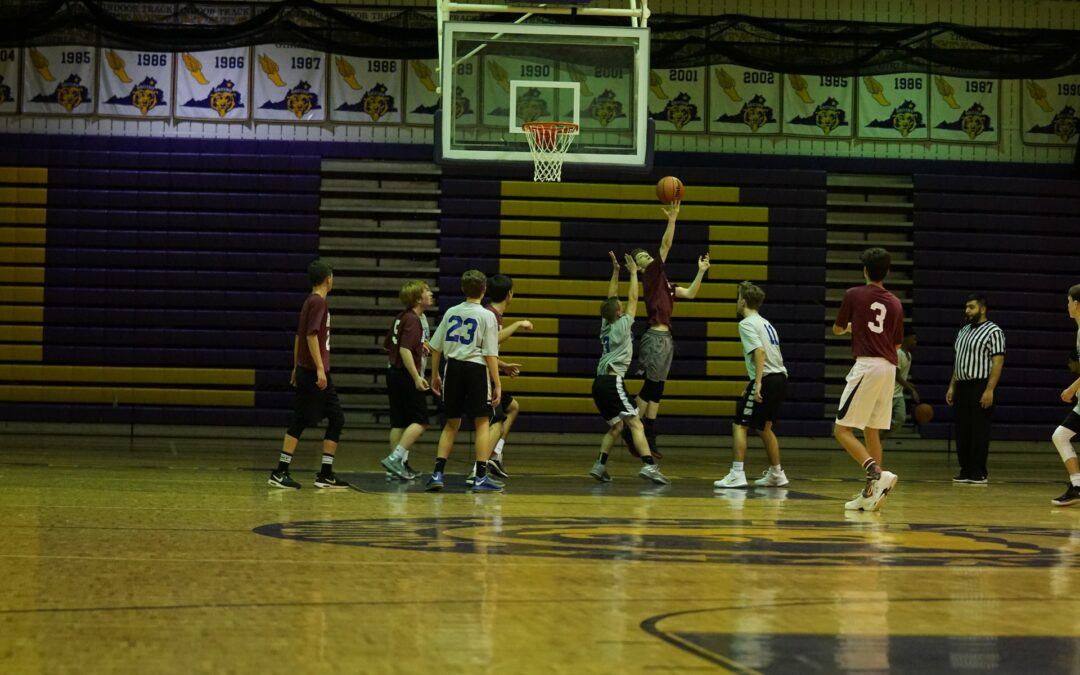


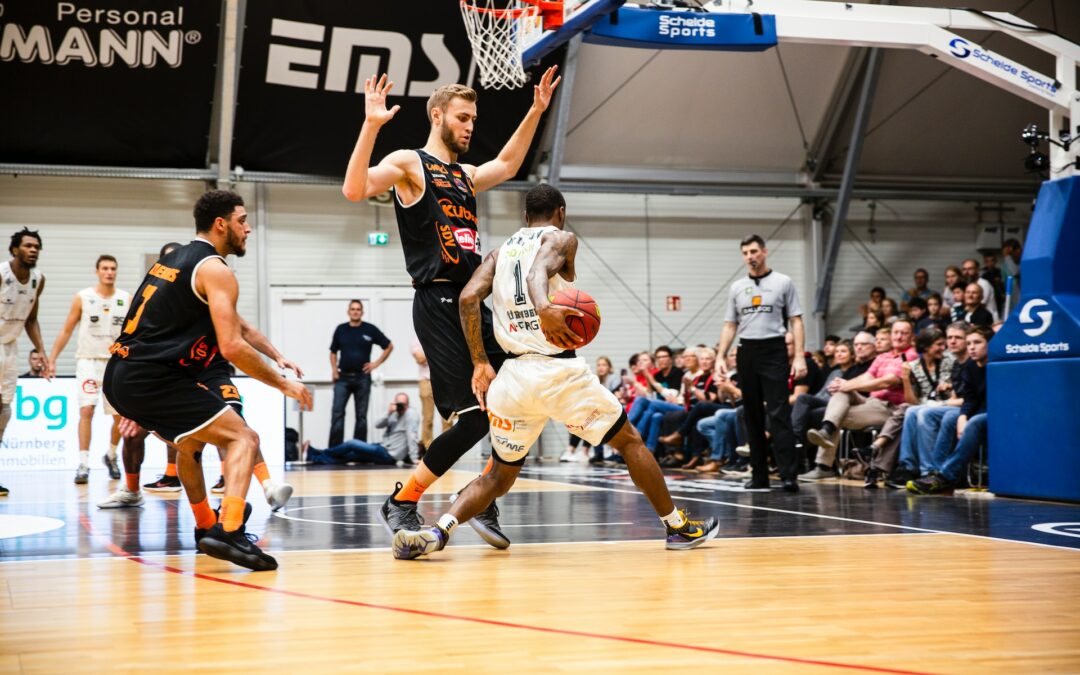
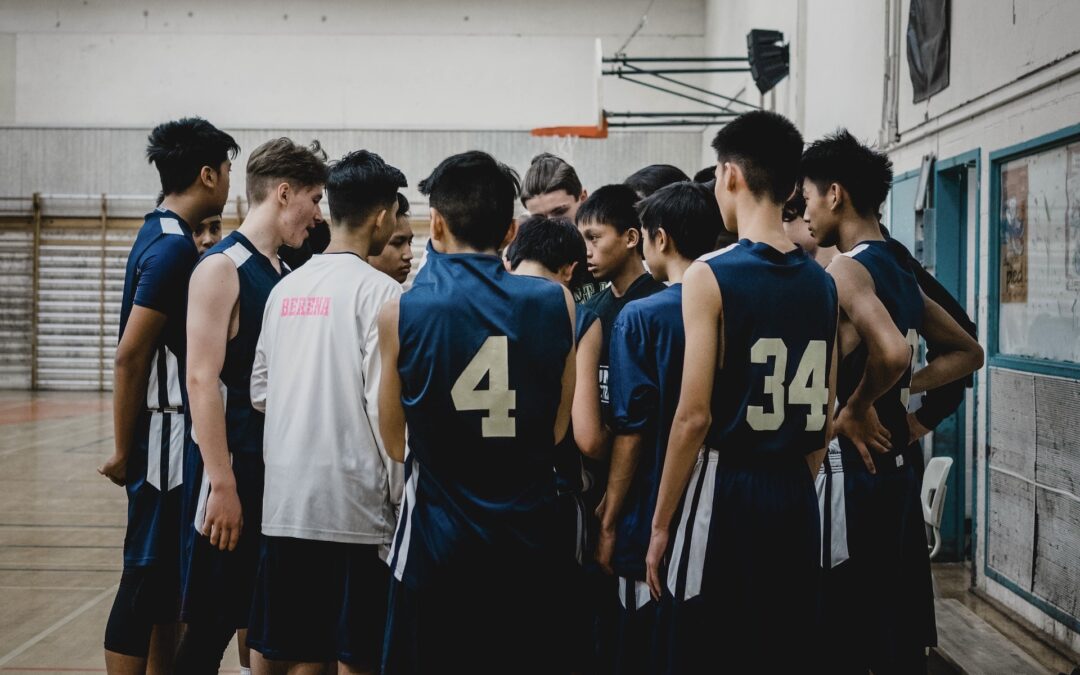
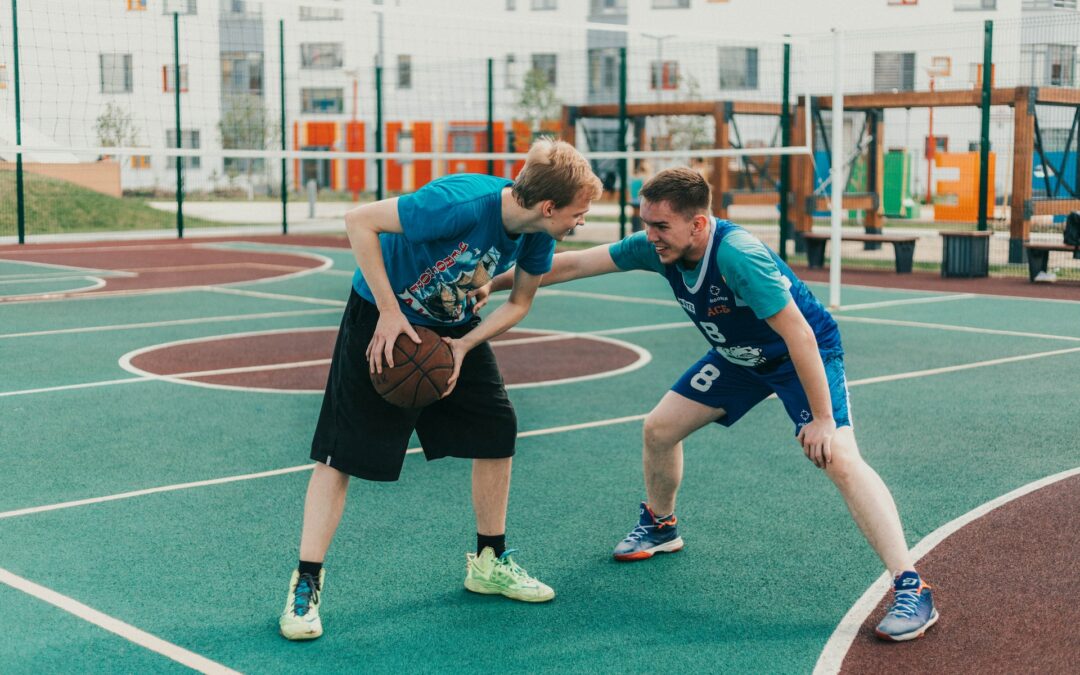


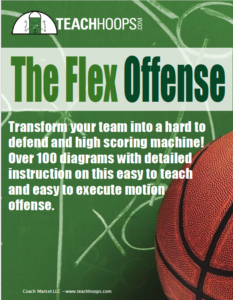
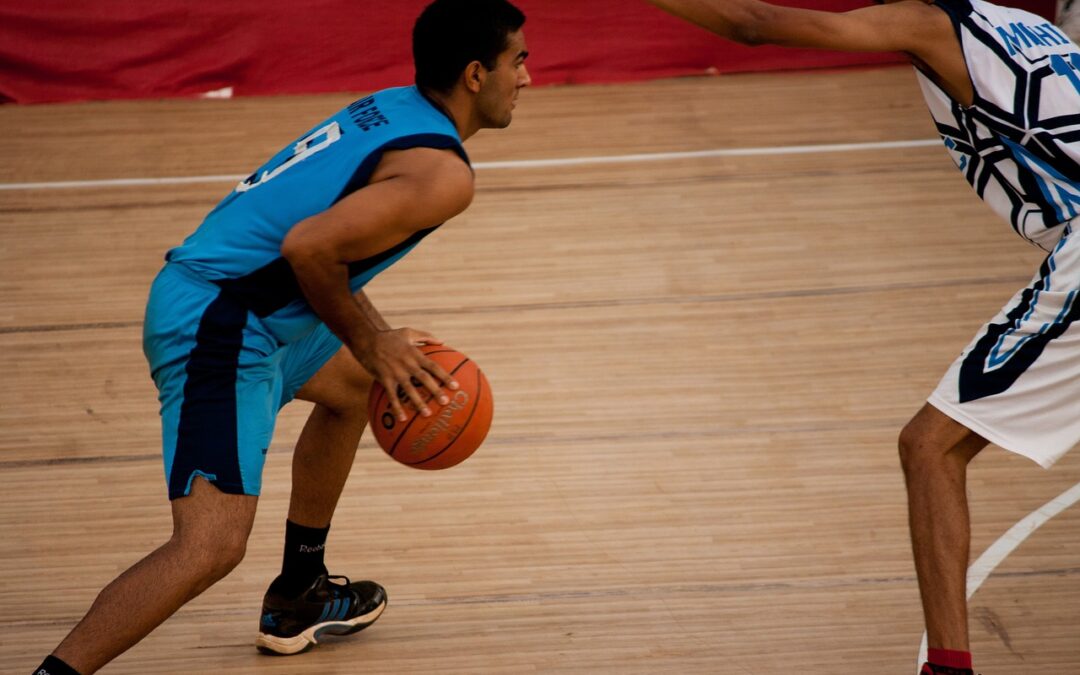




 Explore a treasure trove of practical tips and transformative techniques that are tailor-made for easy implementation. Unlock the secrets to turning your team into trailblazers, setting the standard in your league. Embrace the true essence of visionary leadership, translating into not just wins on the court, but a legacy of inspiration.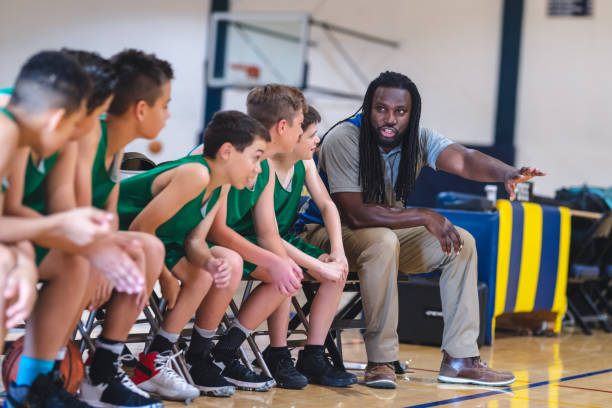
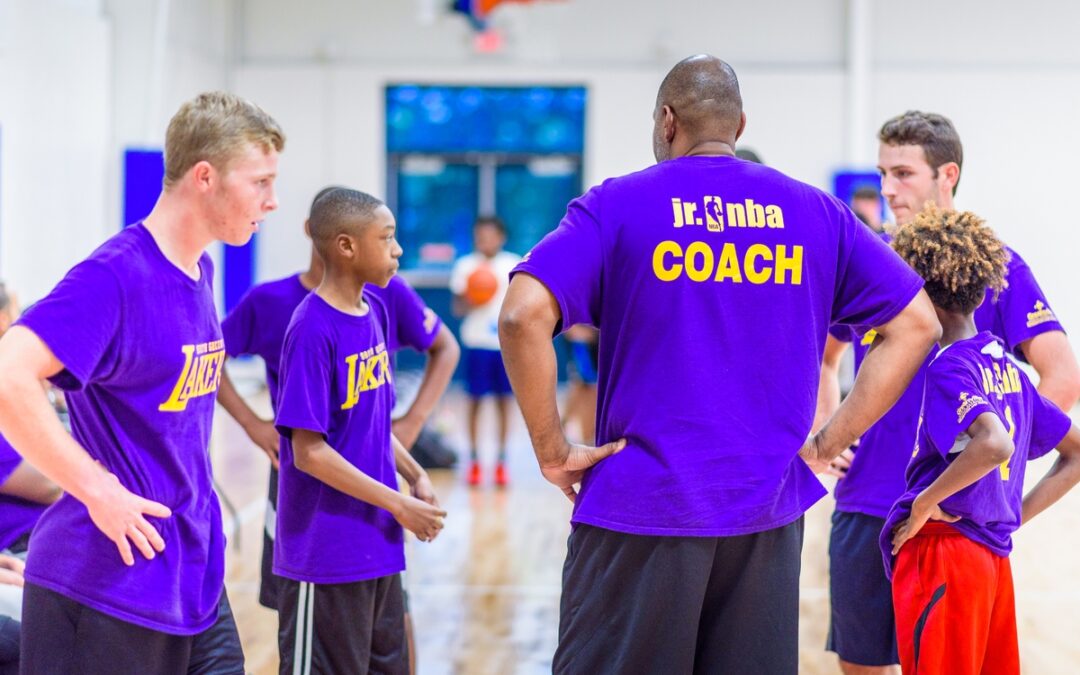

 “Return of the King” starts out by chronicling the start of LeBron James’ career with the Cleveland Cavaliers from 2003-2010. It moves on to the “The Decision” that lead him to the Miami Heat. The book then goes over James’ time with the Heat and the success LeBron had in Miami. This is where the book gets really interesting and starts to get in depth.