

If you found this useful, don’t forget to check out additional blog posts at TeachHoops.com. Also, check out TeachHoops on Facebook, Twitter, Instagram and YouTube.

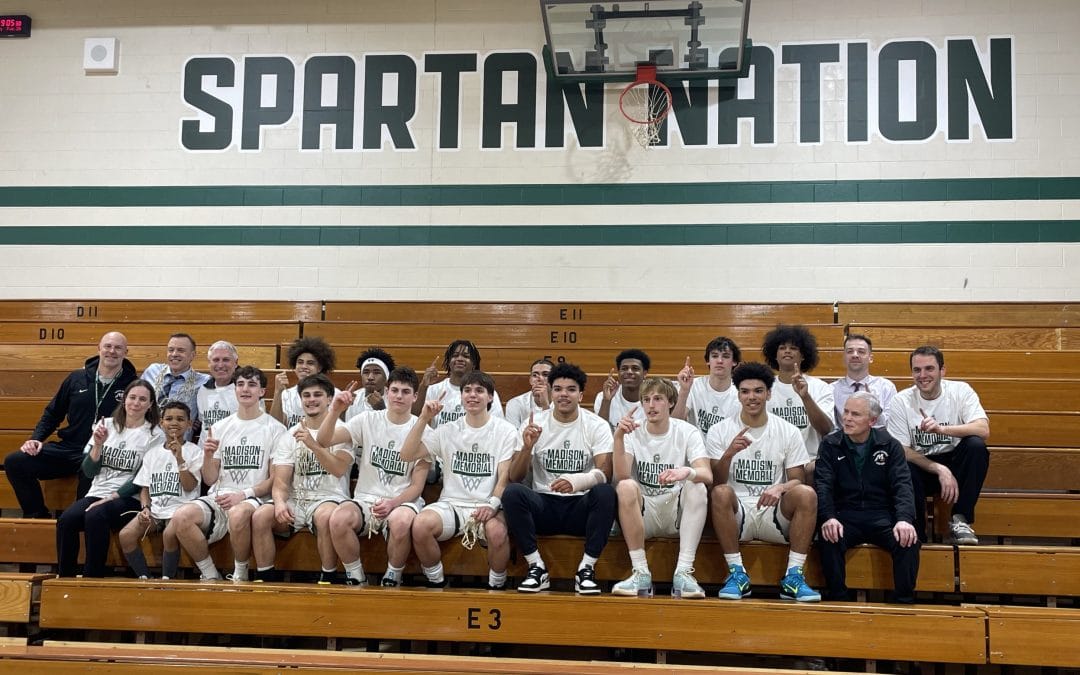
Every youth coach wants to win, but the real challenge is building something that lasts beyond one group of players, and that is where basketball coaching culture matters most, because the best programs create habits, expectations, and standards that carry from one season to the next regardless of who is on the roster.
At the strongest programs, players do not need constant reminders. Older players teach younger ones how things work. Expectations become part of the environment. This shows up in simple ways:
When those behaviors repeat without constant correction, culture is taking hold.
Culture starts with your most talented players. If they defend, compete, and accept coaching, the rest of the team will follow. If they cut corners, everything slips.
This is one of the most important realities for youth coaches. You cannot build a strong basketball coaching culture if your best players are not fully bought in.
One of the defining traits of successful programs is consistent effort. That does not happen by accident. Coaches have to teach players what hard work looks like and hold them to it daily. That includes:
Effort becomes a skill when it is expected every day.
Players need to know what they are walking into every time they step into the gym. When expectations stay the same, players begin to trust the structure of the program. That trust leads to better focus, stronger habits, and more accountability within the team.
When standards change from day to day, players hesitate and culture weakens.
Strong programs are demanding. Players are pushed, corrected, and held accountable. That environment can feel uncomfortable, especially for younger athletes. That’s part of the process.
Players improve when they are challenged and when they are expected to meet a higher standard than they are used to.
Programs that win consistently draw attention. With that attention comes opinions. Some will respect what you are building, others will question it. That’s normal.
When a program is working, people notice. Staying focused on your standards matters more than outside noise.
A strong basketball coaching culture is built over time through daily habits, clear expectations, and consistent accountability. When done well, it allows a program to sustain success across different teams and seasons.
If your players understand what is expected and carry it forward, your culture is doing its job.

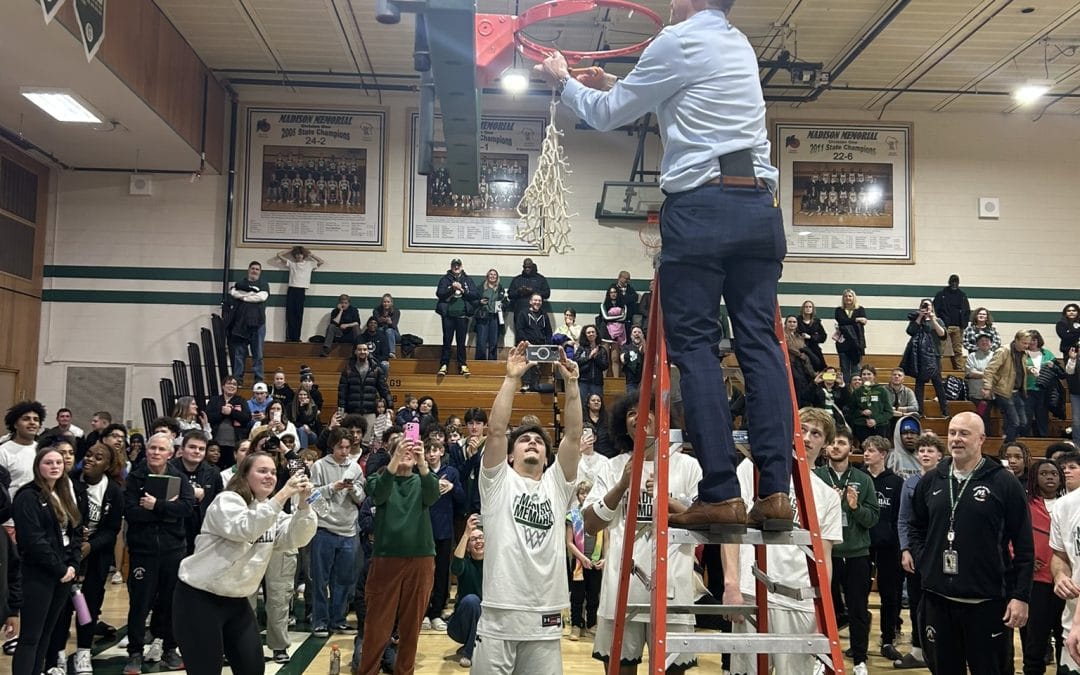
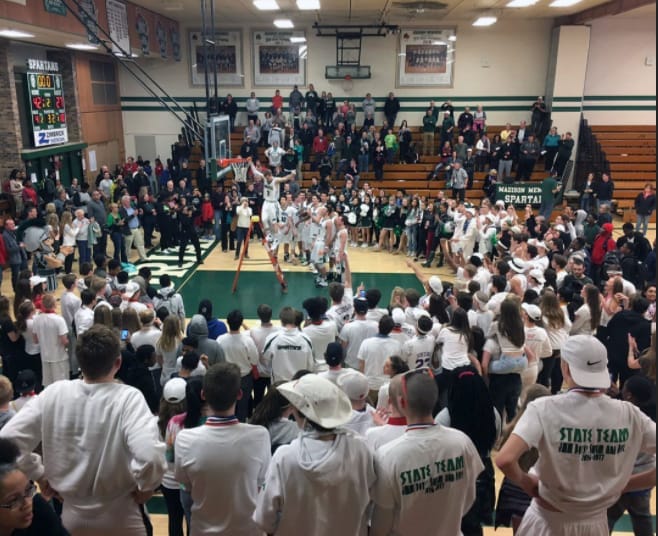
If you coach long enough, you’re going to run into this reality: winning doesn’t guarantee everyone will like you. That’s one of the biggest takeaways from the career of longtime Madison Memorial coach Steve Collins, who retired after nearly three decades of success, including over 500 wins and multiple state championship appearances. For youth basketball coaches, his story offers a powerful lens into what it really means to build a basketball coaching mindset that lasts.
Coach Collins was described as intense, animated, and relentless on the sidelines. That wasn’t an act, it was who he was. Young players and coaches often think they need to “turn it on” during games. But the truth is:
Your team becomes a reflection of your habits, energy, and expectations.
If you’re:
The lesson: Don’t try to be someone else. Be consistent in who you are.
One of the most underrated details from Collins’ program was the emphasis on non-negotiables like being on time and showing respect. That’s not flashy, but it wins.
Too many youth coaches rely on:
Instead, elite programs rely on:
Motivation fades. Standards stay.
Collins openly acknowledged that he wasn’t universally loved in coaching circles. And yet, his teams kept winning. This is a tough pill for young coaches:
But here’s the truth: Respect is greater than popularity.
If your players play hard, improve, and compete, you’re doing your job.
Collins was ahead of the curve using analytics and statistics to teach shot selection. That’s a huge takeaway. You don’t need advanced software to apply this. You can teach:
Smart basketball is learned early or not at all.
28 seasons. 500+ wins. Conference dominance. That doesn’t happen because of one great team. It happens because of:
The best youth coaches think long-term:
Collins’ career proves something every youth coach needs to hear: If you’re doing it right, not everyone will agree with you.
But if your players grow, compete, and learn…You’re winning where it matters most.

Building team culture in youth basketball is one of the most important things a coach can do. It’s not just about drills, plays, or wins. It’s about creating an environment where every player feels connected, valued, and eager to show up. A strong culture leads to stronger effort, accountability, and long-term love for the game.
Here are seven ways to build real buy-in on your youth basketball team.
Kids play harder for coaches they feel connected to. Make time to build relationships before expecting full effort.
When players feel like they belong, commitment comes naturally.
A clear role helps every athlete feel part of the team’s mission.
When kids understand where they fit, they stay engaged.
Culture starts at the top. Players follow the consistency they see in you.
When standards stay steady, trust and accountability grow.
Building Better Basketball Coaches
Teaching Coaches Since 2011 | 14-Day Money-Back Guarantee
At the youth level, parents are part of the culture too.
When parents understand the “why,” they help reinforce it at home.
If kids enjoy being there, they’ll keep coming back.
Fun builds connection, and connection drives buy-in.
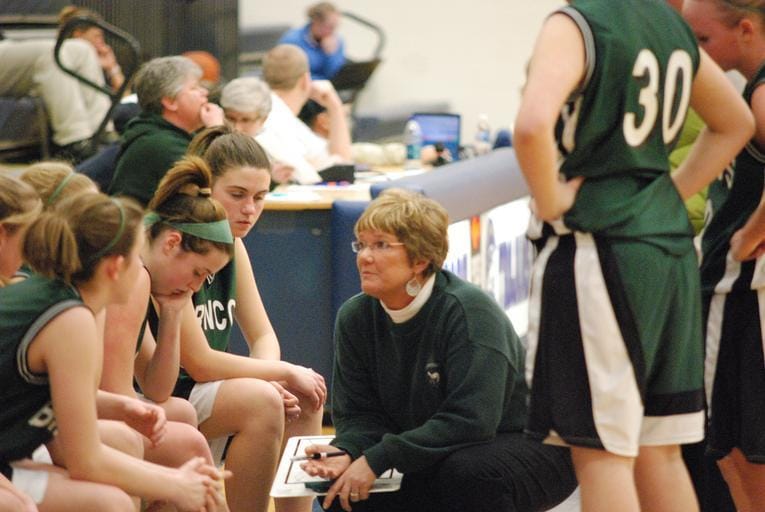
As Coach Sylvia Colucci says, “Work them hard, but love them harder.”
When players know you care, they’ll play with pride.
Culture isn’t built in one season. It’s a habit.
Strong programs grow from consistent, daily effort in how the team connects and behaves.
Building team culture in youth basketball comes down to consistency, care, and connection. When players feel valued and understand their role, they give more effort. When coaches model the right standards and show genuine care, buy-in follows.
The truth is simple: every coach wants to spend less time grinding and more time coaching. With AI, that’s not a fantasy, it’s the future. If you’ve ever wished for an extra assistant, this is your chance to create one.
Join The Coaching AI Masterclass and learn how to build your own AI basketball coaching system, the one that organizes, plans, and communicates so you can just coach.
If you’d like to explore further, also check out theAIsportscoach.com, a free community for coaches to share prompts, strategies, and ways AI is helping them win both on and off the court.

Every coach wants to get better results on the court, but the real challenge is knowing where to start and how to measure it. The PROOF Process™ gives you a simple, repeatable way to integrate AI tools into your basketball program without getting overwhelmed. It helps you focus on what matters most: measurable improvement, fast feedback, and lasting results. Here’s how you can adapt the PROOF Process™ to use AI effectively in your basketball coaching.
What it means: Before diving into AI, pinpoint one specific stat you want to improve. Don’t just say, “We need to get better.” Define exactly what success looks like.
Coach’s Action: Instead of chasing “productivity,” focus on outcomes, like cutting down turnovers or improving shot selection.
Example:
AI turns vague goals into actionable, trackable objectives.
What it means: You don’t need to wait months to see improvement. Use AI to create small, measurable wins, ideally by your next game or week of practice.
Coach’s Action: Take your AI-generated insights and immediately design two new drills that target the main issues (like passing vs. zone or handling traps). Run them early in the week.
The Test: During your next scrimmage, track only those two types of turnovers. If they drop, you’ve got proof the AI-driven adjustment works. That’s a rapid win and one your players will notice.
What it means: Once you’ve seen improvement, the next step is consistency. Use AI to monitor whether the gains hold up over the next few games.
Coach’s Action: Keep feeding new film into your AI system. Track that stat across multiple games to see if the improvement sustains.
When you see that your turnover rate stays down, that’s not luck, it’s a new standard. AI isn’t a gimmick anymore; it’s part of your team’s DNA.
Building Better Basketball Coaches
Teaching Coaches Since 2011 | 14-Day Money-Back Guarantee
What it means: Expand what works. You’re not just improving one area, you’re building a habit of using AI analysis across your program.
Coach’s Action:
This is how your entire program learns to “speak the same language” when it comes to using data and technology effectively.
What it means: The goal isn’t to use AI for one season. It’s to build a culture that uses it forever.
Coach’s Action: Make AI part of how you do film, scouting, and player development. When players graduate or staff changes, your system stays strong.
AI isn’t the new thing. It’s the normal thing. It helps every player, every season, improve faster and smarter.
The PROOF Process™ is a roadmap for how basketball coaches can use AI effectively, starting small, proving results, and building a system that lasts. You don’t need to be a tech expert. You just need a plan, a focus, and the discipline to measure what matters.
AI can’t replace your coaching instincts, but it can amplify them.
The truth is simple: every coach wants to spend less time grinding and more time coaching. With AI, that’s not a fantasy, it’s the future. If you’ve ever wished for an extra assistant, this is your chance to create one.
Join The Coaching AI Masterclass and learn how to build your own AI basketball coaching system, the one that organizes, plans, and communicates so you can just coach.
If you’d like to explore further, also check out theAIsportscoach.com, a free community for coaches to share prompts, strategies, and ways AI is helping them win both on and off the court.
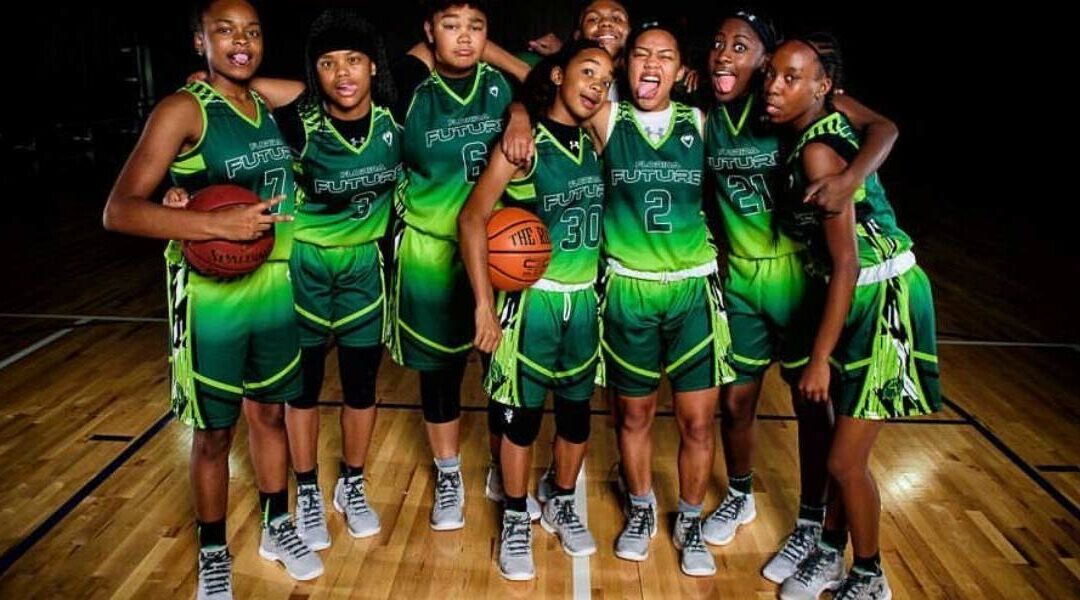
Promoting your basketball program might not be front and center in the minds of coaches heading into a new season. However, this concept remains an integral part to the long-term health of your program. Developing a culture of excellence that produces results on the court stands obviously as the most difficult part of a coach’s job. But branding can often provide that promotional push to get your program to the next level.
So the question becomes: how to promote your basketball program? The answer stretches from your school community to social media.
One of the simplest, and most time-honored, ways to promote your basketball program comes from providing key information to local news outlets. Although traditional media continues to evolves, local newspapers often rely on high school content to fill out their sports sections. This can be as simple as sending a schedule and roster to start the season, in hopes of regular game coverage.
Once the season starts, send statistics and game recaps after every game. This will help establish a rapport with the local beat writer covering high school sports and make your program more likely to be featured. Consistent coverage could get your program’s names in front of more eyes. This can also help expose talented players for potential college recruitment.
You can pitch unique ideas for potential feature pieces to promote your basketball program. And should the news outlet provide an on-site reporter, make sure you and some of your players are available for comment.
Another way to promote your basketball program is to have your players and coaches engage within the school and local community. Many students need service hours helping charitable organizations as part of school or scholarship requirements. Some schools are encouraging their student athletes to average 15 to 20 hours per semester helping community organizations.
Getting your players involved benefits them in that regard and it can help with team-building. Some of the options for community involvement include:
Engaging in these activities will provide a boost to team morale and help those in need in your community. Be sure to notify local news outlets for coverage to extend the promotional reach of these activities. Any feature pieces that come from these events showcase your basketball program in a positive light.
Clinics also provide a platform to introduce local young talent to your program and your coaching style. It cultivates a beneficial relationships within the local basketball community and may give you an inside track for up-and-coming athletes.
When possible and appropriate, your players should wear their uniforms or other team paraphernalia to help promote the program and demonstrate unity.
Perhaps the best way to promote your basketball program these days comes via social media. Instagram, Snapchat, TikTok, Twitter, and YouTube, even Facebook, provide platforms where teenagers and some parents remain active. According to the American Academy of Child and Adolescent Psychiatry, surveys show that 90 percent of teens between the ages of 13 and 17-years-old use social media.
The best way to promote your basketball program on social media comes with consistent fan engagement. Some of the best ways to do this include:
If you’re not tech or social media savvy enough, or lack a comfort level with this platform, there’s no doubt the players themselves will have ideas of what and how to post. Perhaps putting this responsibility on a team manager or young assistant coach would work.
With social media, it’s important to be consistent and engaging with fans and your school community. Never go extended periods without posting on some platform. This engagement can be a fun and exciting way to promote your basketball program, and to do so on platforms where students and the school community will undoubtedly see it.

Basketball team building can be a difficult task. Whether a coach is looking for bonding events or building morale through game awards, building a positive basketball culture remains integral.
A positive basketball culture is the first thing you will need to build a winning basketball program. You will need to fight for this every single day in every thing you do–from the weightroom to your open gym sessions. When you face adversity your culture will be able to overcome any negativity if you have a strong foundation.
Jon Gordon is a master teacher on culture and I strongly recommend you check out some of my favorite books of his–The Energy Bus, The Power of a Positive Team, The Carpenter, and You Win In the Locker Room First.
When you start to establish your culture and identity as a positive team, you will then need to establish some core values for your program. We stole ours from Alabama and Nate Oats: Max Effort, Continuous Learning, and Selfless Love. We even tied Bible verses into these so we can reach our players spiritually.
Our program spent some money and put some cool signage up to improve our facilities with these words all around it for our players to see daily. The important thing is, you must fight for these values daily as a coach and hold your players accountable to them!
We talk about these values daily and what it means to live them out on and off the court to develop the entire individual. A few things we do is ask a player at the end of practice or a weight room session to name a core value. Then we will ask them to tell us how one player on our team lived it out today and why. This gets our kids thinking about the values constantly!
Developing a positive team chemistry always makes the season more enjoyable.
When you are building your culture, you have to have players buy into your culture. One way you can do this as a coach is to have your players have some input. We asked our players to create a vision statement and standards they would like to live out daily that correlate with our core values.
One tip I got from a few experts on culture was don’t limit yourself when setting goals. For example: we want to win districts, go undefeated at home, and go to the State Tournament.
While those are great things, oftentimes everyone has those same goals. And what happens when you lose that first game at home? What happens when you don’t win districts but you can still advance? Or an even better question: what if your players do get complacent when they accomplish winning districts and going undefeated at home?
You can get complacent and think you achieved enough and you fall short of going even further than what you were capable of doing. So we made a vision statement instead that has seemed to really motivate our players to the next level.
They came up with the following: The FCS basketball team is a united group of brothers here to glorify Jesus through the game of basketball while exceeding the expectations of others, with the expectation to win everytime we step on the floor.
A few standards our players came up with through guided discussion include: Accountability, Communication, Elevate, Grit, Selflessness, and Servanthood.
Kids have to have fun with the game of basketball and so do coaches! Basketball is a long season, and in a lot of ways it’s year round with post-season workouts, summer, pre-season, and in season. One way to avoid any burnout is to celebrate little things. Celebrate progress in the weight room. Celebrate winning two games in a row in season. And celebrate simple things like winning a situational segment in practice!
Another tip to have a positive basketball culture comes with making time for relationships with your players. Something I got from T.J. Rosene at Emmanuel College and PGC Basketball is to write out the names of three players on your practice plan and have a meaningful conversation with those players that day. Mix up the names each practice and you will be able to reach all of your players consistently.
As coaches we have to trust our assistant coaches–we hired them for a reason! A tip I want to suggest is to delegate your work and let your assistant coaches lead in some areas of the program. For example, in the pre- and post-season, my assistant coaches lead all my weight room and skill development days. As the head coach I serve as the manager and see the big picture.
My assistants will run everything by me and make sure it is in alignment with what we are trying to accomplish. This allows your players to hear someone else’s voice and allows you to save yours more so for the season! You also are helping your assistant coaches who want to move on to become a head coach one day.
I would also encourage you to write out other areas of your program you can delegate to your assistants. I really like the defensive end of the floor, so I call one of my assistants the “offensive coordinator.” We run a read and react/dribble drive hybrid offense, so I give him free reign out of that to come up with ways to improve our offense, drills, small sided games, etc. This also limits my film, as he will watch everything on us offensively and I will watch everything defensively.
I hope you found some useful tips and strategies that have worked for our program. Best of luck this season!
Jeff Long is the Head Men’s Basketball Coach at Friendship Christian School in Lebanon, TN.
If you found this useful, don’t forget to check out additional blog posts at TeachHoops.com. Also, check out TeachHoops on Facebook, Twitter, Instagram and YouTube.
Coaches are great thieves. Resources, materials and terminology are often swapped online, at clinics, and even during basketball games. But where coaches can introduce the most unique elements comes in the specific development of a program’s culture. Building a basketball program comes down to what commitments a coach wants to make.
Coach Collins sat down with Coach Burton Uwarow to discuss building a basketball program. In this video on the Teach Hoops YouTube channel, the two went through the ins and outs of establishing an identity. This establishment involved specific commitments and focuses coaches need to consider when starting their programs.
Coach Uwarow, from Greenville, South Carolina, said the coaches he played for growing up and coached with greatly influenced his coaching philosophy. Uwarow also listed resources from Bob Hurley, Mike Krzyzewski, Pat Summitt, John Wooden and Morgan Wootten as significant influences as well.
Uwarow called commitment and passion his driving forces. He also acknowledged building a program also involves gathering resources. Supplementing budgets from an athletic department through fundraisers stands as an unwelcome but important task for any program.
Among the most important elements he named, Uwarow stressed organization, player discipline and parent-coach relationships.
Check out the full interview with Coach Uwarow below.
If you found this useful, don’t forget to check out additional blog posts at TeachHoops.com. Also, check out TeachHoops on Facebook, Twitter, Instagram and YouTube.
Enter your email address to gain access to our FREE video series.