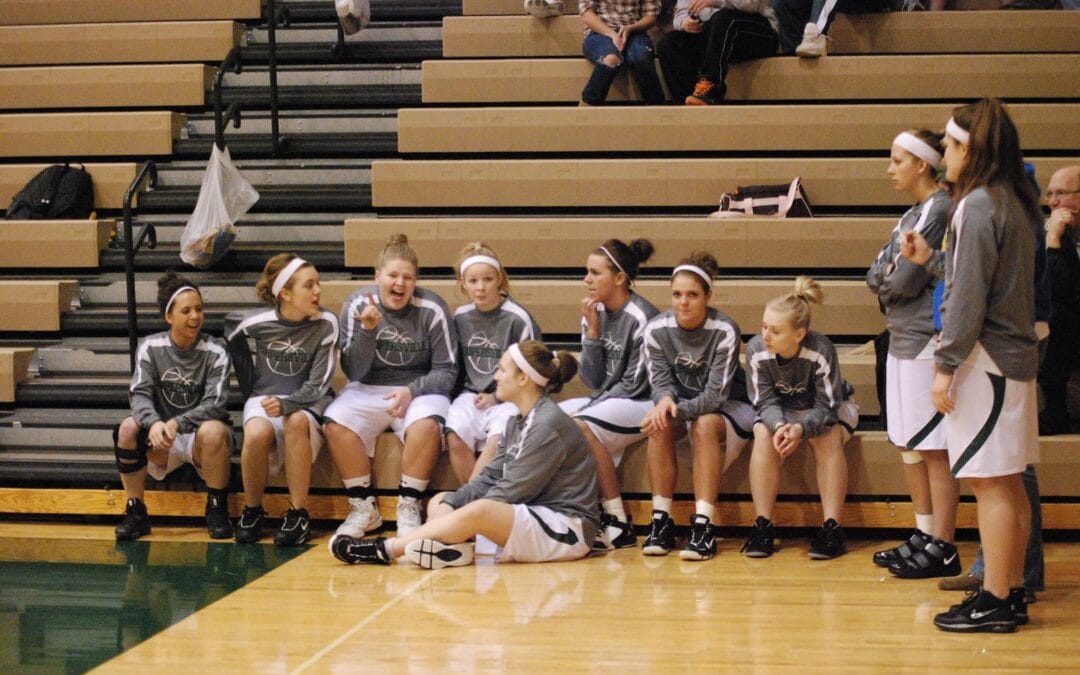
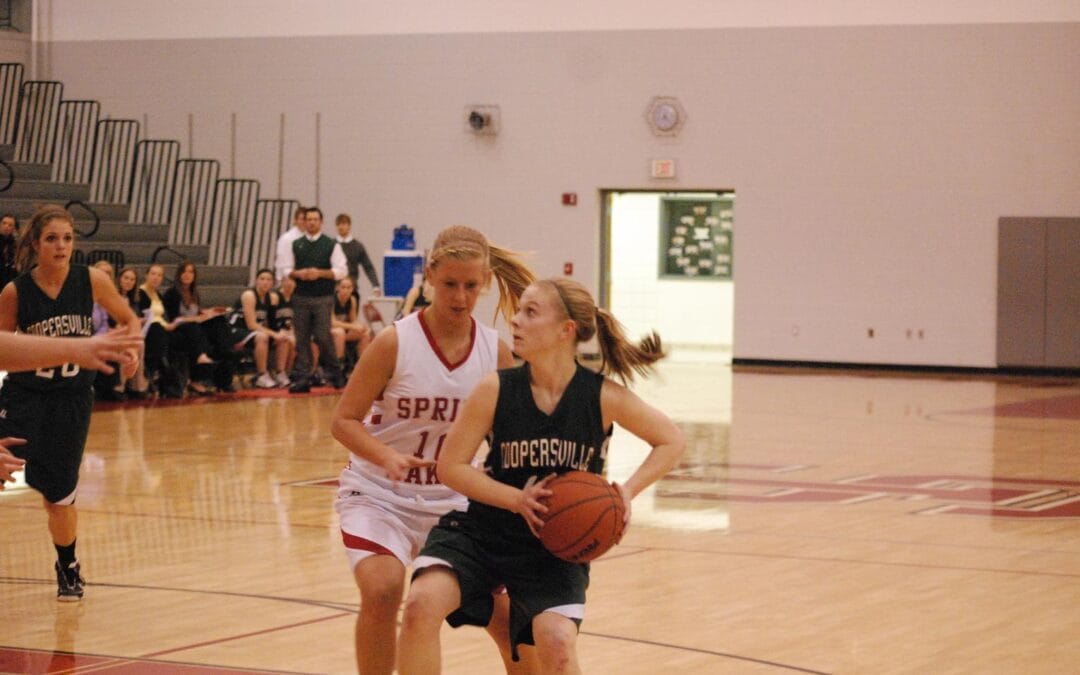
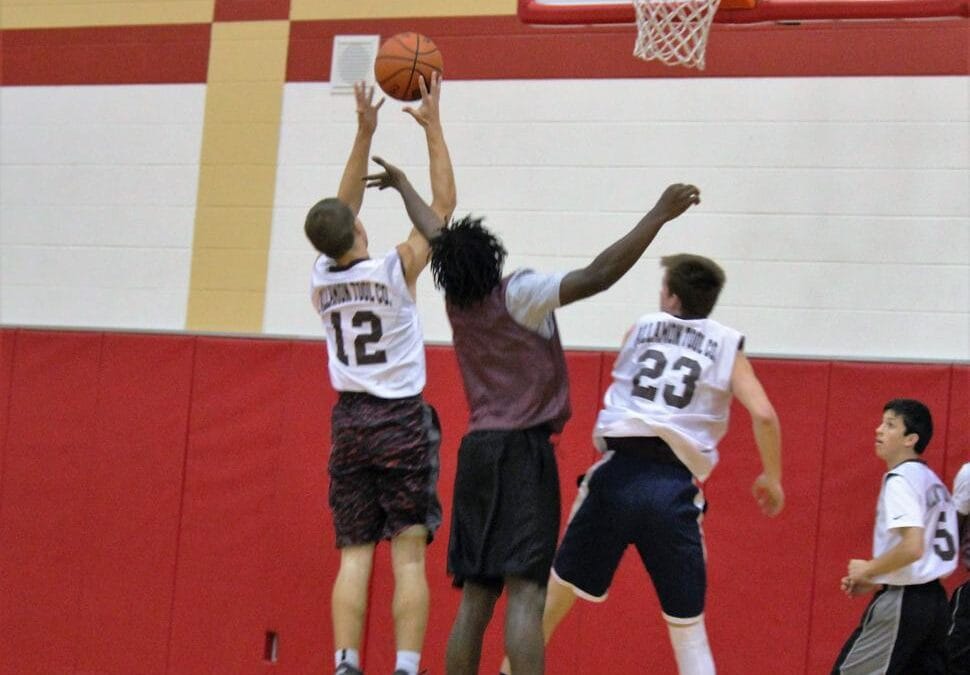
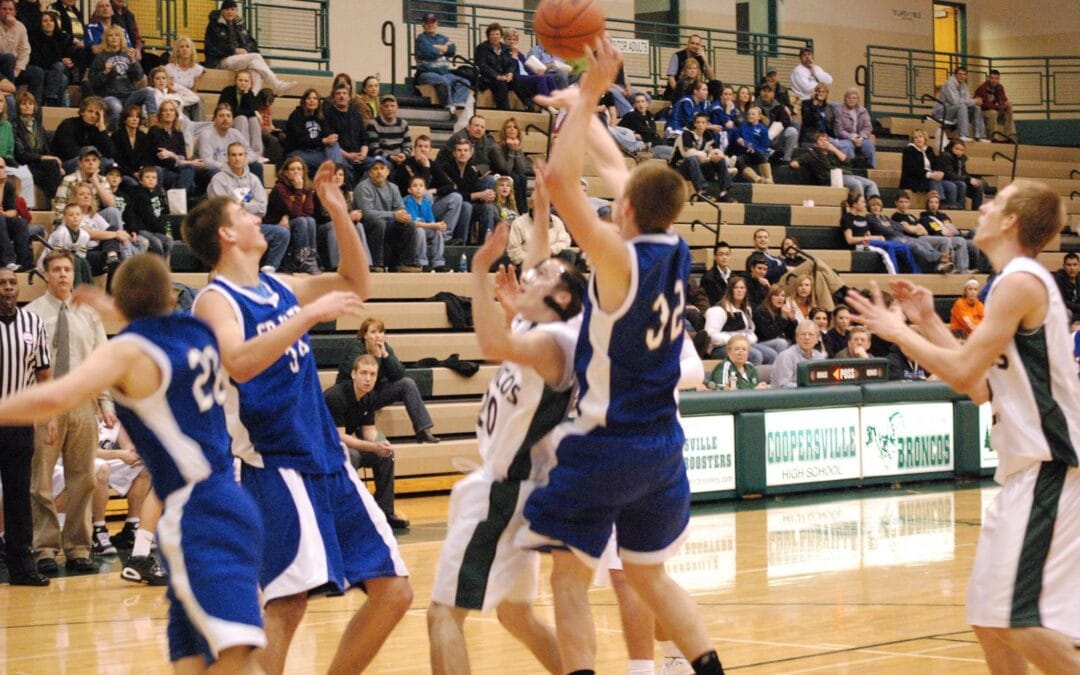
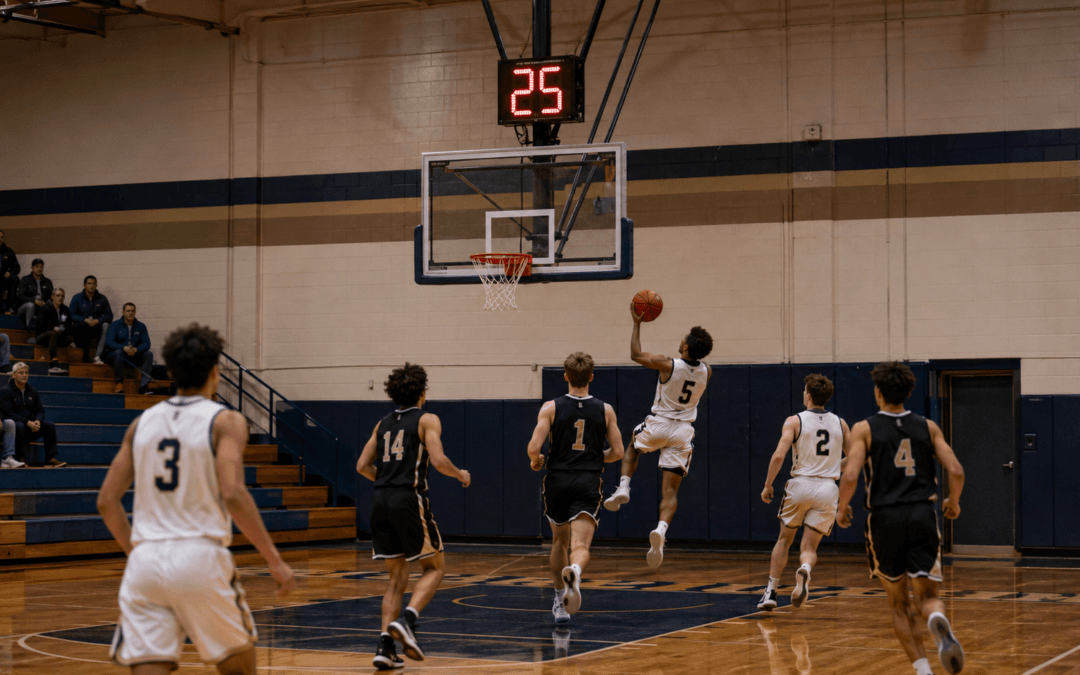
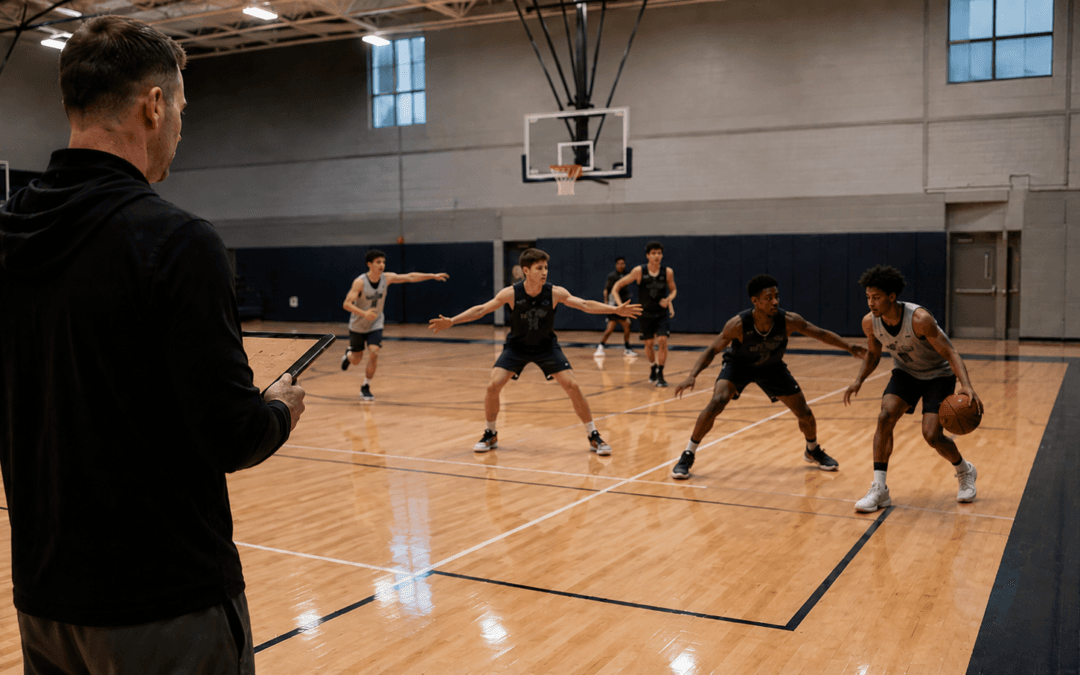
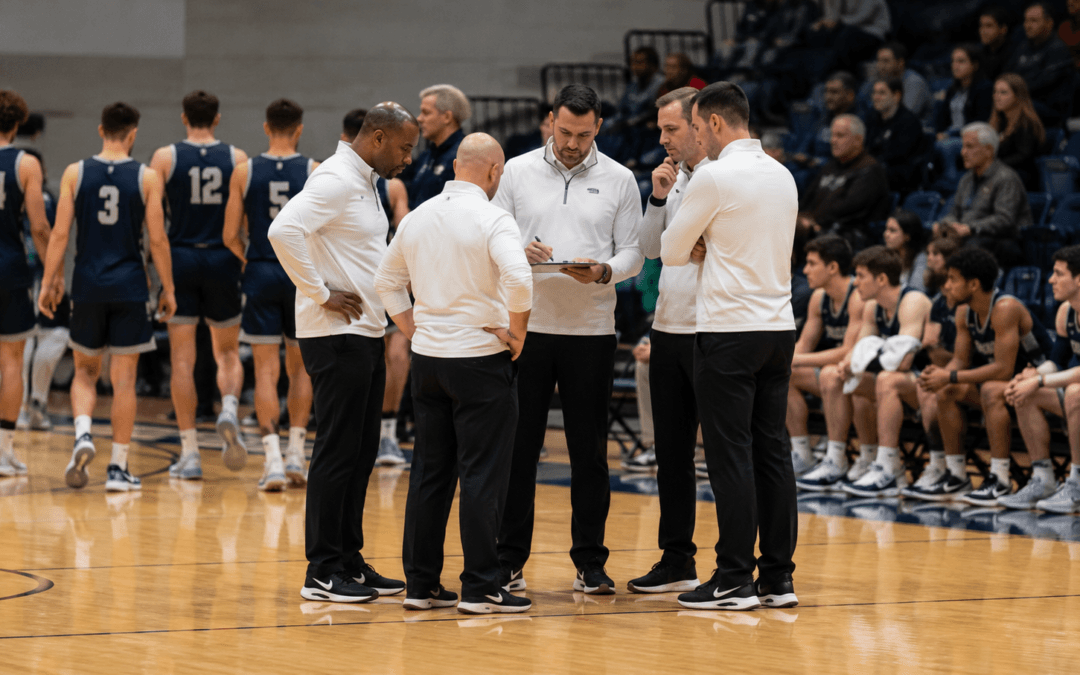
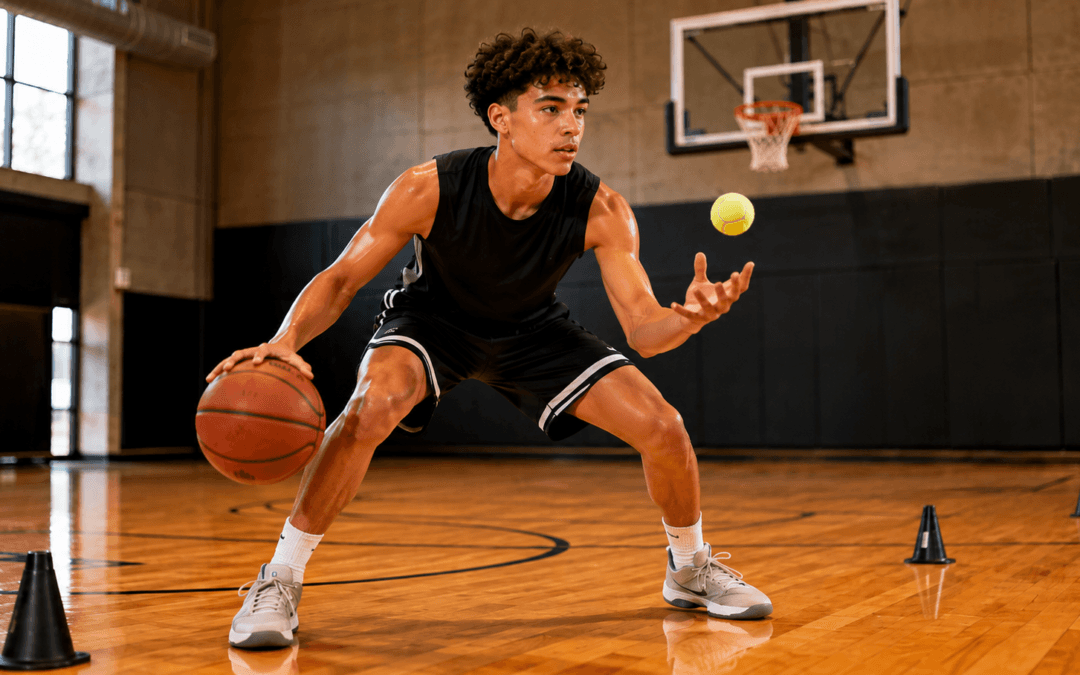
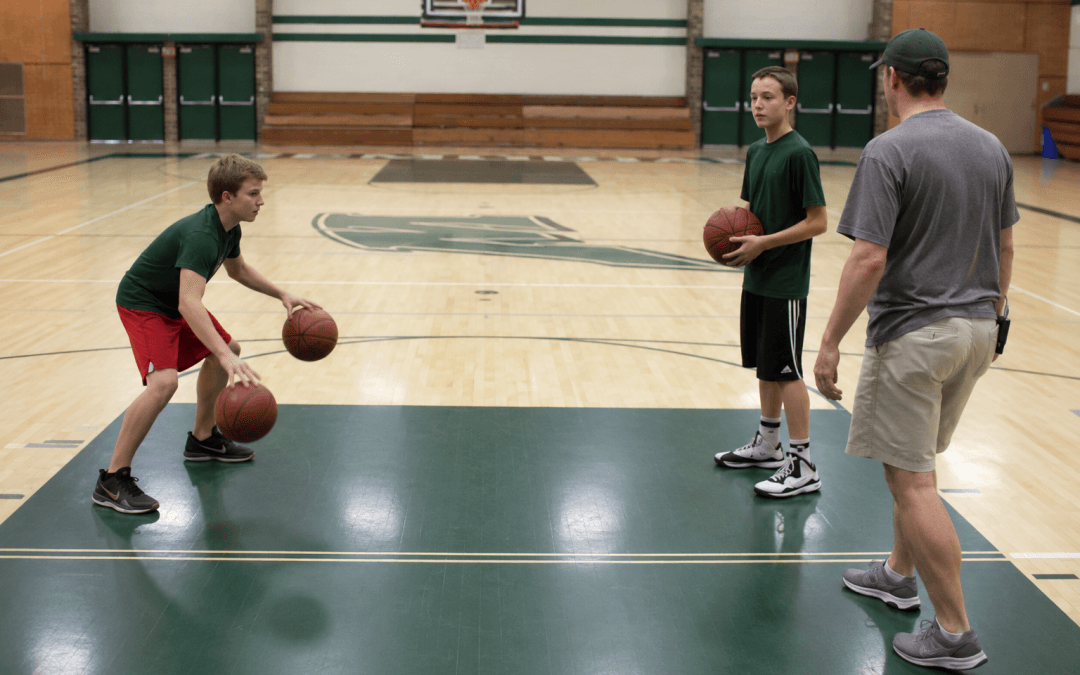
Youth basketball tryouts can become a rushed sorting exercise if coaches walk into the gym thinking only about who will make the team. A better approach is to treat tryouts as an opportunity to gather information. Instead of confirming what you already believe about players, build each session around discovering skills, habits, toughness, coachability and role fit that might otherwise go unnoticed.
Good evaluations require more than layup lines and long scrimmages. Coaches need specific criteria, purposeful drills and multiple chances to see players respond in different situations. Just as important, the process should help you build a roster rather than simply rank a group of athletes from first to last.
Below are seven ways to make youth basketball tryouts more useful, fair and productive.
1. Decide what you want to evaluate before tryouts begin
Walking into the gym with a vague goal of finding the “best players” leaves too much room for instinct and first impressions. Instead, decide ahead of time which basketball skills and behaviors you need to evaluate.
For example, a coach might want to identify players who can:
Finish through contact around the basket
Defend the ball for several possessions without losing focus
Communicate consistently on defense
Rebound in traffic
Handle pressure against aggressive defenders
Respond positively to coaching
Sprint back after turnovers
Make smart decisions without dominating the ball
Those traits require different situations to evaluate properly. A five-on-five scrimmage might reveal some of them, but others can disappear while certain players control the ball.
Before youth basketball tryouts begin, write down your evaluation priorities. Once those priorities are clear, you can choose drills that create opportunities to see each skill.
2. Design drills that expose the traits you’re evaluating
If toughness is one of your priorities, don’t expect players to reveal it while standing in a drill line. Put them in competitive situations where effort, physicality and persistence become impossible to avoid.
Full-court one-on-one is a great example. Give players a live ball, let them compete from one end to the other and make finishing the possession the primary expectation. In only a few minutes, you’ll see who stays engaged, who fights through mistakes and who gives up once the offensive player gains an advantage.
The same principle applies to other traits. Want to evaluate ball security? Add pressure. Want to see who communicates? Create defensive situations that require switches and help. Want to test decision-making? Shrink the space and shorten the time available. Purposeful drills produce useful information. Random drills mostly produce activity.
3. Watch what players do without the basketball
The player with the ball naturally attracts attention during youth basketball tryouts. Coaches follow drives, shots, passes and turnovers because those actions are easy to track. However, much of basketball happens away from the ball.
After a player passes, watch what comes next. Does he cut through the lane, relocate to create spacing or simply stand and observe? When possession changes, does he sprint back defensively or jog while checking the coach’s reaction?
Off-ball habits can reveal basketball IQ, effort and awareness more clearly than a highlight play. During scrimmages, intentionally spend several possessions watching one player who doesn’t have the ball. You may discover qualities you would’ve missed while following the action.
4. Give players more than one chance
One poor session shouldn’t automatically end a player’s opportunity. Young athletes can struggle during the first day of tryouts for plenty of reasons. Nerves, unfamiliar teammates, a new coach or simple bad timing can make a capable player look completely different from usual.
Three days may decide an entire basketball season, so coaches should gather information across the full evaluation window. Consider setting aside time late in the process for players near the roster cutoff. Match those athletes against one another in competitive drills or controlled scrimmages and evaluate them again.
A player who looks more confident on the final day isn’t necessarily changing his game to fool the coaches. He may simply be comfortable enough to show what he can actually do.
5. Use evaluation scores as information, not the final answer
Evaluation forms help organize observations during youth basketball tryouts, but the numbers shouldn’t select the roster by themselves. A simple average can hide the exact trait your team needs.
Imagine one player receives modest scores for ball handling and shooting but grades extremely well as an on-ball defender. Averaging every category could make him look ordinary. Meanwhile, his defensive ability might fill one of the biggest holes on your roster. Instead of creating one overall ranking, build smaller lists based on roles.
For example:
Best on-ball defenders
Best rebounders in traffic
Most dependable ball handlers
Best catch-and-shoot players
Strongest finishers around the rim
Best decision-makers under pressure
Next, compare those lists with the players already returning to your program. Roster construction should account for what your team lacks, not simply which athletes earn the highest average scores. A balanced roster needs complementary pieces.
6. Give every evaluator a specific assignment
Multiple coaches can improve the evaluation process, but only if everyone knows what to watch. Without assignments, two coaches often spend the entire session following the basketball. As a result, they collect nearly identical observations while missing everything happening elsewhere. Divide the work instead.
One coach might evaluate guards while another focuses on post players. Another option is having one coach track actions around the ball while an assistant studies screening, cutting, communication, defensive positioning and transition effort. After practice, compare notes. Disagreements deserve attention because they can expose players who need another look.
Previous coaches can provide useful context as well. A former youth, middle school or JV coach has seen habits that may never appear during a three-day tryout. They may know who improved steadily throughout the previous season, who competed consistently in practice and who handled adversity well. History shouldn’t make the decision for you, but it can help explain what you’re seeing.
7. Plan the conversation after youth basketball tryouts
Most coaches carefully organize drills, schedules and evaluation sheets. Far fewer plan what happens once the roster has been selected. The conversation with a player who doesn’t make the team deserves preparation too.
Whenever possible, speak directly with the player instead of allowing a posted list to provide the only explanation. Keep the message clear, specific and useful.
Give the player one area to improve rather than overwhelming him with five different weaknesses. The feedback should be something he can work on during individual workouts, open gyms or the offseason.
Then provide a path forward when one exists. Let the player know when open gym starts, when another evaluation opportunity may come or what he needs to improve before trying again.
Most importantly, don’t tell every player he was “really close.” False encouragement can create confusion about how much improvement is actually needed. Clear feedback may be uncomfortable for a few minutes, but it gives the player something productive to do next.
Build your youth basketball tryouts around information
The best youth basketball tryouts give coaches a clearer picture of each player than they had before the first whistle. Rankings and roster decisions come later. First, create situations that reveal how players compete, communicate, respond to coaching and contribute when the basketball isn’t in their hands.
Define your criteria before players arrive, select drills that expose those traits and evaluate athletes across multiple sessions. Then organize your observations by role, involve the right people in the process and prepare for the conversations that follow roster decisions.
Coaches looking to organize their next tryout can find basketball tryout plans, evaluation forms, practice plans and drills at TeachHoops.com. A little preparation before the gym doors open can make the entire selection process clearer for coaches and players alike.
A smart basketball timeout strategy starts with knowing what your team needs in the moment. Sometimes a timeout can stop a scoring run before it snowballs. Other times, players need a chance to work through a rough stretch without the coach immediately stepping in. Youth coaches face an extra challenge because tournament formats often limit timeouts, use running clocks and force you to think carefully about when to spend one.
The goal isn’t to call a timeout every time the opponent scores six straight points. Coaches need to read the game, understand their players and decide whether the team needs instruction, confidence or simply another possession to settle down. Saving a timeout can also give you a valuable teaching opportunity late in a close game.
Build your basketball timeout strategy around your team
No single rule works for every roster. A veteran team that handles pressure well may be able to play through an 8-0 run, while a younger group could need a quick reset after two rushed possessions and a defensive breakdown. Start by asking a few simple questions:
Are we losing control of the game, or did the opponent simply hit a couple of tough shots?
Do my players know what they’re doing wrong?
Can we fix the problem with a substitution?
Does the team look rattled?
How many timeouts do we have left?
Will we need one for a late-game situation?
Knowing your group makes those decisions easier. Coaches who understand how their players respond to pressure can tell the difference between a temporary slump and a stretch that needs immediate attention.
Don’t panic over every scoring run
Basketball is a game of runs. A 6-0 burst can feel much worse from the sideline than it actually is, especially early in the game. Before calling timeout, look at how the opponent scored. Three layups caused by poor transition defense point to a problem worth correcting quickly. Two contested jumpers and a lucky bounce may call for patience instead.
One practical guideline is to start paying close attention once an opponent’s run reaches roughly six points. Coaches can use that point as a trigger to evaluate the situation rather than as an automatic timeout call. The strength of your team, the score, the stage of the game and your available timeouts should all shape the decision.
Giving players a little room to respond can also help them grow. Teams eventually need to learn how to communicate, defend and execute while momentum is swinging against them.
Use substitutions as a mini timeout
A coach doesn’t always need to stop the clock to reset a struggling group. Substitutions can provide many of the same benefits without spending one of your limited timeouts.
Pull a player who looks rushed, give a quick instruction and send a substitute into the game with a specific job. A few possessions later, the original player can return with a clearer head and a better understanding of what needs to change.
This approach can work with one player or several. Coaches can rotate players through the bench, provide short bursts of instruction and keep the game moving while still correcting mistakes. In effect, the bench becomes a small teaching station during live action.
The technique works especially well when you have enough depth to substitute without creating a major drop-off. It also gives players an opportunity to solve some problems on the floor instead of relying on the coach to stop play whenever things go sideways.
Adjust your basketball timeout strategy for tournament rules
Youth basketball tournaments can create some tricky timeout decisions. Depending on the event, teams may receive one timeout, two per half or only a few for the entire game. Some formats also eliminate unused first-half timeouts instead of allowing them to carry over.
Before every tournament, coaches should know the exact rules. You don’t want to reach the final minute expecting two timeouts only to discover you have one.
Running clocks add another layer. A timeout can become more valuable late because it may be one of the few ways to stop the clock or organize the team for a crucial possession. In close games, holding one timeout for the final two minutes can give you options you won’t have if you’ve already spent everything.
Save one for the end of a close game
Late-game possessions often require more detailed coaching than anything that happens early. Players may need to know whether to foul, hold the ball, attack quickly, run a specific set or protect against a three-pointer. Keeping one timeout available gives you the ability to organize those situations.
Consider saving a timeout when:
The game has stayed within one or two possessions.
Your team may need to stop the clock late.
You have a young group that hasn’t experienced many close finishes.
You expect to need a specific sideline or baseline out-of-bounds play.
Your players may need a reminder about clock management.
A timeout with 30 seconds remaining can give your team a clear plan when one mistake could decide the game. Coaches may occasionally finish without using it, but having the option can be more useful than spending it earlier on a minor run.
Know what you want to say before calling timeout
Calling timeout only helps if the next 30 or 60 seconds have a purpose. Players don’t need a long speech while they’re trying to catch their breath. Pick one or two priorities.
For example, you might tell the team to pressure the ball harder, stop giving up middle penetration and finish every possession with a rebound. Offensively, you could remind players to slow down, make one extra pass and get the ball into a specific action.
Keep the message short enough for players to remember once they leave the huddle. Clear coaching beats cramming five corrections into a short break.
Learn when your players need confidence
Some timeouts are tactical. Others are emotional. Youth players can lose confidence quickly after turnovers, missed shots or a fast start from the opponent. A coach who recognizes those moments can use a timeout to settle the group without turning the huddle into a lecture.
Keep your tone calm and specific. Remind players what they’re doing well, identify the adjustment and send them back out with something concrete to execute.
Confidence often returns faster when players have a clear job. Telling them to “play harder” doesn’t provide much direction, while asking them to pick up full court, protect the paint or run a particular action gives them something they can control.
Practice timeout situations before game day
Late-game execution improves when players have already seen those situations in practice. Don’t wait for a tournament semifinal to teach your team how to play with 45 seconds left and a two-point lead.
Build situational basketball into practice. Give one team a lead, set the clock and make both sides manage the final possessions. Work through scenarios such as:
Up three with one minute remaining
Down two with 30 seconds left
Protecting a lead against a running clock
Needing a quick basket after a timeout
Defending an opponent’s final possession
Inbounding the ball against pressure
Players who rehearse those moments tend to stay calmer when the same decisions show up in a real game.
Make every timeout earn its place
A good basketball timeout strategy gives coaches more options without turning every opponent run into an emergency. Learn how your team handles adversity, use substitutions when a quick reset will do the job and understand the rules before the game begins.
Most importantly, think ahead. Saving one timeout for a close finish can give your team a chance to organize, correct a mistake and execute with confidence when the pressure is highest.
Some basketball practice mistakes are easy to spot. Long lines, extended lectures and constant whistles can drain the pace from a session before players get much useful work done. Other problems can hide inside normal coaching habits. A coach may think frequent instruction helps players improve, but too much talking and correcting can cut into the repetitions players need to develop.
Why basketball practice mistakes can cost players valuable reps
Gym time is limited, especially for youth basketball teams. Coaches may get only a couple of practices each week, so wasted minutes add up quickly.
A useful question is simple: How much of practice are players actually practicing? If they spend too much time watching, waiting or listening, a 90-minute session may contain far less basketball than the schedule suggests.
Coach Steve Collins points to three common issues coaches can address right away. Players need more repetitions, coaches need to talk less, and drills need enough uninterrupted time to develop a rhythm.
1. Players aren’t getting enough repetitions
Skill development depends on repetition. Players improve when they perform a movement often enough to become more comfortable, more consistent and eventually more automatic.
Collins compares the process to learning multiplication tables. A student won’t improve much by watching someone else solve 30 problems, and a basketball player won’t improve a skill by standing in line while teammates take most of the reps.
Consider the difference between a shooting drill with one long line and one with several baskets or stations. The first setup may give a player only a handful of shots, while the second can create far more opportunities in the same amount of time.
Coaches still need to teach during skill work. The key is making sure instruction leads quickly into enough repetitions for players to apply what they just heard.
Cut down standing during skill development
Some waiting is unavoidable during team drills. A scrimmage, transition drill or five-on-five segment may naturally leave a few players off the floor for short stretches.
Skill work should create more activity. When the goal is improving dribbling, passing, shooting or footwork, coaches should look for ways to keep as many players working as possible.
A few adjustments can help:
Use multiple baskets when they’re available.
Break a large team into smaller groups.
Create stations instead of one long line.
Give waiting players a basketball whenever possible.
Use partner activities that keep two players involved at once.
Pay attention to how many repetitions players actually receive.
Young players also tend to lose concentration when they stand around for too long. More reps can improve skill development while cutting down the idle time that often leads to distractions.
2. Coaches talk too much during practice
Talking too much is one of the easiest basketball practice mistakes to make. Coaches know what they want players to learn, so they sometimes keep explaining long after the players are ready to move.
Coach Collins recalled watching a coach begin practice by talking to his team for about 20 minutes. Even useful instruction loses value when it takes away a large chunk of practice time.
Coaches still need to communicate clearly. The challenge is deciding how much players need to hear before they can start learning through action.
Track how much you’re talking
Spend a week paying attention to how often your voice controls practice. Compare that time with how much players spend moving, communicating and making decisions.
You don’t need to track every second. Instead, look for explanations that can be shortened and teaching points that can wait until players have taken a few reps.
Ask yourself:
Can I explain this in less time?
Do players need every detail before starting?
Could I add the next teaching point after a few repetitions?
Am I answering something players could figure out themselves?
Are players communicating, or am I doing most of the talking?
Shorter teaching segments can help players stay engaged. Give them the key point, let them work and add more instruction when the drill creates a reason for it.
3. Coaches stop drills too often
Frequent stoppages can turn a useful drill into a series of interruptions. A player makes a mistake, the whistle blows, everyone stops, and several players lose a repetition because one person needed a correction.
Coach Collins identifies this as one of the hardest habits for coaches to change. Coaches naturally want to fix mistakes when they see them, but not every problem needs a full-team interruption.
Know when a mistake requires a full stop
Some mistakes deserve an immediate pause. If several players repeat the same error or the entire drill starts breaking down, stopping the group can prevent the team from reinforcing a bad habit.
Coach Collins describes this as a critical stop. The correction matters enough to several players that interrupting the drill becomes worthwhile.
A mistake involving one player usually calls for a different response. If one athlete has the wrong angle or poor footwork while the rest of the group is performing correctly, stopping everyone can cost more than it helps.
Instead, a coach can:
Speak briefly to the player during a natural break.
Substitute the player out for one repetition.
Have an assistant coach make the correction.
Give the player a short cue while the drill continues.
Save a minor correction until the next pause.
The player still gets feedback, while teammates keep working. Practice stays active instead of restarting every time one detail needs attention.
Let players work through some mistakes
Young athletes need chances to solve problems on their own. If a coach supplies the answer every time something goes wrong, players can start depending on instructions instead of reading the situation.
Coaches still need to watch closely and correct poor habits. The difference comes from choosing the right moment instead of reacting to every mistake with an immediate stoppage.
Sometimes the next repetition gives the player the feedback he or she needs. Other times, a quick individual cue works better than stopping nine other players who are already doing the drill correctly.
Use assistant coaches without slowing practice
Assistant coaches can make a major difference during faster drills. Instead of having every coach focus on the same action, divide responsibilities and let assistants watch for specific details.
One coach can run the drill while another handles individual corrections. If a player needs help with footwork, positioning or an angle, an assistant can pull that athlete aside briefly and send a replacement into the next rep.
This keeps the drill moving and gives players more personal instruction. It can also make correction feel less public, which may help younger athletes respond better.
How to fix basketball practice mistakes tomorrow
Improving practice doesn’t require rebuilding your entire coaching philosophy. Start by watching how players spend their time and identifying the moments when practice slows down.
Focus on three practical changes:
Create more repetitions by reducing long lines and unnecessary waiting.
Shorten explanations so players can get back to moving sooner.
Save full-team stoppages for mistakes that affect more than one player.
Those adjustments can change the feel of practice quickly. Players spend more time working, while coaches spend less time restarting drills and repeating the same instructions.
Make players the busiest people in the gym
A productive basketball practice should keep players active for most of the session. They should spend their time dribbling, passing, shooting, defending, communicating and making decisions instead of standing around waiting for the next instruction.
Coaches still guide the process, but they don’t need to control every second with their voice. Give players clear direction, create enough repetitions and step in when a correction truly helps the group or the individual.
Avoiding these basketball practice mistakes can make sessions more efficient and easier to manage. More importantly, players get more chances to practice the skills they’re there to improve.
A good basketball practice plan has to accomplish more than fitting drills into a 60- or 90-minute window. Youth coaches also need to keep players moving, listening and learning before wandering attention turns practice into crowd control.
Anyone who has coached younger players knows how quickly focus can disappear. A long line forms, the coach spends too much time explaining a drill, and suddenly one kid is bouncing the ball while another is bothering a teammate. Building more activity into practice can prevent many of those problems before they start.
Why focus can disappear during youth basketball practice
Some teams present a bigger challenge than others. On the Coaching Youth Hoops podcast, Coach Steve Collins recalled coaching a talented boys team that struggled badly with concentration and discipline despite having enough ability to win plenty of games. Keeping several of those players attentive became one of the most frustrating challenges he’d faced in 20 years of coaching.
Coaches may first think about consequences, conditioning or reduced playing time. Those options can have a place, but youth leagues sometimes require equal playing time, and punishment alone doesn’t solve a poorly structured practice. Coaches Collins and Bill Flitter kept returning to another solution: give players less time to get distracted in the first place.
1. Build your basketball practice plan around activity
Standing around creates opportunities for young players to lose focus. Collins pointed out that when kids spend too long without doing anything, especially energetic younger players, they’ll often start pulling on jerseys, poking teammates or finding some other way to entertain themselves.
So, look at your basketball practice plan from the players’ perspective. Try to keep as many athletes active as possible instead of creating long lines where eight kids watch one player get a repetition.
Before practice, consider a few simple questions:
How many players participate in this drill at the same time?
How long will players wait between repetitions?
Can I use two baskets instead of one?
Can I divide the team into smaller groups?
What can players do while they’re waiting?
Do I have another activity ready if this drill finishes early?
More movement also means more touches, shots, passes and decisions. As a result, improving concentration can also improve the amount of basketball development you squeeze into limited gym time.
2. Cut down the dead time
Youth coaches don’t have the luxury of working with players all day. As the podcast points out, many coaches see their teams only a couple of times each week, often for roughly an hour and a half at a time.
Every wasted minute matters. Coaches still need to stop practice and teach, but transitions shouldn’t drag, lines shouldn’t stretch across the court and players shouldn’t spend several minutes waiting while equipment gets organized.
A tighter practice rhythm can look like this:
Explain the drill quickly.
Get players into position.
Start the activity.
Make short corrections as needed.
Move into the next segment without a long break.
Smooth transitions take some preparation. However, once players learn the routine, coaches can spend less time organizing the group and more time teaching the game.
3. Keep instruction short
Stopping practice to explain a new concept can become one of the toughest moments with an easily distracted team. Collins and Flitter suggest condensing instruction into small pieces rather than trying to deliver a long basketball lesson while players stand and listen.
Give players enough information to begin the activity, then let them try it. Once they’ve worked through the first piece, bring them back for another short teaching point and send them out again.
For example, a coach installing a new action might:
Draw the first movement on the whiteboard.
Explain the players’ starting positions.
Run the action several times.
Stop and correct the biggest issue.
Introduce the next part of the play.
Coach Collins described using this approach when teaching from a whiteboard. Even when higher-IQ players asked what happened next, he’d keep the group on the first step before adding another layer.
4. Put energetic players to work
Some players struggle most when the team stops moving. Instead of leaving the most restless kid at the back of the group during an explanation, give that player something useful to do.
Coach Collins said he’d often choose his most hyperactive players as demonstrators. The approach keeps those players involved while also giving teammates a visual example of what the coach wants.
Coaches can use the same idea in several ways:
Have a player demonstrate footwork.
Ask two players to show the next drill.
Let a player help set up cones.
Assign someone to lead a line or station.
Use players to demonstrate offensive or defensive positioning.
Responsibility can redirect some of the energy that causes disruptions. Meanwhile, the coach gets another way to teach without delivering another long explanation.
5. Set clear rules for listening
Players should know what you expect when practice stops. If the coach has to ask everyone to stop dribbling five times during every huddle, the team needs a clearer routine.
Coach Flitter suggested setting consequences for behaviors such as continuing to dribble while a coach talks. A player might receive a warning first, followed by a predetermined consequence if the behavior continues.
Keep the expectations simple enough for players to remember. For example:
Hold the ball when a coach is speaking.
Look toward the coach during a huddle.
Stop on the whistle.
Listen before asking questions.
Be ready to start when the explanation ends.
Then apply those standards consistently. Players are more likely to adjust when they understand both the rule and what follows when they ignore it.
6. Prepare more than you expect to use
A basketball practice plan rarely unfolds exactly as expected. Some drills take longer than planned, while others fall apart quickly or simply don’t connect with a particular group.
Coach Collins offered a useful rule of thumb on the podcast: if you’ve scheduled a 90-minute practice, have far more material prepared than you think you’ll need. His point wasn’t to cram several hours of work into one session. Instead, coaches should avoid reaching the last 15 minutes with nothing left for the team to do.
Keep a few backup activities ready for those situations. They might include:
Ball-handling work
Passing competitions
Finishing drills
Shooting games
Small-sided games
Short competitive drills
You don’t have to use every drill on the plan. Extra options simply give you somewhere to go when an activity finishes early or isn’t working with your players.
7. Teach players how to pay attention
A player can lose focus without disrupting anybody. Coaches may notice an athlete staring across the gym during a huddle, avoiding eye contact or missing instructions even though the player remains quiet.
Coach Flitter described pausing when he noticed a player’s attention wandering. If the player still wasn’t engaged, he might ask the athlete to repeat the instruction he’d just given.
Young athletes are still learning verbal and nonverbal cues, so coaches may need to teach those habits directly. Knowing when to stop, look up, listen and respond becomes another part of player development.
Adjust the basketball practice plan to your team
No single practice format works for every age or every roster. A group of eighth graders may handle a longer explanation, while younger players could lose focus before the coach reaches the second teaching point.
The same differences can appear among teams of the same age. If your players struggle whenever an explanation goes beyond 30 seconds, shorten it and teach in pieces. If long lines create problems, build stations or smaller groups into your basketball practice plan.
Watch how your team reacts and make adjustments as the season continues. Coaches who recognize when attention starts to slip can often change the structure before frustration takes over.
Better practices make focus easier
Coaches will never eliminate every distraction from youth basketball practice. Kids bring different personalities, energy levels and attention spans into the gym, so managing focus will always be part of coaching.
A strong basketball practice plan can make the job much easier, though. Keep players active, remove unnecessary downtime, teach in short bursts, establish clear expectations and bring more material than you expect to use. When practice has pace and purpose, players have fewer chances to drift and more chances to play basketball.
A good basketball individual workout should prepare players for the shots they’ll actually see in games. Defenders won’t politely move their hands out of the way, so guards and wings need to learn how to bring the ball around pressure, reach their shooting pocket and get into a pull-up without wasting time.
One common problem appears when a defender extends a hand near the ball. Many players are comfortable dribbling straight into their normal shooting pocket, but an active defender can interrupt that path with a reach, slap or deflection. Instead, players should practice moving the ball around the defender’s hand and smoothly back into their normal shooting motion.
This workout teaches that skill through a simple progression. Players begin close to the basket, develop the ball path without much movement and gradually add harder dribbles, quicker feet and more game-like pull-ups.
Ball path on a pull-up jumper
Most players naturally bring the basketball through the front of their body when they shoot. They’ll pick up the dribble, move the ball directly toward the shooting pocket and rise into the jumper. However, defenders know where the ball is going, too. A low, extended hand can sit directly in the path between the dribble and the shot.
When that happens, the offensive player needs another route. Instead of carrying the basketball straight through the defender’s hand, move it slightly outside the body before bringing it back toward the shooting shoulder.
The adjustment is small, but the difference can be huge. A few inches of movement can protect the ball while still allowing the shooter to get into a familiar release.
Start your basketball individual workout close to the basket
Begin the basketball individual workout at roughly 15 feet or closer. At this stage, the goal isn’t shooting range because the player first needs to understand the movement. Have a coach or partner stand in front of the shooter with one hand extended.
The player starts with the basketball below the hand, then moves it around the obstacle and directly into the shooting pocket. Work through the movement slowly at first:
Start with the ball below the defender’s extended hand.
Move the basketball around the outside of the hand.
Bring it directly toward the normal shooting pocket.
Rise into the jumper without stopping the ball.
Repeat from both sides of the body.
Smoothness matters more than speed during the first few repetitions. Once the player understands the path, gradually increase the pace.
Avoid the hitch in your shooting motion
Players learning this move often create a pause after getting the ball around the defender. They’ll avoid the hand, bring the basketball to the shooting pocket, stop for a moment and then begin their normal shot. The problem is, this hitch gives the defense time to recover. It can also change the rhythm of the shooter’s release.
Instead, the ball should travel continuously from the dribble into the shot. Think of the entire sequence as one connected action rather than separate movements.
The pattern should feel like dribble, around, pocket and up. As players become more comfortable, the extra movement around the defender should blend into their regular pull-up mechanics.
Add a hard dribble and quicker pickup
Once the basic motion becomes comfortable, begin working from the dribble. Start near the 3-point line and attack toward the coach or partner with one strong bounce. Conduct this at game speed. Players rarely attack defenders with a soft dribble, so they should practice pounding the basketball before quickly transferring it into the shooting motion.
Listen for the sound of the dribble. A strong pound usually helps the player create rhythm and gives the basketball enough energy to return quickly to the hand. From there, keep the pickup compact. The ball shouldn’t swing away from the body or float through a wide loop before reaching the shooting pocket.
Keep the basketball quick and tight
Efficiency is the goal when working around a defender’s hand. The basketball needs to travel far enough outside the defender’s reach without creating unnecessary movement. Picture a defender’s hand occupying the space in front of the shooter’s body. Rather than lifting the basketball directly through that space, the player moves it outside the hand and brings it toward the shoulder.
A useful coaching cue is “quick and tight.” The ball should stay close to the body while moving rapidly from the dribble toward the shooting shoulder. Players can even rehearse this movement without shooting. Pound the basketball, move it around an imaginary hand and bring it directly toward the shoulder before resetting.
Train both hands
A complete basketball individual workout should include repetitions going both directions. Players who can only execute the pickup comfortably with their dominant hand become easier to defend. After working from the right side, switch to the left. Keep the same focus on ball protection, a clean shooting pocket and one continuous motion.
The shooting hand still needs to finish in its normal position. Moving the basketball around the defender shouldn’t cause the player to shoot from the side of the body or alter the release point. Instead, think of the move as changing the route to the shooting pocket. The destination stays the same.
Add outside-inside footwork
After players become comfortable with the ball movement, introduce different footwork. One useful option is an outside-inside stop. When moving right, plant the right foot first and then the left. When attacking left, plant the left foot before bringing the opposite foot into the shot.
The sequence gives players another way to stop quickly while reading a defender. It also teaches them to coordinate their feet with the protected ball pickup. Keep the steps short and sharp. A long lateral step can slow the shot and give the defender more time to react.
Read the defender instead of predetermining the move
This skill becomes especially useful against defenders who play with a hand extended near the dribble. Guards often use that low hand to bother the ball while keeping the other hand available for a contest. Watch what the defender gives you. If the hand drops into the normal shooting path, bring the basketball outside the reach before lifting it into the shot.
Meanwhile, players should learn to recognize when a defender is backing up or preparing to reach. Those reads can create the small window needed for a quick pull-up. The goal isn’t to make the movement exaggerated. Players simply need enough space to keep the defender from touching the ball.
Use a partner to make the drill more realistic
This is an easy drill to add to an individual workout with a teammate, parent or coach. One person rebounds and provides the extended hand while the shooter works through the repetitions. After several shots, switch roles. Players can also change the angle of the hand so the shooter has to react instead of repeating the exact same movement every time.
As the shooter improves, the partner can become more active. A realistic reach or late contest forces the offensive player to read the defense while maintaining good mechanics. However, keep the progression controlled. Players should master the ball path before turning every repetition into a full-speed competition.
Coaching cues for a faster pull-up
Small reminders can keep players focused throughout the workout. Coaches don’t need to overload the shooter with several corrections at once, so choose one or two cues and build from there. Useful cues include:
Pound the dribble.
Keep the ball tight.
Avoid the defender’s hand.
Get directly to the shooting pocket.
Stay in one continuous motion.
Use quick feet.
Bend the knees instead of leaning at the waist.
Keep the pickup close to the body.
Finish with your normal shooting mechanics.
Once one part looks comfortable, add the next detail. Building the movement piece by piece usually produces better results than asking the player to fix everything simultaneously.
How this basketball individual workout translates to games
Great shooters need more than perfect catch-and-shoot mechanics in an empty gym. Games force players to release the ball through traffic, adjust to different defenders and create shots when the ideal shooting path disappears. This basketball individual workout helps connect shooting mechanics with those defensive problems. Players learn how to protect the basketball, shorten their pickup and get into the shot before a defender can react.
Those details become especially valuable for guards who live in the midrange or attack hard closeouts. The quicker a player can turn a strong dribble into a balanced jumper, the harder that player becomes to contain.
Ultimately, the difference between a good shooter and a great one often appears when the shot isn’t perfectly clean. Practice getting the basketball around pressure, into the pocket and up quickly so those difficult game shots start to feel much more familiar.
You don’t have to be the tallest player on the floor to become a great rebounder. Rebounding rewards players who anticipate where the ball is going, initiate contact, understand positioning and consistently pursue missed shots. Those habits can turn an average player into someone a coach trusts for extra possessions, defensive stops and crucial plays around the basket.
For youth basketball players especially, rebounding offers one of the fastest ways to create value. Shooting percentages are relatively low at younger levels, which means missed shots create opportunity after opportunity. Players who learn where those misses are likely to go have a major advantage.
Rebounding creates opportunities
One of the first lessons players should understand is simple: most shots don’t go in. Even at the highest levels of basketball, teams miss plenty of attempts. Youth teams generally miss even more. Every missed shot creates another chance to secure possession, extend an offensive trip or prevent an opponent from getting a second opportunity.
For players searching for a role, rebounding can provide one quickly. A player who consistently chases the basketball, battles for position and finishes possessions becomes difficult for a coach to take off the floor. However, effort alone isn’t enough. Strong rebounders combine hustle with technique and anticipation.
1. Expect the shot to miss
Great rebounders don’t watch shots assuming they’ll fall through the net. They prepare for a miss. As soon as a teammate or opponent releases the basketball, rebounders should begin processing several things:
Where was the shot taken?
Where is my assignment?
Which direction is the rebound likely to travel?
Can I establish position before the ball reaches the rim?
This mindset creates an important head start. Players who wait until the ball hits the rim are reacting. Players who move as the shot goes up are anticipating. Coaches can reinforce this habit during shooting drills by requiring every player to pursue the rebound instead of standing and watching the result.
2. A Great Rebounder makes real contact on the box out
Simply standing between an opponent and the basket doesn’t complete a box out. Players need physical contact to control the opponent’s path. Depending on positioning, that contact might come through the hips, backside or forearm.
Once contact is established, the rebounder should create additional space by moving the opponent away from the ball. A strong defensive rebounding sequence looks something like this:
Locate the offensive player.
Make controlled contact.
Establish inside position.
Move the opponent away from the rebound.
Find the basketball.
Pursue it with two hands.
Young players frequently make the mistake of turning immediately toward the rim. When they do, an offensive player can slip around them and attack the glass. Instead, find the player first, then find the ball.
3. Win the battle with first contact
Rebounding often becomes a positioning contest before it becomes a jumping contest. The player who makes first contact can influence where the opponent moves. On defense, that means finding the offensive rebounder instead of waiting near the basket for contact to arrive. Get to the opponent first and steer the matchup away from the rebounding area.
Offensive rebounders can apply the same principle differently. Rather than allowing a defender to comfortably establish a box out, they should attack the space immediately. Possible techniques include:
Spinning around the defender
Swimming an arm over the defender
Changing direction quickly
Attacking an open rebounding lane
Using legal contact to prevent the defender from controlling the matchup
Either way, passive players usually lose these battles. Rebounding favors players who initiate action.
4. Read the shot to predict the rebound
Where a shot originates can provide clues about where the rebound will land. Longer shots generally create longer rebounds. Meanwhile, attempts close to the basket tend to produce rebounds closer to the rim.
A simple rule players can learn is to expect the rebound to travel roughly half the distance of the original shot. For example, a shot taken from about 20 feet might produce a rebound roughly 10 feet away from the basket. It won’t happen perfectly on every possession, but the concept teaches players to adjust their rebounding position based on shot location.
This becomes especially important as players get older and more perimeter shots enter the offense. Guards shouldn’t automatically retreat when a three-pointer goes up. Likewise, post players shouldn’t assume every rebound will fall directly beneath the basket. Watch the shot. Read the angle. Move to the likely landing area.
5. Learn to anticipate weak-side rebounds
Another important rebounding principle involves shot direction. Rroughly 70% of missed shots travel toward the weak side of the floor. A shot from the left side, for example, will frequently rebound toward the right side at a similar angle. Once players understand this tendency, they can begin moving before the ball reaches the rim. Instead of chasing the rebound after the bounce, they position themselves where the rebound is likely to arrive.
Dennis Rodman became one of basketball’s most famous examples of this skill. His rebounding wasn’t simply a product of athleticism. He studied shots, angles and rotations so he could reach the right spot before many other players recognized where the ball was heading.
Young players don’t need Rodman’s instincts immediately (or his antics ever). However, they can start developing them by paying closer attention during every shooting drill.
What separates a great rebounder?
The best rebounders combine several skills at once. They aren’t merely jumping higher or playing harder. They’re processing the possession earlier than everyone around them.
A great rebounder consistently:
Assumes the shot could miss
Finds an opponent before finding the ball
Makes first contact
Creates space during the box out
Reads the location of the shot
Anticipates the likely rebound angle
Pursues the basketball aggressively
Secures the ball instead of tipping it unnecessarily
Eventually, those actions become habits. Instead of thinking through each step, experienced rebounders begin recognizing situations automatically.
How coaches can teach better rebounding habits
Rebounding instruction shouldn’t appear only during rebounding drills. Coaches can build these habits into regular practices by attaching rebounding responsibilities to shooting, defensive and small-sided drills. For example, coaches can require players to call out their assignment when a shot goes up. They can also award points for successful box outs, offensive rebounds or rebounds secured outside the expected landing area.
Another option is to pause a drill after a missed shot and ask players where they expected the rebound to go. These small adjustments encourage players to think about rebounding rather than treating it as something that happens after the “real” play ends.
Most importantly, coaches should praise the process. A player might execute a perfect box out without securing the rebound because the ball takes an unusual bounce. The technique still deserves recognition.
Rebounding can become a player’s competitive advantage
Every team needs players willing to handle the less glamorous parts of basketball. A player might struggle to create shots or handle the basketball under pressure, but strong rebounding can still earn minutes. One offensive rebound can create another scoring chance. One defensive rebound can finish a strong possession. Over the course of a game, those possessions pile up.
The five principles are straightforward:
Expect shots to miss.
Make real contact when boxing out.
Initiate first contact.
Expect long shots to create longer rebounds.
Anticipate more misses moving toward the weak side.
Learning them doesn’t require a complicated system. Applying them consistently requires concentration, toughness and repetition. Teach players to read the shot, find a body and pursue the basketball, and they’ll start becoming more productive around the rim. More importantly, they’ll develop the instincts that can turn a willing rebounder into a great rebounder.
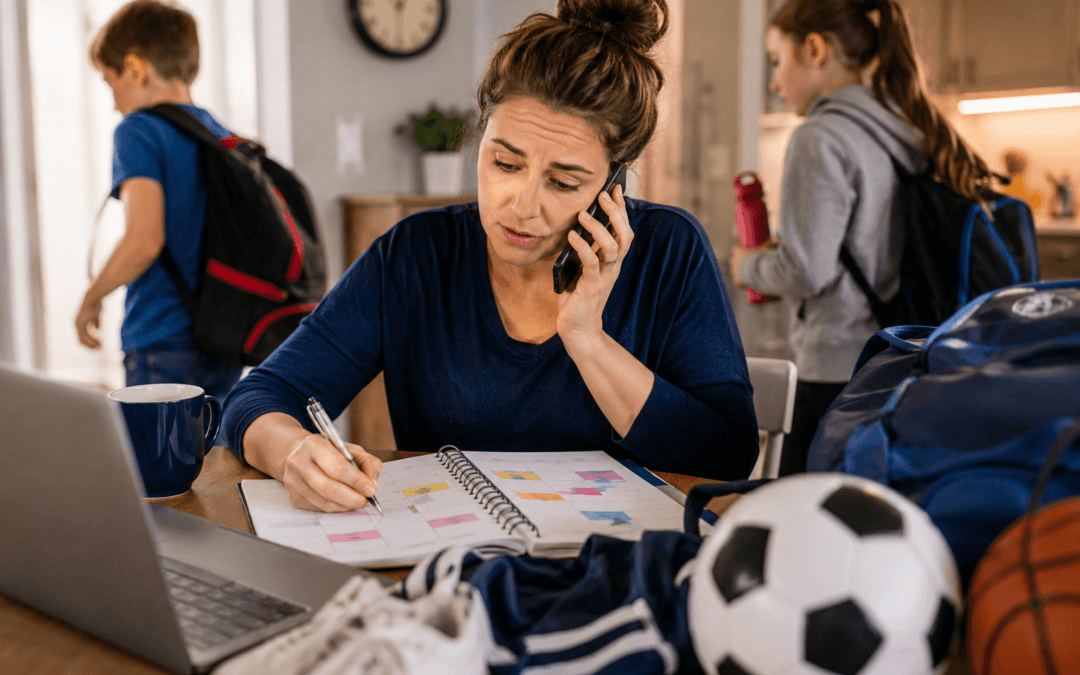
Practice is moved from 6:00 p.m. to 5:30. The coach updates the team app, and from the team’s perspective, the job is finished. The new time is posted, the notification goes out, and everyone has the information. For one parent, though, the work is just beginning. Now someone has to change the family calendar, text the other parent, figure out whether the earlier start affects work, move dinner, check the sibling pickup plan and decide who can actually get the player to practice on time. Youth sports scheduling software may have successfully updated the team, but the family still has to build the plan.
Youth sports software has gotten very good at organizing teams
Modern team platforms can handle rosters, schedules, RSVPs, messages, registration, payments, directions and notifications. Those features solve real problems for coaches, clubs and team administrators. They’ve also made information much easier to distribute. A coach can change a practice once and quickly alert an entire roster instead of making 15 phone calls.
However, getting information to a family and helping a family act on that information aren’t the same job. Most youth sports technology stops after delivering the event. From there, families take over. A parent still has to translate “Practice, 5:30 p.m., Field 3” into questions such as:
What time do we need to leave?
Who’s driving?
Can someone get out of work early enough?
What happens to the other child’s activity?
Does dinner move before or after practice?
Is there a carpool available?
Who else needs the updated time?
Has the family calendar been changed?
The team schedule contains the event. The family needs everything around it.
One parent becomes the family scheduling system
In many sports households, the information may technically be available to everyone. Still, one person becomes the calendar keeper. That parent knows which app contains the soccer schedule, which text thread the basketball coach uses and which weekend tournament time changed after the original calendar was published. They’re also the person who remembers that a 9:00 a.m. game really means leaving at 7:45 because the coach wants players there 45 minutes early and the field is 30 minutes away.
Soon, the role grows beyond calendar keeper. The same person becomes the messenger, reminder system, conflict checker and source of truth.
“Ask Mom what time we’re leaving.”
“Did Dad see the schedule change?”
“Who’s taking her Saturday?”
“What field are we on?”
The answers usually exist somewhere. The problem is that one parent has already done the work of finding them, connecting them and turning them into a usable family plan. That’s the Invisible Schedule: the schedule behind the schedule. Everyone can see the team event, but one parent often manages everything required to make it happen.
Why should every team require a new family habit?
Here’s where the youth sports industry should challenge its own finish line. Parents already have communication systems. They text their spouses and use Apple Calendar, Google Calendar or another shared family calendar. They message grandparents and carpool partners. Those habits existed before the latest team app appeared, and they’ll still exist when the next season starts on another platform.
Yet every new team can bring another system to learn. Download this app. Turn on these notifications. Check this tab. Watch this message thread. Subscribe to this calendar. Remember that tournament updates appear somewhere different.
The burden sounds small when each instruction is considered separately. Stack two or three kids, multiple sports, school activities and different organizations together, though, and the family can end up maintaining a miniature network of communication platforms. Then one parent connects them all manually.
Families shouldn’t have to reorganize their behavior around every team’s software. Youth sports scheduling software should adapt to the communication habits families already use.
Better youth sports scheduling software needs a different finish line
The industry has largely treated publication as completion.
Event created? Done.
Schedule updated? Done.
Notification sent? Done.
Those are useful checkpoints for the team, but they aren’t necessarily the finish line for the family. A better question is: Can the family act on this information now?
A family-ready event should leave fewer loose ends. The information should be current, the family calendar should reflect the event, timing should be clear, obvious conflicts should be visible and the right people should know what they need to do.
Transportation matters, too. Someone needs to know whether Mom is driving, Dad is picking up, the neighbor has carpool duty or nobody has made the decision yet.
The goal isn’t to eliminate every parent decision. Families will always need judgment. The goal is to stop making parents perform routine administrative work that software could handle more intelligently.
Imagine designing from the family backward
Most scheduling systems begin with the organization. A league needs a reliable way to publish events, coaches need tools to manage their teams, and club administrators need an efficient process for making updates. Those priorities make sense, but they don’t always reflect what happens once the information reaches a family.
All of this is reasonable. Still, family-centered design adds a question: What has to happen after this information reaches the parent?
Consider a Saturday tournament game posted for 10:15 a.m. A family-ready system wouldn’t treat 10:15 as the whole story. The useful plan might include an arrival requirement, estimated travel time, a suggested departure time and a surfaced conflict with another family event.
When the game moves to noon, the system should do more than send a push notification. The change affects the plan built around the event. That’s where technology has room to become much more helpful. Instead of requiring a parent to notice the update and reconstruct the day, better systems could help move the changed information into the places families actually use. They could reduce repetitive calendar editing, improve communication and reserve parent attention for choices that genuinely require a person.
In other words, software should carry more of the scheduling load before handing the rest to the family.
Coaches shouldn’t have to solve this alone either
This isn’t an argument that coaches need to become family logistics coordinators. Coaches already have plenty to manage, and most are simply using the tools available to them. A coach who updates practice promptly has done exactly what today’s system asks.
The bigger opportunity belongs to the youth sports industry. Better tools can help coaches communicate in ways that create less downstream work without asking coaches to manage every household’s calendar.
That benefits everyone. Coaches get fewer questions about information they already posted. Parents spend less time hunting through apps and messages. Players have a clearer plan for where they need to be and when. Good design can reduce friction on both sides.
From a team schedule to a family-ready plan
Youth sports technology has made tremendous progress in organizing teams. The next step is helping families participate without assigning one parent the unofficial job of human integration software. The standard should move beyond, “Did we post the schedule?” Instead, clubs, coaches and technology companies should start asking, “Did we give the family something they can actually use?”
A Team Schedule Is Not a Family Plan. The official calendar is only the starting point because practices, games and tournaments create a chain of transportation, timing, communication and household decisions that someone still has to connect.
Families already have ways to communicate. They already have calendars. They already have routines that hold work, school, meals, appointments and everything else together.
Youth sports scheduling software shouldn’t demand another layer of family administration. The better finish line is technology that meets families where they are and helps turn every team event into a plan they can actually follow.
Sammi is ready to make the Invisible Schedule more visible
Sammi is being built for the sports parent who’s tired of checking team apps, copying games into the family calendar, catching schedule changes and reminding everyone where they need to be. It connects youth sports schedules with the family calendar you already use, watches for changes and helps keep everyone informed without adding another calendar to manage.
Sammi launches in winter 2026. Parents and coaches can join the early-access list now at HeySammi.com to save a spot and learn more about what’s coming.
Practice is on the calendar for 6 p.m. Thursday. The location is correct and the team app has been updated. From a youth sports schedule planning standpoint, everything may appear finished. Meanwhile, a parent is still figuring out whether to leave work early, who can pick up a sibling, when the player needs to eat, which parent is driving, and whether everyone involved has the same plan. The event has been scheduled, but the family may not be ready for it.
It’s important to remember, youth sports schedules don’t exist in isolation. Every practice, game, tournament, team meeting, and last-minute change becomes part of a much larger family calendar. Publishing the event provides important information. Preparing the family to act on that information takes the process one step further.
There’s a useful name for that better finish line: Family-Ready.
What does Family-Ready mean in Youth Sports?
A sports event is Family-Ready when the information has moved beyond the team schedule and become a plan the family can actually follow. Consider a Saturday game scheduled for 10 a.m. The team calendar might include the game time, field, opponent, and uniform.
All of those details matter, but the family still needs answers to several practical questions.
What time does the player need to arrive?
What time does the family need to leave home?
Who’s driving to the game?
Who’s bringing the player home?
Does another child have an activity at the same time?
Does anyone need to change a work schedule?
What equipment, food, uniform pieces, or other items need to go?
Who else needs to know the plan?
Until those questions have been resolved, the event can be perfectly scheduled while the family remains unprepared.
Family-Ready gives parents and coaches a more useful way to think about the job of scheduling. The question is no longer only, “Was it posted?” Another question belongs beside it: “Can the family act on it?”
Youth Sports Schedule Planning doesn’t end when you hit “Publish”
Team calendars have gotten much better at distributing information. Apps can send notifications, update locations, sync calendars, and alert dozens of families within seconds. Those tools solve an important part of the problem. Still, information arriving on a phone doesn’t automatically turn into a workable Thursday evening.
Suppose practice starts at 5:30 p.m. A parent working until 4:45 may need to leave immediately, pick up the player, get home for equipment, find something for dinner, and arrange for someone else to collect a younger sibling at 6. Another parent may need to handle pickup after practice. The team calendar contains one event. The family plan contains the chain of decisions required to make that event happen.
We’ve called this hidden layer The Invisible Schedule throughout this series. It’s the schedule behind the schedule, built from all the transportation, timing, work, meals, siblings, equipment, communication, and conflicts surrounding the official team calendar. Family-Ready describes what should happen next.
From the Invisible Schedule to the Family-Ready standard
Recognizing the Invisible Schedule helps explain why youth sports coordination can feel like so much more work than a calendar full of practices and games would suggest. Family-Ready gives us a standard for improving the process.
An event is moving toward Family-Ready when:
The information is current. Families shouldn’t have to compare a text message, old email, team app, and group chat to determine which version is correct.
The family calendar reflects the event. Knowing something exists on the team calendar doesn’t guarantee it has reached everyone who needs to plan around it.
Timing is clear. A 6 p.m. game may require a 5:15 arrival and a 4:40 departure from home. Families often need the full timing picture, not just the start time.
Potential conflicts have surfaced. Work, school events, sibling activities, appointments, and transportation overlap quickly in busy households.
Transportation has been assigned or identified as a decision. Someone needs to know who’s taking the player and who’s bringing the player home.
The right people know the plan. Parents, players, grandparents, carpool partners, or other caregivers may all play a role.
Family-Ready doesn’t require coaches to organize every family’s private life. Coaches shouldn’t have to decide who’s making dinner or which parent handles pickup. Instead, the standard recognizes a simple reality: posting information and preparing people to use it are two different stages of scheduling.
What Family-Ready means for Coaches
For coaches, the Family-Ready idea starts with awareness rather than additional administrative work. A coach may see “Practice moved from 6 to 5:30” as one quick calendar edit. A family may experience the same change as a new work departure time, different school pickup plan, rushed dinner, lost carpool, and a text to a grandparent asking for help.
Good communication can reduce some of that friction. Coaches and team managers can help by providing complete information as early as possible, clearly identifying changes, and considering which details families need to make decisions. Arrival times, locations, equipment needs, likely end times, and schedule uncertainty can all matter.
Most important, coaches can stop treating publication as the only measure of successful communication. A schedule can be accurate from the team’s perspective and incomplete from the family’s perspective. Recognizing the difference is a small shift with a potentially big impact.
What Family-Ready means for Parents
Parents may recognize the other side of this process immediately. A notification arrives. You open it, check the time, compare calendars, send two texts, ask who can drive, move dinner earlier, tell your spouse, remind your child, and make a mental note to leave work 15 minutes sooner.
Then you close the team app. The app interaction took 20 seconds. The coordination around it may continue for the rest of the day.
Family-Ready provides language for what parents are already doing. More importantly, it changes the assumption that receiving the event information means the scheduling job has been completed. Parents aren’t simply consuming a schedule. They’re converting team information into a family plan.
A better standard for Youth Sports Schedule Planning
Youth sports will always involve some uncertainty. Fields close. Weather changes. Tournament brackets shift. Coaches get new information. Games run late. Nobody can eliminate every disruption, and families will always need to make some decisions themselves. Still, we can choose a better standard for what “done” means.
The old finish line looks something like this:
The event is posted. Families have the information.
The Family-Ready finish line goes further:
The event is current, the important details are clear, and the family has what it needs to turn the schedule into a workable plan.
This standard doesn’t require perfect predictability. It asks us to measure scheduling success by something more meaningful than whether an event appeared in an app.
Sammi is ready to make the Invisible Schedule more visible
Sammi is being built for the sports parent who’s tired of checking team apps, copying games into the family calendar, catching schedule changes and reminding everyone where they need to be. It connects youth sports schedules with the family calendar you already use, watches for changes and helps keep everyone informed without adding another calendar to manage.
Sammi launches in winter 2026. Parents and coaches can join the early-access list now at HeySammi.com to save a spot and learn more about what’s coming.
It’s 2:45 p.m., and a coach sends an update: practice has moved from 6 p.m. to 5:30. On the team calendar, it’s a simple edit. For the family receiving it, youth sports schedule changes can trigger a much longer list of adjustments involving work, dinner, sibling pickup, transportation and carpools.
Most coaches aren’t trying to make life harder for families. Fields become unavailable. Weather changes. Gym space gets shuffled. Another team runs long. Sometimes a practice simply has to move. Still, a 30-minute change on the team schedule can create an hour of coordination somewhere else.
Understanding that ripple effect can help coaches communicate schedule changes in a way that gives families a better chance to make everything work.
The team calendar only shows the first change
From a coach’s perspective, changing practice from 6 to 5:30 may feel straightforward. Update the app, send a notification and move on to preparing for practice. Meanwhile, a parent may have to figure out:
Can I leave work 30 minutes earlier?
Who can pick up my other child?
Does the carpool still work?
Does dinner need to move?
Can someone else drive?
Does my spouse know the plan changed?
Does my child need to bring gear to school instead of coming home first?
Will we make it across town in time?
One schedule change can become six or seven family decisions within minutes.
This is part of the Invisible Schedule, the family plan that exists behind the official team schedule. The team calendar tells families what is happening. Someone at home still has to turn that information into a plan everyone can actually follow.
Why youth sports schedule changes create a ripple effect
Youth sports families rarely organize one activity in isolation. Practice sits alongside jobs, school, homework, meals, sibling activities, appointments and everything else already packed into the day.
Consider a Tuesday practice originally scheduled for 6 p.m. A parent may have planned to finish work at 4:30, pick up two kids, start dinner at 5, meet another family for a 5:25 carpool and take a younger sibling to another activity at 6:15.
Move practice to 5:30, and the entire sequence changes. The parent might now need to leave work early. Dinner becomes something eaten in the car. The original carpool driver may not be available. A sibling may need another ride. Someone else in the family has to be contacted and brought into the new plan.
None of those consequences appear on the team calendar. They’re still real.
Coaches don’t need to avoid changes
A better communication standard doesn’t mean coaches can never adjust a schedule. Youth sports are too unpredictable for that.
Weather happens. Facilities change. Tournament times move. Opponents cancel. School events create conflicts. Coaches often have limited control over many of these situations. The goal is simply to recognize what happens after the change.
When possible, coaches can give families more time, clearer information and fewer unanswered questions. Those small communication habits can prevent a simple update from becoming a frantic chain of texts five minutes before everyone needs to leave.
Earlier communication gives families options
For many families, the biggest difference between a manageable schedule change and a stressful one is time. A parent who learns Monday evening that Tuesday practice moved 30 minutes earlier may be able to rearrange work, contact another parent or adjust a carpool. A parent who learns at 3:45 Tuesday afternoon has far fewer choices.
Coaches won’t always have advance notice themselves. Still, once a change is known, communicating it quickly matters. Waiting until every detail is perfect can sometimes create more problems than sending families a useful early warning. For example:
“Tuesday practice may move from 6 to 5:30 because of gym availability. I’ll confirm by noon tomorrow.”
Families now know there’s a possibility they may need to adjust. Later, the coach can send the final update. That extra notice lets parents start solving the Invisible Schedule before the clock starts working against them.
Clear youth sports schedule changes answer the obvious questions
Timing matters, but clarity matters too. A message such as “Practice changed tonight” makes every parent go looking for details. They have to open the app, find the event and compare the new information with what they remember.
A stronger message puts the important information in one place. For example:
“Tonight’s practice has moved from 6 to 5:30 p.m. at the same gym. Practice will still end at 7 p.m. Please arrive by 5:20. No other details have changed.”
Now parents immediately know:
What changed
What stayed the same
Where they need to be
When they need to arrive
When the event ends
A few extra words can eliminate a surprising amount of family detective work.
The end time matters too
Start times usually get most of the attention, but families plan around pickup times too. If practice starts 30 minutes earlier, does it also end 30 minutes earlier? Does the coach plan to keep the original ending time? Will practice run longer because the team lost court time earlier in the week?
Parents need to know because another schedule begins when practice ends. Someone may be picking up a sibling, getting back to work, attending another activity or meeting another parent to exchange kids. Including both the new start time and expected end time makes the update much more useful.
A simple communication standard for coaches
Coaches don’t need a complicated new system. A consistent approach to schedule changes can make communication much easier for everyone.
When a practice, game or team event changes, try to communicate these five things:
What changed? Give the old and new time, location or date so parents don’t have to compare calendars.
What stayed the same? If the location, pickup time or other details haven’t changed, say so.
When did you learn about it? When appropriate, brief context can help families understand why the notice came when it did.
What does the family need to do? Include arrival time, transportation expectations, equipment needs or anything else requiring action.
Could anything change again? If the update is still tentative, make that clear and tell families when they can expect confirmation.
This approach doesn’t eliminate schedule changes. It makes them easier to act on.
Think beyond “the update was posted”
Youth sports scheduling often treats posting information as the finish line. The time changed. The calendar was updated. The notification went out. Communication complete.
Families experience a different finish line. They still need to know who’s driving, when to leave, what happens to dinner, whether another child needs a ride and who else needs to hear about the change. A team schedule contains the event. A family still needs a workable plan around it.
Coaches don’t need to take responsibility for arranging every family’s logistics. However, understanding those logistics can change how schedule information is communicated. A little more notice and a little more clarity give parents something valuable: room to make a plan.
Better communication helps coaches too
Family-friendly communication isn’t only helpful for parents. Clearer updates can also mean fewer individual texts asking for clarification, fewer players arriving late because families misunderstood the new time and fewer last-minute transportation problems.
Everyone gets a more reliable version of the plan. Coaches can spend less time answering, “Wait, what time is practice now?” while families spend less time reconstructing an event from multiple notifications and messages.
Clear communication creates calmer coordination on both sides.
A schedule change is a family change
Coaches see one team, but every player comes with a family schedule operating behind the scenes. Changing one practice might affect a parent’s workday, another child’s activity, a carpool, dinner and transportation across town. None of this means coaches should feel guilty when plans need to change.
It means schedule changes deserve communication that reflects their real impact. When possible, send the information early. Put the important details together. Explain what changed and what didn’t. Give families enough information to turn the team update into a workable family plan.
Coaches: treat a schedule change like the family change it actually is. Better communication won’t prevent every scheduling problem, but it can make the Invisible Schedule much easier for families to manage.
Sammi is ready to make the Invisible Schedule more visible
Sammi is being built for the sports parent who’s tired of checking team apps, copying games into the family calendar, catching schedule changes and reminding everyone where they need to be. It connects youth sports schedules with the family calendar you already use, watches for changes and helps keep everyone informed without adding another calendar to manage.
Sammi launches in winter 2026. Parents and coaches can join the early-access list now at HeySammi.com to save a spot and learn more about what’s coming.
Some of the most common mistakes youth basketball coaches make come from trying to accomplish too much, too soon. Coaches want to win games, teach systems and prepare players for every situation, but young athletes still need time to build basic skills and basketball awareness. Avoiding the common mistakes youth basketball teams face can help coaches create practices that develop smarter, more versatile players while keeping kids active and engaged.
Youth basketball should build a foundation players can use as they get older. Coaches can still compete and introduce strategy, but development should stay at the center of the plan. A few small changes in how you teach defense, offense, positions and practice structure can make a major difference over the course of a season.
1. Relying Too Much on Zone Defense
Zone defense can be effective in youth basketball, especially against teams that struggle to shoot from outside. Because of that, it can be tempting to sit in a zone for most of the game and force opponents to beat you from the perimeter.
The problem comes when zone becomes the only defense your players know. Young players still need to learn how to guard the ball, move their feet, communicate and understand individual defensive responsibilities. Those skills carry over as the game becomes faster and more advanced.
There’s still a place for zone defense. A coach might use it for certain matchups or change defenses during a game. However, it should be another option in the toolbox rather than the entire defensive identity of a young team.
When teaching defense, spend plenty of time on fundamentals such as:
Staying between the offensive player and the basket
Moving your feet instead of reaching
Helping and recovering
Talking with teammates
Understanding basic defensive positioning
Teaching those habits early gives players a stronger foundation for whatever defensive system they encounter later.
2. Teaching Too Many Offensive Plays
Another one of the common mistakes youth basketball coaches make is creating an offense that requires young players to memorize too much. A youth team probably doesn’t need six different half-court plays with complicated names and multiple options. Every additional play takes practice time to teach, review and correct. Eventually, coaches can spend more time rehearsing plays than developing players.
Instead, choose a simple offensive structure and get good at it. Depending on the age group, you may also need an inbound play, a sideline play and a basic press break. Beyond that, players can benefit more from learning how to recognize what the defense gives them.
Teaching reads helps players understand questions such as:
Is the driving lane open?
Where is the help defender?
Should I pass, pivot or continue toward the basket?
What should I do if the defense takes away our first option?
Those decisions teach players how to think through the game. Over time, a player who understands basketball reads can adjust to different offenses much more easily than one who only knows how to run a collection of memorized plays.
3. Specializing Players by Position Too Early
The tallest kid on a fourth-grade team often becomes the center. The best dribbler becomes the point guard. Once those labels stick, players may spend years practicing only the skills connected to one position.
Kids grow and change, though. The tallest player in fifth grade might not be the tallest player in high school. A young post player may eventually need guard skills, while today’s point guard could develop into a wing. Youth coaches can help by giving players opportunities to do more.
Let taller players handle the ball. Let guards learn to post up. Give different players chances to rebound, pass, screen and finish around the basket. You can still use players where they’re most effective during games while giving them broader opportunities during practices.
Position flexibility helps create more complete players. It also keeps coaches from making long-term decisions based on a child’s current size or skill set.
4. Letting Players Stand Around During Practice
Long lines can quietly eat up a youth basketball practice. A coach might design a good drill, explain it clearly and still lose valuable development time because four players are waiting while one player gets a repetition. Besides reducing touches, standing around gives young athletes plenty of opportunities to lose focus, talk or mess with teammates.
One coach in the TeachHoops discussion above used tracking technology to measure movement during practice. Even though he believed his team rarely stood still, the data showed far more inactive time than expected during a 90-minute session.
The lesson is useful for any youth coach: look at practice from the player’s perspective.
If a drill has eight players and only one is moving, ask whether you can split the group. If you have several baskets available, spread players out. When possible, design drills that include movement between repetitions instead of having kids wait in a long line.
Smaller groups can produce:
More repetitions
More ball touches
Better conditioning
Less downtime
Greater concentration
More opportunities for coaching feedback
You don’t need every player moving every second. Water breaks, instruction and scrimmage substitutions naturally create some downtime. Still, reducing unnecessary standing can make a 60- or 90-minute practice much more productive.
How to Avoid Common Mistakes Youth Basketball Coaches Make
Improving a youth basketball program doesn’t require rebuilding everything at once. Start by looking at how much practice time goes toward actual player development. Ask yourself a few simple questions:
Are we teaching individual defense, or are we hiding behind a zone?
Are players learning basketball decisions, or mainly memorizing plays?
Are players developing several skills and positions?
How often are kids waiting in lines during practice?
The answers can help you decide where to make changes. In many cases, simplifying your approach creates more time for the skills young players actually need.
Keep Youth Basketball Focused on Development
Winning matters to players and coaches, and competition is part of what makes basketball fun. Still, youth basketball gives coaches an opportunity to prepare players for much more than the next weekend tournament.
Avoiding common mistakes youth basketball coaches make means choosing development over shortcuts when possible. Teach players to defend individually, read the floor, develop a complete skill set and stay active during practice. Those habits can help them now while giving them a much better basketball base for the years ahead.
The best youth practices don’t have to be complicated. Keep teaching simple, keep players moving and give them plenty of chances to think, compete and improve.
Your phone buzzes at 4:17 p.m. Practice moved from Field 2 to Field 5. Ten minutes later, another notification reminds you that practice starts at 6. Your calendar already has the event. Your spouse can see it too. Somehow, you still need to figure out who’s driving, when your child needs to leave, what happens with dinner and whether somebody can pick up the younger sibling. Youth sports scheduling gives families more information than ever, but information alone doesn’t finish the job.
Most youth sports platforms are pretty good at telling parents what’s happening. The problem comes after the notification arrives. Someone still has to turn the team update into a plan the family can actually follow.
The youth sports scheduling problem isn’t a lack of information
Youth sports families rarely suffer from a shortage of messages. Between team apps, email, text chains, calendar alerts and coach notifications, parents can receive the same piece of information several different ways. More communication sounds like the obvious solution. In practice, however, each new message can create another small task.
A notification that says, “Practice changed to 5:30,” may require a parent to:
Update the family calendar.
Check whether the new time conflicts with work.
Find out whether another child needs a ride somewhere.
Text a spouse or grandparent.
Rearrange dinner.
Confirm who’s handling pickup.
Tell the player when to start getting ready.
Make sure the correct uniform or equipment is packed.
The team supplied one update. The family received eight new decisions.
Parents aren’t struggling because they failed to check the app often enough but because they’re doing the coordination work that begins after they check it.
1. More notifications don’t create a family plan
Notifications are useful. Parents need to know when something changes, and coaches need an efficient way to communicate those changes. Problems start when notification becomes the finish line.
Consider a message that arrives during the workday: “Tonight’s practice will start 30 minutes earlier.” The information is clear, but the logistics aren’t.
Who can leave work early enough to drive? Does the carpool still work? Can the player eat before practice? Does someone need to tell the other parent? Will the sibling now be alone at another activity?
A second reminder at 4 p.m. doesn’t answer any of those questions. It simply reminds somebody that the questions still need answers.
Good youth sports scheduling should help reduce coordination work, not produce more opportunities to remember it.
2. Another team app can become another place to check
Parents with multiple children may deal with different clubs, leagues and schools, each using its own preferred platform. One coach communicates through an app. Another sends email. A third relies heavily on group texts. Soon, keeping up starts to feel like a scavenger hunt.
Adding another app may organize one team beautifully while making the family’s overall system more complicated. A parent still has to collect information from each source and combine it into one workable household plan.
The question shouldn’t only be, “Where can we post the schedule?” A better question is, “How does this schedule become useful to the family?”
Those two questions lead to very different solutions.
3. Calendar feeds and shared calendars leave logistical work to be done
Calendar syncing is one of the most useful features sports platforms offer. Getting games and practices onto a personal or shared family calendar saves time, reduces manual entry and gives everyone a common place to see what’s coming. Still, visibility isn’t the same as coordination.
A calendar event that says “6:00 p.m. Basketball practice” doesn’t necessarily tell the family:
Leave home at 5:15.
Dad’s driving.
Mom’s picking up at 7:30.
Bring the blue practice jersey and water bottle.
Eat before leaving.
Grandma needs to pick up the younger sibling.
Tomorrow’s homework needs to get done before practice.
The event can sync perfectly while the family coordination remains completely manual. When one parent enters the details, interprets the schedule and assigns the logistics, the calendar may be shared while the mental workload remains remarkably one-sided.
Calendar sync is helpful, as are shared calendars. But neither automatically creates shared responsibility or a complete family plan.
4. Repeated reminders still leave someone responsible
Reminders work well when the problem is forgetting. Youth sports scheduling often involves a different problem: deciding. A reminder can tell a parent that Saturday’s tournament begins at 9 a.m. It can’t automatically decide when the family should leave, whether the 45-minute drive requires extra time, who’s packing snacks or how another child gets to a birthday party at 10. Someone becomes the decision-maker by default.
Usually, it’s the same person who knows where the uniform is, remembers the tournament address, catches the schedule change and tells everyone else what the new plan is. Sending that person three reminders instead of one doesn’t distribute the responsibility. It gives the same person three reminders about the responsibility they already carry.
5. “Just check the app” pushes the last step onto families
“Just check the app” makes sense from a team-management perspective. Coaches and administrators need one reliable place to post accurate information, especially when they’re responsible for dozens of families. Still, checking the app only answers the team-level question: What’s happening?
For families, another question emerges: What does this mean for us?
A 7 p.m. game might actually mean leaving at 5:35. A venue change could mean a different carpool. A Saturday tournament could alter meals, sibling plans and an entire afternoon.
Coaches don’t need to solve every family’s logistics. No reasonable parent expects them to. Youth sports systems, however, should recognize that publishing an event begins the family planning process rather than completing it.
What better youth sports scheduling could look like
A more useful standard starts by asking whether a sports event is ready for a family to act on. Instead of measuring success by whether the event was posted, synced or acknowledged, consider whether the family knows enough to execute the plan.
A family-ready event would make it easier to determine:
What’s current? The date, time and location are accurate.
When do we need to act? Arrival and leave times are clear.
Who’s responsible? Transportation is assigned or still needs a decision.
What conflicts exist? Work, school, siblings and other commitments are visible.
What does the player need? Gear and other requirements are clear.
Who needs to know? The right family members have the plan.
What happens after a change? Updates flow into the family plan instead of restarting the entire process.
This moves youth sports scheduling beyond broadcasting information and closer to helping families use it.
The goal should be fewer loose ends, not more alerts
Youth sports technology has made enormous progress in helping teams publish schedules, communicate changes and keep everyone connected. Those tools matter, and coaches shouldn’t have to become personal logistics managers for every household. The next improvement needs to address what happens after the schedule reaches the parent.
More notifications can’t assign the carpool. Another app can’t automatically resolve a sibling conflict. A calendar feed doesn’t necessarily tell someone when to leave. Repeated reminders don’t spread responsibility across the family. Everyone may be able to see the team schedule, while one parent still runs the Invisible Schedule.
Better youth sports scheduling should close that gap. Instead of asking how many ways we can remind families about an event, maybe the better question is simpler: How do we help turn the event into a plan the family can actually follow?
Sammi is ready to make the Invisible Schedule more visible
Sammi is being built for the sports parent who’s tired of checking team apps, copying games into the family calendar, catching schedule changes and reminding everyone where they need to be. It connects youth sports schedules with the family calendar you already use, watches for changes and helps keep everyone informed without adding another calendar to manage.
Sammi launches in winter 2026. Parents and coaches can join the early-access list now at HeySammi.com to save a spot and learn more about what’s coming.
Attacking a 2-3 zone requires more than passing the ball around the perimeter and hoping an open 3-pointer appears. A productive zone offense creates movement, forces defenders to make decisions and finds gaps before the defense can settle into its normal rotations.
Coaches don’t need a complicated playbook to accomplish those goals. A few clear principles, including proper spacing, ball screens, high-post touches and strong offensive rebounding, can give players several reliable ways to break down a 2-3 zone.
1. Don’t settle for perimeter shots
One of the most common problems against a zone is the temptation to shoot too many 3-pointers.
Outside shots can certainly punish a defense, especially when the offense has capable shooters. However, a team shouldn’t build its entire approach around making contested jumpers. Teams that aren’t strong from behind the arc need other ways to create quality scoring opportunities.
Instead, the offense should use several simple actions. Players can screen the zone, cut behind defenders, flash into open areas and attack the paint off the dribble. Those movements create better shots while keeping the defense from becoming comfortable.
Variety also matters. Running the same action every possession allows defenders to anticipate where the ball is going. Using a small collection of connected actions makes the offense harder to read without overwhelming players.
2. Make zone defenders choose
The basic goal of attacking a zone is to make one defender guard two offensive players or two areas at once.
A 2-3 zone works best when every defender can remain inside an assigned area. Once the offense stretches those areas, screens a defender or overloads one side, someone must leave the standard rotation.
Every offensive action should create a question for the defense:
Who stops the ball?
Who covers the high post?
Who protects the rim?
Who closes out to the corner?
Who boxes out after the shot?
When defenders have clear answers, the zone stays organized. When two players hesitate or cover the same offensive threat, a scoring lane opens.
3. Using ball screens when attacking a 2-3 zone
Ball screens can disrupt the top line of a 2-3 zone and force an unfamiliar rotation.
For example, place the ball on the wing and bring a high-post player up to screen the nearest top defender. The ballhandler can then attack toward the middle. Meanwhile, another offensive player spaces to the corner and the remaining guards maintain passing angles.
The second top defender must now make a choice. If the defender steps up to stop the drive, the ballhandler can kick the ball to an open teammate. If the defender stays home, the ballhandler may reach the paint or pull up for a short jumper.
The screener also creates another problem by rolling into the middle. A bottom defender or the center of the zone may have to step forward, which can free a player along the baseline.
This action works because most zone defenses spend more practice time preparing for passes and cuts than preparing for an on-ball screen. Screening the top defender takes the defense out of its usual pattern and creates a moment of uncertainty.
4. Attack the middle of the zone
The high post is one of the most valuable areas against a 2-3 zone.
A player stationed near the free-throw line can catch, turn and see nearly every scoring option. From there, the player may have a short jumper, a high-low pass, a dump-down to the block or a kickout to a perimeter shooter.
Teams don’t always need a traditional post player in this position. A taller guard or versatile forward who can catch in traffic, make a 15-foot shot and pass under pressure may be a better fit.
Timing is critical. Players shouldn’t stand in the high post and wait for the ball. Instead, they should flash into the opening as the defense shifts. A well-timed flash allows the offensive player to arrive before the defender and receive the pass in rhythm.
Once the ball reaches the middle, the center of the zone must react. If that defender steps up, the low-post player may be open. If the defender stays near the rim, the high-post player can shoot or drive.
5. Screen and seal the middle defender
The middle defender often serves as the rim protector in a 2-3 zone. Many offenses allow that player to remain comfortable near the basket.
Coaches can change the matchup by screening, pinning or sealing the middle defender.
A strong interior seal can create a one-on-one post opportunity. Good spacing makes the action even more effective because the other zone defenders can’t help without leaving an outside shooter or short-corner player.
The offensive post can also seal as a teammate drives toward the lane. Instead of allowing the middle defender to step up and challenge the ball, the post player holds the defender in place. Even a brief seal may provide enough time for the driver to finish or make a simple pass.
Teams should make the middle defender work throughout the possession. Repeated screens, seals and high-low actions can wear down a player who usually spends much of the possession waiting near the rim.
6. Overload one side of the floor
An overload places more offensive players in one area than the zone can comfortably cover.
One useful alignment places a player on the wing, one in the corner, one at the high post and one near the low block. The fifth player remains on the opposite side as a reversal or skip-pass option.
This alignment resembles a chair, with players positioned along the sideline and through the middle of the floor. More importantly, it forces the defense to decide who will cover the high-post player.
Will the middle defender step up? Will the opposite top defender drop down? Will the low defender leave the block?
No matter which option the defense chooses, another area may become available. The offense must recognize the choice and move the ball before the zone recovers.
7. Use a baseline runner and opposite-wing flash
Continuity can help younger teams attack a zone without relying on a long list of set plays.
One approach uses a baseline runner who travels from corner to corner, occasionally stopping in the short corner. A post player moves from block to block while looking for seals and scoring angles.
As the ball moves from one wing to the other, the opposite wing flashes toward the high post. The player who passed or vacated the area can then flare back to the perimeter, helping stretch the defense.
The same flash can occur on a skip pass. As the ball travels over the zone, the opposite player cuts into the open space and tries to arrive before the rotating defender.
This movement keeps players from standing around the perimeter. It also provides clear rules that players can repeat:
Move the ball from side to side.
Flash into the open middle.
Fill the space behind the cutter.
Keep the baseline occupied.
Look inside before reversing the ball again.
Even middle school teams can run this type of continuity when the reads and responsibilities remain simple.
8. Teach players to find open space
Zone offense depends on awareness as much as execution.
Players must learn to see where defenders are moving and cut into the space they leave behind. When a top defender shades toward the wing, an offensive player can flash behind the defender. When the zone overloads the ball side, the offense can use a skip pass. When the middle defender steps up, a post player can slide toward the rim.
Cuts should have a purpose. Random movement may clog the lane or bring an extra defender toward the ball. Smart movement stretches the zone horizontally and vertically.
Coaches can reinforce this habit with small-sided games. Place three or four offensive players against two or three zone defenders, then reward paint touches, high-post catches and passes to the short corner. These drills help players identify openings instead of memorizing spots.
9. Reverse the ball with purpose
Ball movement can shift a zone, but slow perimeter passing won’t create much pressure.
The offense should reverse the ball quickly enough to force long closeouts. Players must be ready to catch facing the basket, read the defense and make the next decision immediately.
When the defense prevents a normal reversal, the skip pass becomes an important counter. A firm pass from one wing to the opposite side can move the ball faster than the zone can rotate.
Players away from the ball shouldn’t watch the pass. The skip should trigger a flash, baseline cut or seal. Pairing ball movement with player movement makes the reversal much more dangerous.
Crash the offensive glass
Offensive rebounding is one of the most overlooked ways to score against a zone.
Man-to-man defenses usually give each player a clear boxout assignment. Zone defenders are responsible for areas, so locating a specific offensive player after the shot can be more difficult.
Longer jump shots also produce long rebounds. Players cutting from the weak side or moving along the baseline may have a clear path to the ball while defenders turn and search for someone to block out.
Coaches should assign rebounding responsibilities instead of sending everyone back on defense automatically. A post player, baseline runner and weak-side wing can often attack the glass while the remaining players protect against transition.
Strong offensive rebounding can turn a decent zone possession into two or three scoring chances.
Build a flexible zone offense
A successful plan for attacking a 2-3 zone doesn’t need dozens of plays. It needs spacing, movement and a few actions that force defenders to make difficult choices.
Ball screens challenge the top line. High-post flashes attack the middle. Interior seals occupy the rim protector. Overloads stretch the defense while skip passes punish slow rotations. Finally, offensive rebounding creates extra possessions when the first shot misses.
Most importantly, players can’t become spectators. A zone wants the offense to stand, stare and settle. Consistent cutting, quick passing and purposeful pressure can keep the defense moving until a scoring opportunity appears.
Learning how to run a youth basketball tournament takes more than booking a gym and building a bracket. A good event needs clear communication, reliable volunteers, sensible scheduling and a few memorable touches that make players feel like they’re part of something special.
Coach Luke Donley has helped grow the Best of the West tournament near Sacramento into a three-day event featuring roughly 40 basketball and volleyball teams. The tournament serves mostly small Christian schools and gives many athletes a state-tournament-style experience they may not receive during their regular season.
His experience offers a practical blueprint for coaches and athletic directors who want to build a tournament that runs smoothly and keeps teams coming back.
Start Planning Earlier Than You Think
The work begins long before the first tipoff. Donley’s staff holds a review meeting within about a month of the previous tournament to discuss what worked, what went wrong and what should change the following year.
Early planning gives organizers time to secure facilities, officials, volunteers and participating teams. It also reduces rushed decisions once the schedule starts filling up.
Create a shared document where staff members can add ideas throughout the year. Keep notes on scheduling problems, equipment needs, volunteer gaps and player feedback. Those details are easy to forget once the final buzzer sounds.
Build a Tournament Leadership Team
One person shouldn’t try to manage every moving part. A successful tournament needs people who can take ownership of specific areas.
The Best of the West tournament uses separate leaders for basketball, volleyball, media and the banquet. Volunteers also handle scorekeeping, statistics, livestreaming and other court-level responsibilities.
A basic basketball tournament staff could include:
Tournament director
Scheduling coordinator
Officials coordinator
Volunteer coordinator
Media or livestream director
Registration leader
Scorekeeping supervisor
Hospitality coordinator
Clear roles create calmer courts. Volunteers should know where to report, what they’re responsible for and who can answer questions when problems pop up.
Recruit Volunteers Who Want to Be There
Reliable volunteers can make or break a youth tournament. Donley estimates that 60 to 70 people help operate the event, including church members and college students. Many volunteers return each year and handle the same responsibilities.
Retention matters because experienced volunteers need less training and can solve small problems before they become big ones. A returning scorekeeper already knows the software. A returning court supervisor understands the schedule and facility.
Match people with jobs they’ll enjoy. Someone who loves basketball may prefer running a scoreboard or tracking stats. A volunteer interested in photography or video may fit better with the media team.
People are more likely to return when they feel useful, prepared and appreciated.
Create a Realistic Game Schedule
Tournament scheduling requires a balance between value and logistics. Teams want enough games to justify their travel costs, but too many games can create fatigue, delays and staffing problems.
Every team at the Best of the West tournament is guaranteed five games. The event uses pool or play-in games before moving into bracket play. One recent tournament included 113 games across seven courts.
When building your schedule, account for:
Warm-up time
Halftime
Overtime
Court transitions
Officials’ breaks
Possible delays
Travel between facilities
Avoid packing games so tightly that one late start ruins the entire day. A small scheduling cushion can save plenty of stress.
Make the Tournament Feel Important
Coaches often focus on schedules and scores, but players remember the atmosphere.
The Best of the West tournament uses music, player introductions, live commentary and championship presentations to create a big-event feel. Its most recognizable feature is a large bracket wall where advancing teams place their names as they move toward the championship.
Small touches can create serious excitement. Consider adding:
Starting lineup introductions
Tournament-branded warm-up shirts
Updated brackets in a visible location
Player or team photos
Championship music
Social media highlights
Senior recognition
Postgame interviews
A modest budget doesn’t have to mean a forgettable event. Creative details can carry more weight than expensive extras.
Livestream the Games When Possible
Livestreaming gives families another way to follow the tournament, especially when teams travel from different states.
The Best of the West staff streams games using iPads, YouTube and affordable scoring software. Donley estimated that the tournament generated about 20,000 views across three days. A basic livestream setup can include:
A phone or tablet
A stable tripod
Reliable internet
A YouTube channel
Simple scoreboard software
A volunteer camera operator
Test every court before the tournament begins. Poor audio is manageable, but a dead battery or weak connection can wipe out an entire game.
Track Scores, Stats and Results
Players enjoy seeing their names connected to the event. The Best of the West tournament records statistics and displays leaderboards on televisions throughout the facility. Athletes can check where they rank in categories such as assists and rebounds.
Tournament stats also provide useful content for social media, awards and post-event recaps. Keep the process simple enough that volunteers can record information accurately.
At minimum, maintain updated scores, standings and brackets. Add individual statistics only when you have enough trained workers to handle them consistently.
Add Meaningful Player Recognition
Recognition helps separate a special tournament from a standard weekend event. Before the Best of the West tournament, coaches submit player photos so organizers can create personalized trading cards for seniors. Each senior receives three cards to keep or share with family and friends.
Other affordable recognition ideas include certificates, printed photos, all-tournament teams and personalized social media graphics. Keep awards thoughtful without turning the event into an individual showcase.
Players should leave feeling appreciated, whether they won the championship or lost their final game.
Review the Event While It’s Fresh
The tournament isn’t finished when the gym clears. Schedule a short staff meeting soon after the event and document what happened.
Ask volunteers which jobs were confusing, where delays occurred and what equipment needs replacing. Collect feedback from coaches about scheduling, communication and facilities.
Donley encourages staff members to record ideas during the event rather than trying to discuss every suggestion in the middle of tournament chaos. The staff reviews those notes afterward and uses them to prepare for the next year.
Final Thoughts on How to Run a Youth Basketball Tournament
Anyone learning how to run a youth basketball tournament should focus first on organization, communication and volunteer support. Those three areas provide the foundation for everything else.
Once the basics are covered, look for simple ways to improve the player and fan experience. A livestream, visible bracket, player introduction or personalized gift can turn a routine event into a lasting memory.
Start with what your program can manage, learn from each event and make the next tournament a little better.
Teaching basketball shot selection can be one of the toughest jobs for a youth coach. Young players often want to shoot as soon as they touch the ball, especially when they get behind the three-point line. Meanwhile, parents in the stands may be yelling for them to shoot even when a better option is available.
Players need a simple way to understand when to shoot, when to pass and when to keep the possession moving. The “good shot, great shot, no shot” method gives coaches an easy system they can use during practices, scrimmages and games.
Why Shot Selection Matters in Youth Basketball
Most young players judge their performance by how many points they score. Parents often reinforce the same idea by asking, “How many points did you have?” before asking about defense, passing or decision-making.
Scoring matters, but basketball remains a team game. A player who passes up a difficult attempt to create an open layup for a teammate has made a winning play, even if the box score does not show it.
Good shot selection also helps teams score more efficiently. Instead of settling for contested jumpers, players begin looking for open layups, balanced shots and teammates in better positions.
Coaches should connect shot selection to team success rather than making it sound like a punishment. The goal is not to stop players from shooting. The goal is to help them recognize the best available opportunity.
Teaching Basketball Shot Selection with 3 Simple Categories:
The good shot, great shot, no shot system works because young players can understand it quickly.
1. Great Shot
A great shot is the best option available during the possession. For most youth teams, great shots include:
An open layup
A shot close to the basket with no defender nearby
An uncontested attempt from a player’s comfortable range
A shot taken while the player is balanced and under control
An open attempt created by an extra pass
At the third-, fourth- and fifth-grade levels, an open layup should almost always be considered a great shot. Coaches should encourage players to attack the basket and create high-percentage opportunities before relying heavily on outside shots.
2. Good Shot
A good shot is a reasonable attempt, even if it is not the best possible option. Examples may include:
An open midrange jumper
A controlled drive by a capable ball handler
A three-pointer taken by a player who has demonstrated that range
A balanced shot taken within the flow of the offense
The difference between a good shot and a great shot often depends on what else was available. An open midrange jumper may be good, but passing to a teammate standing alone under the basket would create a great shot.
3. No Shot
A no shot is an attempt that should not be taken in that situation. Common examples include:
A heavily contested jumper
A shot taken while falling away or off balance
A three-pointer from outside the player’s reliable range
A rushed attempt early in the possession
A difficult shot when a teammate is wide open
A drive into multiple defenders by a player who cannot control the ball in traffic
Labeling an attempt a no shot should not embarrass the player. Coaches should explain why the attempt was poor and help the player identify a better option.
Use Scrimmages to Provide Immediate Feedback
Live scrimmages offer one of the best opportunities for teaching basketball shot selection. When a questionable attempt occurs, stop the action briefly and ask the players to classify it: “Was that a good shot, a great shot or a no shot?”
Let the players answer before giving your opinion. Follow up by asking why they chose that category. A player might explain that the shot was contested, outside their range or taken while off balance. Another player might notice that a teammate was open near the basket.
This process encourages players to think through the possession rather than simply obeying a coach’s command. They begin learning how to evaluate spacing, balance, defensive pressure and available passing options.
Immediate feedback also helps connect the lesson to the exact moment it happened. Players do not have to remember a possession from 20 minutes earlier. They can see the floor, recognize the mistake and try a better decision on the next trip.
Coaches should keep these stoppages short. Pause, ask the question, get an explanation and resume play. Long lectures can disrupt the pace of practice and cause players to lose interest.
Help Players Learn Their Shooting Range
A major part of shot selection involves understanding personal range. Players usually have a general idea of where they can shoot comfortably, but practice results should confirm it. A player who consistently struggles to reach the rim from the three-point line is not ready to take that shot during a game.
Coaches can identify range through shooting drills, small-sided games and scrimmages. Look for attempts where the player can maintain normal mechanics without pushing the ball from the hip or changing the release.
Range will vary from player to player. One athlete may be ready to shoot open threes, while another should remain closer to the basket. Both players can still contribute to the offense.
Shot selection should reflect current ability, not where the player hopes to shoot someday.
Shot Selection should be Different for Each Player
Coaches should avoid creating one rigid shooting rule for the entire roster. A skilled guard may be able to split two defenders and finish at the basket. The same drive might be a poor choice for a player who struggles to control the ball in traffic.
One player may be capable of making an open three-pointer. Another may provide more value by cutting, screening, rebounding or attacking from a shorter distance.
Players sometimes notice these differences and ask why a teammate can take a shot they are discouraged from attempting. Use those moments to explain that every player has different strengths.
The message should remain positive: “This is where your game is right now. Keep working, and your options will grow.”
Individual standards are not unfair. They are part of helping each player make decisions that fit their current skill level.
Review Shot Selection on Film
Older teams can reinforce the same concepts through film study. Pause the video before a shot and ask players to examine the possession. Was the shooter open? Were they balanced? Was the attempt within their range? Did another player have a better opportunity?
Film allows players to see passing lanes and defensive positioning that may have been difficult to recognize during live action. It also gives the coach a chance to praise players who passed up a decent shot to create a better one.
Youth coaches without regular access to game film can still use short practice clips recorded on a phone or tablet. Even a few possessions can lead to a useful conversation.
Make Better Shots Part of the Team Culture
Teaching basketball shot selection works best when it becomes part of the team’s everyday language. Use the same terms during drills, scrimmages, film sessions and games. Praise players for creating great shots, not only for making baskets. Recognize the extra pass, the controlled drive and the decision to avoid a contested attempt.
Players will still make mistakes. They will take rushed shots, force drives and occasionally listen to someone in the stands yelling, “Shoot!”
Consistent feedback will gradually change those habits. Players begin passing out of difficult situations, finding open teammates and understanding where they are most effective.
The improvement may not happen in one practice, but the good shot, great shot, no shot method gives players a clear starting point. Keep the definitions simple, adjust them for individual ability and provide feedback while the decision is still fresh.
Better shot selection leads to more efficient offense, improved teamwork and smarter basketball players.
More than a billion people watched Spain and Argentina play 90 minutes of scoreless soccer in the World Cup final. Then they watched another 30 minutes of extra time. The only goal came in the 106th minute, and the final score was 1-0. Somehow, the world called it beautiful. Yet when one team runs a patient 45-second possession in a high school gym, the high school basketball shot clock debate starts all over again.
Nobody stormed out of MetLife Stadium demanding that FIFA speed up the game. Nobody complained that Spain refused to play soccer the right way because it passed the ball hundreds of times. Instead, fans appreciated the patience, tension and tactical battle. The long buildup made the winning goal matter even more.
Now think about what happens in a high school gym in February.
A team leads by four points with two minutes remaining. The players spread the floor, protect the basketball and force the defense to apply pressure. The ball moves, the game clock runs, and someone in the third row stands up and yells, “Play basketball!” By the next morning, people are arguing about the shot clock again.
What the High School Basketball Shot Clock Debate is Really About
I coached for 30 years, and I have been on both sides of a stall. I have held the ball while protecting a lead, and I have chased teams that held it against us. Believe me, I understand the frustration.
Watching another team protect the basketball while your season slips away is miserable. However, the World Cup final offered an important reminder: scarcity creates drama.
When scoring is difficult, every opportunity matters. Soccer fans understand that. Basketball fans, meanwhile, have started acting as though more shots automatically create a better game.
They don’t. More shots simply create more shots. Good basketball is about execution, decision-making and finding the best way to win with the players available.
Slowing the Game is a Basketball Strategy
When a high school team slows the tempo, it is not refusing to compete. It is using strategy. A coach studies both rosters and determines which style gives his team the best chance. For example, an undersized team may need to value every possession. A undermanned group may need to turn a fast-paced game into a half-court battle.
Removing that option does not necessarily make basketball fairer. In many cases, it makes the game easier for the team with more size, depth and athleticism.
A shot clock often rewards talented rosters. Schools with strong transfer pipelines, deep benches and year-round AAU talent are usually better prepared to create a quality shot within a limited amount of time. Meanwhile, coaches at smaller programs may have fewer ways to control the matchup.
Therefore, slowing the game can be more than a stalling tactic. It can be the best way for a disciplined team to compete against a more talented opponent.
The High School Basketball Shot Clock Is Coming
Still, coaches have to be realistic. The high school basketball shot clock is already being used in many states, and it will likely continue spreading.
Players also want to play the style of basketball they watch on television. As a result, coaches cannot simply dismiss the change. A 35-second shot clock doesn’t eliminate strategy. Teams can still control tempo, shorten games and force opponents to defend for extended stretches. However, they must become more precise.
Coaches who succeed with a shot clock teach their players how to handle it. That includes:
Late-clock offense
End-of-quarter possessions
Time-and-score awareness
Defensive pressure as the clock winds down
Quick-hitting actions
Shot selection under pressure
Transitioning into a secondary offensive option
These situations should be practiced regularly. Otherwise, players are forced to figure them out during the most important moments of the season.
How Coaches Should Prepare for a High School Basketball Shot Clock
The first step is teaching players that the clock is information, not a reason to panic. Early in a possession, the offense should run its normal actions and look for a quality opportunity. As the clock moves under 15 seconds, players need to recognize which set, ball-screen action or isolation option the team wants to use.
Communication also becomes critical. Players must know how much time remains without staring at the clock and losing track of their responsibilities.
Defensively, teams should understand when to increase pressure. A possession with eight seconds remaining is different from one with 28 seconds left. Smart defenders use the clock as an extra teammate.
Most importantly, coaches should practice these moments before they become emergencies. Put 12 seconds on the clock and require a quality shot. Start a possession with 22 seconds remaining and work on flowing from one action into another.
The shot clock should become part of practice rather than something players notice only on game night.
Patience Still Matters in Basketball
The World Cup final was not memorable because of the number of shots. It was memorable because two teams executed their plans under pressure for two hours. Eventually, one moment of quality decided the championship.
Basketball should be judged by a similar standard. Teach players to value the ball. Teach them that every possession has value. Teach them that patience can be a weapon and panic is a choice.
A high school basketball shot clock may change how long a team can hold the ball, but it does not change the importance of execution. Whether a possession lasts 15 seconds or 35 seconds, players still need to make good decisions and play together.
Spain went 105 minutes without scoring and still won the biggest game in the world. Your team can survive a 45-second possession.
Coach on.
Want to learn the systems behind possession-by-possession basketball? Join more than 200,000 coaches inside TeachHoops and continue building a better program.
Good basketball defensive tracking stats help coaches move beyond guesses. A team may look active, loud and aggressive, but the real question is whether the defense is forcing the offense into the right spots.
Funnel Down makes that answer easier to find. The system is built around ball location. The ball is either in the gutter, in the alley or in the strike zone. Since those areas are easy to identify, coaches can chart the defense without expensive software or a full video staff.
That’s one reason Funnel Down works better than Lock Left as a base system for many youth and high school teams. Lock Left has useful ideas, but its success can depend on more layered reads. Funnel Down gives coaches simple tracking points from the first week of practice.
https://youtu.be/ThivLnYdW2U?si=6O1Pcn9BurNtXzrH
Why Basketball Defensive Tracking Stats Matter
Coaches often track points allowed, rebounds and turnovers. Those numbers matter, but they do not always explain why the defense succeeded or failed.
A team can allow fewer points because the opponent missed open shots, force turnovers because the opponent made careless passes, and win a game while still failing to execute the defensive plan.
Did traps create turnovers, bad shots or rushed decisions?
Did the defense finish possessions with stops?
Those answers help coaches fix the right problems.
Start With Gutter Percentage
Gutter percentage is the most important Funnel Down stat. This number shows how often the defense keeps the ball outside the volleyball lines for most of a half-court possession. Since Funnel Down is designed to shrink the playable court, gutter percentage shows whether the system is doing its job.
Stat
What it measures
Strong target
Gutter percentage
Ball stays outside the volleyball lines for most of the possession
60% or higher
Elite gutter percentage
High-level court control
70% or higher
Middle drive rate
Ball gets into the alley or central paint
Under 12%
Strike zone entries
Ball reaches the short corner or deep baseline
30% to 50%
The report lists 50% to 70% as a general target range for Funnel Down gutter possession, with 70% or higher representing elite control. This stat gives coaches a clear weekly goal.
Instead of saying, “We need better defense,” the coach can say, “We need to raise our gutter percentage by 10 points this week.” Players understand that. Assistants can track it. Film can confirm it.
Track Middle Drive Rate
Middle drive rate shows how often the defense allows the ball into the most dangerous part of the floor. In Funnel Down, the middle is a problem. When the ball gets into the alley, the offense has cleaner passing angles and better finishing chances. Help defenders also have to cover more space.
The formula is simple: Middle drive rate = middle drive possessions / total half-court defensive possessions
A strong Funnel Down team should keep this number low, with under 10% considered strong and under 15% as acceptable for middle penetration. Middle drive rate can point directly to practice needs.
Problem
Likely correction
Too many middle drives from the wing
Fix on-ball angle
Too many reversals into the middle
Improve the pin
Too many straight-line drives
Add earlier help
Too many paint touches from the top
Pressure the ball sooner
This is where Funnel Down becomes highly coachable. The stat leads to the correction.
Measure Strike Zone Entries
The strike zone is where Funnel Down turns ball location into pressure. Once the ball reaches the short corner or deep baseline, the defense can trap. The sideline and baseline limit space, while the second defender closes the ball handler’s escape options.
Strike zone entries show whether the defense is sending the ball where it wants.
Stat
Formula
What it shows
Strike zone entry rate
Strike zone entries / total half-court possessions
How often the defense creates trap chances
Trap conversion rate
Turnovers or bad shots / strike zone traps
How productive the trap is
Trap turnover rate
Trap turnovers / strike zone traps
How often the trap creates a direct turnover
A trap does not have to create a steal to be successful. A rushed pass, forced timeout, contested floater or bad short-corner shot can still help the defense. Coaches should consider tracking trap conversion rate in Funnel Down and target of 40% or higher for strike zone turnover conversion.
Coaches should review trap clips in two groups: good traps and late traps. The difference usually shows up in foot angle, spacing and weak-side rotation.
Track Contested Shots
Turnovers are great, but a good defense also forces difficult shots. Funnel Down helps create those shots by pushing the ball away from the middle. Baseline drives often lead to worse angles, fewer passing options and more rushed finishes.
Coaches should chart whether opponent shots are contested or uncontested.
Shot stat
What to track
Contested shot percentage
Defender within arm’s length on the release
Uncontested 3-point rate
Open threes allowed without a closeout
Drive field goal percentage allowed
Makes and attempts on drives
Rim field goal percentage allowed
Makes and attempts inside 4 feet
The report recommends tracking contested shot percentage, uncontested three rate, opponent field goal percentage by zone and drive field goal percentage allowed.
This matters because some defensive possessions can look messy but still end well. If the opponent takes a contested baseline floater, the defense may have done its job. The goal is controlled pressure.
Use Simple Possession Codes
Coaches do not need a complicated stat sheet to track Funnel Down. A simple code system works.
Code
Meaning
G-L
Ball in left gutter
G-R
Ball in right gutter
MID
Ball in the alley or middle
SZ
Strike zone entry
TRAP-TO
Trap created a turnover
TRAP-SS
Trap created a bad shot
TO
Forced turnover
DEFL
Deflection
3-O
Uncontested 3-point attempt allowed
3-C
Contested 3-point attempt
STOP
Possession ended without a score
SCORE
Opponent scored
The report includes a similar charting template for defensive possessions, including gutter location, middle breakdowns, trap outcomes, contested threes, stops and scores. A manager can track these during the game. A coach can clean up the chart during film review.
The process does not need to be perfect at first. Consistent charting over several games will show useful trends.
Build a Weekly Defensive Dashboard
Once the team has basic charting in place, coaches can create a weekly defensive dashboard.
KPI
Weekly target
Gutter percentage
60% or higher
Ball reversal rate
Under 25%
Middle drive rate
Under 12%
Opponent turnover rate
20% or higher
Steals per game
8 or more
Deflections per game
12 or more
Contested 3-point rate
85% or higher
Drive field goal percentage allowed
Under 48%
Stop ratio
55% or higher
Strike zone trap conversion
40% or higher
This dashboard helps coaches make better use of practice time. Low gutter percentage means the team needs more angle work. High middle drive rate means the pin is not strong enough. Low trap conversion means players may be trapping without proper spacing or rotation.
The dashboard turns film into a plan.
Why Funnel Down is Easier to Measure than Lock Left
Lock Left can work well, but it asks coaches to evaluate several connected actions. Did the on-ball defender force left, and did the wall defender get set? Did the free-side defender snipe the passing lane, and did the closeout take away the catch-and-shoot three? Those details matter, but they can be hard for young teams and volunteer staffs to chart consistently.
Funnel Down starts with one clear question: Where was the ball?
If the ball stayed in the gutter, the possession likely followed the plan. The defense broke down if the ball go to the alley. If the ball entered the strike zone, the defense created a trap chance. That clarity makes Funnel Down easier to teach and easier to prove.
Turn Stats Into Better Film Sessions
The best basketball defensive tracking stats should lead straight into film. Coaches can organize clips by category:
Film category
Coaching focus
Gutter wins
Reinforce strong pin and funnel angles
Middle breakdowns
Correct stance, positioning and help timing
Strike zone traps
Review trap spacing and rotations
Open threes allowed
Fix weak-side recovery
Stops
Show players what a winning possession looks like
Players learn faster when film connects to the same language they hear in practice. Funnel Down makes that connection easy. The court landmarks are the teaching points. The stats are the proof.
Final Thoughts on Basketball Defensive Tracking Stats
Basketball defensive tracking stats give coaches a clearer way to evaluate Funnel Down defense.
Gutter percentage shows whether the team is shrinking the court. Middle drive rate shows whether the defense is protecting the alley. Strike zone entries and trap conversion rate show whether pressure is turning into results. Contested shot percentage and stop ratio show whether the team is finishing possessions.
Lock Left can be a useful advanced layer, especially for teams that want to attack a specific ball handler’s weak hand. Funnel Down is the better base for most youth and high school teams because coaches can teach it quickly, chart it clearly and improve it week by week.
When players know where the ball should go and coaches can prove whether it got there, the defense becomes easier to trust.
The best life lessons from basketball coaching don’t always show up on the scoreboard. Sometimes, they come through a timeout, a tough practice, a team huddle or a coach standing at a graduation podium trying to send young people into the world with something useful.
Coach Steve Collins recently shared three simple lessons with the Madison Memorial Class of 2026. After decades in the classroom and on the sideline, he didn’t build his message around wins, titles or trophies. He built it around growth.
His advice works for graduates, players, parents and coaches because it gets to the heart of what coaching is really about. Basketball gives us the drills, the games and the competition, but the bigger lessons stick long after the final buzzer.
Why Life Lessons From Basketball Coaching Matter
Good coaches teach more than spacing, shooting and scouting reports. They teach players how to handle pressure, respond to failure, show up on time, serve a role and care about something bigger than themselves.
Coach Collins framed his message around three ideas:
Say yes to the right things.
Serve the people in front of you.
Find your why.
Those three ideas fit perfectly inside a basketball program. They also fit inside a classroom, a family, a workplace and a life. Coaches don’t just help players become better athletes. They help young people become better teammates, better leaders and better people.
Say Yes to the Right Opportunities
One of the first life lessons from basketball coaching is learning when to say yes.
Don’t take that to mean saying yes to everything. Coaches know that approach leads to burnout. Players know it, too. You can’t chase every workout, every highlight, every opinion and every distraction. At some point, saying yes to everything means saying no to what matters most.
Coach Collins talked about saying yes to learning something new, being around people who make you better, working hard when no one is watching and taking the opportunity that scares you a little, powerful coaching language.
A young player may not feel ready to take the big shot, guard the best scorer or step into a leadership role. A new coach may not feel ready to run a program, speak to parents or lead a room full of athletes. Nobody feels fully ready for the biggest moments. You grow into them.
In basketball, saying yes might look like volunteering to defend the toughest matchup. It might mean showing up early for skill work, accepting feedback without making excuses, or taking on a role that doesn’t come with a lot of attention. Growth usually starts when comfort ends.
Serve Others Before Yourself
Coach Collins’ second lesson was simple: serve others. Basketball is one of the best places to teach this because selfishness gets exposed fast. A player can score 25 points and still hurt the team if they don’t defend, communicate or trust their teammates. A coach can draw up great plays and still miss the mark if the program becomes more about control than connection.
The best teams are filled with people who ask better questions.
Who can I help?
Who can I encourage?
Who can I make better?
Service shows up in small ways during a season. A senior encourages a freshman after a bad practice. A bench player brings energy during a timeout. A captain holds teammates accountable without tearing them down. A coach notices the player who’s struggling quietly and makes time for a real conversation.
Those moments may not make the box score, but they build the program.
Coach Collins reminded graduates that life gets better when it stops being only about you. Coaches can take that lesson right back to practice. The strongest programs aren’t built only on talent. They’re built on trust, toughness and togetherness.
Find Your Why Through Basketball and Beyond
Another one of the most important life lessons from basketball coaching is helping players find their why. Coach Collins connected this idea to the Japanese concept of ikigai, which means a reason for being or a reason to wake up in the morning. He explained it through four questions:
What do you love?
What are you good at?
What does the world need?
What can you get paid for?
For coaches, this matters because basketball can help young people start paying attention to what gives them energy. Some players discover they love leading. Others realize they enjoy teaching younger kids. Some find confidence through hard work. Others learn that they’re capable of more than they thought. Finding your why doesn’t happen all at once.
A player’s purpose at 14 may look different at 18. A coach’s purpose in year one may look different in year 20. That doesn’t mean something went wrong. It means people grow, seasons change and life keeps moving.
Basketball can become a place where players learn to ask better questions about themselves.
What makes me lose track of time?
What kind of teammate do I want to be?
What do I care about when nobody’s clapping?
What am I willing to work for?
Those questions matter far beyond the gym.
Coaching Is About People First
Coach Collins made one point that every coach should take seriously. The real stuff is relationships. Not achievements, applause, or trophies.
People.
Basketball coaches spend hours building practice plans, scouting opponents, studying film and organizing drills. All of that matters. Preparation matters. Fundamentals matter. Structure matters. Still, players remember how coaches made them feel. They remember whether a coach believed in them. They remember the standards, the support and the steady voice during hard moments.
A coach may forget a regular-season score from 12 years ago. A former player may never forget a conversation that helped them keep going. That’s why coaching carries so much responsibility. Every practice is a chance to make the room better. Each team meeting is a chance to teach character. Every season is a chance to build something that lasts longer than wins and losses.
How Coaches Can Teach These Lessons Daily
Life lessons from basketball coaching don’t need to be saved for banquet speeches or graduation ceremonies. Coaches can build them into the daily rhythm of a program. Start by naming the lesson.
If a player dives on the floor, connect it to service. Connect it to leadership if a bench player celebrates a teammate. If an athlete takes on a challenge, connect it to saying yes to the right opportunity.
Use short, clear language players can remember.
Say yes to the right things.
Make the room better.
Find your why.
Repeat those phrases often enough and they become part of the team culture.
Coaches can also model the lessons. Players notice when coaches keep learning. They notice when coaches serve without seeking credit. They notice when coaches still have purpose and passion after a long season. The message lands louder when the coach lives it first.
Final Thoughts on Life Lessons From Basketball Coaching
Life lessons from basketball coaching stay with players because they’re practiced, not just preached. Saying yes, serving others and finding your why are not one-time ideas. They’re habits built through repetition, reflection and real relationships.
A coach may start the season trying to improve footwork, shooting form or defensive rotations. By the end, the bigger goal is always the same: Help players become better people.
Basketball gives coaches a powerful platform. The challenge is to use it well. Say yes to the right things. Serve the people in front of you. Help players find their why. When coaches do that, they leave the program better than they found it.
A strong basketball coaching staff doesn’t happen by accident. The best programs aren’t built by grabbing a few buddies, handing out whistles and hoping everyone figures it out. Great staffs have balance. They have different voices in the room, different strengths on the bench and different personalities pushing the program forward.
After years of building teams, running practices and sitting through tight fourth quarters, one thing becomes clear pretty quickly. A basketball coaching staff works best when every coach has a purpose.
You don’t need five clones of the head coach. You need five clear roles. Here are the five types of coaches every basketball program needs.
1. The Yoda: The Master Strategist on Your Basketball Coaching Staff
Every basketball coaching staff needs a calm voice when the game starts getting loud. The Yoda is the coach who sees the game two or three possessions ahead. While everyone else is reacting to a bad call, a missed layup or a rough stretch, this coach is watching the bigger picture.
They notice the opponent’s adjustment before it becomes obvious, see where the help defense is coming from, and know which matchup is about to matter. During a timeout, they don’t ramble. They give the head coach one clean, useful piece of information that can change the game.
This coach might handle scouting, offensive adjustments, defensive counters or player development details. Their value comes from perspective.
Their key phrase sounds something like this: “Here is the adjustment they are going to make, and here is how we counter it.”
A Yoda doesn’t need to be the loudest coach on the bench. In fact, they’re usually not. They speak when it matters, and when they do, everyone listens.
2. The Antagonist: The Coach Who Keeps Everyone Accountable
The Antagonist might not always be the most comfortable person in the staff room, but they’re one of the most important. This is the coach who challenges the plan. They ask the hard questions. They don’t let the staff drift into lazy thinking or group agreement just because it feels easier.
On the court, this coach often brings the defensive edge. They demand box-outs, push effort, and hold players accountable during shell drill, transition defense and rebounding work. Every basketball coaching staff needs someone willing to say, “I don’t think we’re tough enough right now.”
Their key phrase: “Are we actually tough enough to win with this lineup? Let’s challenge them right now.”
That kind of voice can be uncomfortable in December. It can also be the reason your team is ready in March.
The Antagonist isn’t negative for the sake of being negative. They’re the guardrail. They keep standards high when fatigue, frustration or overconfidence start creeping in.
3. The Organizer: The Coach Who Keeps the Program Running
A basketball program can have great culture, great talent and great ideas, but none of it works if practices are sloppy. The Organizer is the engine behind the scenes.
This coach manages the practice clock, drill transitions, scouting report layout, equipment details, parent communication and player schedules. They protect the most valuable thing your team has: time.
A disorganized practice steals reps from players. A clean practice creates rhythm. The Organizer makes sure coaches aren’t wasting five minutes explaining a drill that should have been set up already.
Their key phrase: “We are behind schedule by two minutes. We need to transition to the 4-on-4 shell drill right now.”
It might not sound glamorous, but it wins. The Organizer brings preparation, precision and a little bit of pressure. They help the head coach stay focused on teaching while the practice plan keeps moving.
4. The Mediator: The Coach Who Connects With Players
A healthy basketball coaching staff needs a bridge between the head coach and the locker room. The Mediator is that bridge.
This coach understands the pulse of the team. They know when a player is frustrated, distracted or losing confidence. They notice the quiet kid at the end of the bench. And they can tell when the team needs energy, encouragement or a quick reset.
Often, this is a younger assistant or a coach who naturally builds strong relationships with players. They might run extra workouts, check in after practice or pull a player aside before a small issue turns into a bigger one.
Their key phrase: “Let me talk to him on the side. I know exactly what’s frustrating him right now.”
Basketball coaches love talking about X’s and O’s, but players are people first. The Mediator helps the staff remember that.
This role is especially important during long seasons. Players go through slumps. They deal with pressure from school, parents, teammates and themselves. The Mediator keeps communication open and morale moving in the right direction.
5. The Captain: The Head Coach Who Brings It All Together
The Captain is the head coach. This role doesn’t replace the other voices on the basketball coaching staff. It organizes them.
The Captain knows when to listen to the Yoda’s wisdom, when to let the Antagonist challenge the room, when to trust the Organizer’s structure and when to send the Mediator to handle a player conversation.
A good head coach doesn’t need to have every answer alone. They need to build a staff where the right voice gets heard at the right time.
Their key phrase: “I hear all of you. Here’s the call, and here’s why. Now let’s go execute it together.”
The Captain carries the final responsibility. Wins, losses, culture, communication, practice habits and program identity all come back to the head coach.
Leadership means making the final call, but it also means building a staff that helps make the call better.
Why a Balanced Basketball Coaching Staff Matters
The best staffs aren’t always the ones with the most experience. They’re the ones with the most balance.
A staff full of strategists might have great ideas but lack fire. One full of intense competitors might create toughness but miss emotional connection. A staff without an Organizer can waste practice time. One without a Mediator can miss what’s really happening with players.
Balance gives the head coach better information, better practices and better relationships.
When each coach knows their role, the players feel it. Practices move faster. Messages become clearer. Game adjustments get sharper. Staff meetings become more productive because everyone brings a different lens.
How to Evaluate Your Basketball Coaching Staff
Take a few minutes and look at your own staff. Ask yourself: Which coach…
gives us calm tactical wisdom?
challenges our toughness and accountability?
keeps our practices and communication organized?
connects best with players?
pulls all of those voices into one clear direction?
Most struggling staffs aren’t missing effort. They’re missing alignment.
Sometimes the answer isn’t adding another coach. It might be clarifying roles for the coaches already in the room. One assistant may already have Organizer traits. Another may naturally fit as the Mediator. A veteran coach might be your Yoda, but only if you give them space to speak.
Role clarity helps everyone coach better.
Final Thoughts on Building a Better Basketball Coaching Staff
A great basketball coaching staff gives the head coach more than help. It gives the program structure, toughness, wisdom, organization and connection. You need the Yoda to see the game clearly, the Antagonist to raise the standard, the Organizer to protect practice time, the Mediator to understand the players, and the Captain to bring every voice together.
Before your next practice, take a hard look at your bench. Who fills each role? Who’s missing? Who needs a clearer job? Build the staff with purpose, and your program gets stronger fast.
Tennis balls and basketball drills are a great combination for players who need tighter handles, better focus and more control with the ball. By adding a tennis ball to a ball handling workout, players are forced to keep their eyes up, make quicker adjustments and control two different objects at the same time.
This type of drill can look simple at first, but it gets challenging fast. A tennis ball is smaller, lighter and harder to control than a basketball. Players have to stay low, pound the ball harder and use their fingertips with more precision.
For coaches, that makes this a simple but smart way to build stronger ball handlers.
Why Tennis Balls and Basketball Drills Work
The main benefit of tennis balls and basketball drills is that they force players to do two things at once. In a regular ball handling drill, players can stare at the basketball, find their rhythm and settle into the movement. Once a tennis ball is added, they have to keep their head up and react. They have to feel the basketball instead of watching it.
Ball handlers need to see defenders, teammates, help rotations and open space. They can’t play with their eyes down. Tennis ball drills help build that habit because the player has to track a smaller object while still controlling the basketball.
The tennis ball also creates small mistakes. It bounces differently, can get away from the player, and requires quick hands and constant micro-adjustments. Those tiny corrections help players develop better touch and stronger control.
Drill 1: Tennis Ball as the Dummy Ball
One way to introduce this series is by using the tennis ball as the dummy ball. In this setup, the basketball performs the main move while the tennis ball stays in front. The player works through a rhythm, such as a 3-2-1 style ball handling pattern, then crosses over with the basketball while keeping the tennis ball under control.
The idea is to make the player focus on two different balls at once without making the drill too complicated right away. A simple progression could look like this:
Start with the basketball in one hand and the tennis ball in the other.
Dribble both balls in rhythm.
Keep the tennis ball as the dummy ball.
Use the basketball to perform the crossover.
Repeat the pattern without catching the tennis ball.
Players should stay low, keep their eyes up and avoid letting the tennis ball become the main focus. The basketball is still the working ball in this first level.
Drill 2: Switch the Roles
Once players can handle the first version, they can make it harder by switching the roles. Now the tennis ball becomes the ball performing the move. The basketball becomes the dummy ball.
This is much more difficult because the tennis ball is harder to control. Players may only be working with a couple of fingers, so every small mistake feels bigger. A slight miss with a basketball can be corrected pretty easily. A slight miss with a tennis ball usually forces the player to react fast.
Players can work on crossovers, between-the-legs moves or simple rhythm moves with the tennis ball. The goal is to improve hand control, coordination and comfort with uncomfortable drills.
When players go back to using a regular basketball, the ball often feels easier to control.
Drill 3: Throw-And-Catch Tennis Ball Series
Another strong option is the throw-and-catch series. The player dribbles the basketball while tossing the tennis ball into the air. While the tennis ball is in the air, the player performs a move with the basketball, then catches the tennis ball.
There are three levels coaches can use.
Level 1: One-Move Tennis Ball Drill
At level one, the player performs one move before catching the tennis ball. The player can use an in-and-out, crossover, between-the-legs move or behind-the-back move. The key is to keep the dribble alive while tracking and catching the tennis ball.
The higher the player tosses the tennis ball, the easier the drill becomes. The lower the toss, the harder it gets because the player has less time to complete the move.
Coaching points:
Stay low.
Keep the eyes up.
Do not rush the move.
Control the basketball with the fingertips.
Catch the tennis ball cleanly.
This is a great starting point for younger players or players new to tennis ball ball handling.
Level 2: Double-Move Tennis Ball Drill
At level two, the player performs two moves before catching the tennis ball. For example, a player might toss the tennis ball, go crossover, between the legs, then catch the tennis ball. Another option is a double crossover, or a Tim Hardaway-style between-the-legs crossover combination.
This level teaches players to move faster while staying under control. They have to complete two clean moves before the tennis ball comes back down.
Coaches can adjust the difficulty by changing the toss height. A higher toss gives players more time. A lower toss makes the drill faster and tougher.
Level 3: Three-Move Tennis Ball Drill
Level three is the hardest version. The player tosses the tennis ball, completes three ball handling moves, then catches it. This forces quick hands, balance and focus.
Players should not rush into this level too soon. They need to earn it by showing they can handle level one and level two with good control. Sloppy speed does not help. Clean speed does.
Coaches can let players mix moves once they’re ready. Crossovers, between-the-legs moves and behind-the-back moves can all fit into the progression.
Add the Drop Challenge
A more advanced variation is the drop challenge. Instead of tossing the tennis ball high into the air, the player holds it out, drops it and tries to complete the move before catching it. This is much harder because the player has very little time to react.
To make this work, players have to get low, move quickly and stay locked in. It’s a great challenge for advanced ball handlers who need a new way to sharpen their speed and focus.
Coaching Tips for Tennis Balls and Basketball Drills
Coaches should introduce tennis ball drills slowly. Players may struggle at first, and that’s fine. The point is to challenge their coordination and comfort level. A few simple reminders can help:
Start with the basketball as the main ball.
Use the tennis ball as the dummy ball first.
Do not let players catch the tennis ball instead of dribbling it during dummy-ball work.
Encourage players to stay low.
Adjust the toss height based on skill level.
Make sure players keep their head up.
Let players master one move before adding double or triple moves.
Coaches can also use different objects if a tennis ball is not available. A small bouncy ball, a soft rubber ball or even a crumpled piece of paper can work in a pinch. The main idea is to give the player something else to track while they handle the basketball.
Why This Helps Players Handle Pressure
Tennis ball drills create a controlled kind of chaos. The player has to react, adjust and recover. That’s exactly what ball handlers do in games.
Defender reach. Teammate cut. Screens change angle. Passing lanes open for a split second. Good guards have to process all of that while keeping the dribble alive.
Tennis balls help players practice that feeling in a simple way. They build tighter handles because the tennis ball demands more touch, better vision because the player has to keep the eyes up, and better confidence because the basketball feels easier after the tennis ball work.
Final Thoughts on Tennis Balls and Basketball Drills
Tennis balls and basketball drills are easy to add to almost any workout. They don’t require much space, they don’t need fancy equipment and they can be adjusted for different skill levels.
Start simple. Use the tennis ball as a dummy ball. Move into throw-and-catch drills. Add double moves, triple moves and drop challenges as players improve.
The best ball handlers are comfortable being uncomfortable. A tennis ball gives players a different kind of challenge, and that challenge can lead to cleaner control, quicker hands and better game-ready handles.
Great basketball practices don’t always need complicated setups. Some of the best 5 minute basketball drills are simple, competitive and easy to teach. This five-minute shooting drill gives players focused reps from their favorite spots while adding pressure at the free throw line.
The goal is simple: make shots, move with purpose and finish each round with a perfect swish from the stripe.
Why 5 Minute Basketball Drills Work
Coaches are always looking for ways to maximize practice time. Short drills keep players engaged, create urgency and help build habits without dragging down the pace of practice.
This drill works well because it blends three key skills:
Shooting from game spots
Free throw focus
Mental toughness under pressure
Players don’t just shoot casually. They have to make five shots from one location, then earn their way to the next spot by swishing a free throw.
How the 5-Minute Shooting Drill Works
This drill starts with a player picking a shot that’s in their range. It should be a spot they feel good about and can shoot with confidence.
Here’s the basic setup:
The player chooses a shooting spot.
The player must make five shots from that spot.
The makes do not have to be in a row.
After making five, the player goes to the free throw line.
The player must shoot free throws until they swish one.
Once they swish the free throw, they choose a new spot.
The drill continues for five straight minutes.
Players should keep track of how many total makes they get during the five-minute window. This gives them a score to beat the next time they run the drill.
The Swish Rule Adds Pressure
The key twist in this drill is the free throw requirement. A made free throw only counts if it’s a clean swish. If it hits the rim and goes in, the player keeps shooting. This small detail makes a big difference.
Players have to slow down, lock in and focus on touch. They can’t just rush through the free throw and move on. They have to make a perfect shot before returning to live shooting spots.
For coaches, this is a great way to build concentration. It also helps players practice free throws when they’re tired, which feels much more like a real game.
Coaching Points for 5 Minute Basketball Drills
When using 5 minute basketball drills, coaches should emphasize pace without letting players get sloppy. The timer creates urgency, but players still need solid form and smart shot selection.
Remind players to:
Choose shots within their range
Stay balanced on every attempt
Track their makes honestly
Focus on clean footwork
Treat the swish free throw like a game-winning shot
Coaches can also require players to use different types of shots at each spot. For example, one round could be catch-and-shoot jumpers, while the next could include a one-dribble pull-up or a shot fake into a jumper.
Ways to Adjust the Drill
This drill is easy to adjust for different age groups and skill levels. For younger players, coaches can lower the number of makes from five to three. They can also let a regular made free throw count instead of requiring a swish. For advanced players, coaches can make the drill more challenging by requiring five makes in a row, using only three-point shots or forcing players to alternate sides of the floor.
Teams can also turn it into a competition. Pair players up and see who can record the most makes in five minutes. Coaches can post scores, track progress over time and use the drill as a weekly shooting challenge.
Why This Drill Belongs in Your Practice Plan
This five-minute shooting drill is quick, competitive and easy to organize. Players get valuable shooting reps from spots they trust, but they also have to handle the pressure of a perfect free throw before moving on.
Coaches can use it during individual workouts, small-group sessions or full-team practices. It works as a warmup, a station drill or a quick finisher at the end of practice.
The best 5 minute basketball drills don’t waste time. They create focus, build confidence and give players a simple way to compete against themselves. This drill checks every box.
Ball handling can make or break a basketball player. Great shooters and smart passers still struggle if they can’t control the ball under pressure. A strong two ball dribbling drill helps players improve hand speed, coordination, court awareness, and confidence all at once. Coaches looking to sharpen guards or challenge younger players should absolutely have this drill package in their practice plan.
Coach Collins from TeachHoops.com recently broke down a pair of creative two-ball drills that force players to keep their heads up, react quickly, and pound the basketball with purpose. Both drills are simple to set up, but they create serious skill development in a short amount of time.
Why the two ball dribbling drill works
Many young players develop bad habits because they dribble casually. Loose dribbles lead to turnovers, deflections, and frustration. A quality two ball dribbling drill teaches players to:
Dribble hard and low
Keep their eyes up
Improve weak-hand control
React without staring at the basketball
Handle distractions and pressure
Coach repeatedly stresses one important point during the workout: players must pound the basketball hard. Hard dribbles create quicker ball returns and stronger control. Soft dribblers usually struggle once defenders apply pressure.
Drill No. 1: Two-ball reaction passing drill
This is one of the best reaction-based ball-handling drills for guards and wings.
How to run the drill
The player starts with two basketballs.
Both balls are dribbled hard and below the knees.
A partner stands several feet away.
The partner tosses a bounce pass toward either hand.
The player catches and returns the pass while continuing the two-ball dribble.
The passing partner should keep the tosses controlled and accurate. No lasers across the gym. Focus matters more than speed early on.
As players improve, coaches can shorten the distance and increase the pace.
What makes this two ball dribbling drill effective?
Reaction drills create real-game habits. Players can’t stare at the floor because they must read the incoming pass and respond quickly.
Coach explains that the passing itself isn’t the key teaching point. Vision and focus drive the drill. Players learn how to handle the basketball while processing movement around them.
Several important skills improve at the same time:
Peripheral vision
Hand-eye coordination
Ball security
Reaction speed
Passing touch under pressure
Guards especially benefit because games rarely allow players to dribble in a calm, controlled environment.
Drill No. 2: Two-ball stationary control drill
This second two ball dribbling drill adds another layer of difficulty. Younger players may need smaller basketballs at first, which Coach Steve openly recommends.
How the drill works
Players begin by dribbling two basketballs aggressively.
Next, one ball is slammed harder into the floor so it momentarily “sticks” or pauses near the ground while the other hand continues dribbling.
The player then restarts the stopped ball and repeats the sequence on alternating sides.
A slight curl or cupping motion helps control the stationary basketball before restarting it.
Coaching points for this drill
Several teaching cues can make the drill more successful:
Keep the dribble below the knees
Low dribbles improve control and reduce wasted movement.
Pound the basketball
Strong dribbles create rhythm and faster reactions.
Use the weak hand constantly
Coach Steve recommends using the strong hand to stop the ball while the weak hand continues pounding the basketball. Players often improve weak-hand confidence without even realizing it.
Stay patient with younger players
This drill is difficult at first. Frustration usually shows up before improvement does. Stick with it.
Common mistakes coaches should correct
Players often make the same errors during a two ball dribbling drill:
Standing too upright
Dribbling too softly
Looking down constantly
Trying to go too fast too early
Slapping at the basketball instead of controlling it
Short teaching pauses help fix these habits quickly.
Building the drill into practice
These drills work well during:
Ball-handling stations
Guard development sessions
Pre-practice skill work
Summer workouts
Individual improvement plans
Five focused minutes can create major improvement over the course of a season.
Coaches searching for more practical skill development drills can find additional resources, practice plans, and coaching clinics at TeachHoops.com. Coach Collins’ teaching style keeps drills simple, competitive, and easy to implement for youth and high school programs alike.
Coaches who want to build basketball IQ often spend hours teaching plays, sets, and defensive rotations. All of those things matter. Problems start when players become dependent on constant instructions instead of learning how to think through situations themselves. Smart basketball players solve problems in real time.
Youth coaches can help players grow faster by designing practices that force communication, creativity, and quick decision-making. One of the best ways to do that is through “fill in the blank” drills. Instead of giving players every answer, coaches intentionally leave small gaps for players to figure out on their own.
Confusion might show up at first. Communication usually follows right behind it.
Why coaches should use drills to build basketball IQ
Basketball is unpredictable. Defenses trap unexpectedly. Passing lanes disappear. Teammates drift out of position. Young players can’t rely on memorization alone when the game speeds up. Players need opportunities to:
react
communicate
adjust
read defenses
solve problems
Traditional drill work sometimes removes those opportunities. Coaches explain every movement, every rotation, and every read before the drill even begins. Players eventually stop thinking independently.
Practice should challenge players mentally along with physically. Drills that force decision-making help build basketball IQ much faster than repetitive, robotic reps.
How “fill in the blank” drills build basketball IQ
The concept is simple. Coaches explain:
the purpose of the drill
the scoring system
the main teaching point
Then they leave out one detail. Most commonly, coaches leave out the rotation.
Players suddenly have to communicate with teammates to figure out:
where to move
when to rotate
how to organize lines
how to keep the drill flowing
At first, practices can look messy. One line might have six players while another line has none. Kids might bump into each other. Some players may stand frozen waiting for instructions. Good. Growth often starts inside the mess.
Instead of immediately fixing everything, coaches can pause practice and ask a simple question:
“What happened there?”
Players begin talking. Leaders emerge. Communication improves naturally.
Build basketball IQ by teaching reads instead of memorization
Young players don’t need to memorize every possible situation. They need to recognize patterns and react confidently. Great youth coaches teach concepts like:
spacing
angles
timing
help defense
ball movement
offensive triangles
Basketball becomes much easier when players understand why they’re moving instead of simply memorizing where to stand. For example:
trapped players need passing angles
cutters must recognize open space
defenders should read help-side positioning
offensive players need to react to defensive pressure
Coaches can’t predict every situation players will face during games. Practices should reflect that reality. Freedom inside structure helps players become smarter decision-makers.
Communication is a huge part of basketball IQ
Many youth teams struggle because players don’t talk. Silent teams:
rotate slowly
miss assignments
panic under pressure
struggle against aggressive defenses
Communication improves when players are responsible for solving problems together.
“Fill in the blank” drills naturally encourage:
leadership
teamwork
accountability
quick adjustments
Players start communicating because they need to, not because coaches are constantly reminding them. Organic communication sticks much better.
Let players struggle a little
Coaches sometimes feel uncomfortable when drills become chaotic. Controlled chaos can be productive. Young athletes need opportunities to fail safely during practice. Missed rotations and broken spacing often create better learning moments than perfectly scripted drills.
Players who work through confusion gain confidence. Teams that solve problems together usually perform better during close games. Every mistake becomes a teaching opportunity.
Final thoughts on how to build basketball IQ
Coaches who want to build basketball IQ should focus less on controlling every detail and more on creating environments where players think independently. Players grow faster when practices include:
problem-solving
communication
decision-making
guided confusion
game-like situations
A little uncertainty during practice often creates calmer, smarter players during games. Sometimes the best basketball lessons come when coaches say less and players figure things out together.
Youth Basketball Overcoaching has become one of the biggest barriers to player development. Coaches mean well. Parents mean well. Everyone wants to help young players succeed. Problems start when coaches try to control every movement, every pass, and every decision on the floor. Players don’t grow when they’re constantly waiting for instructions.
Basketball is chaotic. Defenses change. Teammates miss rotations. Traps appear out of nowhere. Young athletes need opportunities to think through problems in real time, not just follow a script from the sideline. Coaches who step back a little often discover their players communicate better, react faster, and develop stronger basketball IQ.
Many young coaches fall into the same trap. They think great coaching means explaining every detail of every drill. Older coaches often go through this stage too. Experience usually teaches a different lesson. Players need room to struggle.
During practice, coaches sometimes overexplain:
where every player should stand
exactly how drills rotate
every read in an offensive set
each defensive movement before it happens
Young athletes eventually stop thinking for themselves. Some freeze the moment a defense does something unexpected because they’re waiting for instructions instead of reacting naturally. Basketball games don’t work that way.
Good teams solve problems on the fly. Great teams communicate through confusion and adjust without panic.
Using “fill in the blanks” to fight Youth Basketball Overcoaching
One of the smartest practice strategies coaches can use is intentionally leaving out small details during drills. For example:
explain the goal of the drill
explain the scoring system
explain the skill emphasis
Then leave out the rotation. Players suddenly have to:
communicate
organize themselves
solve spacing problems
work together
Chaos usually follows at first. One line gets overloaded. Another line empties. Kids get confused. Good. Learning happens in those moments.
Coaches don’t always need to rescue players immediately. A quick pause and a simple question often works better:
“Why are six players standing in one line?”
Players begin talking. They adjust. They figure it out together. Communication grows naturally when coaches stop solving every problem for them.
Basketball IQ doesn’t come from memorizing plays alone. Players develop decision-making skills by reading situations repeatedly:
attacking traps
spacing properly
finding passing angles
reacting to help defense
making quick adjustments
No coach can predict every defensive rotation that will happen during a game. Concepts matter more than rigid patterns. Young players should understand:
spacing
angles
timing
triangles
movement without the ball
Freedom inside structure creates smarter athletes. Practices should include moments where players must think independently. Mistakes are part of the process. Missed reads today often become smarter decisions next month.
Let players stumble a little
Youth coaches sometimes panic when drills look messy. Messy can be productive. Players who work through confusion build confidence. Players who solve problems together become better communicators. Teams improve faster when athletes learn how to adapt without constantly looking at the bench.
A missed rotation during practice can become a valuable teaching point later in a game. Every silence from the coach creates space for players to think.
Communication changes everything
Many experienced youth coaches would agree on one thing: If players learn how to communicate early, almost everything else becomes easier to teach.
Teams that talk:
rotate faster
defend better
solve problems quicker
handle pressure more calmly
Communication isn’t built through lectures alone. It develops through repetition, responsibility, and real interaction during practice. Sometimes the best coaching happens when coaches say less.
Final thoughts on Youth Basketball Overcoaching
Youth Basketball Overcoaching usually comes from passion and good intentions. Coaches want practices to run smoothly. Coaches want players to succeed.
Development often accelerates when players are allowed to think, communicate, and struggle through situations on their own. Less micromanaging can lead to:
smarter decision-making
stronger communication
better leadership
improved basketball IQ
A little confusion today can create confident players tomorrow.
Technology is changing basketball at every level. NBA teams track player movement, monitor fatigue, study sleep patterns, and use advanced analytics to reduce injuries and improve performance. College programs continue to invest heavily in wearable tech, recovery systems, and AI-powered training tools. Technology in youth sports is beginning to follow the same path.
During a recent episode of Coaching Youth Hoops, sports technology expert Julian Valentin shared insights on how professional-level sports tech is slowly making its way into high school basketball and AAU programs. Many coaches wonder where this is all heading. Can technology actually help young athletes stay healthy? Will AI eventually replace coaches? How much tracking is too much?
Plenty of important questions came up during the conversation.
Why Sports Technology Matters in Youth Basketball
Youth basketball has changed dramatically over the last decade. Many players now participate in:
High school basketball
AAU basketball
Skills training
Camps and showcases
Multiple sports seasons
Some athletes end up playing 60 to 80 games per year before they even reach college. Heavy workloads can create problems:
Fatigue
Overuse injuries
Burnout
Poor recovery habits
Mental stress
Professional teams spend millions trying to manage those issues. Youth coaches usually don’t have NBA budgets, but affordable tools are becoming more available every year.
The Most Useful Basketball Training Technology for Coaches
Julian explained that most professional teams rely on a core group of technologies rather than flashy gadgets. Several of those tools are becoming realistic options for youth programs.
1. GPS Load Tracking Systems
GPS systems track how much players run during practices and games. Coaches can monitor:
Total distance
High-speed movement
Workload spikes
Fatigue trends
Load management has become a major topic in basketball because sudden increases in activity often lead to injuries.
A young athlete might practice with a school team, attend AAU practice later that night, and still squeeze in private workouts. Tracking overall workload can help coaches recognize when players are approaching dangerous levels of fatigue.
2. Force Plates
Force plates measure jumping, landing, balance, and force production. Programs use them to:
Monitor explosiveness
Detect movement imbalances
Identify potential injury risks
Evaluate recovery after injury
ACL injuries, especially among female athletes, remain a growing concern. Technology that spots asymmetries before an injury happens could become a major asset for coaches and parents.
3. Smart Insoles and Wearables
One of the more fascinating topics from the discussion involved smart insoles. These devices can track pressure distribution on an athlete’s feet and identify compensation patterns after injuries.
Professional teams already use this type of technology to study:
Movement efficiency
Injury recovery
Stress patterns
Biomechanics
Wearables continue evolving as well. Modern devices can monitor:
Heart rate
Sleep quality
Recovery
Hydration
Stress levels
Still, raw data alone doesn’t solve problems.
The Real Challenge: Turning Data Into Action
One of the best points Julian made centered around a simple question: “So what?” Collecting data is easy now. Understanding what to actually do with that data remains the hard part.
A wearable might tell a coach:
A player is dehydrated
Recovery scores are low
Fatigue is elevated
Heart rate variability dropped
Useful coaching decisions still require interpretation. Human intuition matters. Great coaches understand context. Players have emotions, personalities, motivation levels, and competitive instincts that numbers alone can’t fully explain.
Technology can support decision-making. Coaching experience still drives it.
Can AI Replace Basketball Coaches?
AI continues making headlines across sports. Some companies already use computer vision systems that analyze basketball film and generate feedback automatically. Other platforms attempt to predict injuries before they happen.
Despite all the hype, Julian believes AI will enhance coaches rather than replace them. Several limitations still exist:
Inaccurate predictions
Data overload
Lack of context
“Alert fatigue”
Hallucinations and errors
One example from the podcast stood out. A soccer club tested an AI system designed to predict injuries. The system flagged 12 players as potential injury risks before a match. The problem was simple: The coach still needed to field a team.
Technology can identify trends, but coaches still make the final decisions.
Leadership Still Beats Technology
One surprising takeaway had nothing to do with wearables or AI. Julian said some professional organizations now focus heavily on leadership development and team culture because those areas drive long-term success more than any gadget ever will.
Championship programs consistently build:
Accountability
Communication
Trust
Leadership habits
Competitive culture
Technology helps support performance, but culture sustains winning. Youth coaches should remember that before chasing every new app or wearable device.
Concerns Coaches and Parents Should Watch Carefully
Sports technology brings benefits, but it also creates new concerns.
Data Privacy
Who owns player data? Professional leagues already debate how wearable information can be used in contract negotiations. Similar concerns could eventually trickle down into youth sports.
Mental Pressure
Young athletes already face enormous pressure from social media, rankings, recruiting, and comparison culture. Constant performance tracking could increase anxiety if handled poorly.
Over-Reliance on Metrics
Basketball still requires:
Feel
Creativity
Confidence
Decision-making
Communication
Numbers cannot fully measure leadership, toughness, or basketball IQ.
Simple Sports Technology Ideas for High School and AAU Programs
Most youth coaches don’t have massive budgets. Good news is that useful tools exist at lower price points. Programs looking to start small could consider:
Affordable GPS tracking systems
Basic recovery tools
Sleep monitoring apps
Video analysis software
Entry-level athlete management systems
Even simple tracking can help coaches spot workload issues before injuries happen.
Final Thoughts on Technology in Youth Sports
Sports technology in youth sports will continue growing quickly over the next decade. More high school and AAU programs are already using:
Wearables
GPS tracking
Recovery technology
Video analysis
AI-powered tools
Smart coaches will use those tools as support systems rather than replacements for relationships and intuition. Players still need encouragement. Parents still need communication. Coaches still need leadership.
Basketball remains a human game. Technology can help protect athletes, improve recovery, and support development. Strong culture, smart coaching, and genuine connection will always matter most.
For more coaching conversations and basketball development resources, visit TeachHoops.com.