Three hundred episodes is a milestone worth celebrating. Over the years, the coaches behind TeachHoops.com and the Coaching Youth Hoops podcast have spent countless hours helping coaches become better teachers, leaders, and mentors for young athletes. Episode 300 wasn’t just a celebration of longevity. It became a reflection on the biggest youth basketball coaching lessons learned through decades of experience on the court.
From parent communication to player confidence, the episode delivered practical wisdom that applies to coaches at every level of the game. Whether you coach third graders or varsity players, these lessons can help improve your practices, your culture, and your impact.
Winning Can Hide Coaching Problems
One of the strongest takeaways from the episode was the reminder that winning can sometimes mask poor coaching habits. Coaches often evaluate themselves differently after losses than after wins.
When teams lose, coaches tend to replay mistakes, study film more carefully, and look for areas to improve. But after a win, it’s easy to overlook issues that still need attention.
Great coaches stay critical even during successful stretches. They ask:
Are players truly developing?
Are fundamentals improving?
Are bad habits forming underneath the wins?
Is the team succeeding because of strong teaching or simply superior talent?
The best youth basketball coaching lessons often come from moments of discomfort and reflection.
The 24-Hour Rule Helps Parent Communication
Every coach eventually deals with emotional conversations after games. One practical lesson discussed in the podcast was the “24-hour rule.”
The idea is simple:
After games or practices, parents should wait 24 hours before discussing concerns with coaches.
This cooling-off period helps everyone communicate more clearly and respectfully. It prevents emotional reactions from turning into unnecessary conflict.
The coaches also recommended asking parents for an agenda before scheduling a meeting, a preparation allows coaches to give thoughtful responses instead of reacting on the spot.
Strong communication remains one of the most important skills in youth basketball coaching. Parents are more likely to trust coaches who communicate clearly, consistently, and calmly.
Players Mirror a Coach’s Emotions
Young athletes absorb energy from the sideline. If coaches panic, yell constantly, or show visible frustration, players often become tighter and more anxious during games.
On the other hand, calm and composed coaches help players settle down during pressure situations. This doesn’t mean coaches should never coach hard. Accountability matters. But players perform better when they feel supported rather than fearful. One of the best youth basketball coaching lessons is understanding that body language matters just as much as words.
Ask yourself during games:
What energy am I giving my team?
Are my players afraid to make mistakes?
Am I helping confidence or hurting it?
Confidence can spread quickly through a team, but so can stress.
Positive Feedback Matters More Than Most Coaches Think
Another major takeaway centered around the “positive ratio” in coaching. The coaches discussed aiming for roughly four or five positive comments for every correction or criticism. That ratio becomes even more important with younger players.
Youth athletes make mistakes constantly because they are learning. Coaches who focus only on errors often create hesitant players who become afraid to try new things. Positive coaching does not mean avoiding corrections. It means balancing instruction with encouragement.
For example:
Praise effort before correcting technique.
Highlight improvement before discussing mistakes.
Reinforce confidence while teaching accountability.
Players who believe in themselves usually develop faster.
Parents Are Not the Enemy
One of the most valuable youth basketball coaching lessons from the episode involved relationships with parents. The coaches argued that parents are rarely the true problem. Miscommunication and misalignment usually create the conflict. Parents often worry because they do not fully understand what coaches are teaching or why certain decisions are being made. Simple weekly communication can solve many issues before they grow.
Ideas include:
Weekly team emails
Practice summaries
Development updates
Clarifying team goals
Explaining player roles
Parents feel more comfortable when they understand the process. That communication also builds trust, which becomes critical during difficult stretches of a season.
Your Bench Drives Team Culture
One overlooked part of coaching is keeping non-starters engaged. The podcast described the bench as the “engine room” of the team. Great teams need more than five committed players.
Bench players influence:
Practice intensity
Team chemistry
Energy levels
Defensive communication
Long-term player development
Keeping reserves engaged becomes especially difficult at higher levels where rotations shrink.
Youth coaches can help by:
Giving every player meaningful roles
Celebrating hustle plays
Recognizing improvement publicly
Building competitive practices
Setting clear expectations early
Players who feel valued stay invested.
Player Development Is Not Linear
This may have been the most important basketball development lesson from the entire episode.
Improvement rarely happens in a straight line. Young athletes often plateau before making major breakthroughs. Coaches who understand this stay patient during slow stretches.
Development looks more like stairs than a smooth upward curve:
Improvement
Plateau
Growth
Plateau
Another jump forward
Many players quit during plateaus because they assume they are stuck. Great coaches help athletes push through those moments. Patience remains one of the most underrated qualities in youth basketball coaching.
Teach Players the “Why”
Modern athletes want purpose behind instruction. The coaches emphasized the importance of teaching the “why,” not just the “how.”
Instead of simply saying: “Do this drill.”
Explain:
Why the drill matters
How it applies to games
What habit it builds
Why the team values it
When players understand purpose, effort improves. This applies beyond basketball skills too, such as:
Pre-practice routines
Visualization exercises
Team rules
Travel expectations
Locker room behavior
Players buy in faster when they understand the reasoning behind expectations.
Coaches Influence More Than Basketball
One powerful moment from the episode focused on the responsibility coaches carry every day. The coaches explained that they are not simply teaching basketball anymore, they’re teaching confidence, a mindset changes everything.
Youth coaches often become:
Mentors
Role models
Motivators
Support systems
Trusted adults
Some players may not receive encouragement elsewhere. A coach’s words can shape how athletes view themselves long after the season ends. That responsibility should never be taken lightly. The impact of coaching extends far beyond wins and losses.
Redefine What Success Looks Like
The final lesson tied everything together. Success should not always be measured by the scoreboard. Especially in youth sports, success can mean:
Improved confidence
Better teamwork
Skill development
Stronger habits
Emotional growth
Competing harder
Responding well to adversity
Competitive coaches naturally want to win. That passion is valuable. But the best youth basketball coaching lessons remind coaches that development matters most. Sometimes the biggest victory comes from watching a player believe in themselves for the first time.
Final Thoughts
Three hundred podcast episodes represent thousands of coaching conversations, lessons, mistakes, and breakthroughs. The Coaching Youth Hoops podcast continues to provide practical advice that helps coaches improve both on and off the court.
At its core, coaching youth basketball is about much more than drawing up plays or winning tournaments. It’s about building confidence, teaching life lessons, and helping young athletes grow into better people. If coaches focus on communication, patience, positivity, and development, the wins often take care of themselves.
Most coaches have been to a basketball coaching clinic. You take notes, pick up a few drills, maybe tweak a set or two, then head back into the season hoping it sticks. But what if a basketball coaching clinic could do more than just give you ideas?
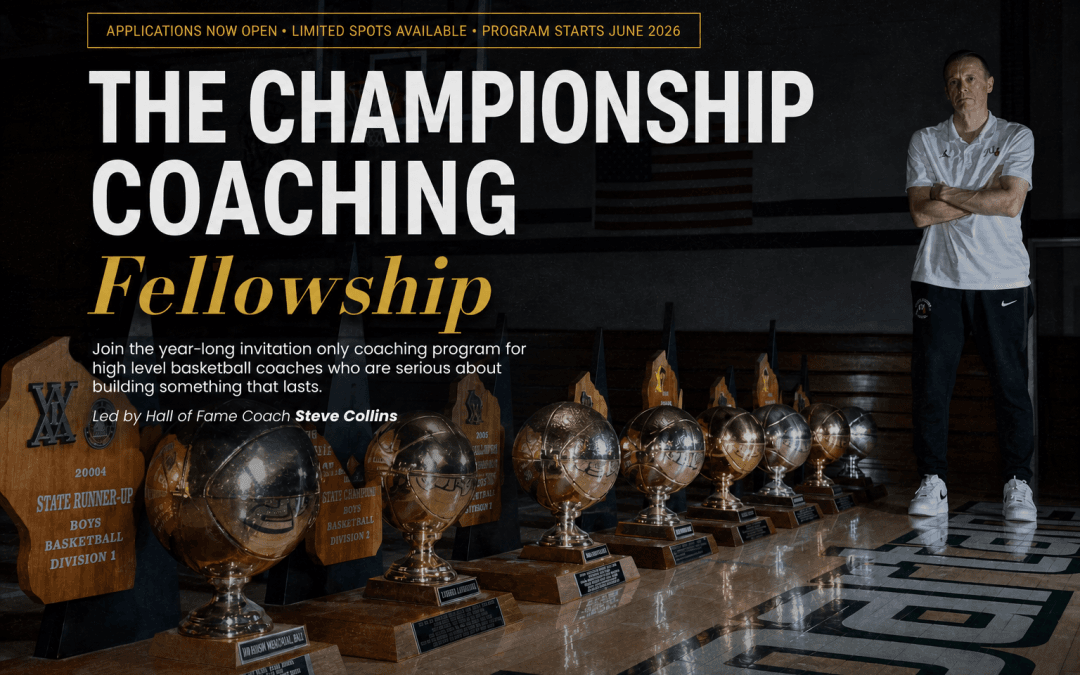
The best clinics today, like The Championship Coaching Fellowship, are shifting toward something deeper. They provide ongoing support, real feedback, and a full-season approach to building a winning program. Instead of a one-day boost, you get year-round growth.
That’s where the real value shows up.
A Basketball Coaching Clinic That Goes Beyond the Basics
Traditional clinics focus on information. That has value, but information alone doesn’t fix problems during the season. A more advanced basketball coaching clinic, like The Championship Coaching Fellowship, gives you:
Direct feedback on your team and system
A clear structure for player development
Guidance during the moments that matter most
You’re not just collecting ideas. You’re applying them with purpose.
Real Benefits You’ll See on the Court
When a coaching clinic is built around long-term development, the benefits show up quickly and consistently.
You gain clarity. You define your program’s identity, from offensive philosophy to culture standards. That clarity helps players understand their roles and helps you coach with confidence.
You improve decision-making. Whether it’s rotations, adjustments, or late-game situations, having access to experienced guidance helps you respond instead of react.
Your practices become more efficient. You stop wasting time and start maximizing reps. Every segment has intent, and every drill connects to your system.
Player development becomes more structured. Instead of random workouts, you build a plan that develops skills, leadership, and consistency across the roster.
You start to think long-term. Instead of chasing short-term fixes, you build a program that improves year after year.
The Power of Coaching Support and Community
One of the most underrated parts of a basketball coaching clinic is connection. Coaching can feel isolating. You’re making tough calls every day with limited feedback. Being part of a group of serious coaches changes that.
Growth happens faster when you’re not doing it alone.
Built for Coaches Who Want to Grow
This type of basketball coaching clinic isn’t for everyone. It’s built for coaches who:
Are actively coaching and leading a program
Are willing to commit to a full season of growth
Want to be challenged and held accountable
Are ready to share, contribute, and improve
If you’re just looking for quick tips, this won’t move the needle. If you’re serious about building something that lasts, it can change everything.
Final Thoughts on this Basketball Coaching Clinic
A basketball coaching clinic should do more than inspire you for a weekend. It should help you build a better program every day of the season. With the right structure, support, and accountability, you’ll coach with more clarity, lead with more confidence, and develop players more effectively.
Is this only for head coaches? Head coaches are the primary audience, but assistant coaches working toward a head role can also benefit. The key is being actively involved in a program.
What region is this for? It’s fully virtual and open nationwide. Coaches from across the country can participate, with limited spots to maintain quality.
Is there a refund policy? Due to the structure and time commitment, refunds typically aren’t offered once the program begins. The interview process helps ensure the right fit beforehand.
Are there any in-person coaching opportunities? The clinic is primarily virtual, but there may be chances to attend live events or bring in-person coaching to your program.
What happens if I miss a live session? Sessions are recorded and available later. That said, live participation is encouraged to get the most value.
How many one-on-one sessions are included? You’ll receive dedicated one-on-one time at key points during the year, scheduled around your season and priorities.
Will there be a second year option? Possibly. Future opportunities depend on interest and capacity, with current members often getting first access.
If you’re serious about building a winning program, you already know quick fixes don’t last. Sustainable success comes from structure, support, and consistent growth. A high-level basketball coaching program should guide you from preseason planning all the way through postseason reflection, with real strategies you can apply right away.
That’s exactly what The Championship Coaching Fellowship is designed to do. This kind of program goes beyond surface-level clinics and gives coaches a complete system for building, managing, and sustaining a championship culture.
Let’s break down how a true basketball coaching program works and why it can transform your team.
How a basketball coaching program works
A strong coaching program follows a clear, step-by-step structure that focuses on fit, growth, and accountability. Here’s what The Championship Coaching Fellowship offers:
1. Apply and Interview
The process starts with an application and a short interview. This isn’t about gatekeeping. It’s about alignment. Great programs want to understand your goals, your current challenges, and where your team stands.
2. Acceptance and Onboarding
Once accepted, you gain access to a private coaching community and complete a detailed onboarding process. This step sets the foundation by identifying your program’s strengths, weaknesses, and priorities.
3. Schedule Your First Session
From there, you begin one-on-one sessions that continue throughout the year. You also get access to ongoing support during the season when quick decisions matter most.
4. Join the Coaching Community
You’re not coaching alone anymore. You’ll collaborate with other serious coaches, share film, exchange ideas, and learn from real situations happening in real programs.
5. Year-End Goal Setting
At the end of the cycle, you review progress, evaluate results, and build a roadmap for the next season. This reflection piece is where long-term growth takes shape.
What’s included in this high-level basketball coaching program
A complete basketball coaching program focuses on both strategy and support. Here’s what you can expect with The Championship Coaching Fellowship:
Live Coaching Sessions
Group sessions follow the basketball calendar, so you’re always working on what matters right now. You’ll dive into real film, real decisions, and real adjustments.
One-on-One Coaching
Private sessions allow you to focus on your specific challenges. Offense, defense, culture, roster management, nothing is off limits.
Private Coaching Community
You’ll connect with a small group of driven coaches who share ideas, challenges, and solutions throughout the year. This kind of collaboration creates consistent growth.
Direct Access and Support
Need help before a big game or after a tough loss? You’ll have direct access to guidance when it matters most.
Scouting and Strategy Development/ Access to Teachhoops.com
Learn how to break down opponents, build game plans, and use tools like film and data more effectively.
Practice Planning and Culture Building
See how winning programs structure practices and build habits that carry into games.
Month-by-Month focus for your basketball coaching program
One of the biggest advantages of a structured basketball coaching program is timing. Each month focuses on what you actually need at that point in the season. Here’s a look at just some of what’s included in The Championship Coaching Fellowship:
Summer: Building the Foundation
Define your program identity
Develop player improvement plans
Build leadership within your team
Preseason: Preparation and Planning
Install offensive and defensive systems
Structure practices for maximum reps
Build conditioning and mental toughness
Early Season: Evaluation and Adjustment
Refine rotations and roles
Adjust based on real game results
Identify strengths and weaknesses
Midseason: Growth and Grit
Adapt when things aren’t working
Maintain player engagement
Make strategic adjustments
Postseason: Performance and Perspective
Prepare for tournament play
Build a competitive mindset
Reflect on results and lessons learned
The monthly accountability system
A great basketball coaching program doesn’t just give you ideas. It holds you accountable.
Each month, coaches focus on six key areas:
Program Pulse: Rate where your team stands
This Month’s Win: Identify what worked
Biggest Problem: Focus on one major challenge
What You Tried: Evaluate past decisions
What’s Next: Commit to one action step
Support Needed: Get targeted help
This system keeps your progress simple, focused, and consistent.
Why a basketball coaching program matters
Coaching can feel isolating. You’re making decisions every day with limited feedback. A structured basketball coaching program changes that.
Most importantly, you stop guessing and start growing.
Final thoughts on choosing the right basketball coaching program
If you want to build a program that wins year after year, you need more than drills and diagrams. You need structure, support, and a system you can trust. The Championship Coaching Fellowship provides all three. It gives you a clear plan, connects you with coaches who push you forward, and helps you turn ideas into action. Over time, those small improvements lead to big results.
If you’re ready to take your program to the next level, investing in the right coaching program might be the smartest move you make this season.
If you want a 2 ball basketball drill that challenges ball control while forcing players to finish with both hands, this is a strong addition to your practice plan. It combines tight dribbling, decision-making, and disciplined finishing into one continuous sequence.
This drill works especially well for youth players, but it scales up for advanced guards who need sharper handles and better body control in traffic.
What Is This 2 Ball Basketball Drill?
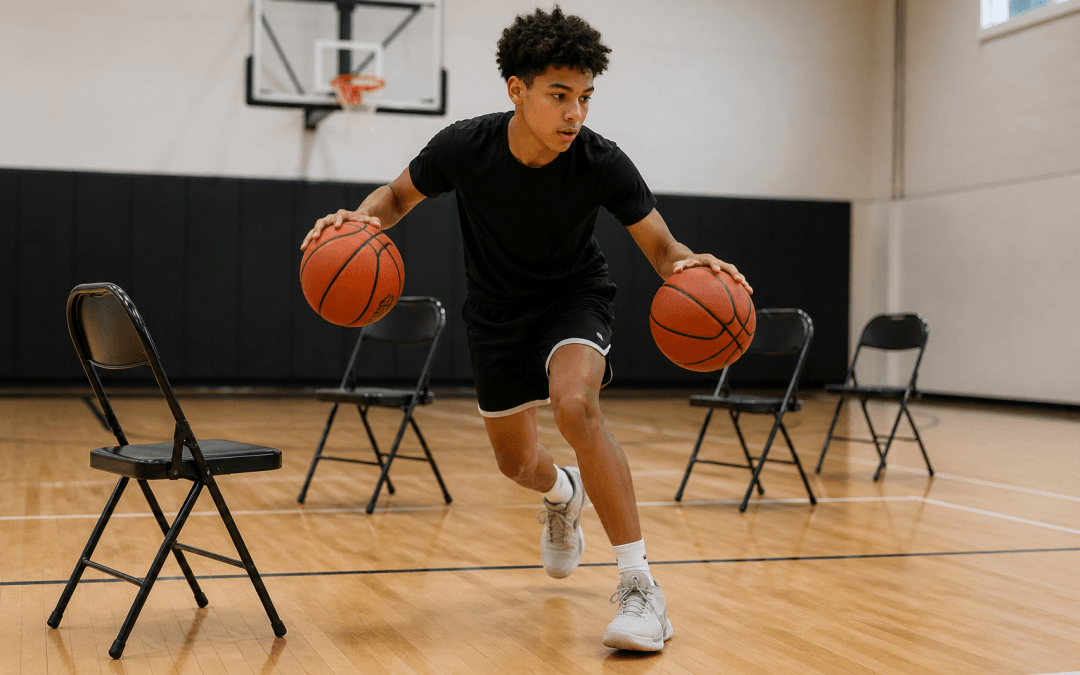
This 2 ball basketball drill uses two basketballs and a series of obstacles, like chairs or cones, to simulate defenders. Players attack each obstacle with a move, then finish at the rim using only one hand while still controlling the second ball.
The setup creates a simple challenge: Handle pressure, make a move, and finish clean without cheating the rep.
Setup
You’ll need:
2 basketballs per player
3–5 chairs or cones (set in a zigzag pattern)
A clear lane to the basket
Space the chairs out like defenders in a slalom. Each one represents a decision point.
How to Run the Drill
Step 1: Attack Each “Defender”
The player starts at the top with two basketballs.
Dribble toward the first chair
Perform a move at the chair
Continue through the course
Encourage a variety of moves:
Crossover
Between the legs
Behind the back
Hesitation or fake crossover
Each chair should feel like a live defender.
Step 2: Stay Under Control With Two Balls
The second ball is what makes this a true 2 ball basketball drill.
Players must maintain control of both basketballs
No picking up early or dropping the off-hand ball
Keep eyes up while navigating the course
Coaching point: This builds coordination and forces players to stay balanced.
Step 3: Finish With the Correct Hand
At the rim, the rules tighten.
On the right side, finish with a right-handed layup only
On the left side, finish with a left-handed layup only
The second ball stays in the opposite hand. That removes the option to switch or cheat the finish.
Coaching point: This is where younger players grow fast. It forces true weak-hand development.
Why This 2 Ball Basketball Drill Works
Forces Weak-Hand Development
Players can’t rely on their dominant hand. The extra ball keeps them honest.
Improves Ball Control Under Pressure
Handling two basketballs through obstacles builds tighter, more confident dribbling.
Teaches Game-Like Movement
Zigzag spacing mimics real drives against defenders.
Builds Coordination and Balance
Players must stay controlled from start to finish, even while managing two balls.
Coaching Tips
Keep the pace controlled before increasing speed
Emphasize clean, sharp moves at each chair
Demand proper footwork on finishes
Reinforce finishing high off the glass
Remind players that every rep should look like a game situation.
Variations to Increase Difficulty
Once players get comfortable, level up this 2 ball basketball drill:
Add a live defender at the end for contact finishes
Limit dribbles between chairs
Add a pull-up jumper before the layup
Time each run to create competition
You can also flip the starting side to balance reps.
Final Thoughts
This 2 ball basketball drill does more than improve handles. It builds confidence, coordination, and finishing ability in one sequence. Players learn to stay composed, control the ball, and finish with either hand under pressure.
Add it to your workout plan and watch your players become more complete offensive threats.
If you’re looking for a basketball shooting game that keeps players engaged while sharpening mechanics, the 3-2-1 Shooting Drill delivers. It blends repetition, pressure, and progression into one simple format. Players compete against themselves, stay locked in, and build confidence from every spot on the floor.
This is the kind of drill you can plug into any practice, from youth teams to varsity groups. It moves quickly, creates accountability, and rewards consistency.
What Is the 3-2-1 Basketball Shooting Game?
The 3-2-1 Shooting Drill is a three-phase basketball shooting game built around five spots on the court. Players must complete a sequence of makes at each spot before advancing.
The structure is simple:
Round 1: Make 3 shots at each spot
Round 2: Make 2 shots in a row at each spot
Round 3: Make 1 shot at each spot… but with a twist (you can’t miss)
Each round increases the pressure and forces players to stay mentally sharp.
Court Setup
You’ll need:
1 shooter
1 rebounder (or partner)
1 basketball
5 perimeter spots (both corners, both wings, and top of the key)
Spacing matters. Keep shots game-like and consistent with your offensive system.
How to Run the 3-2-1 Shooting Drill
Round 1: Make 3 at Each Spot
Start in the corner.
The player must make three total shots at that spot
Shots do NOT need to be consecutive
Once they hit three, they move to the next spot
By the end of the round, the player will have made 15 total shots (5 spots × 3 makes).
Coaching point: This round builds rhythm and confidence. Players should focus on form and footwork.
Round 2: Make 2 in a Row
Now the pressure increases.
The player must make two consecutive shots at each spot
If they miss, the count resets at that spot
They move around the same five spots until they complete the sequence.
Coaching point: This is where focus kicks in. Players must lock in after a miss and respond right away.
Round 3: Make 1 at Each Spot (No Misses Allowed)
This is where the drill becomes a true basketball shooting game.
The player must make one shot at each spot
If they miss at any point, they go back to the beginning
That means five straight makes from five different spots to finish.
Coaching point: This simulates game pressure. Every shot matters.
Why This Basketball Shooting Game Works
1. Builds Mental Toughness
Players can’t drift through this drill. The reset in later rounds forces them to stay focused and compete.
2. Creates Game-Like Pressure
Round 3 mirrors late-game situations. One miss changes everything.
3. Encourages Accountability
Players track their own progress. No shortcuts, no hiding.
4. Keeps Practice Competitive
Turn it into a timed challenge or team competition. Players will push each other.
Ways to Level It Up
Want to get more out of this basketball shooting game? Try these variations:
Add a timer: Players must finish all three rounds within a set time
Track scores: Keep a leaderboard across practices
Add movement: Require a cut or dribble move before each shot
Conditioning twist: Add sprints after missed sequences
Coaching Tips for Success
Demand proper footwork every rep
Keep passes crisp and consistent
Encourage quick shot preparation
Reinforce next-shot mentality after misses
This drill works best when players treat every rep like a game shot.
Final Thoughts
The 3-2-1 drill is more than just a routine. It’s a basketball shooting game that challenges players to stay sharp, shoot with confidence, and handle pressure. It fits into any practice plan and scales easily across skill levels.
If you want a drill that players will remember and compete in, this one belongs in your rotation.
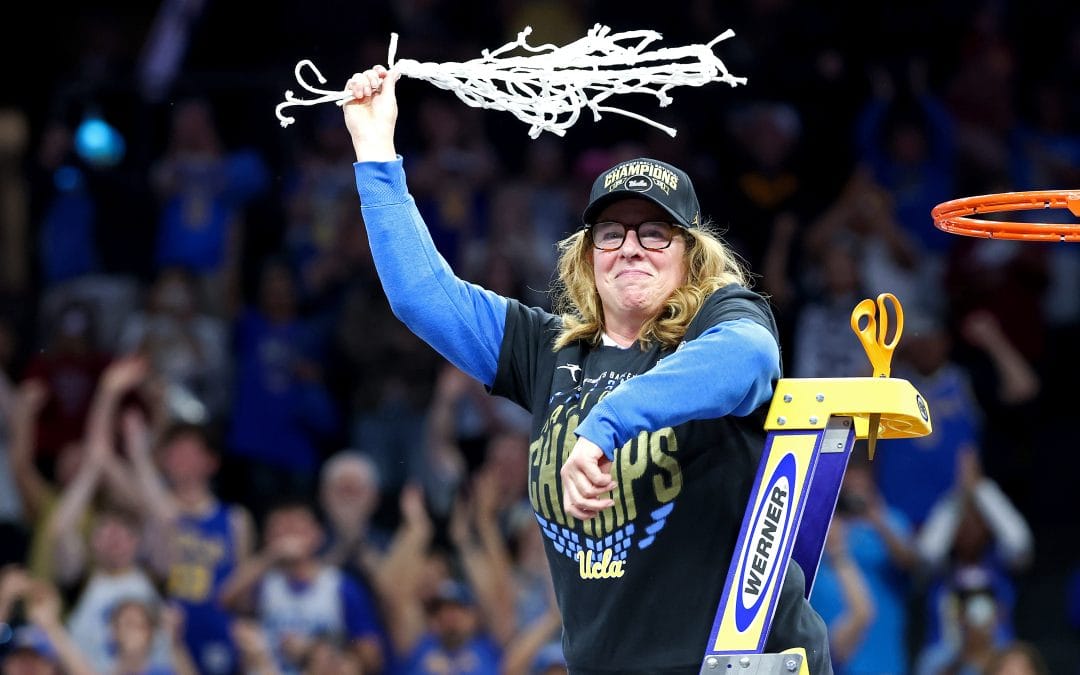
The rise of UCLA Bruins women’s basketball under Cori Close offers one of the clearest models of UCLA basketball coaching done right. This was not a quick turnaround. It was a steady shift built on culture, player development, and a clear approach to leadership that led to a National Championship in 2025–26, thanks to the 79-51 victory over South Carolina last Sunday.
For youth coaches, there is a lot here that translates directly to your gym.
Culture Drives UCLA Basketball Coaching
Close built her program around daily habits and personal responsibility. Two simple objects sit in her office: a broom and a shovel. They represent how the program operates.
The broom is about accountability. Players are expected to own mistakes and handle the small details without excuses. The shovel represents the work required to build something real. It reminds players that progress comes from consistent effort, even when it is not visible on the scoreboard.
This approach shows up in what Close calls the “Mind Gym.” Players are trained to reset quickly after mistakes. Missed shots, turnovers, and bad possessions do not linger. The focus shifts immediately to the next play. Over time, that habit becomes part of the team’s identity.
Youth coaches can apply this by building reset habits into practice. After mistakes, require a quick verbal or physical reset. Track body language the same way you track performance. When players learn how to respond, everything else becomes easier to teach.
Recruiting and Development in UCLA Basketball Coaching
Another defining piece of UCLA basketball coaching is how Close handles talent. She recruits at a high level, but development is what separates the program. Instead of easing young players into small roles, Close gives them real minutes early. Her freshman classes have played more than most programs in the country. That experience speeds up growth and prepares players for high-pressure moments later.
The addition of Lauren Betts gave UCLA a dominant interior presence. That helped the Bruins control the glass and protect the rim at an elite level. But the impact goes beyond one player. The system allows talent to develop quickly and fit into a larger structure.
For youth coaches, the lesson is simple: Development happens through reps. Players improve when they are trusted with meaningful minutes, even if mistakes come with it. Holding players back can slow growth more than it helps.
Mentorship and the John Wooden Influence
Close’s connection to John Wooden shaped how she leads. She adapted his principles for today’s players without losing the core message.
One of her key ideas is shifting language from obligation to opportunity. Players are encouraged to see practice and competition as something they get to do, not something they have to do. That small change can affect energy and focus right away.
She also emphasizes identity beyond performance. Players are not defined by stats or outcomes. They are defined by who they are as people. That reduces pressure in big moments and helps players stay grounded during the season.
At the youth level, this can change how players approach the game. When they feel secure in who they are, they compete with more freedom and confidence.
The Strategic Shift That Elevated UCLA Basketball Coaching
The biggest leap in Close’s tenure came when she evaluated her own approach. Around 2022, she sought feedback from people who would challenge her thinking. That led to adjustments in offensive strategy and a stronger focus on recovery and sports science.
These changes mattered during the transition to the Big Ten, where travel and physical demands increased. The program adapted instead of staying static.
This is a reminder that growth as a coach requires honest evaluation. Improvement often starts with recognizing what is not working.
What Youth Coaches Can Take From UCLA Basketball Coaching
Cori Close built a championship program by focusing on habits, mindset, and development over time. The lessons carry over at any level.
Teach accountability every day.
Create a standard for effort that players understand.
Train players to reset quickly after mistakes.
Give young players opportunities to grow through real minutes.
Keep the focus on the person, not just the player.
UCLA basketball coaching shows that sustained success comes from clarity and consistency. When those pieces are in place, results follow.
If you’ve coached for more than a few seasons, you’ve seen it. Players walk into the gym with a different mindset than they did even five years ago. They are watching highlights, tracking rankings, and comparing themselves to athletes they’ve never met. The social media impact on youth basketball is real, and it’s changing how kids learn, compete, and define success.
The question for coaches is simple. How do you work with it without letting it take over your program?
How the Social Media Impact on Youth Basketball Shows Up
Social media has completely changed what young players think the game looks like. Instead of learning basketball through pickup games, practice reps, and watching full games, many players now learn through short clips. Those clips usually highlight things like dunks, step-back threes, and flashy handles.
What they do not show is just as important:
Defensive positioning
Team concepts
Practice habits
Film study
Consistency over time
This creates a gap between what players see and what actually leads to success. As a coach, you feel it when players rush development, avoid fundamentals, get frustrated with smaller roles, and focus more on highlights than habits.
The Comparison Trap for Young Athletes
One of the biggest challenges tied to the social media impact on youth basketball is comparison. Players are constantly measuring themselves against nationally ranked athletes, viral clips, older players further along physically, and, perhaps most importantly, edited highlight reels.
The problem is simple. They are comparing their real life to someone else’s best moments. That can lead to:
Confidence issues
Unrealistic expectations
Pressuring themselves too early
Losing patience with development
Coaches need to recognize this is happening, even if players never say it out loud.
Why Highlight Culture can Hurt Development
Highlight culture is not all bad. It can motivate players, expose them to the game, and build excitement. But when it becomes the goal, it creates problems. Players start chasing moments instead of mastering skills.
You may see:
Forcing tough shots
Ignoring team concepts
Playing for attention instead of winning
Skipping steps in development
The truth is simple. The best players are not built on highlights. They are built on habits.
What Players actually Need to Hear
In a world shaped by social media, coaches need to be more intentional with their messaging. Players need to hear things like:
Your development matters more than your exposure
Your habits matter more than your highlights
Your role today helps build your opportunity tomorrow
Your work when no one is watching is what separates you
These messages may not go viral, but they build real players.
The Positive Side of Social Media in Youth Basketball
There is a good side to all of this, and it is worth using. Social media can inspire a love of the game, provide access to skill training ideas, connect athletes and coaches, and create opportunities for exposure.
The key is helping players use it the right way. Encourage them to:
Watch full games, not just clips
Study players who play the right way
Learn, not just scroll
Stay grounded in their own journey
5 Ways Coaches can Manage the Social Media Impact on Youth Basketball
You cannot remove social media from your players’ lives. But you can control the environment they step into at practice and games. Here are a few practical ways to lead:
1. Define what success looks like in your program
Make it clear early. Success is not about clips or attention. It is about effort, growth, and team play.
2. Praise habits, not hype
Celebrate the player who rotates on defense, makes the extra pass, or shows up ready to work.
3. Teach the “why” behind fundamentals
Help players understand how the small things connect to winning. When they see the value, they buy in.
4. Have honest conversations
When needed, talk directly with players about expectations. Help them understand where they are and what comes next.
5. Protect the joy of the game
Do not let pressure take over your gym. Players still need to enjoy competing, improving, and being part of a team.
Don’t let Social Media Define your Players
One of the best reminders from the conversation was this. Most kids are not chasing a professional career. They are chasing experiences, friendships, and growth. Social media can blur that.
A player who is having fun, improving, and contributing to a team is winning, even if there is no camera on them. As a coach, your job is to keep that perspective clear.
The social media impact on youth basketball is not going away. If anything, it will continue to grow. But strong coaching still wins. When you build a culture around:
Development
Discipline
Honesty
Enjoyment
You give your players something social media cannot replace. You give them a foundation. And in the long run, that matters far more than any highlight ever will.
If you want a strong defensive team, it starts with coaching defensive mindset. Defense isn’t just stance, slides, or rotations. It’s habits, communication, and how players respond when things break down.
In a conversation on the Coaching Youth Hoops podcast, Coach Bill Flitter spoke with former college coach Hannah Howard about what actually creates great defensive teams. Their discussion kept circling back to a few practical ideas youth coaches can use right away.
Coaching Defensive Mindset Starts with Communication
Coach Howard’s first answer to youth coaches was simple: communication. The best defensive teams talk constantly. Players warn teammates about screens, call out cutters, and let each other know when help is coming.
Strong defensive communication usually includes:
All five players talking, not just one leader
Early calls on screens and cuts
Clear, short instructions (“help,” “switch,” “left”)
Teammates coaching each other during possessions
When players communicate well, the defense starts solving problems on the floor without waiting for the coach.
Let Your Defense Fit Your Team
Every roster is different. One team might thrive pressing full court. Another might defend best by protecting the paint. Instead of forcing a system, coaches should ask:
What are our players good at defensively?
Can we pressure the ball, or do we need to contain?
Are we better in man, zone, or a mix of both?
Many strong defensive teams discover their identity during the season. Good coaches stay flexible and lean into what works.
Culture Shows Up in Small Habits
“Culture” gets talked about a lot in sports, but players usually notice it in simple things. Culture is built through daily habits such as: how players enter the gym, whether they are ready when practice starts, body language after mistakes, and how teammates respond to coaching, among other things.
If a coach consistently reinforces these habits, players begin to carry them into games.
Use Adversity as a Teaching Moment
Practice rarely goes perfectly, and that’s actually useful for coaches. When a drill falls apart or players get frustrated, it creates an opportunity to teach. Instead of moving on immediately, coaches can:
Repeat the situation until players solve it
Address poor communication on the spot
Teach players how to support teammates under pressure
Games include plenty of difficult moments. Practice should prepare players for them.
Build Defensive Confidence
Young players sometimes apologize after making mistakes. That usually means they think they disappointed the coach. A better message is simple: mistakes are part of learning.
Players improve when they stay engaged after errors, listen to feedback, and try again on the next possession. Confident defenders recover quickly and keep playing.
Youth Basketball Needs More Development
Coach Howard also noted that youth basketball often prioritizes games over development. Players sometimes compete in dozens of games but spend little time reflecting or improving skills.
Coaches can help by spending more time on fundamentals in practice, creating space for players to reflect after games, and emphasizing improvement instead of just results. Growth happens when players have time to process and learn.
Final Thought
Coaching defensive mindset means teaching players to work together. Communication, accountability, and resilience matter just as much as technique. When a team begins to: talk on defense, help teammates, recover after mistakes, and compete every possession, the defense improves naturally.
And more importantly, players learn habits that last well beyond the season.
Youth sports injuries are no longer something that only happens to “other teams.” They are a growing reality for coaches, parents, and athletes across every level of competition. If you coach long enough, you will have players deal with sprained ankles, overuse issues, concussions, knee pain, and the mental frustration that comes with missing time. The real question is not whether injuries will happen. The question is whether you are prepared when they do.
In a recent episode of Coaching Youth Hoops, Bill Flitter sat down with Dr. Kelly Morgan of Elite 7 Sports Medicine to talk about one of the most important topics in youth athletics today: injury prevention, active rest, load management, and how coaches can better support injured athletes. For any coach working with young players, this conversation was a reminder that protecting athletes is part of building a successful program.
Why youth sports injuries are becoming a bigger issue
Dr. Kelly Morgan brings a unique perspective to the topic of youth sports injuries. She is an emergency physician, a former athletic trainer, and a sports medicine professional who has worked with elite athletes and large sports organizations. Through her work with Elite 7 Sports Medicine, she has seen firsthand how many athletes fall through the cracks after getting hurt. That is especially true in youth and club sports.
Many players do not have access to a school athletic trainer. Tournament medical coverage can be inconsistent. Parents are often left trying to decide whether an injury needs rest, rehab, urgent care, or an expensive trip to the emergency room. In too many cases, families are guessing.
For coaches, that matters because injuries affect far more than just one game or one weekend tournament. They can impact confidence, skill development, team chemistry, long-term health, and even whether a kid stays in sports at all.
Injury prevention starts with smart coaching
One of the biggest takeaways from the conversation was simple: coaches can do more than they think when it comes to injury prevention. You do not need to be a doctor to help reduce injury risk. You just need to build smart habits into your practices.
Dr. Morgan pointed to neuromuscular training as one of the clearest examples. In sports that involve cutting, jumping, and change of direction, like basketball, ACL prevention work can make a major difference. Even 15 minutes of targeted movement training a few times each week can help athletes develop better control, stability, and body awareness. So keep your warm-up in mind.
Lunges, jumping mechanics, balance work, landing technique, and movement control drills are not throwaway parts of practice. They are part of keeping players healthy. Coaches who consistently include those habits are doing more than preparing athletes to compete. They are helping protect them from preventable injuries.
The role of active rest and load management
One of the most important ideas from this episode was the difference between total rest and active rest. Young athletes do need recovery, but recovery does not always mean doing nothing. Active rest can include walking, light movement, observing practice, mental reps, basic rehab work, or modified conditioning that does not aggravate the injury. The goal is to help players recover while still staying connected to the game, something that ties directly into load management.
At the youth level, many players are doing more than ever before. They may have team practice, private training, shooting sessions, travel tournaments, school ball, and strength work all packed into the same week. Some are overloaded before they even step into practice. Good coaches pay attention to that.
If a player looks unusually tired, flat, irritable, or physically off, it may be overload. As Dr. Morgan explained, coaches should think in terms of total activity over time, not just what happens during one practice.
That means asking better questions:
How much basketball has this player done this week?
Are they doing extra training outside of team activities?
Are they moving well, or are they compensating?
Do they need a lighter day?
Is today better served as a mental practice day?
The best coaches understand that pushing harder is not always the answer. Sometimes the smartest decision to help prevent youth sports injuries is backing off before a small issue becomes a major one.
Signs a coach should never ignore
Not every injury announces itself in a dramatic way. Sometimes the warning signs are subtle. A coach should pay attention when a player:
suddenly loses energy or enthusiasm
becomes unusually snappy or withdrawn
starts favoring one side
looks slower than normal
avoids certain movements
struggles to focus
shows behavioral changes over time
Those signs may point to physical fatigue, pain, stress, or something deeper going on mentally and emotionally. That’s why communication matters so much.
Players, especially young ones, don’t always speak up right away. Sometimes they do not want to disappoint a coach. Sometimes they are afraid of losing playing time. And sometimes they don’t know how to explain what they are feeling. A strong youth coach creates an environment where athletes know they can be honest.
Injured players still need to be part of the team
This may have been the most practical coaching takeaway from the entire conversation. If a player is hurt, do not disconnect them from the team.
An injured athlete can still learn, contribute, and grow. They can chart drills, record shooting percentages, observe defensive rotations, help communicate during practice, and watch film with purpose. They can still be involved in team culture and development. Injuries are not just physical, they can take a toll mentally too.
When athletes feel isolated, forgotten, or left behind, frustration can quickly turn into anxiety, discouragement, or disengagement. Keeping them connected helps protect their confidence and their identity as part of the team.
Sometimes the best thing a coach can say is, “You are still part of this. Here is how you can help today.”
Parents and coaches need to ask better questions
Another strong point from Dr. Morgan on youth sports injuries was that too many adults assume medical support is already in place. At tournaments, showcases, and events, coaches and parents should not assume someone is ready to handle an injury. They should ask:
Where are medical services located?
Who handles concussions or acute injuries?
What is the emergency plan?
Is there athletic training support available?
What happens if a player gets hurt during competition?
Those questions matter. If youth sports organizations want to improve athlete safety, healthcare cannot be treated like an afterthought. It has to be part of the structure. Coaches and parents who advocate for that are helping create better environments for kids.
Better injury care should not be a luxury
A major part of this discussion centered on access. Many families are forced into expensive care settings because they do not know what else to do. A bruised ankle, possible concussion, or overuse problem may not always require an emergency room visit, but without guidance, parents often feel they have no other option.
That gap is exactly what Dr. Morgan and Elite 7 Sports Medicine are trying to address. Their model is built around affordable, accessible sports medicine support, along with long-term athlete records that can actually follow the player instead of disappearing into separate systems.
For coaches, the lesson is clear: injury support matters, and affordable access matters too.When kids do not get the right care early, small problems can become major long-term problems. The better the support, the better the chance an athlete can recover fully and keep playing.
To learn more about Dr. Kelly Morgan and Elite 7 Sports Medicine, visit e7sportsmed.com and look for Elite 7 Sports Medicine on social platforms. Coaches and sports organizations interested in athlete care, injury support, and prevention resources should also connect with Dr. Morgan and her team on LinkedIn.
Final thoughts for youth basketball coaches
If you coach youth basketball, prevention of youth sports injuries and recovery support have to be part of your program. You do not need to become a medical expert, but you do need to be intentional. Build smart warm-ups. Watch for fatigue. Use active rest. Manage workload. Keep injured players engaged. Ask questions at events. Communicate with parents. Pay attention when something feels off.
Most of all, remember this: your job is not only to help players perform. It is to help them stay healthy enough to enjoy the game, develop through the game, and keep playing the game. That’s good coaching.
Youth basketball is evolving quickly, and one of the biggest shifts happening right now involves how coaches, players, and parents use video. For years, capturing basketball highlights required expensive cameras, hours of editing, and a lot of time sitting behind a screen instead of watching the game.
Today, new AI-powered tools are making it possible for coaches to capture game footage, create highlights, and review teaching moments instantly. For youth basketball programs, this technology is changing how players learn, how coaches teach, and how families preserve memories from the season.
If you coach youth basketball, understanding how modern highlight technology works can help you improve player development while saving valuable time.
Why Basketball Highlights Matter in Youth Sports
When people think about highlights, they often picture flashy dunks or big scoring plays. But highlights serve a much bigger purpose in youth basketball. For players and families, highlights capture memories. Kids put in countless hours of practice and games. Being able to look back at those moments matters.
For coaches, highlights provide teaching opportunities. Video allows players to:
See what they did well
Identify mistakes
Understand spacing, timing, and decision-making
Many coaches believe one of the fastest ways to improve is simple: play the game and watch yourself play the game. Video brings that learning process to life.
The Problem With Traditional Game Film
Despite its value, traditional basketball video has several challenges.
First, recording games often forces parents to spend the entire game behind a camera instead of enjoying the moment. Second, editing film takes time. Coaches and parents may spend hours scrubbing through video trying to find a specific play. Finally, storage becomes an issue. Many parents record full games only to keep a few clips.
The reality is most families want just a handful of meaningful moments from each game.
AI Is Changing How Basketball Highlights Are Created
New video platforms are using artificial intelligence and computer vision to solve these problems. Instead of filming an entire game and editing it later, these tools allow users to capture only the moments that matter.
The process is simple:
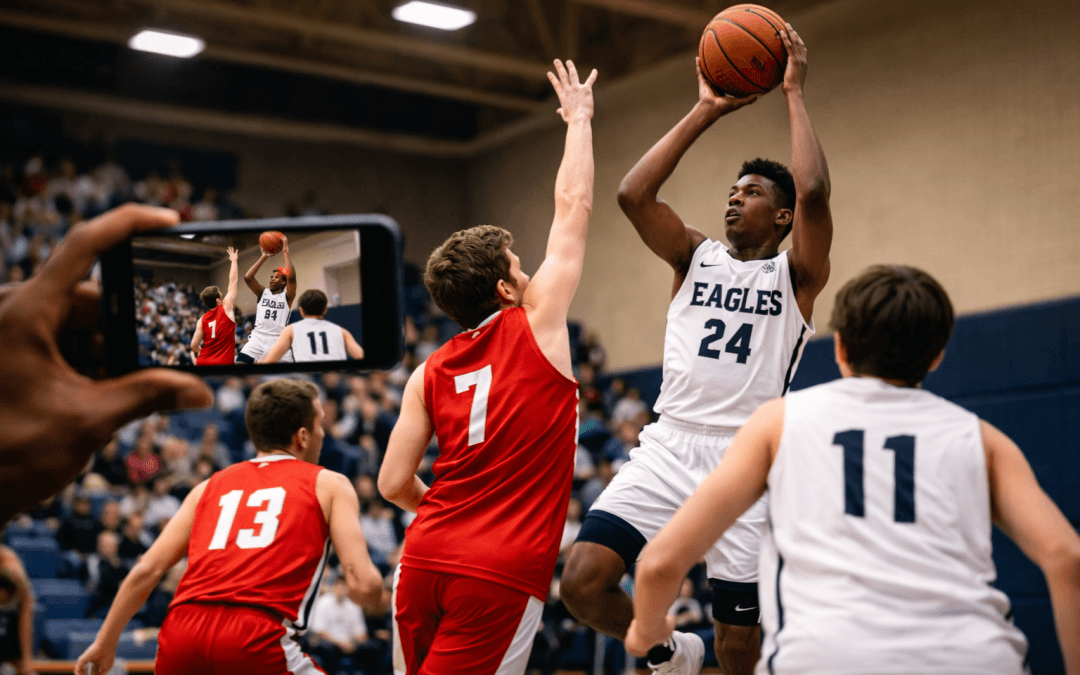
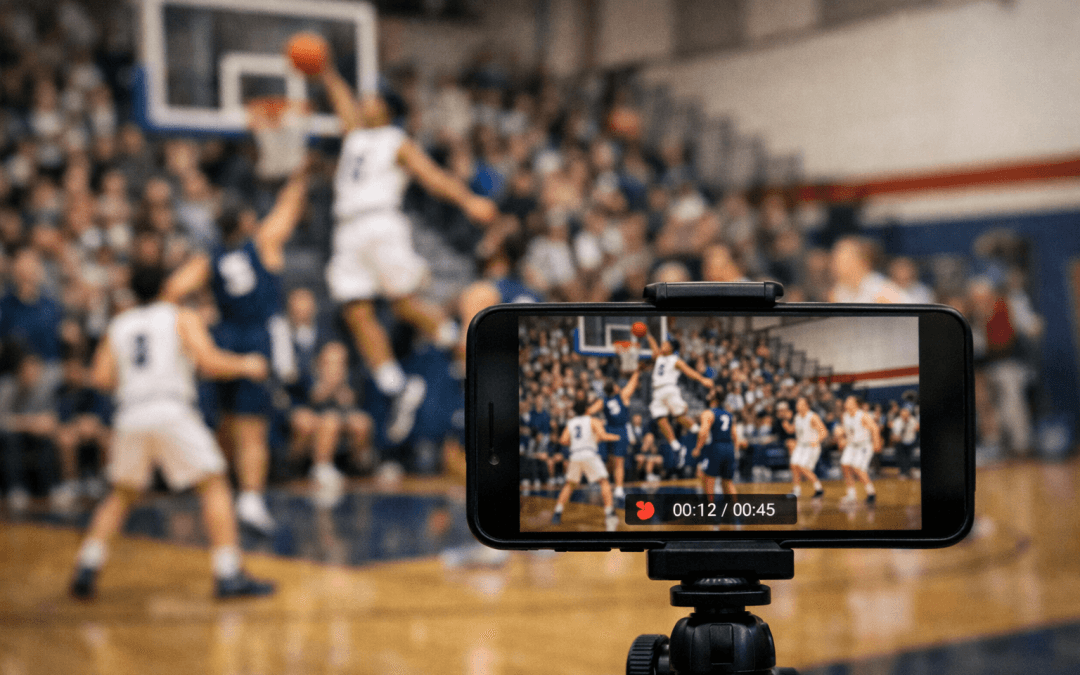
Set a phone on a tripod to record the game
Watch the game normally with other parents or players
Tap a button when a big play happens
The app automatically saves the clip
The system grabs the previous few seconds of action, reframes the video, and creates a highlight clip instantly. Within seconds, players can share the moment or store it for later review.
Why This Matters for Basketball Coaches
For coaches, the biggest benefit is time. Film study traditionally takes hours. Finding a specific play during a game can be tedious. With AI-assisted tagging, coaches can mark plays instantly during the game. That means:
A missed defensive rotation can be saved immediately
A great screen or assist can be tagged for later praise
Players can review specific moments after the game
Instead of watching an entire game again, players can jump directly to the clips that matter most. This makes film sessions faster and more focused.
Better Video for Player Development
One important detail that often gets overlooked in highlight clips is the camera angle. Many social media clips focus tightly on the player with the ball. While that works for social media, it doesn’t always help coaches evaluate decision-making. A wider horizontal view allows coaches to see:
Defensive help positioning
Offensive spacing
Timing of screens and cuts
Overall court awareness
This makes video much more valuable for coaching and recruiting.
Helping Players Share Their Journey
Another advantage of modern highlight tools is how easily clips can be shared. Players can quickly send clips to:
Coaches
Scouts
Trainers
Teammates
Instead of building a highlight reel months later, players can collect clips throughout the season. Over time, those clips become a record of development and growth. For many athletes, these highlights are not just social media content. They become part of their basketball story.
Using Video During Games
One of the most exciting possibilities with modern video tools is real-time coaching. Imagine a coach tagging a play during a game and showing it to players during halftime or a timeout.
Players today are highly visual learners. Seeing the mistake immediately often helps them understand the correction much faster. Instead of saying, “You missed the screen,” a coach can show the clip. Film does not lie.
A Tool for Programs and Teams
Beyond individual players, highlight technology can help entire basketball programs. Teams can use clips to:
Promote their program on social media
Highlight player development
Share recruiting footage
Build engagement with families
Clubs and schools that consistently share video content often attract more players and attention.
In today’s digital environment, visibility matters.
Technology Is Making It Easier for Everyone
The most exciting part of these new systems is accessibility. Instead of requiring expensive cameras and editing software, many tools now use the camera already sitting in your pocket. That means parents, coaches, and teams can capture professional-quality highlights with very little equipment.
More importantly, it allows families to stay present at the game instead of worrying about filming every second. And in youth sports, that may be the most valuable feature of all.
If you’ve coached long enough, you already know this truth: winning basketball games starts long before the first play is drawn up. At every level, the most successful programs are built on strong basketball coaching culture, one rooted in trust, accountability, and player development, not just schemes and stats.
In a recent Coach Unplugged episode, a veteran coach and basketball development officer from Ireland shared powerful insights on how culture-driven coaching transforms teams. What stood out wasn’t a single drill or system, but how intentional leadership, honest communication, and purposeful practice planning shape better players—and better people.
Why Basketball Coaching Culture Matters More Than X’s and O’s
Early in his career, the coach admitted he tried to force players into his preferred system. Over time, experience and reflection shifted that mindset.
Great basketball coaching culture begins when coaches adapt their philosophy to the players in front of them, not the other way around. That flexibility creates buy-in, accelerates development, and builds trust that carries into games.
Instead of asking: Can these players run my offense? Elite coaches ask: How do I put these players in positions where they can thrive?
That question changes everything.
Culture, Communication, and Accountability
A strong basketball coaching culture balances positivity with honesty. Encouragement matters, but so does challenge.
Players want clarity. They want feedback that pushes them forward. As the coach explained, being too nice can actually limit growth. The breakthrough came from embracing direct, respectful communication that holds players accountable without tearing them down.
That balance, supportive but demanding, is the backbone of every successful team culture.
Practice Planning That Reinforces Basketball Coaching Culture
Culture is not just talked about, it’s practiced daily. This program’s training sessions reflect its values:
Built-in reflection time during and after practice
Every drill reinforces habits tied directly to the team’s basketball coaching culture, including effort, energy, preparation, and accountability.
Developing Self-Coaching Players
One of the ultimate goals of a strong basketball coaching culture is self-coaching. When players understand expectations, roles, and standards, coaches do not have to micromanage.
Peer accountability grows. Communication improves. Players start correcting themselves and each other.
That is when culture takes over and the game becomes easier to coach.
Basketball Coaching Culture: Takeaways
If you are looking to grow as a coach, remember this:
Basketball coaching culture drives player development
Most coaches have been there. You know exactly what you want your team to hear before tip-off, but finding the right words in a short window isn’t always easy. That’s where an AI pregame speech for basketball coaches can be a practical tool, not a gimmick. When used correctly, AI helps you organize your message, sharpen your focus, and deliver a clear, confident pregame talk without sounding scripted or forced.
This is exactly how I used AI to write a 60-second pregame speech centered on toughness, execution, and dictating the game, while keeping my own coaching voice intact.
Step 1: Start With Clarity, Not a Speech
The mistake most coaches make is asking AI to “write a motivational speech.” That’s how you get fluff. Instead, I started with clarity. I told the AI exactly what the speech needed to be about:
To keep things clean, I used a six-part prompt that mirrors how coaches already think: task, role, context, requirements, boundaries, and purpose. Here’s the exact prompt structure I used.
TASK: Write a 60-second pregame locker room speech focused on toughness, execution, and dictating the game. The speech should be concise, impactful, and designed to be delivered immediately before tip-off.
ROLE: You are a Hall-of-Fame high school basketball coach speaking directly to your team in the locker room. Your voice is calm, confident, authoritative, and coach-to-player, not a motivational speaker.
CONTEXT: This pregame talk emphasizes being the tougher team, running our offensive system with discipline, and imposing defensive pressure. The goal is to dictate pace, physicality, and style of play rather than reacting to the opponent.
SPECIFIC REQUIREMENTS: The speech should be approximately 60 seconds when spoken aloud. Use short sentences and natural pauses. Keep the language simple and locker-room appropriate. Emphasize that toughness equals discipline, executing when it’s hard, pressuring without gambling, and a next-play mentality.
BOUNDARIES: Do not use clichés, cheesy motivational phrases, profanity, or yelling tone. Avoid long explanations or detailed play calls.
REASONING: The purpose is to create a message players can remember and repeat mentally during adversity.
This took less than two minutes to write, and it made all the difference
Once I ran that prompt, I didn’t expect magic. What I wanted was structure. AI helped me:
Tighten my message
Remove unnecessary words
Keep the speech focused
Make it easy to deliver naturally
The key is this: AI didn’t create my philosophy. It organized it.
Step 4: The Final 60-Second Pregame Speech
Here’s the final version that came out of that process, lightly edited to match my delivery style:
Fellas, bring it in.
Tonight is about toughness. Not talk. Not talent. Toughness.
Toughness means we’re disciplined. We run our stuff with pace and purpose. Hard cuts. Solid screens. Sprint into actions. When it gets hard, we don’t go rogue, we get sharper.
Defensively, we dictate. We pressure the ball. We talk early. We’re physical and smart. No gambling. Just making everything uncomfortable.
There will be adversity. That’s when we show who we are. Next play. Together.
From the opening tip, we set the tone. We impose our will. We play our way for 32 minutes.
Now let’s go be the tougher team.
That’s a speech I can deliver confidently, without notes, and without sounding scripted.
Why This Matters for Coaches
AI isn’t about shortcuts. It’s about clarity and efficiency. You still coach, still lead, still decide what matters.
AI just helps you say it better, faster, and with less stress on game day. If you can explain your philosophy to an assistant coach, you can use AI effectively.
Want to Go Further?
This is just one use case. Coaches inside TeachHoops are already using AI to:
Create pregame, halftime, and postgame talks
Build practice plans faster
Write parent emails
Develop scouting questions
Create player development plans
If you’re curious how AI can actually help you coach, not distract you, that’s exactly what we cover inside TeachHoops. Because better preparation leads to better performance. And that starts long before the opening tip.
Most youth basketball coaches aren’t short on effort. They show up early, stay late, and care deeply about their players. And yet, many still walk out of the gym wondering if they’re actually improving as a coach. Not because they don’t work hard, but because coaching is noisy. Everyone has an opinion. Social media is full of drills. Clinics offer more ideas than anyone can realistically use. That’s where a focused basketball coaching newsletter can make a real difference by cutting through the noise and giving coaches one clear idea at a time.
After 7 Days: Your Practices Feel Cleaner
The first week doesn’t overhaul your program. It sharpens it. Coaches who spend a few minutes each day reading a basketball coaching newsletter start to notice small but meaningful changes:
Practice transitions feel smoother
Players hear the same language repeated
One drill actually sticks instead of being forgotten
You stop trying to fix everything and start fixing something. That clarity alone improves how practice flows. Instead of asking, “What should we work on today?” you walk into the gym with a clear focus.
After 30 Days: You Coach With More Confidence
After a month, the impact starts to compound. You’re no longer reacting week to week. You’re building systems:
Defensive principles your players recognize immediately
Free-throw routines that hold up under pressure
Practice structures that reinforce habits, not chaos
A strong basketball coaching newsletter doesn’t overwhelm you with options. It reinforces what matters most. Over time, your confidence grows because you’re no longer guessing.
Your players feel it. Expectations are clear. Communication improves. Confidence spreads.
After One Season: Your Team Has an Identity
The biggest payoff shows up over the course of a season. Coaches who consistently engage with a basketball coaching newsletter see long-term results:
Fewer late-game breakdowns
Better execution in close games
Players who understand why they’re doing things, not just what
Instead of chasing new ideas every week, you’ve built an identity. When pressure hits, your team falls back on habits you’ve reinforced all year.
Most coaches don’t struggle because they lack passion. They struggle because they consume too much information at once.
Too many drills, too many systems, too many voices. Without a filter, even good ideas become noise. Growth doesn’t come from more content. It comes from focused repetition.
The TeachHoops Daily Newsletter was built to be the basketball coaching newsletter coaches actually read. Each email delivers:
One real coaching problem
One clear solution
One drill or takeaway you can use immediately
It takes less time than scrolling social media, but it gives you something far more valuable: direction.
If You Want to Coach Better This Season
Five minutes won’t change everything overnight. But five minutes a day, guided by the right basketball coaching newsletter, will change how you coach, how your players respond, and how your team performs when it matters most.
If you’re ready to build better habits and clearer systems, you can sign up here:
The first week of youth basketball practice sets the tone for the entire season. This is when players learn what you value, how hard they’re expected to compete, and what standards matter most. It’s also when coaches have the best opportunity to evaluate skill, effort, and basketball IQ before habits are formed.
Rather than cramming in plays or running long scrimmages, the most effective first week of youth basketball practice focuses on structure, defense, and small-sided games that reveal who can really help your team.
Start With a Plan, Not Just Drills
Before the season begins, map out your calendar. Know how many practices you have before the first game and what absolutely must be introduced early. In youth basketball practice, organization matters just as much as energy, so develop a practice plan. Label each practice and decide:
Even if everything isn’t perfect by the first game, players should at least be familiar with what’s coming.
Emphasize Defense Early in Youth Basketball Practice
During the first week, defense should be the priority. Offense will show itself naturally in games, but defense must be taught, emphasized, and reinforced. In early youth basketball practice sessions, limit offensive instruction and focus on:
This allows you to see which players compete, listen, and adjust.
Warm Up With Purpose
Keep warm-ups simple and efficient. Use this time to get players moving while you handle quick logistics. The faster you can get into meaningful basketball actions, the more you’ll learn.
The goal of the first week of youth basketball practice isn’t conditioning. It’s evaluation and teaching.
One of the best ways to start practice is with closeout drills. Use short, high-rep segments:
Three-line closeouts to emphasize urgency
Two-line closeouts that add one or two dribbles
Focus on balance, bent knees, active hands, and taking away open threes. These habits carry over immediately into games.
From there, move into ball containment drills that force defenders to stay in front and communicate when help is needed. This is one of the clearest ways to separate players who understand team defense from those who don’t.
Use One-on-One With Constraints
One-on-one play is essential in youth basketball practice, but it needs structure. Change the advantage:
Defense starts ahead
Even positioning
Offense starts with the edge
Limit dribbles and rotate matchups often. This shows who can score efficiently, who can defend without fouling, and who adapts when conditions change.
Build With Small-Sided Games
Small-sided games are the backbone of an effective first week of youth basketball practice. Progress through:
2-on-2 with no dribbles to emphasize movement
Add limited dribbles to test decision-making
3-on-3 with constraints
4-on-3 to evaluate spacing and help defense
These games expose strengths and weaknesses quickly. Players can’t hide, and coaches get clear answers.
Don’t Avoid Contact
Include post play and physical matchups, even at the youth level. Controlled contact teaches toughness, balance, and positioning. Simple one-on-one post drills show:
Who fights for position
Who handles contact well
Who stays engaged when tired
These moments matter more than made shots.
Finish With 5-on-5, But Keep Perspective
End practice with short 5-on-5 segments for flow and confidence, but don’t overvalue them. Most evaluation should already be done through small-sided games and defensive work.
In the first week of youth basketball practice, the goal isn’t perfection. It’s clarity.
Why This Approach Works
A well-structured first week of youth basketball practice:
Establishes defensive habits
Encourages communication
Maximizes repetitions
Gives coaches real evaluation data
When you shrink the game, raise the intensity, and emphasize fundamentals, players improve faster and teams come together sooner.
If you want more drills, practice ideas, or one-on-one support, or if you need help installing a shooting workout with your team, explore everything on TeachHoops.com. With a 14-day free trial, one-on-one mentoring, and a library of proven practice tools, it’s one of the best places for coaches who want to take the next step.
Late-game situations in youth basketball rarely fall apart because of talent. They fall apart because the moment speeds up. The gym gets loud, emotions spike, and players struggle to process too much information at once. Strong youth basketball late game management is not about drawing the perfect play on the whiteboard. It’s about preparation, clarity, and confidence. When players know what to expect and coaches communicate with purpose, execution improves when the pressure is highest.
Below are practical youth basketball late game management principles you can build into your program right away.
What to Say in a Timeout So Players Actually Hear It
Young players do not process long explanations late in games. Adrenaline is high and attention is limited. A simple structure works:
Say the most important thing first
Repeat it last
Eliminate everything else
Pick one or two priorities. That might be the play call, clock awareness, or defensive responsibility. Avoid teaching. Avoid explaining why. Just tell them what to do.
If players leave the huddle knowing one clear action, the timeout was successful.
Use Quick Hitters That Work vs Man and Zone
Late-game defenses in youth basketball get unpredictable. Teams may switch from man to zone, trap suddenly, or scramble matchups on the fly. Instead of carrying multiple end-of-game plays, focus on one or two quick hitters that:
The best late-game actions work against both man and zone because they rely on movement and spacing, not defensive labels. When players recognize the play call, their confidence rises instantly.
Practice Timeouts Like a Drill
Timeouts should not be improvised on game night. Build timeout reps into practice:
Put one minute on the clock
Call a timeout
Draw the play quickly
Break the huddle and execute immediately
This helps players learn how to refocus fast and helps coaches practice communicating under pressure. When the real moment arrives, it feels familiar instead of chaotic.
Trying to draw a play quickly in a loud gym is harder than it looks, especially with younger players. Simple preparation helps:
Pre-printed plays or diagrams
Magnets labeled by position
Assistants ready with the correct set before the huddle begins
Clear visuals reduce confusion and keep the focus on execution instead of explanation.
Give Assistants Clear Game-Management Roles
Youth basketball late game management works best when responsibilities are shared. Assign assistants specific tasks:
Tracking timeouts
Possession arrow
Fouls to give
Key matchups or shooters
Some staffs use hand signals or signs as players leave the huddle to reinforce key information. This prevents overload and allows the head coach to focus on decisions and adjustments.
Teach Players How to Identify Coverage Quickly
Defenses often disguise coverage late in games. Teaching players how to recognize it on the floor saves time and prevents mistakes. One simple method:
Send a cutter through the lane early in the possession
Watch how defenders react
Chasing usually indicates man. Passing cutters off usually indicates zone. This quick read helps players adjust spacing without burning a timeout.
Attack Traps Late Instead of Fearing Them
When teams trap late in youth basketball, it usually means they are desperate. That’s an advantage for the offense. Teach this mindset:
Traps create numbers
Numbers create opportunities
Opportunities should be attacked
Reinforce spacing, cutting, and passing rules so players stay aggressive instead of panicking. Confidence against pressure comes from preparation.
Final Thought
Effective youth basketball late game management is built long before the final minute. It comes from simple communication, practiced routines, and trust in familiar actions.
When players know what to expect and coaches keep the message clear, the game slows down when it matters most. That’s when young teams execute instead of unraveling.
If you want more drills, practice ideas, or one-on-one support, or if you need help installing a shooting workout with your team, explore everything on TeachHoops.com. With a 14-day free trial, one-on-one mentoring, and a library of proven practice tools, it’s one of the best places for coaches who want to take the next step.
If you’re wondering how to coach first-time players, start with one simple goal: help them fall in love with basketball. New players need structure, patience, and encouragement. They don’t need complicated plays or endless lectures. Your job as a youth coach is to teach fundamentals, make practice enjoyable, and give every player a reason to return next season.
Build a Foundation Through Fundamentals
When players are just starting out, focus on the basics. Fundamentals form the building blocks of every skill they’ll need later. Keep drills short, energetic, and positive.
One coach shared how his fifth-grade developmental team improved dramatically over six months by working only on a simple “pass, cut, fill” offense and defensive movement. By season’s end, the players understood spacing, teamwork, and court awareness.
Make Practice Fun and Leave Players Wanting More
At the youth level, enjoyment matters more than results. Kids who have fun at practice will want to keep playing and improving.
When players leave smiling and energized, they build confidence and motivation. The next time practice rolls around, they’ll be excited to get back on the court.
Young athletes are still learning how to move, think, and react in new ways. Progress takes time, and every player develops at a different pace.
What to focus on as a coach:
Reinforce simple concepts before adding new ones
Keep expectations realistic
Repeat drills consistently
Encourage every small step forward
If you stay patient and model a positive attitude, your players will do the same. The goal isn’t perfection; it’s growth and enjoyment.
Final Thoughts
When you focus on fundamentals, fun, and patience, you’re doing more than coaching basketball. You’re creating a positive first experience that keeps players in the game for years to come.
Bonus: Smarter Tournament Planning
If you’re coaching club ball or running weekend tournaments, organization is half the battle. Between travel logistics, gate fees, and scheduling headaches, it can be overwhelming.
That’s why platforms like SidelineSavings.com are emerging, helping tournament operators, coaches, and parents streamline entry, scheduling, and payment systems so everyone can focus on basketball, not spreadsheets.
Ready to Build Your Coaching Machine?
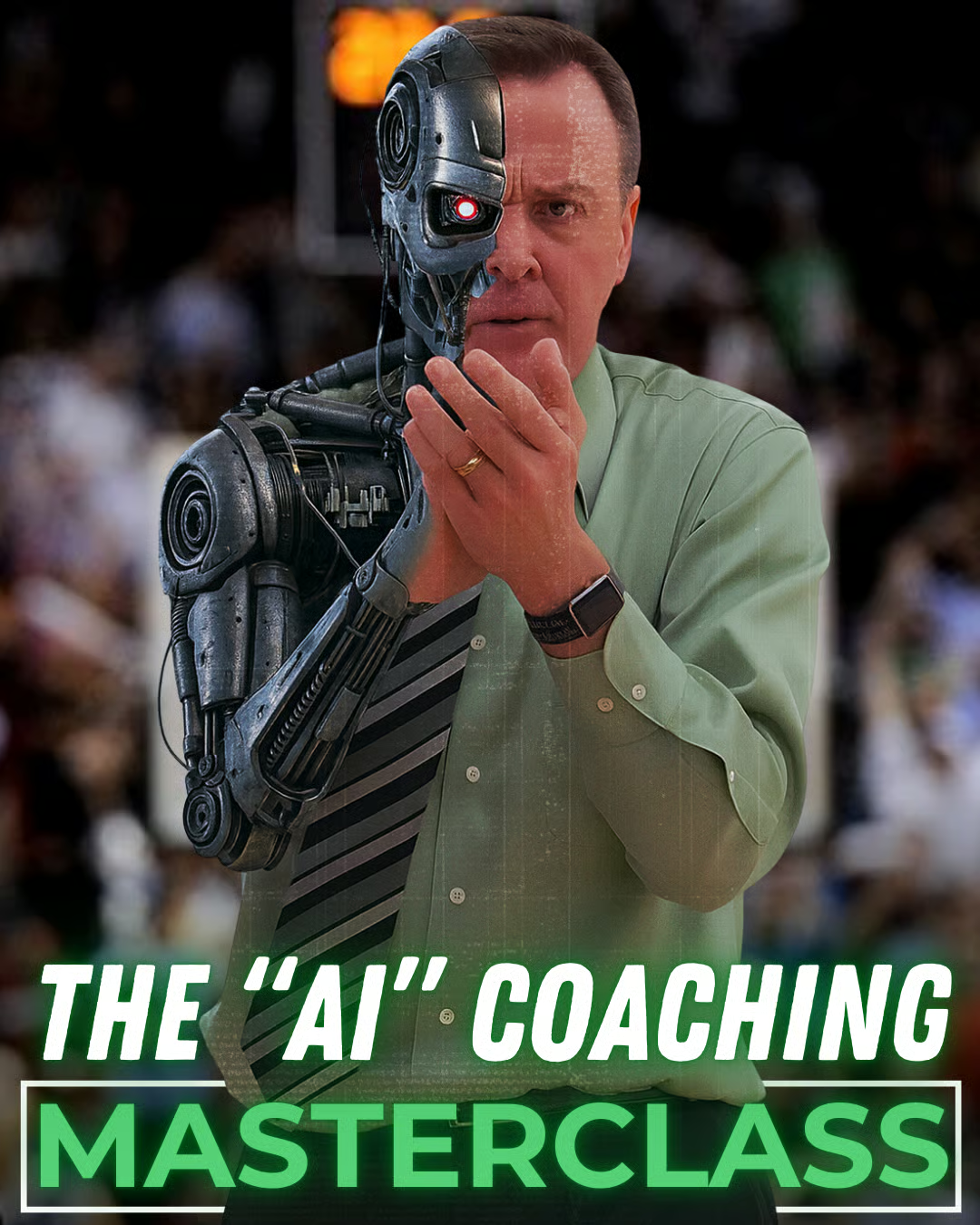
The truth is simple: every coach wants to spend less time grinding and more time coaching. With AI, that’s not a fantasy, it’s the future. If you’ve ever wished for an extra assistant, this is your chance to create one.
Join The Coaching AI Masterclass and learn how to build your own AI basketball coaching system, the one that organizes, plans, and communicates so you can just coach.
If you’d like to explore further, also check out theAIsportscoach.com, a free community for coaches to share prompts, strategies, and ways AI is helping them win both on and off the court.
Every coach wants to get better results on the court, but the real challenge is knowing where to start and how to measure it. The PROOF Process™ gives you a simple, repeatable way to integrate AI tools into your basketball program without getting overwhelmed. It helps you focus on what matters most: measurable improvement, fast feedback, and lasting results. Here’s how you can adapt the PROOF Process™ to use AI effectively in your basketball coaching.
P – Prime for On-Court Results
What it means: Before diving into AI, pinpoint one specific stat you want to improve. Don’t just say, “We need to get better.” Define exactly what success looks like.
Coach’s Action: Instead of chasing “productivity,” focus on outcomes, like cutting down turnovers or improving shot selection.
Example:
Old Way: “We need to cut down on turnovers.”
AI Way: “We’ll use an AI video tool to auto-tag all 75 of our turnovers from the last five games. We’ll identify our top two causes (like skip passes vs. zone or dribbling into traps) and reduce those by 20% in the next two weeks.”
AI turns vague goals into actionable, trackable objectives.
R – Rapid Results
What it means: You don’t need to wait months to see improvement. Use AI to create small, measurable wins, ideally by your next game or week of practice.
Coach’s Action: Take your AI-generated insights and immediately design two new drills that target the main issues (like passing vs. zone or handling traps). Run them early in the week.
The Test: During your next scrimmage, track only those two types of turnovers. If they drop, you’ve got proof the AI-driven adjustment works. That’s a rapid win and one your players will notice.
O – Optimize the Strategy
What it means: Once you’ve seen improvement, the next step is consistency. Use AI to monitor whether the gains hold up over the next few games.
Coach’s Action: Keep feeding new film into your AI system. Track that stat across multiple games to see if the improvement sustains.
When you see that your turnover rate stays down, that’s not luck, it’s a new standard. AI isn’t a gimmick anymore; it’s part of your team’s DNA.
This is how your entire program learns to “speak the same language” when it comes to using data and technology effectively.
F – Futureproof Your Program
What it means: The goal isn’t to use AI for one season. It’s to build a culture that uses it forever.
Coach’s Action: Make AI part of how you do film, scouting, and player development. When players graduate or staff changes, your system stays strong.
AI isn’t the new thing. It’s the normal thing. It helps every player, every season, improve faster and smarter.
Final Thoughts
The PROOF Process™ is a roadmap for how basketball coaches can use AI effectively, starting small, proving results, and building a system that lasts. You don’t need to be a tech expert. You just need a plan, a focus, and the discipline to measure what matters.
AI can’t replace your coaching instincts, but it can amplify them.
Ready to Build Your Coaching Machine?
The truth is simple: every coach wants to spend less time grinding and more time coaching. With AI, that’s not a fantasy, it’s the future. If you’ve ever wished for an extra assistant, this is your chance to create one.
Join The Coaching AI Masterclass and learn how to build your own AI basketball coaching system, the one that organizes, plans, and communicates so you can just coach.
If you’d like to explore further, also check out theAIsportscoach.com, a free community for coaches to share prompts, strategies, and ways AI is helping them win both on and off the court.
Every coach dreams of being more organized, more efficient, and more focused on the court. That’s exactly what an AI basketball coaching system can help you do. Instead of spending hours on film, practice plans, and parent emails, you can let AI handle the heavy lifting, just like Coach Steve Collins teaches in The Coaching AI Masterclass.
It’s not about replacing coaches; it’s about giving them the tools to coach freely again.
Every Coach Is Running Two Programs
Let’s be honest, every coach runs two programs. There’s the basketball program: practices, games, and player development. And then there’s the everything else: film breakdowns, scouting reports, parent emails, travel logistics, communication, and scheduling.
Coach Steve Collins calls that grind “The Human Machine.” It’s the system he ran for 27 years, one that demanded endless hours of manual prep just to keep things afloat.
Now, he’s built something better.
Masterclass Spotlight: The Coaching AI Masterclass
In The Coaching AI Masterclass, Coach Collins reveals how to turn that “Human Machine” into an AI-driven coaching system that almost runs your program for you.
Across four weeks, you’ll see live demonstrations of the exact tools he uses to automate film work, generate practice plans, and write professional parent emails in seconds. You’ll also get ready-to-use templates for scouting reports, communication, and organization, all designed for high school and youth coaches who want to work smarter, not longer.
The AI System That Almost Runs Your Program for You
Coach Collins’ message is simple: AI won’t replace coaches, but coaches who use AI will replace those who don’t.
In the masterclass, he shows how AI can become your Director of Operations, Head of Scouting, Analytics Assistant, and Communications Coordinator, all rolled into one. Here’s what that looks like:
Film in minutes: Upload notes and let AI create organized insights.
Practice plans in seconds: Generate 90-minute plans with breakdowns, games, and teaching cues.
One-page scouting reports: Summarize opponents with personnel tables, tendencies, and short player versions.
Stress-free communication: Draft supportive but firm parent emails that save time and eliminate back-and-forth.
These are real examples from Coach Collins’ workflow, not theory.
Every coach has felt the weight of running a program alone. The AI basketball coaching system that Coach Collins teaches is designed to lift that burden.
As he says:
“Here’s what we’ll do: teach you how to do film in minutes, practice plans in seconds, college-looking scouts, and emails done for you.”
This is the difference between surviving the season and actually enjoying it. AI handles the repetitive tasks so you can focus on player development, game strategy, and leadership, the parts of coaching that truly matter.
The Human System vs. The AI System
For decades, Coach Collins ran everything manually, that was his “Human Machine.” Today, his AI-powered system does the same work faster, cleaner, and more consistently.
The masterclass teaches you how to build your own version of that system, one that fits your team, your level, and your style. You’ll walk away with the structure and templates needed to streamline your entire program.
Ready to Build Your Coaching Machine?
The truth is simple: every coach wants to spend less time grinding and more time coaching. With AI, that’s not a fantasy, it’s the future.
If you’ve ever wished for an extra assistant, this is your chance to create one.
Join The Coaching AI Masterclass and learn how to build your own AI basketball coaching system, the one that organizes, plans, and communicates so you can just coach.
If you’d like to explore further, also check out theAIsportscoach.com, a free community for coaches to share prompts, strategies, and ways AI is helping them win both on and off the court.
Coaching today isn’t just about the court. It’s about juggling emails, organizing practices, managing parents, and keeping everything running smoothly. That’s where AI for youth basketball coaches comes in. You don’t need to be a tech expert or data wizard to use it; you just need to know how to ask the right questions.
With the right approach, AI can help you save time, simplify your program, and get back to what you love most: coaching.
“I’m Not Tech-Savvy…” Is No Longer an Excuse
Every coach knows the feeling: you hear about some new piece of technology and immediately think, That’s not for me.You’re not alone.
This isn’t about learning complicated software or coding. It’s about using tools you already know, your phone, your laptop, your curiosity, to make coaching easier and more efficient.
Workshop Spotlight: The Coaching AI Masterclass
The Coaching AI Masterclass is a four-week live workshop built specifically for youth and high school basketball coaches who want to use technology without feeling overwhelmed.
Coach Collins walks you through the entire process of making AI your assistant coach, showing you how to ask the right questions, build better prompts, and turn everyday tasks into automated systems.
Coach Collins breaks it down into three simple steps:
Ask the right questions.
Ask them the right way.
Ask for feedback.
That’s it. You don’t need to be a tech expert, you just need to know how to coach your AI the same way you coach your players. The better your communication, the better the results.
In The Coaching AI Masterclass, you’ll see how small wording changes can turn AI from a confusing chatbot into a confident assistant that helps you plan, organize, and prepare like never before.
Here’s one of Coach Collins’ real examples straight from the masterclass PDF:
“Explain basketball.” (Bad)
“Explain basketball to a 10-year-old who plays soccer.” (Better)
“Explain basketball to a 10-year-old who plays soccer and hates running, under 120 words and explain why.” (Best)
That’s the power of specificity. When you tailor your questions, AI tailors its answers, just like a good assistant coach who knows your players, your system, and your goals.
Practical Prompts Any Coach Can Try
You don’t need to reinvent the wheel. Here are a few simple prompts Coach Collins shares in the masterclass that any youth coach can use:
“Explain zone defense like I’m a brand new youth coach.”
“Give me 3 pregame speeches for a nervous middle school team.”
“Make a parent email about practice times sound supportive but firm.”
Each one saves you time, reduces stress, and sharpens your communication without replacing the personal touch that makes you a great coach.
The Secret Isn’t the Tool, It’s the Question
Coach Collins compares AI to a veteran assistant: it never sleeps, it never forgets, and it gets better the more you use it. AI won’t replace your judgment, it amplifies it. Once you learn how to talk to it, you’ll wonder how you ever managed without it.
Join The Coaching AI Masterclass and see how AI for youth basketball coaches can turn busywork into breakthroughs, freeing you to focus on player development and the game you love.
If you’d like to explore further, also check out theAIsportscoach.com, a free community for coaches to share prompts, strategies, and ways AI is helping them win both on and off the court.
Let’s get one thing straight: AI isn’t replacing basketball coaches. But coaches who use AI will replace those who don’t. That’s the bold claim at the heart of The Coaching AI Masterclass from Coach Steve Collins, a Hall of Fame coach with 3 state titles, 10 state appearances, and nearly three decades of building winning programs. His message to coaches everywhere is simple: the game is changing, and early adopters win.
This isn’t about losing the human side of coaching. It’s about using new tools to handle the heavy lifting, so you can spend more time doing what you do best coaching the game.
AI Is the Assistant Coach That Never Sleeps
Imagine having an assistant who never gets tired. One who can serve as your Director of Operations, Head of Scouting, Analytics Wizard, and Communications Director, all at once.
That’s what AI can be when you learn how to use it correctly. It’s not a gimmick. It’s a tireless helper that organizes, writes, analyzes, and plans faster than any coach could on their own.
Every time, the coaches who embraced change gained an edge and this is no different. AI is simply the next step in that evolution. The coaches who adopt it early will be the ones out-organizing, out-preparing, and out-performing their opponents for years to come.
As Coach Collins says: “Building a machine is easier today than it’s ever been.” The only question is whether you’ll start building yours now or later.
If you’ve ever felt like you spend more time managing logistics than coaching your team, AI can change that.
In The Coaching AI Masterclass, you’ll see how to systemize the “program side” of your job, everything from communication to organization, so you can finally focus on the court again. It’s about reclaiming your time and reducing the mental clutter that comes with running a program.
Coach Collins has already tested the system himself. He calls it: “The Human Machine vs. The AI System,” 27 years of running everything manually compared to the new model that almost runs itself.
Masterclass Spotlight: The Coaching AI Masterclass
The Coaching AI Masterclass is a live, four-week training designed by Coach Steve Collins, a Hall of Fame high school coach with three state titles and 10 state appearances. In it, he reveals how to use AI tools to run your program faster, cleaner, and smarter, so you can focus on what really matters: coaching.
You’ll see live demonstrations of the exact systems he uses for scouting, practice planning, and communication. By the end, you’ll know how to turn AI into your most reliable assistant, the one that never sleeps.
This masterclass isn’t theory. It’s a practical, hands-on demonstration of what AI can do for your program today. You’ll see the exact tools Coach Collins uses, how he uses them, and what it looks like when AI handles the busywork while you focus on coaching.
Because the truth is, every coach wants more time. And now, you can finally have it.
If you’d like to explore further, check out theAIsportscoach.com, a free community for coaches to share prompts, strategies, and ways AI is helping them win both on and off the court.
Rising costs in youth athletics are forcing tough decisions on families. Whether it’s tournament fees, travel expenses, or just the price of a new pair of shoes, many parents feel the squeeze. If we want affordable youth sports to be more than just a nice idea, we need to be intentional about how we run our teams, clubs, and programs. This includes coaches and parents working together to find common-sense ways to keep kids in the game and not on the sidelines due to cost.
As a coach who’s been around the game for years, I’ve seen firsthand how quickly costs can push families out. Youth basketball is supposed to be fun, developmental, and accessible. But today, the experience often comes with a price tag that rivals a weekend vacation. Families are spending hundreds, sometimes thousands, just to let their kids compete. It shouldn’t be that way.
The good news? There are ways to shift course. With some creative thinking, collaboration, and a bit of planning, we can bring affordable youth sports back into reach for more families. And it starts with understanding where the money is going and what we can do about it. We talk about five ways to do it below.
The Hidden Price of “Just Playing”
Most people don’t realize how quickly costs add up. Even before the first whistle, families might already be out $1,000 per player. That’s just to join a team. Add in uniforms, shoes, gym space, and tournament entry fees, and suddenly affordable youth sports don’t feel so affordable.
Even attending games can get pricey. At some weekend basketball tournaments, parents might pay $15–25 per person just to watch their own kids. Multiply that by two days and multiple family members, and a single weekend outing can run over $100, just to spectate.
Here’s a look at five ways that can help make affordable youth sports a reality.
1. Affordable Youth Sports Start With Smarter Scheduling
One way coaches and clubs can ease the financial burden is by being smart with scheduling. Local tournaments and in-town games help limit travel costs. Parents don’t have to book hotel rooms or miss work. You don’t need five out-of-state trips to help kids grow as players. Keep the focus on development and competitive reps, not mileage.
Try to group games geographically when planning a season. A smart weekend schedule can reduce the need for multiple long drives. If you’re playing two or three games, keep them close together in time and location. That way families can manage their time and their wallets more efficiently.
When possible, partner with other nearby programs to rotate hosting duties. Shared scheduling builds relationships and supports affordable youth sportsacross a whole region.
2. Rethink Tournament and Facility Fees
Gym rentals are getting more expensive, and that cost gets passed down. Still, some programs charge far beyond what’s necessary. Clubs should operate with transparency and show families where their money is going.
When possible, host small tournaments or clinics in partnership with local schools or rec centers. That cuts down on facility costs and creates more affordable youth sports opportunities.
Tournament operators can help, too. Offering discounted passes for parents or family bundles makes a big difference. If entry is $30 for two days, a family of three is spending nearly $100 just to watch. That doesn’t include food, gas, or lodging. Creating flexibility at the gate encourages participation rather than pricing people out.
Join the TeachHoops Community
TeachHoops.com offers a unique platform for coaches to share experiences and gain new insights. Learn from others who have navigated similar challenges. It’s an invaluable resource for those looking to:
Making youth sports accessible isn’t just about saving money. It’s about building community support. Sponsors can help offset costs, especially local businesses. Some might be willing to cover uniforms or pay tournament entry fees in exchange for a small banner or shoutout.
Coaches can also create scholarship or sliding scale systems within their own programs. Not every kid’s family can pay full price. And if we’re serious about keeping affordable youth sports a priority, we can’t ignore that reality.
4. Encourage Recreation Alongside Competition
There’s nothing wrong with travel ball. It can be a great experience for many kids. But recreational leagues still matter. In fact, they might matter more.
Not every player needs five games every weekend. They need to learn the game, build confidence, and love competing.
Keeping rec leagues vibrant helps reduce burnout and keeps the sport accessible. Plus, they often operate with much lower fees. Coaches who give back by working with or supporting their local rec leagues help preserve affordable youth sports in their communities.
5. Parents and Coaches Can Partner for Better Solutions
Families can reduce costs by organizing carpools, sharing gear, and planning ahead for weekend events. Coaches can support by minimizing last-minute travel changes and keeping communication clear. A little planning goes a long way when you’re trying to manage costs across a whole season.
Both groups need to work together. If the mission is truly about helping kids grow through sports, then creating affordable youth sports models isn’t just an option, it’s essential!
One of the most engaging aspects of the TeachHoops.com community is the ability to connect with coaches throughout the nation and all over the world. In this basketball coach interview, Coach Collins talks with basketball coaching with Liam Flynn in this wide ranging interview.
Basketball Coaching Interview: Liam Flynn
A brief version of Liam’s resume is below:
His International Experience includes NBA Consultant, Coach in the German Bunderliga and New Zealand NZNBL.
He sports six years of Australian NBL Coaching experience. He was an assistant coach with the Townsville Crocodiles from 2010-2012. In addition, he assisted with the Adelaide 36ers from 2008-2010.
Flynn has 15 years of State League/ABA Coaching Experience. With the Sturt Sabres, Townsville Heat, Southern Districts Spartans.
He has 12 years of experience with State Teams. Such as: QLD U/18 Boys, SA Metro U/16 Boys & U/18 Boys; South Australia U/20 Men
Flynn also has 20 years experience at Junior Representative Level, with Sturt (SA), Southern Districts (QLD) – U/12s through to U/20s
He holds a Masters in Sports Coaching from University of Queensland, as well as a NCAS Level 2 Coaching Accreditation.
Year after year, the NBA Playoffs offer us all a front row seat to the game of basketball being played at it’s highest level. However, even the top seeded teams can often fall short of that level when it comes to playing with maximum effort. In any given game, most NBA Teams can be trusted to play their hardest, but in a “best of 7” series, there are far more opportunities for human nature to sink in. Following a loss, the most common NBA Playoff Team adjustment is usually not schematic, but simply to play with more energy and determination.
Coaches have used several different buzz words over the years to describe either how an abundance of effort led to victory, or how a lack of effort led to defeat. In the past, the most frequently used buzz word was “desperation”, which has graced the narrative of many post-game press conferences and off-day interviews. However, in 2018, the new buzz word appears to be “force”, which ironically has been used most by Head Coach Steve Kerr of the Defending Champion Golden State Warriors. Regardless of whether “desperation” or “force” best describes maximum effort. What’s most important is why it alludes a team to begin with, and how to get it back when it does.
Overconfidence is the most common contributing factor, and also the most damaging. Overlooking any opponent brings about consequences that often cannot be reversed. Coaches of all levels can learn a valuable lesson from this years NCAA Tournament, in which a #16 seed beat a #1 seed for the first time ever. The concept of “rest vs rust” is also a major factor, when a team is affected by having either too much rest, or not enough. Lastly, is a lack of 3-dimensional preparation. Most preparation is based on 1-D and 2-D tendencies, such as preparing for an opponent that plays fast, or tries to dominate the paint. An example of 3-D preparation would be discovering that your opponent has a hidden motivation, such as a team member dealing with a tragedy, or perhaps a hidden revenge angle. That hidden motivation could make this game extra emotional for them, causing them to play with maximum effort and increased intensity. That could be huge problem if you as a coach are unaware of it, and your players enter the game at only a standard motivation level. Bottom line, there are infinite reasons why a team can lack effort in any game, at anytime, at any level. These are just a few details to keep an eye on.
First, I want to say thank you to Coach Collins for asking me to do this Blog for Teach Hoops. Two things you need to know about me is that I am not all knowing, and I am always learning how to better myself as a coach.
Right now at the college, we are just kinda at a wait and see period for some recruits with an attempt to find that gem that went under recruited by the 4 year schools. Yes, I am assistant at junior college in Wisconsin, but before that I coached 5 years as a varsity boys coach and I almost coached every level below that since my coaching journey started in 2005. As I sit typing my Blog in the sun over Memorial Day Weekend, I ponder the question….why are coaches so busy in the summer?
First, I think it’s important to know that all coaches are not busy in the off-season. For example, I consider myself as a college coach to have a lot of free time. But, my position is much different from when I coached Varsity Boys Basketball at the high school level. My current summer commitments reside in help running two youth camps and support supervision for open gyms. But, I know how much work consist in the summer for High School coaches in the summer. And in reality without summer, I think it would be impossible for coaches to function without it. Summer is a time for development, trial and error, and logistics. Here is a list of items I have done in one summer as a head coach.
Try and tweak new sets, defenses, offenses with team opportunities
Meet with High School staff weekly
Plan and organize online shoe and apparel stores for upcoming season
Wow! I forget how much I did in the summer for preparation for the upcoming season. The question you really asking is why? Winning is hard work, and frankly my tenure at my previous job had only small moments of success. I worked harder than most of my players. Personally, I saw more growth in the youth program with future players coming up the ranks in next the 5 years. But, building a program takes time and making the right decisions through the journey. The worst decision I made was not facilitating the workload to others to provide more time for my own team. My advice to young coaches is create a pipeline of people to work under you. Build and maintain positive relationships with other coaches, parents, and community members to support building your program. Your support system comes down to finding individuals that believe in your program and our invested in the program not their child. Again, the process takes time to build a program, which you have to be careful about picking the right job. That is something I can address in a later Blog.
Summer is a period of time for coaches to eliminate clutter during the season. It’s impossible to do the items above plus coach your team during the season. It would be overload. I feel the many of items on my list provide clarity and direction for the season to come. You can learn about your players and how they respond to certain offense and defensive schemes. The regular season has not enough for trial and error and building your identity. 10 practices and your competing in your first game.
Finally, coaching isn’t a full-time job that pays the bills unless you make it to the big time. I currently still teach 5th grade and coach other sports as well. Without using summer, I believe no one could function during the regular season, unless your single and retired. Please email with questions regarding my blog at [email protected].