Although the modern game of basketball has drifted away from the low block, getting points from the post can still make the difference between winning and losing. While once upon a time, a basketball big man patrolled the paint on offense with his back to the basket, nowadays must develop a more well-rounded game. That said, having a variety of low post moves will help any developing big man in today’s game.
Where’s the Low Post?
The low post area of a basketball court is the section of the painted area nearest to the basket. This stretch features a rectangular block to designate the spot and remains a vital piece of real estate on the court.
The low post stands in contrast to the mid-post, a section middle of the way between the low block and the free throw line, and the high post, which is situated near the free throw line.
Players that occupy the low post often try to pin their defender to their back before receiving a pass. This area makes for prime rebounding position, and when open, provides the highest percentage shots on the basketball court.
Although the modern game has pushed low post players away from the basket, being able to effectively score from this section of the court can often tilt control of the game. These players need to have a variety of low post moves to lean on when trying to score from the block.
Low Post Moves: Baby Hook
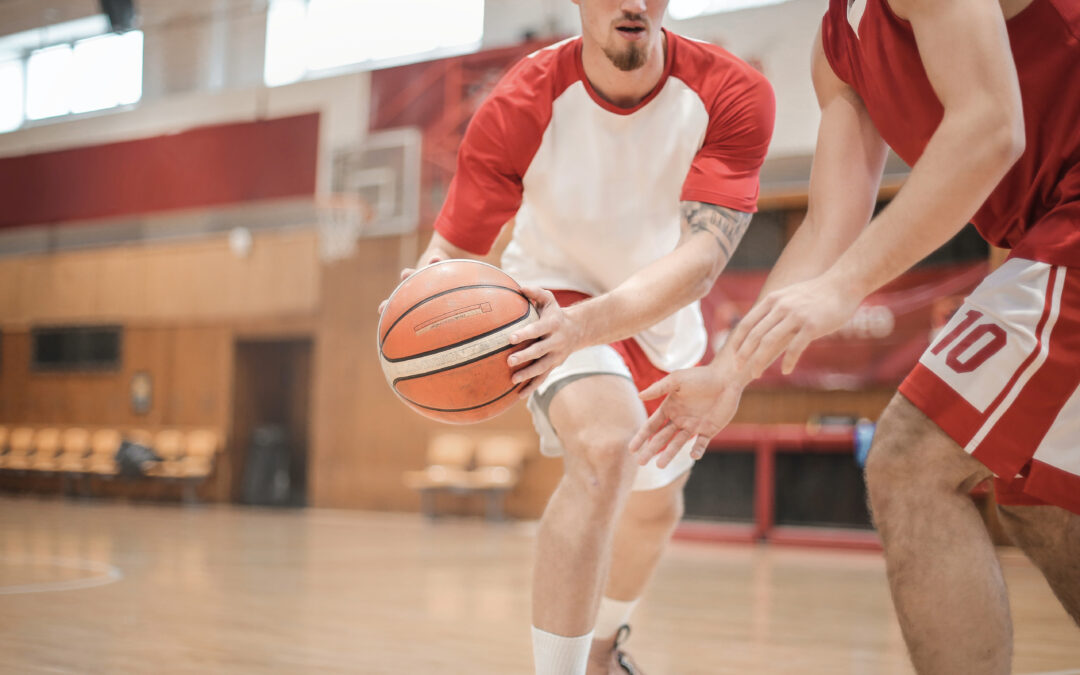
Perhaps the most important low post move for young big men to add to their bag is the baby hook. This simple and effective shot leverages the offensive player’s position near the hoop to get up a quality shot. By turning half way, the offensive player creates space from his defender along the length of his body. From there, the offensive player uses one hand to take this shot attempt over his defender.
This low post move requires a wide stance and a solid base to operate from. If the defender is on the offensive player’s back, a shoulder fake one way or the other should create an opening to attack. From there, the offensive player should turn his shoulders parallel to the hoop, with the ball away from the defender. The offensive player then brings the ball up vertically with one hand and executes the shot attempt with a quick snap of the wrist.
The baby hook is a simplified version of the traditional sky hook, a far more difficult move for low post players to master.
Low Post Moves: Drop Step
Another one of the low post moves every big man should have in his bag is the drop step. This simple maneuver leverages a defender’s position on the floor to create space right at the rim for a layup. The offensive player dribbles with his back to the defender after receiving the ball. Once physical contact is made with the defender’s body, the offensive player uses a shoulder fake to position the defender near his pivot foot. From there, the offensive player uses his other leg to wrap around the defender’s foot and “drop” toward the basket.
This move pushes the defender aside, creating an opening for a layup right at the rim. It must be timed correctly to avoid a charging call or to prevent the defender from getting a clean block. Using the dribble to set up the defender, the best drop step progresses the offensive player toward the baseline. Once the spin is made, the offensive player uses his own body to protect the ball from the defender during the shot attempt.
Low Post Moves: Up-and-Under
The up-and-under stands out as an effective set of low post moves that can also create fouls on opposing defenders. This move works particularly well once the offensive player has made a couple of baby hooks. The “up” portion of the up-and-under looks like a hook shot, inducing the defender’s reaction. The “under” takes place when the offensive player steps through while the defender is out of position.
To execute this move, the offensive player should once again start with a wide stance. From there, the offensive players should behave as if he intends to shoot a baby hook. As he moves into a two-foot position after picking up his dribble, the offensive player then performs a ball fake to get the defender to jump. Once the defender is up in the air, the offensive player performs a step-through underneath, getting an open look at the rim.
So much goes into winning and losing basketball games. Coaches and teams prepare to the best of their ability, but sometimes the ball bounces in the other team’s favor. Wins remain joyous, while losses hurt for days.
Coaches have a number of elements to consider in this regard, including how to get a team to think like champions.
20 Keys To Winning Basketball Games and Championships
Developing a winning basketball program often comes down to the details. Here’s a list of 20 keys to creating the right culture to start winning championships this season!
1. Find the Correct People, Program, School or Location
The first step in this process is hiring the right coaches. You’ll want a loyal group that shares your vision for the team. Beyond that, you’ll need to consider the school, including elements like atmosphere, community, and the reality of competition. Beyond that, when assembling your roster, remember, hard working players lead to winning basketball.
2. Have Well-Defined Roles
It’s important to have well-defined roles in your program. Everyone should be connected and understand where they fit. For players, it’s important to understand not everyone can be the star. Role players often hold the key to winning basketball championships. Also, think about how you’ll manage your summer requirements, as well as the players’ participation in other sports.
3. Get Out of Their Way
A key factor in winning basketball is letting the players play. Don’t “over coach” or over complicate the game. Don’t panic. And perhaps most importantly, be willing to change your approach.
4. When Picking Your Team Look For Players Who:
Score and Handle The Ball
Shoot Free Throws Well
Handle Pressure
Players will excel in what you emphasize.
5. Understand That Success Is NOT Immediate
As the cliche goes, Rome was not built in a take. Take time to teach the skills and approaches you want your players to master.
6. Pick A Style You Believe In
When it comes down to developing your basketball philosophy, pick one that fits you and your personality. That will make it easier to sell to your players. Remember, there’s more than one way to develop a winning basketball team. Be ready to adjust the system with different groups each season.
7. Find A Common Goal / Theme
Examine your expectations in preseason and be ready to change as the need arises. Loop in all the voices involved in your program, including assistant coaches, players, families, even school administration. Set clear and attainable goals for the team and individual players.
8. Plan For IT
Creating a winning basketball culture and competition for championships takes buy-in and preparation. Keep realistic expectations but push your players to get better every day. Put your players in situations where they can succeed.
9. Once You Get To The BIG Game Act Like You Belong
Once you and your program has made it to the highest level, stay in your routine. Control what is in your ability to control and block out all the noise. The players will feel ready if you’ve prepared them along the way.
10. Rest
Keep in mind the grind. Fatigue can make a coward of anyone, so limit long practice sessions in season. Shorten and streamline your approaches. Don’t overtrain your players–that’ll lead to burnout.
11. Be Aggressive
That said, be aggressive in your style and approach. Incorporate innovation and instill the idea that no one can give you a win, you must take it.
12. Give Them a Reason To Win
Give your players something to believe in preseason by finding a hook. Consider things like emotion, the underdog story, or program history.
13. Keep Learning
As a coach, always keep learning. Communities like the one at teachhoops.comhelps find like-minded coaches willing to share approaches and in successes.
14. Outside Evaluation
Find someone outside your program to help you evaluate your approach. A fresh set of eyes might find a new angle that you haven’t considered.
15 . Over Prepare
Coaches should over prepare and out work their opponents. This is done though scouting, pouring over reports and tapes, then relaying that information in the classroom to players.
16. WIN
Teach your players how to win and how to handle adversity. It’ll help pull victories from the jaws of defeat and help grab wins in unlikely scenarios.
17. Expect The Unexpected
If it can happen, it will happen. Try to control outside factors as much as possible, but understand you won’t be able to control everything. One of the hallmarks of a winning basketball team is it’s depth, so develop that as best you can.
18. Find Leaders
Filling out your roster is the most important part of the preparation process, but picking the right captains remains a high priority for winning programs. Talk on and off the court with your leaders to help foster that communication. This will model healthy relationships for your players.
19. Visualize
Visualize the winning your local or state basketball championship. See it, then sell that vision to the players in your locker room.
One of the best ways to get a look at any potential new talent for your basketball program is to run an open gym. This activity provides coaches the opportunity to catch a glimpse of potential players to add to the program as the new season nears. Open gyms also give players the chance to flash their skills without the added pressure of performing at more structured try-outs.
Although normally unstructured, an effective open gym needs rules and games in order for coaches to get the best look at the assembled talent. Coaches often watch the proceedings a bystanders, waiting for try-outs to provide direction instruction. But adding certain rules to the traditional basketball open gym often unlocks this activity.
Preseason Open Gyms
One of the most difficult aspects of coaching remains the integration of unstructured time either in practice or during preseason. Running a preseason open gym usually comes well before any try-outs and the season’s official start date. Too often, though, open gyms lead to players not working hard and poor decisions being made.
But players love the freedom of an Open Gym set up. However, implementing a set of rules or games helps players improve specific skills during the run. This often reinforces offseason work players complete to get better and can be a big help for coaches to maximize limited preseason time.
The normal setup of a basketball open gym leaves coaches with minimal responsibilities beyond supervision. Player arrive, shoot around, and eventually organize themselves into teams to run 5-on-5 full court. Coaches can provide additional structure and perhaps even officiate, but layering rules into this activity helps everyone involved.
12 Basketball Open Gym Rules to Try
Running an effective basketball preseason open gym often comes down to time management. Of course the number of players involved will dictate certain aspects, but coaches should implement specific time restrictions on shoot around and warm ups, as well as open runs. 10 minute running clock games often provide coaches with an extended look without completely tiring out the players.
No Dribble 5-on-5
Zone On Makes, Man On Misses 5-on-5
5-on-5 Hockey (ball has to be dribbled across half court by the person who rebounds it)
Everyone must Touch before you can score.
Post must touch
Weak-hand Layup is worth 3-Points
1-2-3- Paint shots are 1 point, 3’s are worth 2, mid-range is worth 3 points
No 3 point shots- everything is worth 2 points
No inbound on Made basket
No ball screens or Switch all screens
Must dribble only with your “weak” hand
Must switch the type of defense you run each possession
These rules add layers to the games for players to navigate. They provide basketball coaches with additional information on the players that might otherwise be hidden in a normal open gyms. The rules also give players an added wrinkle to enjoy while getting their run in.
Youth player development can be an avenue for coaches to share their love of the game. But if a team is going to be successful, it takes more than just love. Coaches are tasked with improving players both individually and within the context of the team. And during the planning stages, including full-court basketball drills might make practice all the more enjoyable and helps build stamina and improve conditioning.
A well-conditioned team is a team that has an opportunity for great success on the basketball court. To become this kind of team though, basketball conditioning must take place. There are a variety of ways to do this: sprints, distance running, tough drills to improve game conditioning, or a combination of the previously mentioned activities.
Here’s a look at three full court basketball drills to incorporate into your next practice.
Full Court Basketball Drills: Zig Zag Pass and Cut
The Zig Zag Pass and Cut full court basketball drill helps not only with conditioning but also specific skill development. This drill works particularly well with youth basketball teams still learning the game because it encourages players to look up the floor and pass, rather than just dribble. Players hone skills for speed dribbling, bounce and chest passing, pivoting, rebounding, and lay-up finishing.
Two balls are needed to complete this full court basketball drill. Coaches should divide their teams into four or five equal groups, adding any extra players near the basket in the rebounding line. The other lines set up as an outlet, at half court, and on the opposite wing as the finisher.
The drill progresses when the coach tosses the ball off the backboard, creating a rebound. The rebounder retrieves the miss then outlets. The player who receives the outlet pass fires across the line at half court. From there, the ball gets passes to the opposite wing. The finisher receives the final pass and dribbles in for a lay-up.
Each player follows their pass from line to line, progressing to each station along the court. The finisher makes his layup then completes a full court speed dribble up the opposite sideline to get the ball back to the coach on the other end. Coaches can make this a competitive practice game by adding the element of time to each team completed set.
Full Court Basketball Drills: Continuous 3-on-2
One of the most popular full court drills for any basketball coach is the 3-on-2. However, if not implemented correctly, this drill can stagnate. Reset times drag on and momentum is lost. You need two teams with at least six on a team.
The set up for this drill mirrors the graphic here. The team in black defends the first transition repetition from the white team. As white approaches the half court, a third defender enters at the center circle. From the opposite sideline, two players from the white team enter as defenders on the other end.
The third player on black becomes a trail defender, sprinting into the defensive possession from behind. Adding this element makes this version of the 3-on-2 drill more game-like in its repetitions.
Once the white team gets a quick shot attempt or black either forces a turnover or grabs a rebound, the three defenders in black become the new offense. They begin their transition rep heading down to the other end of the court, where two defenders in white await. As before, a third white defender enters at the center circle once the offense progresses beyond half court and two new players on the black team become the next defenders on the other end.
This drill keeps the flow of transition going once the players have the rotations down. Players always return to their sideline after an offensive rep. Coaches can keep score or track other elements, such as paint touches, turnovers, or bad shots.
Full Court Basketball Drills: One-Way Basket
This is a full-court competitive game that allows coaches to install a specific play or set, while also practice key defensive principles. In the half court, the offense runs their first action against a full compliment of defenders.
If this action results in a basket, then the offense and defense switch. But if the defense gets a stop, then it’s a full court game.
The defensive stop flows into transition offense as that squad seeks to score. Only points scored off of defensive stops count in this competitive practice game.
This game should flow back and forth for several minutes before coaches change anything.
Coaches that incorporate this competitive practice game look to establish the mindset that the team needs to focus on getting defensive stops before getting to the offensive end of the floor. The emphasis for this drill remains defense.
Picking the right offense for a youth basketball team can be one of the most difficult decisions for any coach. After evaluating the skill level of a team, coaches must emphasize the sets and skills that will put his team on track for success. But when dealing with newcomers to the sport, sometimes having simple basketball plays to start with is the way to go.
Youth coaches often spend a great deal of time practice planning and developing the right mix of drills to incorporate with their young players. When it comes down to designing an offensive set, being able to score in the half court often dictates success in games. Add these three simple basketball plays that are easy to run to your basketball playbook.
Simple Basketball Plays: Basic Pick and Roll
One of the simple basketball plays even coach should incorporate is the basic pick and roll. This play works well against man-to-man defenses and remains a staple of the game in the professional ranks. Youth basketball offenses can repeat this action over and over until a good look opens up. This play can start in several different alignments.
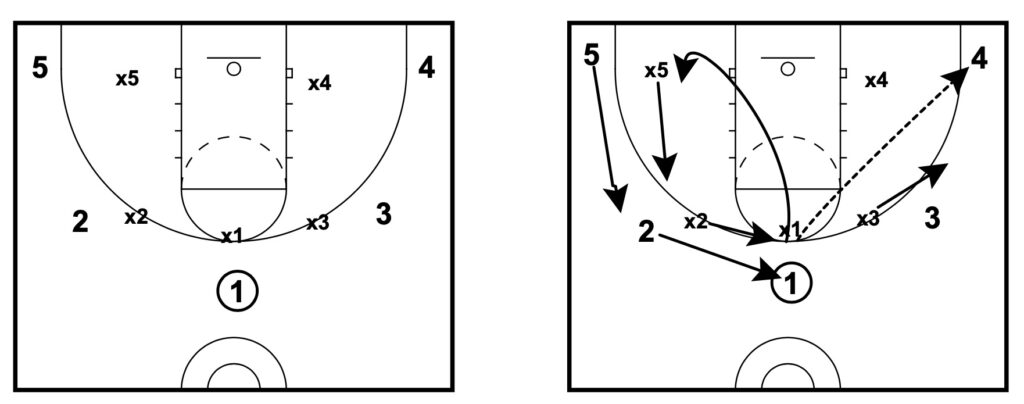
Using a 4-out, 1-in alignment, the point guard dribbles to the wing, with three players on the opposite perimeter. Player 5 comes up from the low post to set a screen for the point guard on the wing. The ball handler drives off the screen toward the basket while player 5 rolls into the lane. The driver decides to either take a shot or make a pass to the roller. If neither option is available, the driver can kick the ball out to a teammate on the perimeter.
The beauty of this simple basketball play remains the free-flowing nature of the action. The ball handler gets to read and react to the defense. The screen also gets to decide how to move based on the defense’s alignment. Screeners can roll to the hoop or pop to a open spot on the perimeter for a jump shot.
Coaches can layer off-ball actions for the other players as well. This will help keep the weak side defenders occupied and hesitant to help. Basic pick and roll action can be implemented effectively in end-of-game situations and even in transition.
Simple Basketball Plays: Short Corner Jump Shot
Naming the sets can vary from team to team, but this simple basketball play aims to get a open look for a jump shot at the short corner along the baseline.
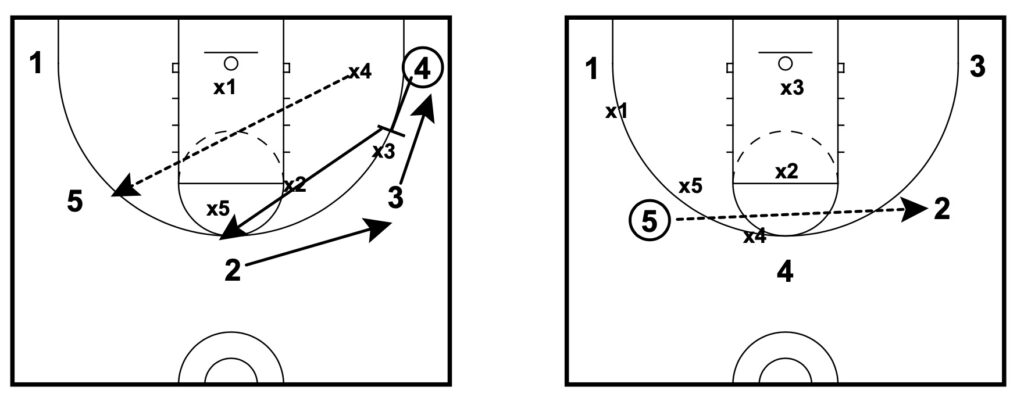
The play begins with a 3-out, 2-in alignment, with the big men occupying the blocks. The point guard dribbles up and initiates the play with a pass to either wing. The big man on the ball-side of the play comes up to set a screen at the elbow for the point guard after the pass.
The point guard uses the screen and runs a J-shaped cut toward the baseline. The player on the wing looks to pass the ball to the baseline if the point guard is open for a jump shot. If not, the player can dribble to the top of the key and reset the play.
This play works well at the youth level because it involves the basic action of pass and cut. The big man sets a high screen and either roll to the basket or flare for a shot. Having a simple basketball play that can easily reset allows the team to feel more comfortable.
Simple Basketball Plays: Double Screen Curl
The next simple basketball play looks to get another open jump shot. This play uses a 4-out, 1-in alignment to start, though the order along the perimeter doesn’t really matter. For this play, coaches should set the shooter to start in the corner.
The play begins with the point guard dribbling up and making a pass to the 3 on the wing. That player immediately swings the ball to the 4 in the corner. Once the ball ends up in the corner, the point guard and player 3 set a double screen for the shooter, who’s coming up from the opposite corner.
Player 4 looks first to the shooter coming around the double screen. If that option isn’t there, player 4 can then look to player 5, who’s on the low block. 5 mirrors the movement of the ball along the perimeter with each pass, going from elbow to elbow, then to the low block.
This play works well at the youth level because it involves basic movement along the perimeter. The interior player follows a simple run for this basketball play, mirroring the ball with each pass. Should the defense cover both the shooter and the low post, this play can easily be run again in the opposite direction.
Developing basketball defensive systems stands as one of the most important aspects for any coach out there. While designing offensive plays might be more fun, crafting the right defensive system might make more a difference between winning and losing. A good defense feeds directly into offense and it makes scoring that much easier. Basketball coaches implementing combination defenses can make things even more difficult for opponents.
Many coaches believe it’s better to sport a simple offense and complex defense, rather than the other way around. How a coach crafts their team’s defensive approach often dictates the very identity of the team. Also, not all players, particularly at the youth level, will have the same natural abilities on the offensive end, but most players can be taught complex defensive schemes and excel.
Basketball Combination Defenses
A basketball team that uses combination defenses employs a strategy that incorporates two different defensive systems. This normally manifests as a combination of zone defense and a man-to-man approach. The most well-known example of this approach is the Box and 1 defense. Some refer to these approaches as “junk” defenses, but when used correctly, they can really throw off the rhythm and timing of opposing offenses.
A Box and 1 takes your team’s best defender and task him with disrupting the playmaking opportunities of your opponent’s top perimeter scorer. At the same time, the additional four defenders will play a zone in the form of a box, hence “box and 1.” This combination defense can be a polarizing topic among basketball coaches. And, like other defensive schemes, this approach comes with advantages and disadvantages. The most obvious pro to this defensive approach is trying to neutralize, or at least render inefficient, your opponent’s top offensive player. One significant con of this defensive strategy arises when your team’s best perimeter defender is also your team’s best offensive player.
Another example of basketball combination defenses is the Triangle and 2. This approach uses two chasers instead of one, with the three other defenders creating a triangle zone. The two bottom defenders take the low blocks while the third member of the triangle mans the nail. Coaches can invert the triangle if more defensive pressure is needed at the elbows.
Strengths and Weaknesses of the Combo Defense
Strengths:
Confusion – This forces the opposition to run an offense completely different to their normal playing style. Forcing the opposition to make massive changes to their game-plan is always a good thing for the defense.
Star Players Will Get Frustrated and Tired– Imagine how frustrating and tiring it will be for their star players who are unable to get open while their teammates pass thebasketball around and take shots.
Easy to Implement – Easy to teach using man principles.
Weaknesses:
Middle of the Zone and the mid-range jumper – The middle of a zone is always the most vulnerable position on the court for the offense to exploit. It’s imperative that your weak side players are always in the correct position to deny the pass into the middle of the zone.
Can’t be used often against great shooting teams – If the team has patience and moves the ball they will find open shots.
Incorporating the right basketball drills for a team makes all the difference for coaches at the youth level. Coaches need to gauge the skill and talent they’re working with, instituting a practice plan to maximize the growth of these young players. Developing specific basketball skills early sets both the player and the team up for success, so picking the best basic shooting drills for kids can be a good place to start.
One of the most important parts of any coach’s practice plan is the incorporation of basketball shooting drills. These drills are valuable no matter the level of the team or the talent of the individual player. Shooting remains a key aspect of the game, and only through repetition and focus can a player improve.
For coaches, finding the right drills for your team can be frustrating. Depending on the team’s level and the talents of the gathered players, coaches sift through dozens of drills, searching for the right series. It’s important for a coach to understand their team’s ability and continuously push them to improve.
When developing shooting drills, a good coach must consider what types of shots they want to focus on. Drills should reinforce the skills that will help the players perform within the context of a game. So shooting drills should be designed around shots that would normally result from a team’s offensive actions. The best basketball shooting drills are representative of a team’s base offense.
This drill involves a set number of players progressing through a series of shots on the floor. The group might start at the short corner, then move to the elbow, free throw, opposite elbow and opposite short corner.
In order to progress to the next spot, the group needs to make a designated number of shots in a row. Once the group has made three from the short corner, for example, they move to the elbow. But if they miss at the elbow, a coach can signal either that the team runs or returns to the previous spot.
This drill can be redesigned as a practice game as well.
3-2-1 Basketball Shooting Drill
The 3-2-1 basketball team shooting drill involves at least two players and is a high-volume, high-repetition practice. Over the course of one or two minutes, non-stop, a single shooter progresses through a series of jump shots. The other player rebounds and feeds the shooter from near the hoop.
The shooter begins behind the three-point line for their first shot. From there, the shooter moves into the midrange for their second shot. The last shot in the sequence is a layup (which is worth one point). The rebounder keeps track of the shooter’s score as their teammate progresses through the drill. After the time is up, the players switch roles.
This shooting drill provides valuable practice for any shooter, regardless of talent-level. The shooter must move, set their feet and find a repeatable release. Even the other player gets reps at securing rebounds and making solid passes.
This drill can incorporate internal competition as well. The two partnered players can compete with one another, or with another pair at another hoop.
Incorporating the right basketball drills for kids makes all the difference for coaches at the youth level. Coaches need to gauge the skill and talent they’re working with, instituting a practice plan to maximize the growth of these young players. Developing specific basketball skills early sets both the player and the team up for success, so picking the best basic passing drills for kids can be a good place to start.
Finding the right balance for your practice is key. You want your players to practice hard, hone their skills, and become better basketball players. But you also want them to have fun. Coaching at the youth level takes plenty of patience and positivity. You’ll need to incorporate a fast pace and keep your players occupied and engaged, especially during potentially monotonous skill development drills. Developing focus and fun at practice remains an integral effort for coaches at the youth level of the game.
While there’s no magic formula for practice planning or picking drills, leaning on your experience as a head coach often shows the right path for your players. Here’s a look a some of the best basic passing drills for kids.
Basic Passing Form
While most kids will want to start with shooting or dribbling drills, it’s important for every coach to incorporate basic passing drills early on in a player’s development. Coaches can’t assume kids will be good passers when first coming to the court. Bad passes destroy offensive possessions, while good passing creates scoring opportunities. Many turnovers come as a result of poor passes. So it’s integral that your young players learn the proper mechanics for bounce, chest, and outlet passes.
Coaches should demonstrate proper form for their players to mimic. For a basic chest pass, players should step into the pass and snap the ball off with their thumbs going through the ball and pointing toward their receiver. Chest passes are not overhead lobs. They should hit their receiver in the chest.
For the bounce pass, passers can start from the triple-threat position. The player should snap the ball off with their pass, but it should hit the court about three-fourths of the way toward the receiver. The resulting bounce from the pass should reach the receiver’s waist.
For overhead outlet passes, the players should be further apart. The passer snaps their pass off with some arc, but not so much that the ball floats to the receiver. The pass should be thrown hard and can lead the receiver down the court if need be.
Players catching the pass need to practice proper form as well. The receiver needs to provide a target with his hands extended to make the grab. After the catch, receivers should immediately turn into a triple-threat position.
Best Basic Passing Drills for Kids
After demonstrating the basic form for basic passing drills, it’s time to divide the players into groups to try their hand at these drills. Below are some of the best passing drills for kids just beginning in the game of basketball. It’s good for coaches to pair players for these drills so the kids can practice both passing and receiving.
Rapid Fire Chest Passing Practice
Players begin this drill with one ball and facing each other, about two feet apart. The first passer starts the drill by passing to his partner and immediately taking two short steps back. The receiver catches the ball and passes it right back. After each pass, the first player retreats two steps, while the receiver stands still. Once the first passer has made five passes, he starts moving back toward the receiver with each pass.
This drill should feature 10 passes total before switching players. Coaches can alter this drill by having both players retreat or return with each pass or having the players alternate with bounce passes. Be sure to stress to players the proper passing form, especially stepping into their passes as the distance grows. Players can practice this drill at home by using a wall.
Two-Ball Line Passing Drill
For this basic passing drill, three-to-five kids line up along the key arm-length apart with one passer facing the line. The passer has one ball and one of the players in the line does as well. The passer should set up on the opposite line of the key.
To start this drill, the passer snaps a chest pass to one random player in the line. The moment that happens, the player in the line holding the second ball passes back to the passer. The passer must catch and make a return pass to any receiver who does not have the ball. The passer slides along the key to catch and return passes as quickly as possible. Coaches should stress form once again as well as vision. The passer must keep his eyes up and react with each progression.
Man in the Middle
For this basic drill, coaches need to form passing groups of three kids each. Each trio uses one ball, with the passers facing each other anywhere from 10 to 20 feet apart. The third player in the group is the man in the middle. This player acts as a defender, trying to deflect or steal each pass as it’s made.
The two passers work together from a relatively stationary position, although a single dribble left or right is allowed to create a new passing angle. Coaches should stress triple-threat position and pivoting for the passers. Players can work on ball fakes to make the defender move. Passes in this drill can include chest, bounce, or overhead outlets. Tell players not to float passes that allow the defender to recover while the ball travels.
Basketball coaches at any level have a limited amount of time with their players. So maximizing practice time, especially entering a new season, becomes paramount. So crafting an effective youth basketball practice plan helps immensely.
At the youth level, this remains a stark reality. Coaches might only have their players for a few hours a week. No matter the level, basketball coaches invariably spend time practice planning.
“The structure of your practice is the most determining reason for your success or lack of success as a coach.” Bobby Knight
Basketball Practice Planning
Most basketball coaches have their own approaches to practice planning. Some minimize the pre-practice work, opting instead for what feels right in the moment. Others build off of the previous day, or something that stood out in the last game. A coach might scribble notes on a pad or random slip of paper. That paper usually finds itself tucked behind the elastic of the coach’s shorts.
The key to a good basketball practice plan will always be efficiency. Coaches must consider not only what their specific goals are, but how those goals will be reached within a given time frame. Youth leagues often limit practice time. Even high school teams find themselves forced into a given time slot at the school’s gym.
The best practice plans can be constructed on one sheet of paper. This paper focuses the goals and approaches for the day. Having a wide view of practice allows a coach to establish a logical progression through the drills. The plan can also keep a general timing structure, although flexibility is key for any coach.
By listing the drills and concepts clearly on the practice plan, coaches know exactly what the focus of each practice segment will be. This will eliminate any lost time between drills or segments, maximizing contact time.
Sample Practice Plan
Every coach should know the amount of time available to them for practice, both how long each practice will be and what the schedule looks like for the week.
From there, it’s a matter of dividing the time of each practice. These segments will have specific focuses. Segments might include warm-up and stretching, individual skill development or larger team concepts.
One helpful inclusion for any basketball coach’s practice planning is a drill library. Having the different drills listed directly on the plan itself will facilitate movement from segment to segment. The drill library can include not only the drills themselves, but also the specific focus points for development.
Having a drill library also allows a coach to vary practices from session to session. Sure, each coach will have a core set of drills they like to implement, but falling into a rigid routine is something to avoid. Keeping practice fresh can only benefit the players and maintain engagement.
Beyond that, varying the practice plan itself allows for the drills and segments that invariably will be cut short because others went long to be incorporated into the next practice.
Youth player development can be an avenue for coaches to share their love of the game. But if a team is going to be successful, it takes more than just love. Coaches are tasked with improving players both individually and within the context of the team. So youth player development often takes center stage with young teams.
To maximize their time with their players, coaches need to manage their time well. And one of the most important tools to optimize shared time is a detailed practice plan. Coaches that just roll the balls out often find their practices lack the focus and intensity necessary to improve the team.
Youth Player Development: Practice Planning
Different coaches have different approaches to practice planning. Some youth coaches zero in on specific basketball skill that need development, while others take a more free-flowing view. Some coaches scribble notes on a sheet of paper and tuck that folded plan into their waist band, whole others meticulously craft a minute-by-minute split using an app.
Whatever the preferred approach, it remains integral that coaches have a plan in place to maximize practice time.
A valuable practice plan lays out the exact avenues of attack a coach wants to explore. Especially early when youth basketball development is at its peak for the season, plotting out points of emphasis can be particularly useful.
What exactly do you want to accomplish during this practice session? Often writing those specific goals aid in achieving them.
From there, coaches can sketch out the best outline for the day. Teaching drills and execution is key in youth player development, but haphazard approaches can often sabotage valuable practice time.
A detailed youth basketball practice plan might help a coach that wants to get to a number of skills and sets focus on key developmental aspects.
What daily drills will you include? How much teaching happens before a drill? What does the debrief look like? These are all important questions coaches should ask themselves prior to the start of any given practice.
Incorporating the right basketball drills for kids makes all the difference for coaches at the youth level. Coaches need to gauge the skill and talent they’re working with, instituting a practice plan to maximize the development of these young players. Finding the right balance for your practice is key. You want your players to practice hard, hone their skills, and become better basketball players. But you also want them to have fun.
Coaching at the youth level takes plenty of patience and positivity. You’ll need to incorporate a fast pace and keep your players occupied and engaged, especially during potentially monotonous skill development drills. Developing focus and fun at practice remains an integral effort for coaches at the youth level of the game.
While there’s no magic formula for practice planning or picking drills, leaning on your experience as a head coach often shows the right path for your players. Here’s a look a some of the best basketball drills for kids.
Basketball Drills for Kids
Developing simple, fun, and effective drills for kids at the youth basketball level might be one of the most difficult parts of the job for any coach. When dealing with beginners, it’s important to layer skill development and not overwhelm the kids with complicated basketball drills. Coaches often zero-in on the basics, which include dribbling, passing, rebounding, and shooting.
Red Light, Green Light Dribbling Drill
Children, especially competitive ones, love the game Red Light, Green Light. This basketball dribbling drills plays off that popular kids game. Assuming you’ve worked with the basic form for dribbling, this game engages the young players on two fronts, control and vision. It teaches players to keep control of the ball while keeping their head up.
The coach stands on one end of the court while the players lineup on the opposite baseline. Each player has a ball and begins dribbling in place. The goal of this drill is to be the first player to make it to the opposite end of the floor while controlling his dribble.
While the original game has someone call out “red light” or “green light,” this version works best if the coach has colored sheets of paper red, green, and yellow. The red paper represents “stop,” which signals the players to control their dribble in place. The green paper represents “go,” which signals a speed dribble forward. The yellow paper can then represent “reverse,” which signals a retreat dribble.
Using the colored papers forces the players to look up at the coach while they’re dribbling. If a player performs the wrong action, they have to return to the baseline.
Knockout
At time-honored tradition before and after practices, Knockout represents more than just a silly, time-killing tradition. For young, competitive players, this drill helps develop quick shooting skills and in-game concentration. Kids learn to shoot under pressure and with a heightened sense of urgency in this basketball drill.
Coaches need two balls to start this drill. Each participating player lines up starting at the free throw stripe, with the first two players holding the balls. The game begins when the first player shoots the ball. The second player then follows with his shot.
What happens next depends upon whether or not the shots drop. If the first shooter makes his free throw, he retrieves the ball and passes to the next person in line. Then he joins the back of the line. If he missed his shot, he must grab the rebound and make a layup before the next shooter makes their attempt. Should the first shooter can make a layup before the second player scores, he’s still in the game. If the second shooter makes a shot before, the first player is eliminated.
Each time a player takes and misses a shot, the next player in line shoots to try to knock them out. Hence the name of the game. The drill continues until only one player remains, the winner.
There are several points of emphasis for this drill. Each player should maintain proper mechanics and form when shooting. Keep your head up and be aware of other players. Coaches can also stress form with layup attempts and return passes.
Passing Tag
Another engaging basketball drill for kids is one called Passing Tag. In this drill, the passers are “it” and try to tag the other team while working off only their pivot foot. Passing Tag incorporates basic passing skills, as well as footwork and communication. Players also learn how to move without the ball.
The set up here can use either the half court or only the space inside the three-point line. Coaches create two teams, the passers and the runners. The passing team should start with only two or three players, whereas everyone else can be a runner. Coaches call for the start of this drill and runners immediately move through the designated space.
Passers look for each other and pass at strategic points. When a player catches the ball, he can pivot to try and tag one of the runners with the ball. If the tag is made, that runner can either be out or added to the passers team.
Points of emphasis for this drill include moving without the ball and making the right pass. Players learn to use their pivot foot and avoid traveling. Coaches can shrink the playing area as the drill continues. Coaches can also add a defensive layer to this drill where the runners can knock or intercept passes for points or to add players back to their team.
Any basketball coach knows the pressure of conducting fair and effective tryouts. No matter skill level, age, or competitive setup, picking the right players to populate your team stands as one of the most challenging choices to make. That’s why having the right basketball player evaluation form is integral for your tryouts.
Often times, developing your tryout can be more difficult that even setting up a playing rotation. Tryout day stands as one of the hardest yet most important days on the calendar. How a coach assembles to roster has wide ranging implications for the season.
Basketball Tryouts Form Opinions for Key Player Evaluation
The first question any coach needs to ask themself is: what type of team will you have? The answer to this question will largely influence the types of drills you select. These drills will be staples of any practice plan, but they’ll also be valuable evaluation tools during tryouts.
Key aspects to consider are skill and athleticism.Transition drills often provide an effective measure for these areas. In these drills, players need to demonstrate how well they run and what type of shape they’re in, as well as how they control the ball and finish. From there, higher level transition drills can evaluate decision making skills as well.
Station work tends to give coaches the opportunity to measure specific basketball skills for individual players. This becomes particularly effective for coaching staffs with multiple members. That said, even if you’re working alone, having the players rotate through stations gives you a glimpse of each player’s skill level in a given area. These stations can include ball handling, form shooting and free throws, among other things.
Grouping players together for small competitive games also provides basketball coaches with solid information for the player evaluation form. Organize players into 2-on-2 or 3-on-3 competitions to see how they operate in a team environment. In these small group environments, it’s harder for players to “hide.”
Another important element to consider exists outside the basic skill and athleticism evaluation. The intangible skills of communication and teamwork often separate a player’s effectiveness on the floor. Incorporating drills that push these skills to the forefront provide coaches with important information about each player. These drills or situations can shine a light on players with leadership potential.
Areas of Evaluation
The Basketball Player Evaluation Form provides space for coaches to consider several different skills and traits for each player. Among those areas are offensive skills like shooting, dribbling, and passing. In addition, defense and rebounding skills need measurement. Other general areas on the form include athletic ability, coachability, and game play. Finally, the form provides space for overall strength evaluation.
Basketball Player Evaluation Form Downloadable PDFS:
When athletes enter the weight room, what is one of the first things they want to work on? A lot of times, they want to develop their arm definition. While this is important, from an athletic perspective one of the most underrated muscles are the hamstrings. For any basketball player, no matter the level, hamstring stretches remain key to strengthening an important muscle and avoiding injury.
Let’s start with this basic question: What must all athletes (particularly basketball players) be able to do? Run, jump, stop on a dime, etc. Hamstrings play a very important role in all of those athletic movements!
On top of all of those things all athletes need to do, one thing all coaches and athletes want to avoid is injury. A good pre-practice warm-up routine is key. Strong hamstrings help the knee bend and absorb shock from the variety of athletic movements that all athletes perform.
With all of that being said, it is important that when athletes enter the weight room they are performing movements to help strengthen their hamstrings. For our program, we try to hit the hamstrings as much as we can from our daily stretching to our strength training exercises. What this article is going to do is provide some of our favorite basketball hamstring stretches and strengthening exercises with some videos attached to show how to properly perform these movements in the weight room.
Basketball Hamstring Stretches Movement 1: Squat
There are 2 main types of squats: Backsquat and Front Squat (you can also start your front squat from the rack too which this video does not show). While the squat is more targeting the quads, the hamstrings are also getting hit as well in stabilizing the athlete when they are getting out of the squat. We have performed both the backsquat and front squat in our program.
The squat in general is one of our favorite exercises to do due to the fact it targets so many lower body muscles, including the hamstrings.
Basketball Hamstring Stretches Movement 2: Deadlift
Romanian Deadlift (RDL for short). The RDL is slightly different from the traditional deadlift in that it is specifically targeting the hamstring. The lift looks fairly similar to the deadlift with the variant being you are holding the barbell the entire time, sliding the bar down your legs to your shin area, and bringing the weight back up all while keeping your back straight.
It is important in this exercise to stress keeping a straight back and not arching it.
Basketball Hamstring Stretches Movement 3: Leg Curl
The Lying Leg Curl can be done in 1 of 2 different ways: If you have a machine, you can utilize the machine that is specifically designed for these leg curls. What we started to do recently in our lifting is using our long resistance bands to do our lying leg curls (we made this change because our machine is broken at the moment).
This movement is designed specifically to isolate the hamstrings to help build up their strength.
Basketball Hamstring Stretches Movement 4: Kettlebell Swings
Kettlebell Swings not only work the hamstrings in the squatting movement but they also helps build up strength in the upper body too while being up some cardio.
The important thing to remember when performing a kettlebell movement is to get great depth on your squat like also keeping your back straight.
Basketball Hamstring Stretches Movement 15: Bridge
You can perform the Glute Bridge in a variety of ways: traditional glute bridges, weighted glute bridges, or banded glute bridges. The glute bridge is great because it’s not only targeting the hamstring. It also targets the glute, abs, and lower back. It is great for athletes who may have some back pain to help ease some of the burden off the back. We have implemented glute bridges in our daily stretching routine to help build hamstring strength.
There are a multitude of movements that are centered around strengthening the hamstring. It is important that you have movements that you enjoy teaching, your athletes enjoy performing, and at the end of the day, getting athletes that are getting stronger.
Kyle Brasher | Gibson Southern High School
Lady Titans Basketball Coach
For youth basketball players, the offseason remains a time for personal improvement. You want to get bigger, stronger, and faster for your upcoming season. You also want to develop those important skills to take your game to the next level. To improve during your basketball offseason, you’ll need focus and a clear plan.
Summer remains a pivotal part of the season for more than just the coaches looking to make the most of the offseason. It’s during spring and summer where developing players can sharpen their basketball skills ahead of tryouts in the fall and the winter’s regular season.
While there are ways to maximize training, when looking to improve during your basketball offseason, you should consider these five key areas.
Rest and Recover
Following the end of your basketball year, the first step to improve during the offseason is to rest and recover. This remains especially true if you sustained an injury during the season. However, even if you made it through your schedule without getting hurt, your body still needs time to recuperate.
Coming off an injury, it’s important to check in with your doctor to see if you’re healthy enough to compete in summer league or AAU basketball. The last thing you want to do is aggravate a pre-existing injury which could harm your availability for the coming season.
Heading into your basketball offseason, one of the best ways to improve is to take a timeout. Don’t jump right in to strength training and conditioning. Shift your focus to another hobby or outlet. After a period of rest and recovery, even consider playing another sport to help further develop your body.
Strength Training to Improve This Basketball Offseason
Th next key area to improve during this basketball offseason is strength training. No matter your current level, working on your body can only help your performance. This is especially true if you’re playing up a level in youth basketball. And ideal offseason development program sees three days of strength training per week.
A full-body workout three times a week stands as perhaps the best way to improve during the basketball offseason. A program of this style provides more volume that a normal “arm day” and “leg day” split. Doing a full-body routine three times weekly allows for greater development at a more consistent pace. You should be focused on growing your muscles at this point.
Make sure your workout program starts with a decent warm up exercise to get your blood flowing. From there, consider the following exercises to help you improve this basketball offseason. Some of the best exercises for this include Goblet Squats, Dumbbell Bench Press, Pull-Ups, Standing Overhead Press, and Bicep Curls.
Your routine should include three sets of a weight you can handle with good form. Consider eight to 12 reps per exercise. Rest a minute between sets. As you progress through your program, add weight once you notice you can complete 12 reps with good form. The ideal schedule to improve this basketball offseason sees you workout on three, non-consecutive days per week. (Tuesday-Thursday-Saturday, for example.)
Skills to Improve This Basketball Offseason: Ball Handling
Ball handling stands as one of the most important skills for basketball players at any level. So, it makes sense that to improve this offseason, you work on your handle. Developing a solid dribbling routine helps maximize your improvement efforts, especially since you don’t need a gym to practice this skill.
A good place to start with ball handling skills is control. Make sure you can manipulate the ball equally well with both hands in stationary dribbling exercises. To level up in this process, add a second ball to your stationary work. This improves awareness, control, and focus. Another exercise to incorporate is dribbling with one hand while tossing a tennis ball with the other.
Once your stationary work is compete, move on to ball handling drills on the move. Use cones if you have them and weave up and down a set space. Progress to crossovers, pull-backs, and back-the-back dribble moves. Incorporate hesitation moves as well. Once you’ve got that down, add more advanced dribbling practice.
Skills to Improve This Basketball Offseason: Shooting
The next step in your offseason program to improve for your next basketball season is shooting. If you want to see the floor consistently next season, you must be able to knock down shots when you’re open. Your ability and position should dictate some of the aspects to your shooting regimen.
Each shooting workout should consist of at least 100 jumpers. These shot attempts should be spread out to different areas of the floor, but it’s important to get shots up. Shooting is a repetitive motion, so you’re developing muscle memory with each workout. Work on developing rhythm to your shot attempts, focusing on repeating good form. Step into your shots with proper footwork. Remember, bring your weak side foot forward first.
Make sure your shot attempts come from spaces on the floor you would find yourself in a game. It makes little sense to perfect a post game if your coach never sets you there. If you can partner with a teammate for rebounding and passing, that might make things simpler. This also help with catch-and-shoot practice.
Finish your shooting workout with a set of at least 20 free throws. Make sure you repeat the same motion and routine to perfect your form.
Agility and Conditioning
As your basketball season draws closer, it’s time to incorporate agility and conditioning drills. These exercises help you improve during the offseason and give you a head start for the next basketball season. Don’t double up agility and condition with your strength training. These exercises should come on those days you’re not working through your strength training program.
One good agility drill to try is called the “Lane Agility Test.” This begins with you on the left elbow of the floor. Start by sprinting from the free throw elbow to the baseline. From there, laterally shuffle to the right lane line. Then, backpedal to the free throw line. Finally, laterally shuffle to your original starting point.
Complete this exercise at least three times. Make sure you’re facing the baseline throughout each rep. Don’t shift or lean your shoulders. Try to complete each rep as quickly as possible.
When you shift your focus to condition, consider High Intensity Interval Training. If you’ve been working to improve throughout the basketball offseason, you should be in pretty good shape at this point.
For this exercise, start on one baseline and sprint the length of the court to the opposite baseline. Turn and sprint back to complete the first rep. One set of this exercise includes four reps, or four sprints up and back. As you continue through your program, add more sets to this training exercise. But don’t forget to include a rest time, ideally 45 seconds, between sets.
Summer remains a pivotal part of the basketball season for more than just the coaches looking to make the most of the offseason. It’s during spring and summer where developing players can sharpen their basketball skills ahead of tryouts in the fall and the winter’s regular season.
Players can use the five P’s to help them maximize their basketball offseason training. Prep, Practice, Push, Partner, and Pace provide plenty of purposes for players to pursue. It’s never too early to start training for your next basketball season. Here’s a look at those five P’s to get you off your gaming chair on the court.
Prep For Your Offseason Training
Just like coaches, players need to prepare for their offseason training. You’ll want to ensure a plan of attack when entering the gym for any workout session. To do this, each player should prep and plan their approach. What skills do you want to develop? What drills can you incorporate?
Offseason prep provides valuable time to consider your goals. Knowing what you’d like to achieve ahead of time will help you maximize your time in the gym. Customize your prep to fit your specific goals, beyond what offseason training goals your coaches may have set for the team. If you want to get stronger, build your workouts around the weight room. If you want to increase your shooting range, set your sights on shooting drills.
Practice Your Position During Offseason Training
While having a versatile skill set is always valuable, practicing your specific position during your offseason training provides the quickest route to playing time. If you spend your individual workout time on shots you won’t or will rarely see during a game, you’re sabotaging your offseason training. The different positions on a basketball team trend to create different scoring opportunities on the floor.
Ball-handlers should practice scoring off ball screens, penetration, and catch-and-shoot opportunities. Wing players could build their workouts around coming off ball screens, catch-and-shoot/drives, and scoring from a triple-threat position. Post players can work on scoring down low, their face-up/mid-range game, and offensive rebound finishes.
Of course, there’s more to each position than just these drills, but focusing on specific skill development will help maximize your offseason training. Working solely on isolation touches or three-point shooting limits the effectiveness of your time in the gym.
Push Yourself During Offseason Training
One key to maximizing your offseason training time is keeping a close eye on your pace. While it’s okay to start slowly, your workouts should eventually build to practice your moves at game speed. Not only does this help develop your game-specific skills, it also adds a layer of conditioning to your training program.
In addition, playing with pace adds value to your training by building muscle memory. There’s a reason why it’s called “game speed.” Practices tend to run slower, especially during specific drill work. Pushing yourself to practice at game speed only helps your confidence grow as a player.
Partner Up
Practicing alone limits what you can do. So, finding a partner opens the door wider to maximizing your offseason training. You and your partner can work on a variety of skills and drills that solo workouts can’t incorporate. This is particularly true when trying to complete shooting drills. Having a rebounder and a passer can help improve the flow and efficiency of your workouts.
Adding a partner to your workout also provides a layer of accountability to what you’re trying to accomplish. You’ll probably face days where you lack the motivation to go to the gym. Having a partner in tow means you’re more likely to stick to the schedule you developed at the start of the offseason.
Pace Yourself in Offseason Training
Trying to do too much in too little a time will also sabotage your offseason training efforts. It’s important to pace yourself throughout the spring and summer so as to not suffer burnout. Staying consistent with your approach helps maximize the effectiveness of your workouts. Stick to the schedule you set at the start, and remember to consider whatever team practices and camps your coach may have in mind.
It’s important to work on multiple skills for your position, but also make time for strength training. Participating in offseason programs for other sports will also help with conditioning and avoiding basketball burnout. If you’re only working on basketball skills this offseason, set yourself up with a reasonable schedule to maximize your training efforts.
A well-conditioned team is a team that has an opportunity for great success on the basketball court. To become this kind of team though, basketball conditioning must take place. There are a variety of ways to do this: sprints, distance running, tough drills to improve game conditioning, or a combination of the previously mentioned activities.
While we do complete longer distance running, that is something we do the least amount of. That’s because when playing basketball, rarely do you jog or run for a really long distance. We prefer to implement more conditioning through wind sprints and drills that promote conditioning. Below are 3 wind sprint drills that are different from doing basic down/back line touches or suicides.
Basketball Conditioning: the Basketball Mile
This is a great conditioning drill that we got from PGC Basketball. Basketball is divided into four quarters, so the basketball mile is divided into four quarters. The premise behind the basketball mile is the players do run a mile. But they do it in shorter spurts/springs to mimic basketball actions.
To successfully complete this, you need a running clock. At each interval on the clock, coaches must hit the buzzer and players start. The faster they run in the allotted time, the longer rest they get. The slower they run in the allotted time, the shorter amount of rest they receive. A table below shows the breakdown of basketball mile.
Basketball Conditioning: Champion Runs
This is a run that I ran in my high school under my coach Andy Elkins. It is a long sprint where if you don’t give 100 percent effort, it is impossible to complete.
The Champion Run consists of the following: 1 valley (see note in intro paragraph) followed by 5 full court touches (full court touch= start at 1 baseline and sprint to opposite baseline is 1). Coach Elkins always said the beauty of the Champion Run is that you will end up on the opposite baseline from where you started, so you might as well run two Champion Runs!
We do these runs when we don’t make free throws like we should, commit too many turnovers, or for just some good old-fashioned conditioning. We time these. Boys, especially guards and wings, should complete a Champion Run in the 1:00-1:07 range. Girl basketball players should complete a Champion Run in the 1:10-1:16 range.
Basketball Conditioning: the Riley Test
This is a conditioning test from the Xavier Newsletter #198. This is a great conditioning exercise because it is tough but achievable for players to accomplish.
The Riley Test is five “down and back” runs. The players start on the baseline and must run those five down and back sprints. It is best to group your players by position. After each set the players get a 2:30 break.
The goal for high school boys has always been anywhere from 1:05-1:10 per set and for the girls has been 1:10-1:20. This can decrease as you go throughout the season or get more conditioned. We always started with 3 sets but never did more than 6 sets.
The season is over and spring workouts are starting to commence. It’s now time to start thinking about your Summer Basketball plans. As your players ease into their time off from school, summer stands out as the perfect opportunity to improve their game. It’s never too early to prep for next season!
As you prepare for the next season, it’s important to remember every other team will be doing the same. Communicate to your players that teams are planning and working towards defeating them on the floor. It’s up to them to be ready for the next challenge. Urge them not to wait until the next school year. Definitely tell them not to wait until September to physically prepare. Impress upon them the value of being the person that’s going to work harder than everyone else to improve. Your journey starts with summer basketball prep, so ignore the noise, embrace the grind, and love the challenge!
Consider these elements to help streamline the summer basketball prep work and to help have a great off-season.
Returning Opponent Data
Our staff loves to go through our upcoming opponents for next season and start gathering data on them. Summer is a great time to start this basketball scouting work. We look at their previous season record, returning players and starters. We also look at offensive average and defensive average.
By doing this, we consider what the strengths and weaknesses of our opponents are. This helps us think about the main question of our program: What do we have to do to be better than our opponents?
The answer to that question will help dictate what we focus on starting in our summer basketball practices.
Promote Basketball Summer Camp
The youth/feeder program is the lifeline of any successful high school program. It is important to have these upcoming athletes coming into your gym.
There are a variety of ways to run a summer basketball camp, but the most important thing is to find one that best fits you and your players schedules. With this ever-changing world, it is important to have all hands on deck. If your school requires service hours for their students, using your players as counselors for the youth summer basketball camp might fill that graduation requirement for them. It also keeps them busy and in the gym!
After locking in a date for your camp, promote it! Get into the schools to talk to your future campers, create a YouTube video, promote on social media, do whatever it takes to get as many people in the gym as possible.
Schedule Summer Basketball Games & Practices
This is something that needs to be done with your high school athletes, but you may want to even consider doing practices and games with your middle school athletes, too. Communication is key at either level, especially with parents. Make your expectations clear for the involvement with summer basketball work in your program.
Chat with your returning players about their schedules, get a feel on where they’d like to play games, and find ways to make these as fun but as cost effective as possible. Find local games against your local high school opponents but also consider an out-of-town trip to bring about some extra bonding with your team.
In addition to practicing with your high school players, find time to get into the gym with your middle school players, too. They can start to hear your voice, hear your philosophies, and start prepping them to be part of the high school program.
Overnight Summer Basketball Camp Trip
If possible, find a team summer basketball camp that is out of town. Get a hotel and find some activities to enjoy as a team. Take your players to cities they have never been to. Partake in activities they’ve never done (escape rooms, billiards, bowling, etc.). Eat at restaurants they haven’t been to, and play games against opponents they otherwise may never see.
These activities provide valuable team building opportunities that will strengthen the bonds between players and coaches. Summer basketball trips often create life-long friendships and memories that your players will cherish.
If you have some players with aspirations of attending college to play basketball, find schools they may be interested in attending after high school.
10K Shot Club
Motivate your players to get shots up on their own. As all high school coaches know, you can never have enough shooting. Encourage your players to log their shot attempts and track this. Reward them in the fall with prizes, recognition, food, whatever it may be. Do a shooting program not only for your high school athletes but your feeder athletes, too.
In my coaching education workshops, I always asked coaches if they thought sports should be a fun experience for their players. Should there be fun at basketball practice? Of course, everyone said yes. So then I would make them the following offer: “If you can give me an adequate definition of ‘fun,’ I’ll sign off on your certification right now and you can leave six hours earlier than everyone else.” I made that offer for almost 15 years running and there were no winners.
Focus & Fun at Basketball Practice
Since the majority of your athletes’ time is spent in practices, it is vital that practice time be a fun, enjoyable experience. If it’s not, it’s not going to be effective. Unfortunately, some coaches feel that, because learning sports skills require discipline and focus, it’s incompatible with fun. But focus and fun are not incompatible at all.
In fact, focus is necessary for fun to occur! Just think of some of the fun experiences you’ve had in your life. You probably remember them very clearly. And that’s because you were very focused on what you were doing, who you were with, and what your surroundings were like.
It’s the same with sports. Sports are fun when three things are happening:
Kids are deeply involved in what they are doing
They feel closely connected to their “mates” (e.g., teammates, coaches, parents)
Kids feel like they are performing to the best of their ability
All three of these items require focus on the part of the athlete. And, as a coach, you can make all of these things happen in your practices and your games. There are ways to maximize your time as a coach. Here are some suggestions.
Developing Focus and Fun
Encourage your players to participate with all their senses.
For example, if you’re outside on a beautiful summer day, take a deep breath, pound your chest and say, “Don’t you just love the way the grass smells on a day like this?” If you’re poolside, you could say: “I love the ‘swoosh’ sound you guys make as you glide through the water. It’s better than therapy!”
Help your players to get to know each other better.
When everyone is pulling for each other, even the hardest drills become more enjoyable.
Focus on skill development.
Improved skills lead to feelings of competence, satisfaction, and accomplishment. These feelings, in turn, create enjoyment and fun at basketball practice.
Provide realistic challenges.
Kids learn and grow through a progressive series of challenges that are appropriate for their skill level and development.
Emphasize personal successes.
Playing well, or the feeling that a person has played well, is an essential part of the fun in sport.
Keep winning in perspective.
Being on the winning side is less important than striving to win. By striving to win, your players learn to concentrate, try hard, and be the best they can be.
Look for ways to energize kids and jazz up your practices.
Be creative. Cal Ripken saw a mannequin in a ski lodge and got the idea to use old mannequins to help kids learn to hit the cutoff man in the infield grass while practicing throws from right field. Just imagine how entertaining (and educational) it was when someone hit the mannequin in the wrong spot.
Other ways to incorporate fun into your practices might include ending a week as ”crazy socks day,” and doing fun, teamwork-oriented drills like “follow the leader.” Don’t think that just because your coach always made you run laps, you have to do the same thing to your players!
A former Hall of Fame athlete and coach, Dr. Selleck—a retired psychologist, organizational and management consultant, and sports education specialist—is the founder and director of Lead2Play, a comprehensive program that encourages youth participation in sports while promoting healthy living and the development of key life skills, such as organization, management, and team-building.
Dr. Selleck was inducted into the Stanford University Basketball Hall of Fame, the Pac-12 Hall of Honor, and named one of the “100 Most Influential Sports Educators in America” by the Institute for International Sports at the University of Rhode Island.
Incorporating team building exercises into practice has been one of the most impactful things I have done as a coach! My mission when coaching is to create an environment where everyone feels safe, valued, has a voice, and experiences joy every day! Coaches should strive to incorporate focus and fun into their basketball practices.
If you want to learn more about basketball specific principles and drills to create a championship culture, please check out my book, “Help Them Up” on Amazon.
The below exercises can be used for all team sports!
3 Practical Steps for Team Building
Question of the Day
Every day at the start of practice, we circle up. I ask if anyone has anything they want to share with the group. I have also used this time to praise someone for a good teammate moment I observed them do, had the team sing happy birthday to a team member, etc. Then, I share a question of the day or ask the team to think of one.
Everyone gets into groups of two or three and during a warmup lap and they ask each other the question. I ask them to pick a different teammate every day, so they get a chance to connect with everyone. They jog back to the circle, and I ask if anyone wants to share something they learned.
The team always enjoys learning about teammates. I have seen friendships develop through this exercise because they find commonalities about each other they previously didn’t know about.
A few examples:
What is your favorite topic to talk about and why?
What do you like to do on the weekends?
Do you have any pets? If so, how many and what are their names? (With my team, they love talking about their pets!)
What is a goal you have for today’s practice and is there anything I can do to help you with it?
What are you grateful for?
Dynamic Warm-Up
A few years ago, I attended a UConn Women’s basketball practice. It was incredible! They were in complete unison when executing their dynamic warm-up. Since that day, I have been very intentional with warming-up as a team which prevents side conversations, shows unity, and creates elite level communication!
I have my team line up on the sideline and they do the exercises to the opposite sideline. I select someone to be the leader of the day or ask for a volunteer who then energetically yells out the exercises. The team then responds in a loud and energetic tone the name of the exercise. Then the leader yells, “go” and the team, while in unison, travel across the court trying to stay synchronized with all teammates.
For example, the leader will yell, “high knees” and then the team yells, “high knees” followed by the leader yelling, “Go”. We proceed with exercises like defensive slides, skips, lunges, jog, back pedal, etc.
I love to make this player led and have them take accountability over their team.
Accountability Circle
A few years ago, I attended a USA Basketball youth development clinic. I was amazed by Coach Joe Mantegna at Blair Academy (New Jersey) and his presentation on building a culture. He shared this concept which happens at the end of practice for 5-10 minutes and after games.
We meet in a circle so everyone can make eye contact with each other. You can choose to have players put their arms around each other to stay connected.
When first introducing and teaching the team this exercise, I shared, “This is a safe space, and everyone needs to be respectful of one another. We will invest time everyday doing this because it will help us all grow as individuals and as a team. We are not stating things about any specific person, rather their actions and words that we witnessed that specific day. For the first few weeks we will only say positive things about each other and then if we do a good job, we will allow everyone to share feedback that may be tough to hear but said with the intent to help us improve.”
However, the coaches can interrupt if someone shares something unkind or not helpful to the team. The coach can explain why what was said was not helpful and why. It works best when the coaches don’t speak first and allow for some silence so teammates can use their voice to build up teammates. This exercise was key to our team building. It single handedly elevated my team’s culture and use it consistently.
We also know that you can’t just waltz into a gym and tell your players to shoot some shots and call it a day. You can’t just yell “GAME SPEED” and expect them to always push themselves; you need to develop drills and put them in situations where players will compete against each other. Coach has you covered here with his 3-2-1 basketball shooting drill.
For Free Basketball drills, videos, practice plans and much more CLICK HERE
Basketball Shooting Drill
Do you have a kid(s) or a team that just loves to shoot? If you’re reading this either yes is your answer… or the answer is no it is because YOU love to shoot! Everybody in the game now knows how important shooting is; we’re entering a new “space and pace” era of basketball where the trend is to be able to attack the rim and finish or kick to an open shooter. 1-5 players today are expected to be able to hit open 15+ footers.
There always seems to be 5 spots around the perimeter that you can expect to shoot from: corner 3s (the big NBA shot), wings and top of the key. Coach has these covered with this basketball shooting drill.
Three makes (any amount of shots) all the way around for 15 makes. Then, the shooter has to hit two consecutive from those same 5 spots. This will amount to 10 makes. The following time through, the shooter has to make 1 from all the spots. Without missing. That’s 5 straight, 1 from each of the 5 spots.
Reps and Focus
How does this help? Of course, it allows you to get up (probably) a lot of shots in a short amount of time. It forces a shooter to focus, to forget about the last miss, build that mental toughness that is required to win games and compete in life.
This drill is not an easy drill to just start off your players with unless you want them to see how much they need to improve! I wouldn’t, obviously, use this as a team drill but it can be great for individual workouts. Players will get fatigued, salty, and frustrated at times; that’s why a coach should love it!
Modifying the Drill
If you like the concept of this drill but aren’t there yet, you can surely modify it. You can modify the distance to develop range and/or confidence in a shooter.
If you have a big, why not go short corners, elbows, and FT line? Those are shots bigs often get in most offensive systems or against zones.
Shooters aren’t good enough (yet)? No need to change any of the first 3 makes from each spot. I don’t think you should change the two in a row either, but the final 5 makes? If your shooter isn’t at that spot yet, why not give them a “2nd opportunity.” IE: Shooter makes 1st 3 from corner, moves to wing and misses. Give the shooter another opportunity to make the 3; if they make it. Move on. Miss? Start over.
Overall, another great drill with so much individual focus to build range, confidence, perseverance, and that gritty knockdown mentality that shooters need to excel in the game before, now, and as long as it is played.
For Free Basketball drills, videos, practice plans and much more CLICK HERE
Developing a patient team can be one of the most difficult aspects of coaching. Young and inexperienced teams tend to rush through sets and often leave scoring opportunities unexplored. These teams need to reduce turnovers and play with more purpose. So finding the right drills and competitive practice games becomes a challenge. So here’s a look at a basketball passing drill that works on both the offense and the defense simultaneously.
Basketball Passing Drill: Passing Lanes and Patience
The Passing Lanes and Patience drill promotes multiple things. For the offense, it promotes patience and making good passes. It stresses the importance of working for great shots. It also helps build habits like crashing the offensive boards.
For the defense, this drill promotes getting into the passing lanes, blocking out, and limiting teams to one shot. It stresses toughness in taking charges and playing hard without fouling.
Coaches implement four 2:30 minute quarters for the drill, with a 45 second break in between each segment. The two teams split time as offense and defense, alternating after each quarter. Subs can be incorporated with each dead ball situation.
The Rules
Coaches set a specific number of passes the offense must complete. (We do 6 passes.)
The offense “scores” 1 point if they reach that number of passes without a turnover or deflection. They also get 1 point for each offensive rebound. The offense gets 3 points for made three-pointers, but 4 points for a made two-point field goal. We stress working for great shots.
The defense “scores” 1 point for each deflection of a pass. They get 2 points for a steal, and 3 points for limiting the offense to one shot in a possession. They get 4 points for each charge drawn. The defense loses a point when a player commits a foul.
COACHING POINTS
Emphasize the importance of getting in passing lanes to get deflections & steals. On the line, up the line is a way of life for our program.
Discuss scoring with teams & ask them why they think 2’s are worth more than 3’s in this drill & ask them why they think securing a D-Board after one shot and taking a charge are worth so many points.
Kyle Brasher Gibson Southern High School
Social Studies Teacher
Lady Titans Basketball Coach
Gold. Basketball turnovers. What do these two items have in common? The answer is more than you may realize! As all coaches know, a turnover in basketball is one surefire way for your team to be defeated each and every game out. Not only do turnovers mean you do not get a field goal attempt, if the turnover is a live ball turnover, it could mean an easy bucket for your opponent. So basketball coaches seek new and innovative ways in reducing turnovers.
Gold is one of the most precious metals on earth, and an item that has monetary value. Gold is something that people want to protect and ensure that they retain. When playing the game of basketball, we like to think of the basketball as a piece of gold, We like to think of it as something that is very precious, which we hope to retain more than we lose. So using special gold basketballs to aid in reducing turnovers created a competitive practice game with stakes.
Reducing Turnovers with Gold Basketballs
As a program, we instituted gold basketballs in many of our live scrimmage segments to help encourage our players to be more focused on reducing turnovers. Players do not like the punishment of running; players will do almost anything to avoid running, so as a staff we decided to tap into that mindset and try to become a team that commits fewer turnovers.
In live scrimmage segments, we place three gold basketballs out for each team playing. (To create gold basketballs, we found three old basketballs that would not retain air and spray painted them gold.) During the scrimmage, each time a team commits a turnover, they lose one of their gold basketballs. Once a team has lost all three of their gold basketballs, we stop the scrimmage and that team gets on the line to run. After their run is complete, they only get two gold basketballs back.
It is imperative that they retain a high level of focus in not turning the ball over. Once those two balls are gone and they run again. Then, they get the last ball back. Once that final ball is gone and they run, they get all three back and we repeat the process again. The goal is for the players to understand the value of limiting our turnovers and putting ourselves in the best position possible to succeed.
Limiting Use (and Turnovers)
The Gold Basketballs are not something we use every day. As a staff, we feel they may lose their luster if we commit to doing them every practice. We utilize the balls once or twice a week. If we have a game where we just committed a lot of turnovers or an upcoming game where reducing turnovers is important, we may utilize the balls a tad more.
It has given our players a visual cue to look at and realize the importance of retaining possession and putting ourselves in the best position to succeed in all game situations.
Basketball team building can be a difficult task. Whether a coach is looking for bonding events or building morale through game awards, building a positive basketball culture remains integral.
Developing a Positive Basketball Culture
A positive basketball culture is the first thing you will need to build a winning basketball program. You will need to fight for this every single day in every thing you do–from the weightroom to your open gym sessions. When you face adversity your culture will be able to overcome any negativity if you have a strong foundation.
Jon Gordon is a master teacher on culture and I strongly recommend you check out some of my favorite books of his–The Energy Bus, The Power of a Positive Team, The Carpenter, and You Win In the Locker Room First.
When you start to establish your culture and identity as a positive team, you will then need to establish some core values for your program. We stole ours from Alabama and Nate Oats: Max Effort, Continuous Learning, and Selfless Love. We even tied Bible verses into these so we can reach our players spiritually.
Our program spent some money and put some cool signage up to improve our facilities with these words all around it for our players to see daily. The important thing is, you must fight for these values daily as a coach and hold your players accountable to them!
We talk about these values daily and what it means to live them out on and off the court to develop the entire individual. A few things we do is ask a player at the end of practice or a weight room session to name a core value. Then we will ask them to tell us how one player on our team lived it out today and why. This gets our kids thinking about the values constantly!
When you are building your culture, you have to have players buy into your culture. One way you can do this as a coach is to have your players have some input. We asked our players to create a vision statement and standards they would like to live out daily that correlate with our core values.
One tip I got from a few experts on culture was don’t limit yourself when setting goals. For example: we want to win districts, go undefeated at home, and go to the State Tournament.
While those are great things, oftentimes everyone has those same goals. And what happens when you lose that first game at home? What happens when you don’t win districts but you can still advance? Or an even better question: what if your players do get complacent when they accomplish winning districts and going undefeated at home?
You can get complacent and think you achieved enough and you fall short of going even further than what you were capable of doing. So we made a vision statement instead that has seemed to really motivate our players to the next level.
They came up with the following: The FCS basketball team is a united group of brothers here to glorify Jesus through the game of basketball while exceeding the expectations of others, with the expectation to win everytime we step on the floor.
A few standards our players came up with through guided discussion include: Accountability, Communication, Elevate, Grit, Selflessness, and Servanthood.
Avoiding Burnout
Kids have to have fun with the game of basketball and so do coaches! Basketball is a long season, and in a lot of ways it’s year round with post-season workouts, summer, pre-season, and in season. One way to avoid any burnout is to celebrate little things. Celebrate progress in the weight room. Celebrate winning two games in a row in season. And celebrate simple things like winning a situational segment in practice!
Another tip to have a positive basketball culture comes with making time for relationships with your players. Something I got from T.J. Rosene at Emmanuel College and PGC Basketball is to write out the names of three players on your practice plan and have a meaningful conversation with those players that day. Mix up the names each practice and you will be able to reach all of your players consistently.
Use Your Assistant Coaches
As coaches we have to trust our assistant coaches–we hired them for a reason! A tip I want to suggest is to delegate your work and let your assistant coaches lead in some areas of the program. For example, in the pre- and post-season, my assistant coaches lead all my weight room and skill development days. As the head coach I serve as the manager and see the big picture.
My assistants will run everything by me and make sure it is in alignment with what we are trying to accomplish. This allows your players to hear someone else’s voice and allows you to save yours more so for the season! You also are helping your assistant coaches who want to move on to become a head coach one day.
I would also encourage you to write out other areas of your program you can delegate to your assistants. I really like the defensive end of the floor, so I call one of my assistants the “offensive coordinator.” We run a read and react/dribble drive hybrid offense, so I give him free reign out of that to come up with ways to improve our offense, drills, small sided games, etc. This also limits my film, as he will watch everything on us offensively and I will watch everything defensively.
I hope you found some useful tips and strategies that have worked for our program. Best of luck this season!
As we continue to address the topic of summer, I find it’s time to start talking how the improvement happens for a player in the summer. First, you have to understand that many other steps have to be in place before summer begins for the biggest improvement to happen. There is still a lot of effort that needs to be made on the coach’s part to make growth happen. Here is my pre-summer checklist, note these actions can happen right now if needed.
Summer Team Basketball Work
1. Player Evaluation with an End of Year Meeting
I believe development is at its strongest when supported and guided by coaches. Take the time to meet with your players after the season. Talk about what skills they need to work on, but also enhance the strengths that possess.
2. Schedule available times throughout the summer for players to work on their game.
Society and the game has changed so much. You hardly see players working on their games in their driveways or the local parks. Players tend to do things when organized for them. Create a calendar that players can see in the advance so they can plan with their parents on to make time for getting better.
3. Workout Resources
You need to provide workout for your players. I have developed my own and used others in the past. Please email me if you need workout resources
4. Summer Camp
When I was Varsity coach, I ran a camp early in June. During that time, I took the time to teach the players the workouts during the camp. The rest of summer, I provided gym times to do the workouts on weekly basis three times a week.
5. Less emphasis on games more dedication on getting better.
Some players will play more than 40 games in the summer if they play the AAU circuit. Players need to understand that games will only help your game in small amounts, but direct workouts of basketball skills is where development happens. You can’t be a great shooter by just playing games. It takes repetition just like any other skill in basketball.
6. Develop a culture of hard work and improvement
At my end of the season, I tried to highlight the players who improved the most from the previous season. Usually, it’s those players who committed to the summer are the ones making the gains.
For example, I had player who told me at the end of his junior season, he was going to score 1,000 points in his career. I said, “You will have score more than 500 points in one season.” We worked together to make this goal happen. He learned to create his own shot with learning how to be a rim attacker. His growth is one of many stories I share with players and parents about the importance of getting better.
Your team is only as strong as its weakest player.


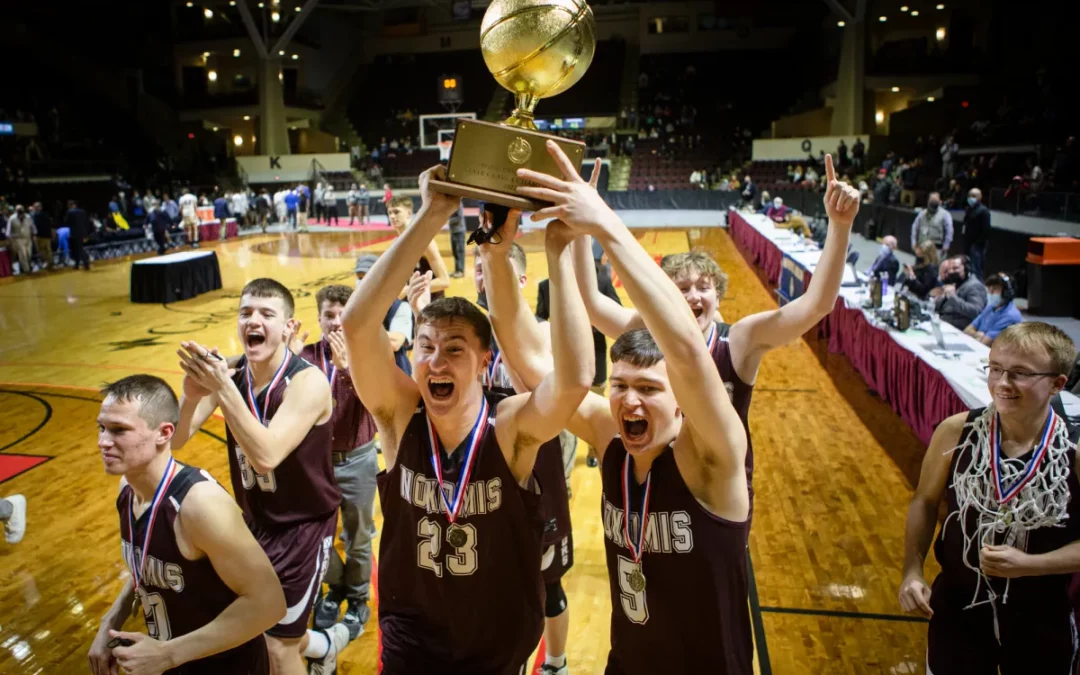
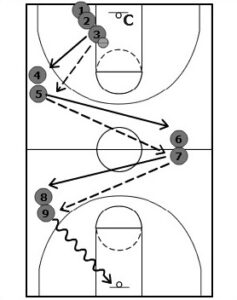 The Zig Zag Pass and Cut full court basketball drill helps not only with conditioning but also specific skill development. This drill works particularly well with youth basketball teams still learning the game because it encourages players to look up the floor and pass, rather than just dribble. Players hone skills for speed dribbling, bounce and chest passing, pivoting, rebounding, and lay-up finishing.
 One of the most popular full court drills for any basketball coach is the 3-on-2. However, if not implemented correctly, this drill can stagnate. Reset times drag on and momentum is lost. You need two teams with at least six on a team.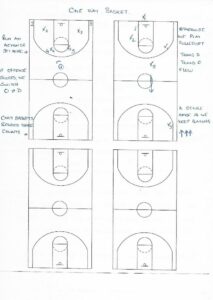
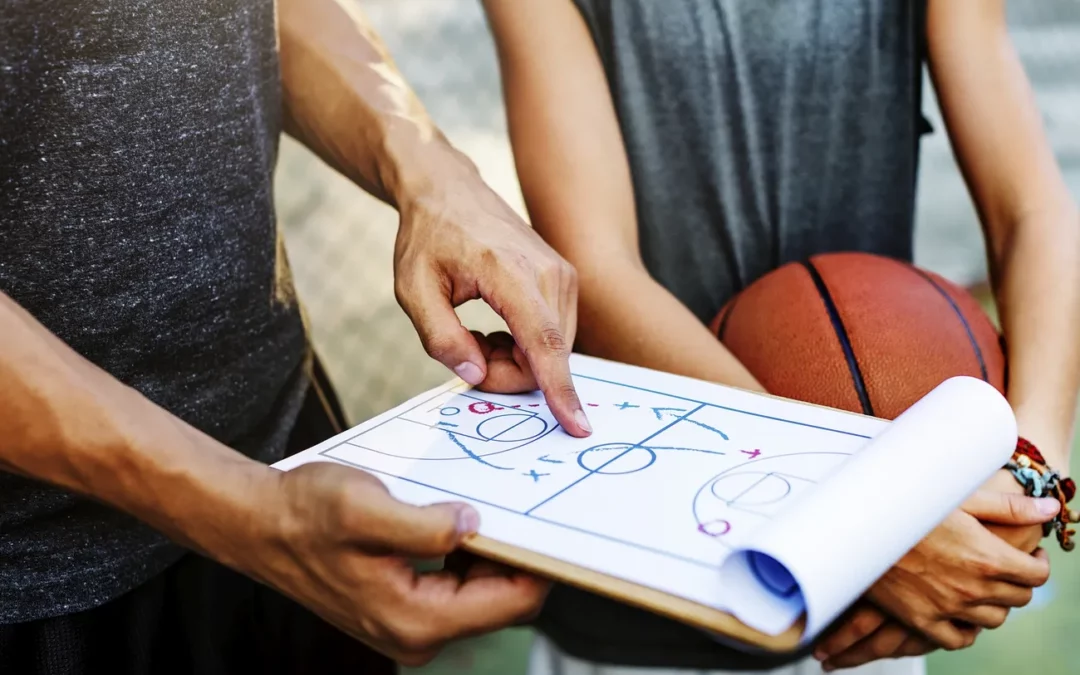
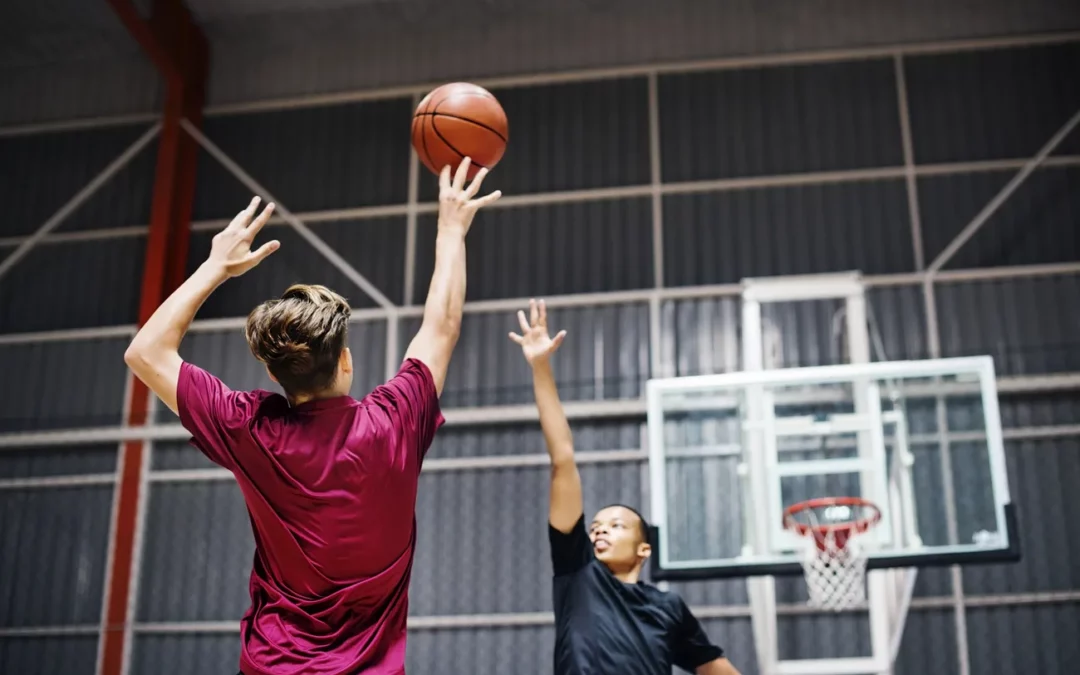
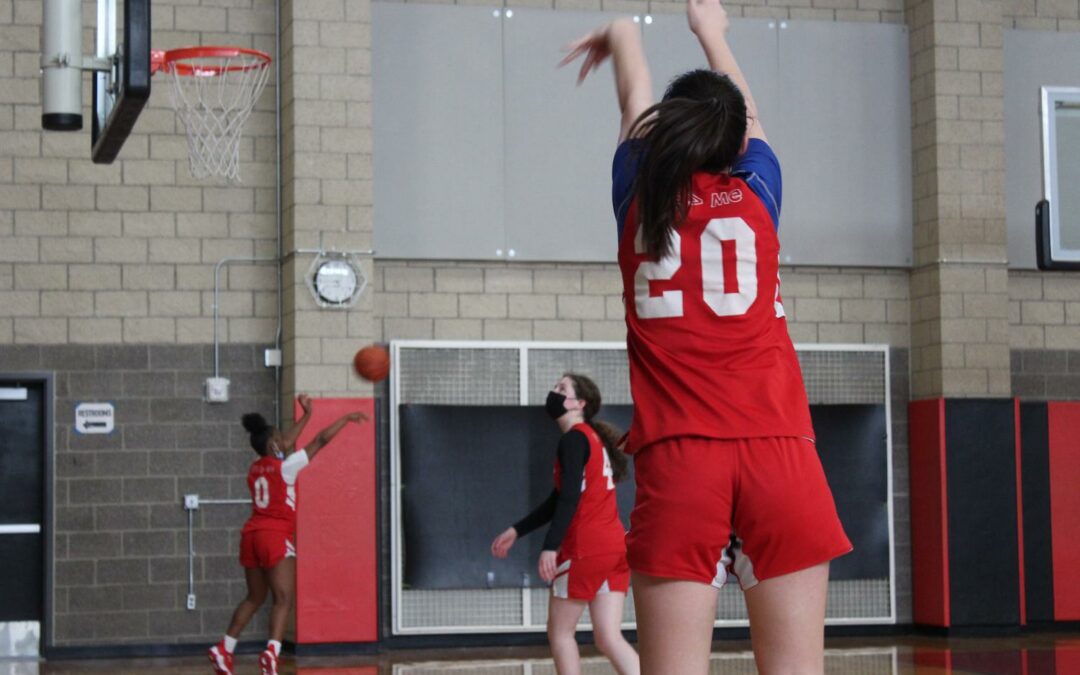
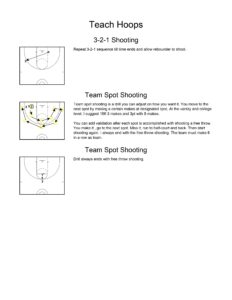
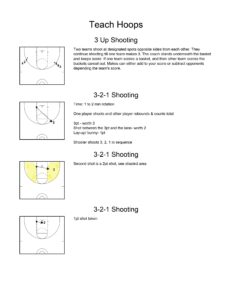 The
The 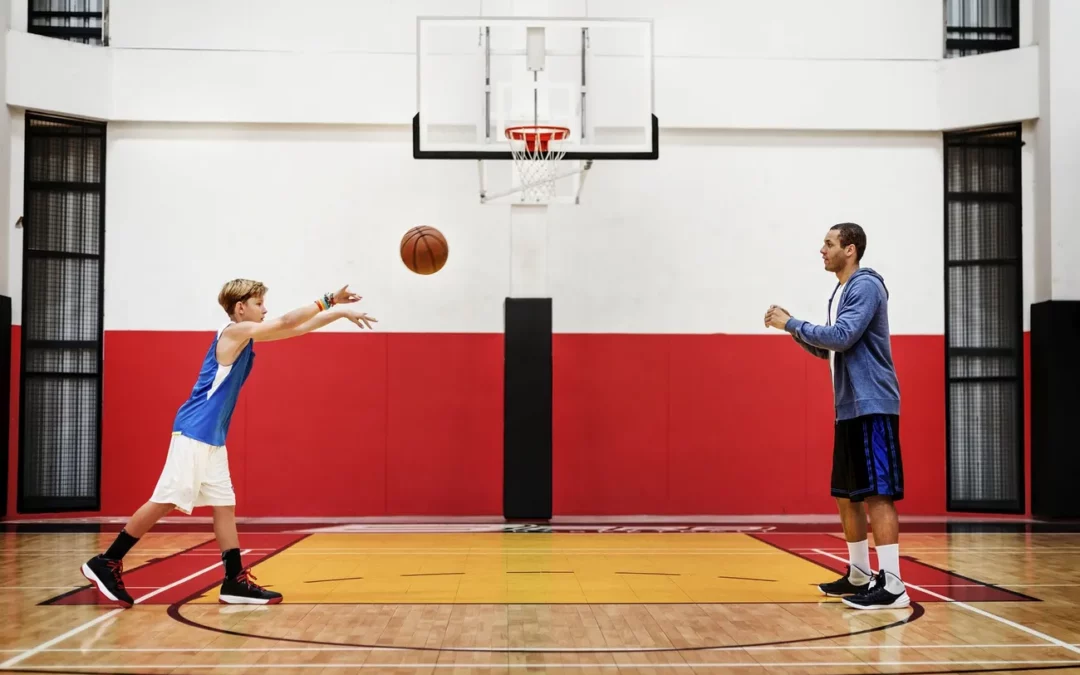
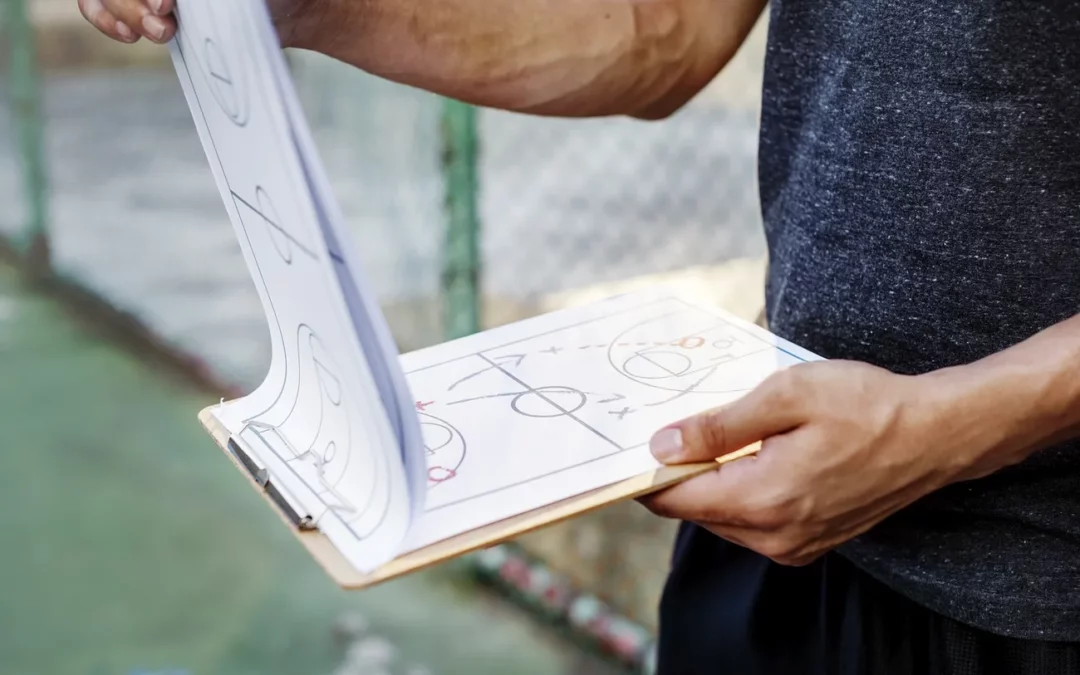
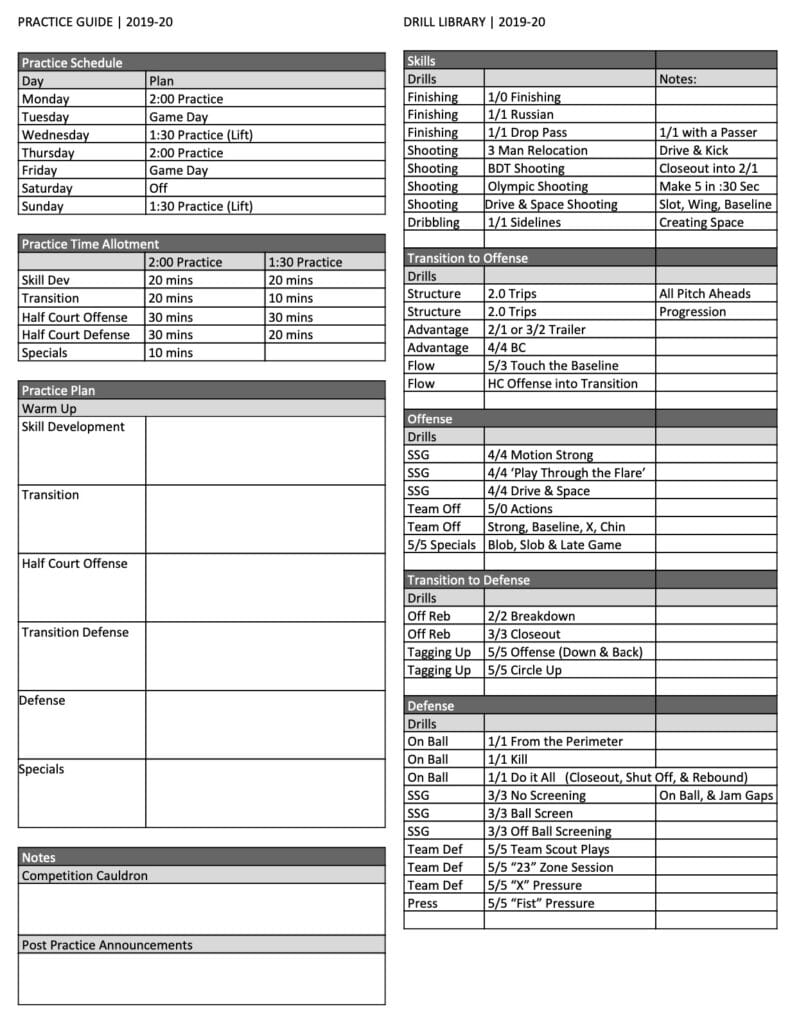
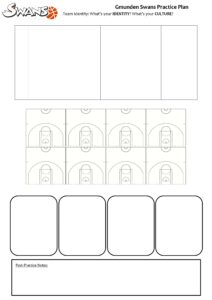 A valuable practice plan lays out the exact avenues of attack a coach wants to explore. Especially early when youth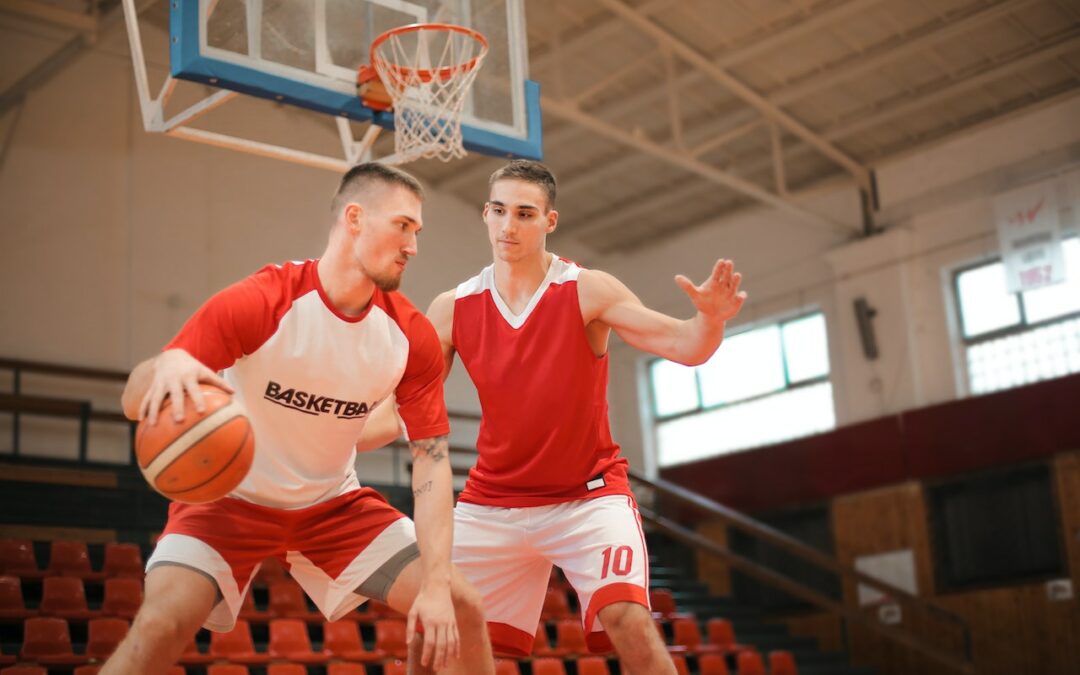
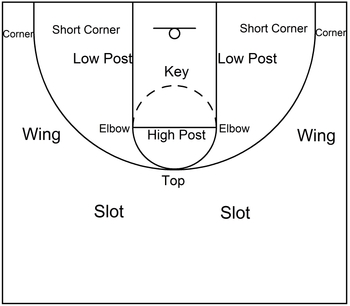 The low post area of a basketball court is the section of the painted area nearest to the basket. This stretch features a rectangular block to designate the spot and remains a vital piece of real estate on the court.
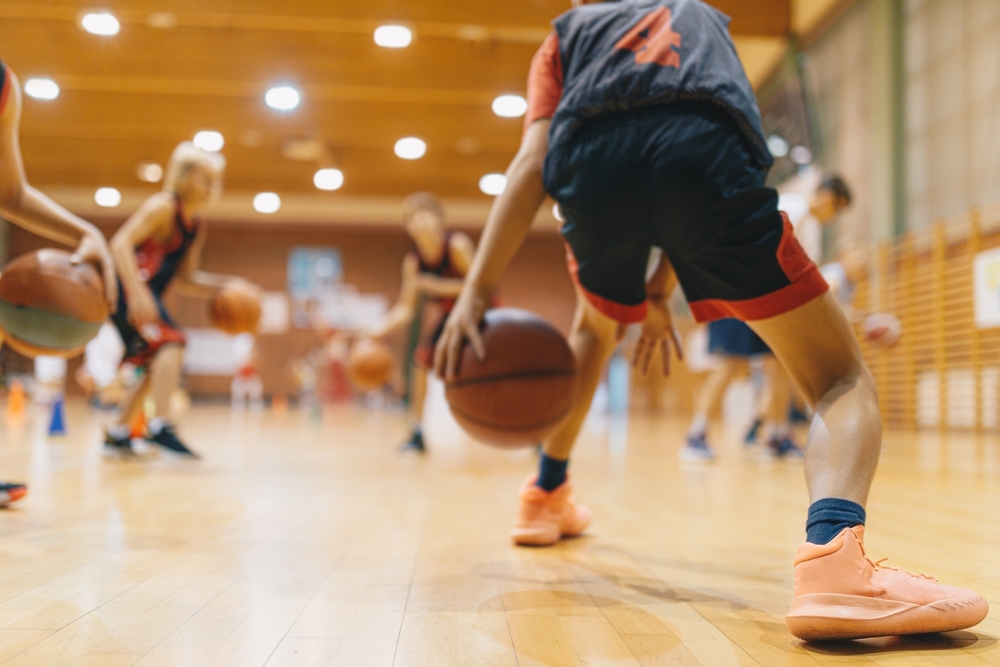
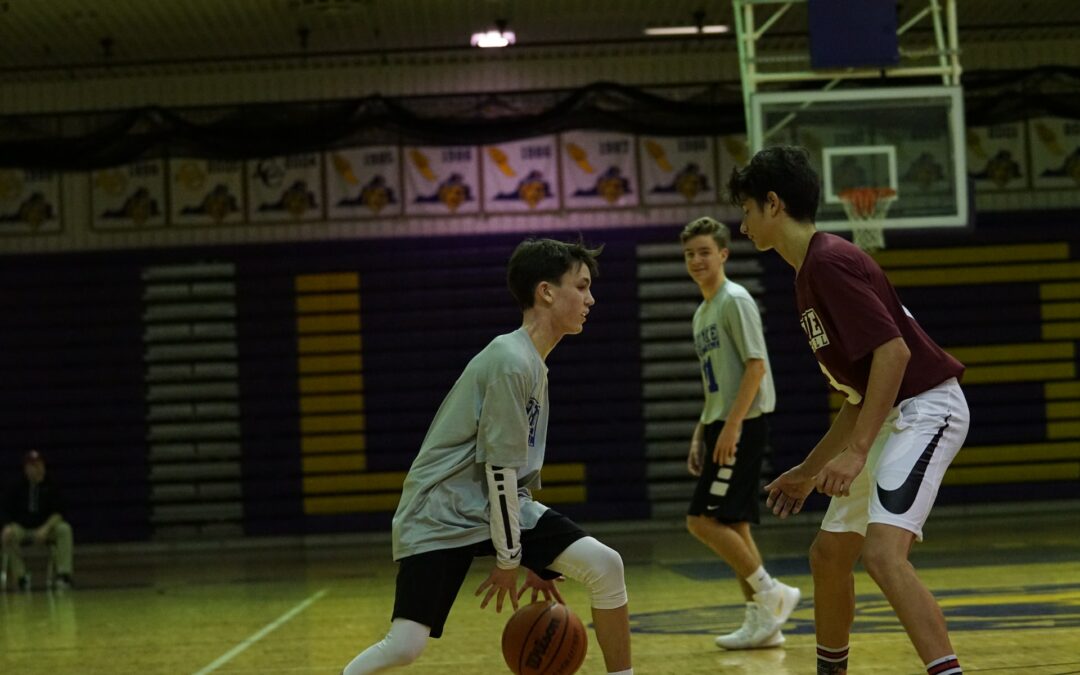


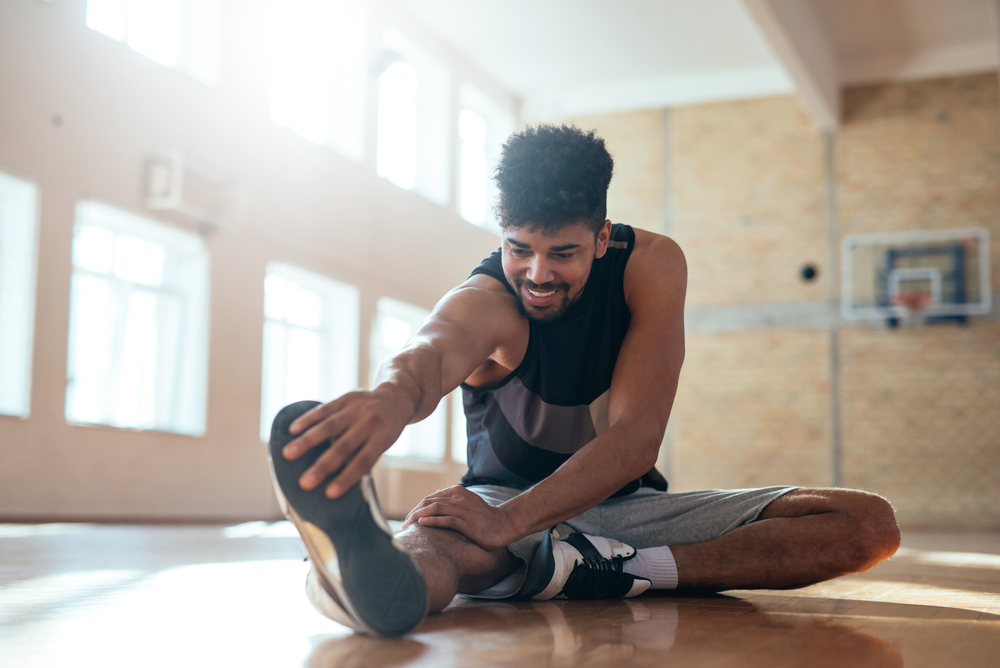
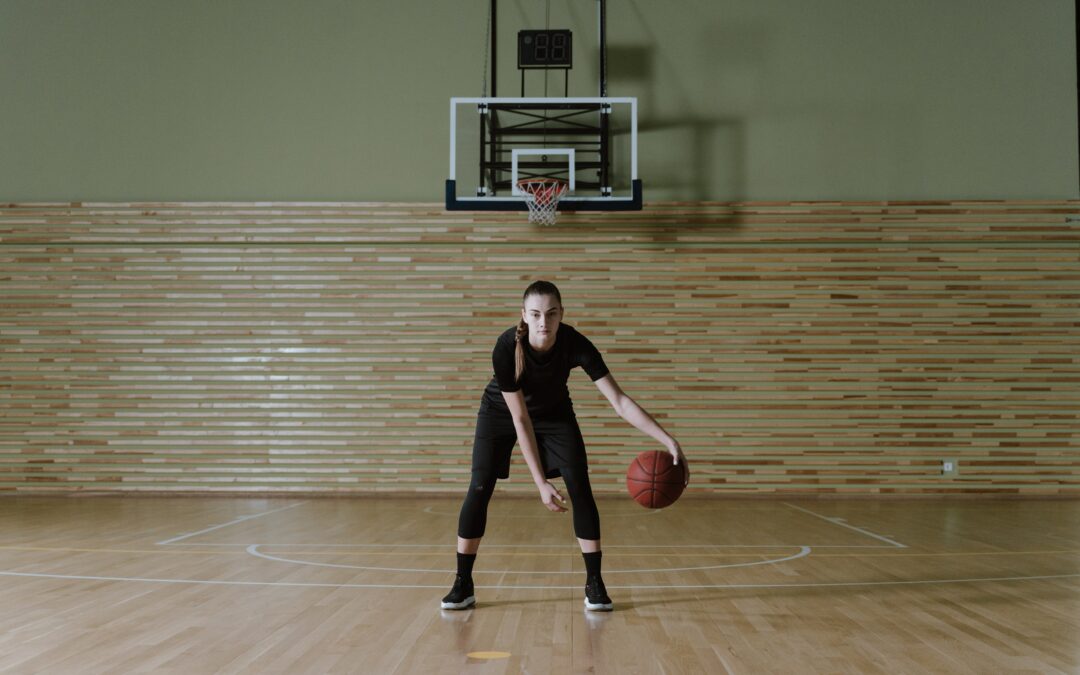
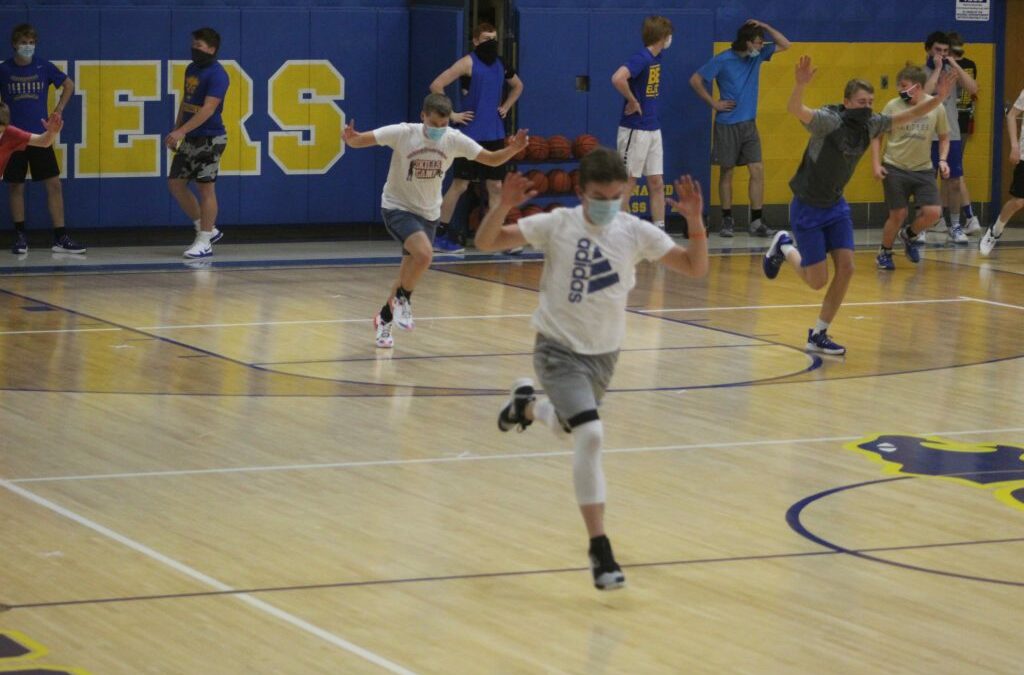
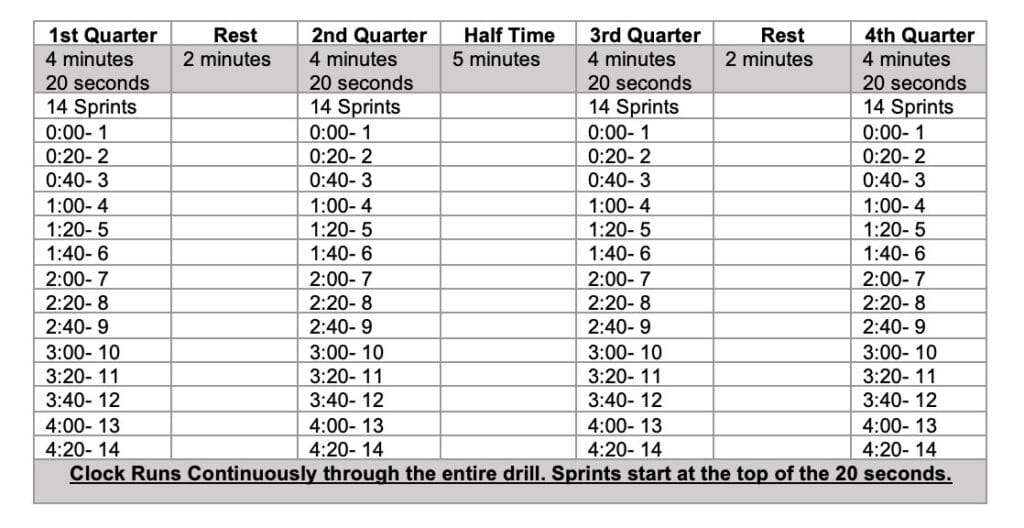
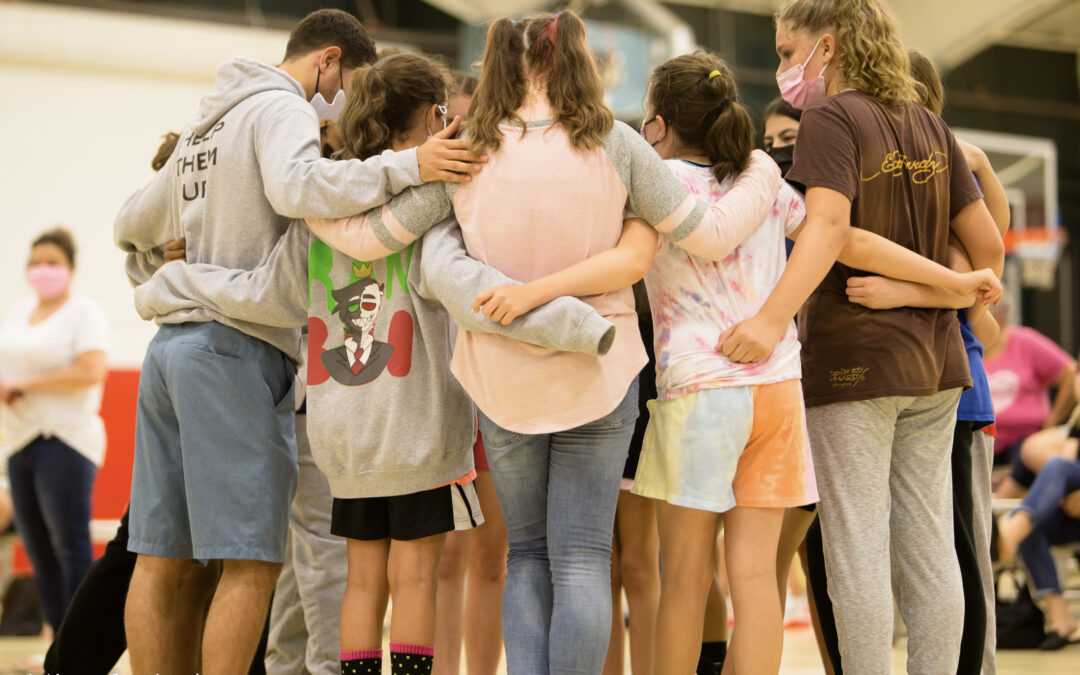
 Dan Horwitz