Building basketball team chemistry can be one of the most frustrating aspects of coaching a youth team. Rosters change from season to season, making this intangible task new for each any every group. But establishing the right team culture and building positive chemistry often makes coaching a given team that much more enjoyable.
Importance of Team Chemistry in Basketball
Too often coaches and players judge their basketball team’s chemistry by how well everyone gets along off the court. It is an unrealistic challenge to get every player to like each other based on personality. When bringing together 12 to15 players from different backgrounds, you shouldn’t expect them to all be best friends. However, that doesn’t mean you can’t develop chemistry.
To develop chemistry, you must question each individual’s actions on the court. When players know and TRUST that their teammates will make the unselfish play, that’s when they will develop that mutual respect for each other on the court. When each player knows that their teammates are willing to lay their body on the line, when they know that their teammates won’t point fingers if something goes wrong, when they know that their teammates are in it to win it, that’s when they develop CHEMISTRY.
Players don’t play hard because they like each other; they like each other because they play hard.
As a coach, you can help develop team chemistry by putting your players in situations to prove their loyalty to the team.
Below are 10 unselfish, ‘game winning’ plays. There should be a HUGE emphasis on making these plays in practice. Once players take pride in making these plays and they begin showing up in games, you will see your team chemistry get stronger and stronger.
10 Plays to Build Basketball Team Chemistry
Take charges
Dive for loose balls
Contesting shots
Setting solid screens
Delivering a pass to an open teammate
Filling the right spots when your teammate penetrates
Sitting in a defensive stance and communicating the entire possession
Listening to coaches with good eye contact and body language
Acknowledging teammates when they make great plays
So much goes into winning and losing basketball games. Coaches and teams prepare to the best of their ability, but sometimes the ball bounces in the other team’s favor. Wins remain joyous, while losses hurt for days.
Coaches have a number of elements to consider in this regard, including how to get a team to think like champions.
20 Keys To Winning Basketball Games and Championships
Developing a winning basketball program often comes down to the details. Here’s a list of 20 keys to creating the right culture to start winning championships this season!
1. Find the Correct People, Program, School or Location
The first step in this process is hiring the right coaches. You’ll want a loyal group that shares your vision for the team. Beyond that, you’ll need to consider the school, including elements like atmosphere, community, and the reality of competition. Beyond that, when assembling your roster, remember, hard working players lead to winning basketball.
2. Have Well-Defined Roles
It’s important to have well-defined roles in your program. Everyone should be connected and understand where they fit. For players, it’s important to understand not everyone can be the star. Role players often hold the key to winning basketball championships. Also, think about how you’ll manage your summer requirements, as well as the players’ participation in other sports.
3. Get Out of Their Way
A key factor in winning basketball is letting the players play. Don’t “over coach” or over complicate the game. Don’t panic. And perhaps most importantly, be willing to change your approach.
4. When Picking Your Team Look For Players Who:
Score and Handle The Ball
Shoot Free Throws Well
Handle Pressure
Players will excel in what you emphasize.
5. Understand That Success Is NOT Immediate
As the cliche goes, Rome was not built in a take. Take time to teach the skills and approaches you want your players to master.
6. Pick A Style You Believe In
When it comes down to developing your basketball philosophy, pick one that fits you and your personality. That will make it easier to sell to your players. Remember, there’s more than one way to develop a winning basketball team. Be ready to adjust the system with different groups each season.
7. Find A Common Goal / Theme
Examine your expectations in preseason and be ready to change as the need arises. Loop in all the voices involved in your program, including assistant coaches, players, families, even school administration. Set clear and attainable goals for the team and individual players.
8. Plan For IT
Creating a winning basketball culture and competition for championships takes buy-in and preparation. Keep realistic expectations but push your players to get better every day. Put your players in situations where they can succeed.
9. Once You Get To The BIG Game Act Like You Belong
Once you and your program has made it to the highest level, stay in your routine. Control what is in your ability to control and block out all the noise. The players will feel ready if you’ve prepared them along the way.
10. Rest
Keep in mind the grind. Fatigue can make a coward of anyone, so limit long practice sessions in season. Shorten and streamline your approaches. Don’t overtrain your players–that’ll lead to burnout.
11. Be Aggressive
That said, be aggressive in your style and approach. Incorporate innovation and instill the idea that no one can give you a win, you must take it.
12. Give Them a Reason To Win
Give your players something to believe in preseason by finding a hook. Consider things like emotion, the underdog story, or program history.
13. Keep Learning
As a coach, always keep learning. Communities like the one at teachhoops.comhelps find like-minded coaches willing to share approaches and in successes.
14. Outside Evaluation
Find someone outside your program to help you evaluate your approach. A fresh set of eyes might find a new angle that you haven’t considered.
15 . Over Prepare
Coaches should over prepare and out work their opponents. This is done though scouting, pouring over reports and tapes, then relaying that information in the classroom to players.
16. WIN
Teach your players how to win and how to handle adversity. It’ll help pull victories from the jaws of defeat and help grab wins in unlikely scenarios.
17. Expect The Unexpected
If it can happen, it will happen. Try to control outside factors as much as possible, but understand you won’t be able to control everything. One of the hallmarks of a winning basketball team is it’s depth, so develop that as best you can.
18. Find Leaders
Filling out your roster is the most important part of the preparation process, but picking the right captains remains a high priority for winning programs. Talk on and off the court with your leaders to help foster that communication. This will model healthy relationships for your players.
19. Visualize
Visualize the winning your local or state basketball championship. See it, then sell that vision to the players in your locker room.
One of the most important elements to designing a valuable practice plan is deciding what core basketball elements you’ll concentrate on. Many practices begin with traditional layup lines and jump shots. But how often are the players simply going through the motions of those drills? Installing the right warm up drills will vastly improve the efficiency of your practice. Adding these Youth Basketball Finishing Drills will help take your young team to the next level of its development.
Youth Basketball Finishing Drills: Star Passing with Finish
Star Passing is common one in many gyms, but this version of the drill incorporates the necessary element of finishing with a made basket. This doubles well not only as a basketball practice warm up drill, but also as a game warm up.
The drill begins with players arrayed in a star across the half court. The ball starts with the line under the basket. There are lines in the corners, as well as on the wings.
The first pass goes from under the basket to the left wing. The passer follows their pass and joins the end of that line. From there, the left wing passes to the right corner and follows. Right corner makes a baseline pass to the left corner and follows.
The final move in this initial turn through the drill involves the left corner feeding the player that cuts from the right wing. That player receives the pass and finishes the turn with a layup.
Variations of the drill can incorporate a number of additional basketball elements. Coaches can require that the ball never hits the floor. They can reverse the flow of the drill to work on left-hand layups. Coaches can have a defender waiting at the rim to challenge the finisher. The list goes on an on.
This youth basketball finishing drills stands among Coach Steger’s favorite basketball practice drills. The DeMatha Finishing drill can be particularly valuable as both a practice drill and as a pregame warmup drill.
This drill pits two players against one another in a simple clash of offense and defense. It’s a high-impact, fast-paced drill where the offensive player attacks the basket and the trailing defender needs to recover. The drill features two lines and usually a coach for passing. Players can stand in for the coaches as passers if need be.
The drill itself can be situated in a number of different spots on the floor. Where the drill starts can be dictated by the coach and what the team needs are.
The drill itself is simple. The passer feeds the offensive player, who must finish at the rim from their starting point. The offensive player can try a dunk or layup. The defender, meanwhile, must contest the shot as best they can. Physical play can be encouraged for the defense to help the offense improve finishing through contact.
One of the best ways to get a look at any potential new talent for your basketball program is to run an open gym. This activity provides coaches the opportunity to catch a glimpse of potential players to add to the program as the new season nears. Open gyms also give players the chance to flash their skills without the added pressure of performing at more structured try-outs.
Although normally unstructured, an effective open gym needs rules and games in order for coaches to get the best look at the assembled talent. Coaches often watch the proceedings a bystanders, waiting for try-outs to provide direction instruction. But adding certain rules to the traditional basketball open gym often unlocks this activity.
Preseason Open Gyms
One of the most difficult aspects of coaching remains the integration of unstructured time either in practice or during preseason. Running a preseason open gym usually comes well before any try-outs and the season’s official start date. Too often, though, open gyms lead to players not working hard and poor decisions being made.
But players love the freedom of an Open Gym set up. However, implementing a set of rules or games helps players improve specific skills during the run. This often reinforces offseason work players complete to get better and can be a big help for coaches to maximize limited preseason time.
The normal setup of a basketball open gym leaves coaches with minimal responsibilities beyond supervision. Player arrive, shoot around, and eventually organize themselves into teams to run 5-on-5 full court. Coaches can provide additional structure and perhaps even officiate, but layering rules into this activity helps everyone involved.
12 Basketball Open Gym Rules to Try
Running an effective basketball preseason open gym often comes down to time management. Of course the number of players involved will dictate certain aspects, but coaches should implement specific time restrictions on shoot around and warm ups, as well as open runs. 10 minute running clock games often provide coaches with an extended look without completely tiring out the players.
No Dribble 5-on-5
Zone On Makes, Man On Misses 5-on-5
5-on-5 Hockey (ball has to be dribbled across half court by the person who rebounds it)
Everyone must Touch before you can score.
Post must touch
Weak-hand Layup is worth 3-Points
1-2-3- Paint shots are 1 point, 3’s are worth 2, mid-range is worth 3 points
No 3 point shots- everything is worth 2 points
No inbound on Made basket
No ball screens or Switch all screens
Must dribble only with your “weak” hand
Must switch the type of defense you run each possession
These rules add layers to the games for players to navigate. They provide basketball coaches with additional information on the players that might otherwise be hidden in a normal open gyms. The rules also give players an added wrinkle to enjoy while getting their run in.
Sometimes, throwing an unexpected wrinkle at your opponent’s offensive game plan makes all the difference on the scoreboard. While some basketball coaches call combination defenses “junk,” these strategies often help neutralize an opposing team’s top offensive threat. Basketball combo defenses provide coaches with useful changes to traditional strategies.
Many coaches believe it’s better to sport a simple offense and complex defense, rather than the other way around. How a coach crafts their team’s defensive approach often dictates the very identity of the team. Also, not all players, particularly at the youth level, will have the same natural abilities on the offensive end, but most players can be taught complex defensive schemes and excel. A good defense feeds directly into offense and it makes scoring that much easier. Basketball coaches implementing combination defenses can make things even more difficult for opponents.
Basketball Combo Defenses: Box and 1
The Box and 1 Defense stands out as possibly the most well-known “junk” combo defenses available to basketball coaches. A Box and 1 takes your team’s best defender and task him with disrupting the playmaking opportunities of your opponent’s top perimeter scorer. At the same time, the additional four defenders will play a zone in the form of a box, hence “box and 1.”
This defense requires excellent athleticism and anticipation on the part of the single defender, while emphasizing communication and rotation for the box players. It stands built around the chaser’s ability to hound an opponent. The zone defenders cover the perimeter areas adjacent to their respective side of the floor or implement weak side defensive principles.
Basketball Combo Defenses: Triangle and 2
The Triangle and 2 defense stands as an innovative defensive strategy for implementation by basketball coaches. This basketball combo defense seeks to limit the scoring opportunities for the offensive team’s top perimeter players. A variation of the Box and 1, the Triangle and 2 defense combines zone and man-to-man concepts in an effort to neutralize the opposing team’s scoring wings.
The biggest advantage of implementing the Triangle and 2 is the disruptive nature of the defense. Offenses that rely heavily on one or two players to create scoring opportunities remain particularly susceptible to this strategy. Also, opposing teams that incorporate specific timing and flow in their offenses sets find this defense frustrating to navigate. That said, this defense can be neutralized by opposing offenses built around talented low-post scorers.
Basketball Combo Defenses: Diamond and 1
The Diamond and 1 defense stands as a variation of the classic Box and 1 defense. This defensive strategy seeks to limit the scoring opportunities of your opponent’s best player. This is accomplished by installing a combination defense that relies on both man-to-man and zone principles.
A Diamond and 1 takes your team’s best defender and tasks him with disrupting the playmaking opportunities of your opponent’s top perimeter scorer. At the same time, the additional four defenders will play a zone in the form of a diamond, hence “diamond and 1.” This formation provides better protection around the perimeter than the Box and 1 because there will be three defenders in coverage rather than two. However, it provides less help on the backline and can leave the corners susceptible to attack.
For much more on the best basketball combo defenses to implement this season, click the link below!
Learn the Combination Defense to beat the BEST team on your Schedule!
Developing basketball defensive systems stands as one of the most important aspects for any coach out there. While designing offensive plays might be more fun, crafting the right defensive system might make more a difference between winning and losing. A good defense feeds directly into offense and it makes scoring that much easier. Basketball coaches implementing combination defenses, like the Diamond and 1 defense, can make things even more difficult for opponents.
Many coaches believe it’s better to sport a simple offense and complex defense, rather than the other way around. How a coach crafts their team’s defensive approach often dictates the very identity of the team. Also, not all players, particularly at the youth level, will have the same natural abilities on the offensive end, but most players can be taught complex defensive schemes and excel.
What is the Diamond and 1 Defense?
The Diamond and 1 defense stands as a variation of the classic Box and 1 defense. This defensive strategy seeks to limit the scoring opportunities of your opponent’s best player. This is accomplished by installing a combination defense that relies on both man-to-man and zone principles.
A Diamond and 1 takes your team’s best defender and tasks him with disrupting the playmaking opportunities of your opponent’s top perimeter scorer. At the same time, the additional four defenders will play a zone in the form of a diamond, hence “diamond and 1.” This formation provides better protection around the perimeter than the Box and 1 because there will be three defenders in coverage rather than two. However, it provides less help on the backline and can leave the corners susceptible to attack.
Implementing the Diamond and 1 Defense
The Diamond and 1 defense aligns in a similar fashion to the Triangle and 2 defense, but instead of using two chasers, it only uses one.
The chaser in this defensive setup can pickup their mark either full court or once that player has crossed half court. This defense typically employs a ball-denial approach, with the chaser shadowing their mark throughout a given possession.
The other defenders use zone defense principles to guard in the half court. One player takes the top of the key, while two others take the elbow areas. The final defender stands in the lane as the rim protector. The elbow defenders are responsible for the wings, while the backline defender takes the low blocks and short corners.
This defensive set up requires excellent athleticism and anticipation on the part of the chaser, while emphasizing communication and rotation for the zone defenders. This defense is more useful than the Box and 1 when facing an opponent with skilled perimeter shooters. However, there is a weakness in the high-post area. The Diamond and 1 half court defense is different than the Diamond and 1 full court press or half court trap.
Points of emphasis for this defense include securing the rebound to limit second-chance opportunities, and collapsing to the middle when star players touch the ball. The zone defenders must be in position to both rebound and provide help when necessary.
Learn the Combination Defense to beat the BEST team on your Schedule!
Developing basketball defensive systems stands as one of the most important aspects for any coach out there. While designing offensive plays might be more fun, crafting the right defensive system might make more a difference between winning and losing. A good defense feeds directly into offense and it makes scoring that much easier. Basketball coaches implementing combination defenses, like the Triangle and 2 defense, can make things even more difficult for opponents.
Many coaches believe it’s better to sport a simple offense and complex defense, rather than the other way around. How a coach crafts their team’s defensive approach often dictates the very identity of the team. Also, not all players, particularly at the youth level, will have the same natural abilities on the offensive end, but most players can be taught complex defensive schemes and excel.
What is the Triangle and 2 Defense?
The Triangle and 2 defense stands as an innovative defensive strategy for implementation by basketball coaches. This combination defense seeks to limit the scoring opportunities for the offensive team’s top perimeter players. A variation of the Box and 1, the Triangle and 2 defense combines zone and man-to-man concepts in an effort to neutralize the opposing team’s scoring wings.
The biggest advantage of implementing the Triangle and 2 is the disruptive nature of the defense. Offenses that rely heavily on one or two players to create scoring opportunities remain particularly susceptible to this strategy. Also, opposing teams that incorporate specific timing and flow in their offenses sets find this defense frustrating to navigate. That said, this defense can be neutralized by opposing offenses built around talented low-post scorers.
Implementing the Triangle and 2 Defense
The Triangle and 2 defense uses a combination of zone and man-to-man principles in its setup. This defense is designed specifically to frustrate the best perimeter players on any offense. It leverages the alignment to force other offensive players to take key shots for the opposing team.
But there are weaknesses that can be exploited, beyond post touches. Offenses that shoot well from behind the three-point line find additional space on the perimeter against this defense. Also, because of the specific nature of this alignment, the middle of the zone tends to be a weaker point. The Diamond and 1 defense works better to help neutralize shooters..
Using this type of defense can often catch an opposing team off guard, especially during the first meeting of the season. Most basketball coaches prepare their offenses to deal with man-to-man or zone defenses, often forgetting to add prep time for what some consider a “junk” defense.
Implementing the Triangle and 2 defense leans on defensive principles already established in other base defenses. Coaches find this defense relatively easy to implement thanks to the simple and straightforward nature of the responsibilities. The chasers play man-to-man, often in an aggressive, ball-denial fashion. The other defenders then create the zone to protect the rest of the floor.
Points of emphasis for this defense include securing the rebound to limit second-chance opportunities, and collapsing to the triangle when star players touch the ball. The zone defenders must be in position to both rebound and provide help when necessary.
Learn the Combination Defense to beat the BEST team on your Schedule!
Heading into a new season, basketball coaches juggle a number of important responsibilities. Hopefully, coaches used the offseason to better themselves in preparation for the new year. But no matter what level a coach find him or herself coaching at, setting up the right basketball playbook for the team remains an integral step.
Coaches can use the offseason to accomplish several different goals, including becoming a better leader. Often times, evaluating last season’s performance comes at this point, as well as fine tuning the approach to practice planning. But setting up the team’s playbook should also be an important exercise.
Keys to a Good Basketball Playbook
A playbook crystalizes a team’s offensive and defensive approach. It helps build the team’s identity and provides a path to in-season success. Laying out the different sets and plays before hand can often help with drill selection and practice flow. Coaches seek to teach these sets and plays in order to leverage a team’s strengths, both from an individual and a collective perspective.
Any good basketball playbook relies on two relatively broad offensive categories. Those categories are: Man-to-Man Offense, Zone Offense and Specials.
Man-to-Man Offense: Teams execute these plays against man-to-man defenses, where each defensive player guards one offensive player. These plays aim to create opportunities for offensive players with staples such as the use of pick-and-rolls.
Zone Offense: Teams execute these plays against zone defenses, where defenders patrol specific areas in the half court rather than matchup one-on-one. These plays seek to leverage space, movement, and mismatches to create scoring opportunities.
Any basketball coach, no matter the level, should implement fundamental actions into their playbook. These actions often create the foundations for more complex plays and sets in a given offensive strategy. These actions should be incorporated in even the simplest youth basketball playbook.
Pick andRoll: The pick-and-roll remains the most recognizable offensive action at any level of basketball. In this action, an offensive player sets a screen (or pick) for the ball handler. The ball-handler reads the defense before deciding his or her next move, either driving to the basket or making a pass. The screener in this action rolls to the hoop and prepares to receive a pass, whether that pass is coming or not. This action remains a staple of any man-to-man offense.
Pass and Cut: Pass and cut is an offensive tactic in which a perimeter player with the ball passes to a teammate then executes a cut, typically towards the hoop. This basic action looks to draw attention from the defense and limit rotations or overplays. The pass and cut approach works for both man-to-man offenses and zone offenses.
Ball Reversal: The ball reversal action in basketball involves an offense working the ball via pass from one side of the court to the other. When executed properly, this action forces a defense to scramble and can create openings for cutting lanes or jump shots. This action can work against either defensive setup, but it is most effective against aggressive zone defenses.
Tips for Building a Basketball Playbook
No basketball playbook is created equal. Coaches should assess the skill level of their players before making definitive choices for their offensive approach. There’s such a wide variety of plays that coaches can certainly find something that will work for their team. But when building a playbook, youth basketball coaches should consider the following three tips.
Start Simple. This is particularly true if a coach is dealing with newcomers to the sport or relatively inexperienced youth teams. Players will perform all the better as beginners when they aren’t too slowed by thinking about the next action in a play. Layering skills and actions in practice can often set up more complex plays later in the season.
Embrace Space. One of the key skills young players need to develop is being able to move without the ball. Using the full court for drills and conditioning is a must for coaches, especially at the youth level. When designing a playbook, getting players to understand spacing will improve the effectiveness of each set. This is especially true against zone defenses.
No basketball coach’s playbook is ever complete without a go-to baseline out of bounds play. Sometimes referred to as a BLOB, the baseline out of bounds play serves as a scoring opportunity for most teams. These plays are often quick-hitters with multiple options for the passer.
Coaches can be as creative as they want to be when designing these plays, but they have to keep in mind the skill-level of their team. Another consideration is being able to shift directly into the team’s core offense. Finally, some coaches prefer to install baseline out of bounds sets that have multiple variations from which to attack the basket.
Every coach needs go-to out of bounds sets heading into a season. Here’s a look at three effective baseline out of bounds plays.
Baseline Out of Bounds Plays: Box
The first set to consider of these baseline out of bounds plays is called box. This play remains most effective against man-to-man defenses. For this play, the inbound should be your best passer.
Your best shooter should set up on the low block away from the passer, while your best wing finisher takes the opposite high post spot. Your two bigs create the other side of the box, with Player 5 on the low block and Player 4 on the strong-side elbow.
The first action of this play sends the shooter up to the opposite elbow to set a back screen for Player 3. After cutting down toward the basket, Player 3 should clear to the corner if he doesn’t receive a pass.
While this action unfolds, Player 5 slides up the court to set either a double screen or an elevator screen with Player 4.
After setting the back screen for Player 3, the shooter, Player 2 in this graphic, uses the strong side screens. Depending upon the movement of the defense, Player 2 can wrap around the bigs as a double screen or pass between them as an elevator screen. Player 2 clears to the corner and could be open for a three-point attempt.
The final action of this baseline out of bounds play involves the two bigs cutting to the low blocks. Player 3 can cut high as an outlet if need be.
Baseline Out of Bounds Plays: High Double Stack
The next option among these baseline out of bounds plays is called High Double Stack. This play is best used against a 2-3 zone that’s trying to protect the interior of the lane.
The setup for this play stacks Players 5 and 2 at the strong-side elbow, while Players 4 and 3 stack on the opposite elbow. The inbounder should be your best passer.
The first action of this play involves a series of cuts. Player 2 cuts across the free throw line to screen for Player 3. As Player 3 uses the screen and curls along the three-point line, Player 5 makes a dive cut to the hoop.
After setting a cross-screen, Player 2 squares up at the top of the key. Player 4 flares out to the opposite wing as a potential outlet. The cut for Player 3 sees him progress all the way to the strong-side corner.
Baseline Out of Bounds Plays: Side Box
The last set from these baseline out of bounds plays is called Side Box. This play is most effective against a 2-3 zone defense. The setup for this play utilizes an offset box.
Player 5 and Player 4 set up several steps outside the lane line, about halfway between the lane and the three-point arc. Player 2 and Player 3 set up their side of the box in the middle of the lane.
The design for this play is to get an open look at a three-point attempt. Player 2 should be your team’s best shooter. He will be the primary option for this set.
The action begins with Player 4 and Player 5 setting an elevator screen on the side of the zone. Player 2 progresses through the elevator screen and exits high on the wing. The inbounder should look to pass Player 2 the ball.
Player 3 should set a down screen on the zone to create space for Player 4 to relocate to the top of the key.
After making the pass to Player 2, the inbounder should enter toward the strong-side corner, looking to receive the ball back for a shot if open. Player 2 can take the three if open.
Youth player development can be an avenue for coaches to share their love of the game. But if a team is going to be successful, it takes more than just love. Coaches are tasked with improving players both individually and within the context of the team. And during the planning stages, including full-court basketball drills might make practice all the more enjoyable and helps build stamina and improve conditioning.
A well-conditioned team is a team that has an opportunity for great success on the basketball court. To become this kind of team though, basketball conditioning must take place. There are a variety of ways to do this: sprints, distance running, tough drills to improve game conditioning, or a combination of the previously mentioned activities.
Here’s a look at three full court basketball drills to incorporate into your next practice.
Full Court Basketball Drills: Zig Zag Pass and Cut
The Zig Zag Pass and Cut full court basketball drill helps not only with conditioning but also specific skill development. This drill works particularly well with youth basketball teams still learning the game because it encourages players to look up the floor and pass, rather than just dribble. Players hone skills for speed dribbling, bounce and chest passing, pivoting, rebounding, and lay-up finishing.
Two balls are needed to complete this full court basketball drill. Coaches should divide their teams into four or five equal groups, adding any extra players near the basket in the rebounding line. The other lines set up as an outlet, at half court, and on the opposite wing as the finisher.
The drill progresses when the coach tosses the ball off the backboard, creating a rebound. The rebounder retrieves the miss then outlets. The player who receives the outlet pass fires across the line at half court. From there, the ball gets passes to the opposite wing. The finisher receives the final pass and dribbles in for a lay-up.
Each player follows their pass from line to line, progressing to each station along the court. The finisher makes his layup then completes a full court speed dribble up the opposite sideline to get the ball back to the coach on the other end. Coaches can make this a competitive practice game by adding the element of time to each team completed set.
Full Court Basketball Drills: Continuous 3-on-2
One of the most popular full court drills for any basketball coach is the 3-on-2. However, if not implemented correctly, this drill can stagnate. Reset times drag on and momentum is lost. You need two teams with at least six on a team.
The set up for this drill mirrors the graphic here. The team in black defends the first transition repetition from the white team. As white approaches the half court, a third defender enters at the center circle. From the opposite sideline, two players from the white team enter as defenders on the other end.
The third player on black becomes a trail defender, sprinting into the defensive possession from behind. Adding this element makes this version of the 3-on-2 drill more game-like in its repetitions.
Once the white team gets a quick shot attempt or black either forces a turnover or grabs a rebound, the three defenders in black become the new offense. They begin their transition rep heading down to the other end of the court, where two defenders in white await. As before, a third white defender enters at the center circle once the offense progresses beyond half court and two new players on the black team become the next defenders on the other end.
This drill keeps the flow of transition going once the players have the rotations down. Players always return to their sideline after an offensive rep. Coaches can keep score or track other elements, such as paint touches, turnovers, or bad shots.
Full Court Basketball Drills: One-Way Basket
This is a full-court competitive game that allows coaches to install a specific play or set, while also practice key defensive principles. In the half court, the offense runs their first action against a full compliment of defenders.
If this action results in a basket, then the offense and defense switch. But if the defense gets a stop, then it’s a full court game.
The defensive stop flows into transition offense as that squad seeks to score. Only points scored off of defensive stops count in this competitive practice game.
This game should flow back and forth for several minutes before coaches change anything.
Coaches that incorporate this competitive practice game look to establish the mindset that the team needs to focus on getting defensive stops before getting to the offensive end of the floor. The emphasis for this drill remains defense.
Picking the right offense for a youth basketball team can be one of the most difficult decisions for any coach. After evaluating the skill level of a team, coaches must emphasize the sets and skills that will put his team on track for success. But when dealing with newcomers to the sport, sometimes having simple basketball plays to start with is the way to go.
Youth coaches often spend a great deal of time practice planning and developing the right mix of drills to incorporate with their young players. When it comes down to designing an offensive set, being able to score in the half court often dictates success in games. Add these three simple basketball plays that are easy to run to your basketball playbook.
Simple Basketball Plays: Basic Pick and Roll
One of the simple basketball plays even coach should incorporate is the basic pick and roll. This play works well against man-to-man defenses and remains a staple of the game in the professional ranks. Youth basketball offenses can repeat this action over and over until a good look opens up. This play can start in several different alignments.
Using a 4-out, 1-in alignment, the point guard dribbles to the wing, with three players on the opposite perimeter. Player 5 comes up from the low post to set a screen for the point guard on the wing. The ball handler drives off the screen toward the basket while player 5 rolls into the lane. The driver decides to either take a shot or make a pass to the roller. If neither option is available, the driver can kick the ball out to a teammate on the perimeter.
The beauty of this simple basketball play remains the free-flowing nature of the action. The ball handler gets to read and react to the defense. The screen also gets to decide how to move based on the defense’s alignment. Screeners can roll to the hoop or pop to a open spot on the perimeter for a jump shot.
Coaches can layer off-ball actions for the other players as well. This will help keep the weak side defenders occupied and hesitant to help. Basic pick and roll action can be implemented effectively in end-of-game situations and even in transition.
Simple Basketball Plays: Short Corner Jump Shot
Naming the sets can vary from team to team, but this simple basketball play aims to get a open look for a jump shot at the short corner along the baseline.
The play begins with a 3-out, 2-in alignment, with the big men occupying the blocks. The point guard dribbles up and initiates the play with a pass to either wing. The big man on the ball-side of the play comes up to set a screen at the elbow for the point guard after the pass.
The point guard uses the screen and runs a J-shaped cut toward the baseline. The player on the wing looks to pass the ball to the baseline if the point guard is open for a jump shot. If not, the player can dribble to the top of the key and reset the play.
This play works well at the youth level because it involves the basic action of pass and cut. The big man sets a high screen and either roll to the basket or flare for a shot. Having a simple basketball play that can easily reset allows the team to feel more comfortable.
Simple Basketball Plays: Double Screen Curl
The next simple basketball play looks to get another open jump shot. This play uses a 4-out, 1-in alignment to start, though the order along the perimeter doesn’t really matter. For this play, coaches should set the shooter to start in the corner.
The play begins with the point guard dribbling up and making a pass to the 3 on the wing. That player immediately swings the ball to the 4 in the corner. Once the ball ends up in the corner, the point guard and player 3 set a double screen for the shooter, who’s coming up from the opposite corner.
Player 4 looks first to the shooter coming around the double screen. If that option isn’t there, player 4 can then look to player 5, who’s on the low block. 5 mirrors the movement of the ball along the perimeter with each pass, going from elbow to elbow, then to the low block.
This play works well at the youth level because it involves basic movement along the perimeter. The interior player follows a simple run for this basketball play, mirroring the ball with each pass. Should the defense cover both the shooter and the low post, this play can easily be run again in the opposite direction.
Developing basketball defensive systems stands as one of the most important aspects for any coach out there. While designing offensive plays might be more fun, crafting the right defensive system might make more a difference between winning and losing. A good defense feeds directly into offense and it makes scoring that much easier. Basketball coaches implementing combination defenses can make things even more difficult for opponents.
Many coaches believe it’s better to sport a simple offense and complex defense, rather than the other way around. How a coach crafts their team’s defensive approach often dictates the very identity of the team. Also, not all players, particularly at the youth level, will have the same natural abilities on the offensive end, but most players can be taught complex defensive schemes and excel.
Basketball Combination Defenses
A basketball team that uses combination defenses employs a strategy that incorporates two different defensive systems. This normally manifests as a combination of zone defense and a man-to-man approach. The most well-known example of this approach is the Box and 1 defense. Some refer to these approaches as “junk” defenses, but when used correctly, they can really throw off the rhythm and timing of opposing offenses.
A Box and 1 takes your team’s best defender and task him with disrupting the playmaking opportunities of your opponent’s top perimeter scorer. At the same time, the additional four defenders will play a zone in the form of a box, hence “box and 1.” This combination defense can be a polarizing topic among basketball coaches. And, like other defensive schemes, this approach comes with advantages and disadvantages. The most obvious pro to this defensive approach is trying to neutralize, or at least render inefficient, your opponent’s top offensive player. One significant con of this defensive strategy arises when your team’s best perimeter defender is also your team’s best offensive player.
Another example of basketball combination defenses is the Triangle and 2. This approach uses two chasers instead of one, with the three other defenders creating a triangle zone. The two bottom defenders take the low blocks while the third member of the triangle mans the nail. Coaches can invert the triangle if more defensive pressure is needed at the elbows.
Strengths and Weaknesses of the Combo Defense
Strengths:
Confusion – This forces the opposition to run an offense completely different to their normal playing style. Forcing the opposition to make massive changes to their game-plan is always a good thing for the defense.
Star Players Will Get Frustrated and Tired– Imagine how frustrating and tiring it will be for their star players who are unable to get open while their teammates pass thebasketball around and take shots.
Easy to Implement – Easy to teach using man principles.
Weaknesses:
Middle of the Zone and the mid-range jumper – The middle of a zone is always the most vulnerable position on the court for the offense to exploit. It’s imperative that your weak side players are always in the correct position to deny the pass into the middle of the zone.
Can’t be used often against great shooting teams – If the team has patience and moves the ball they will find open shots.
Incorporating the right basketball drills for a team makes all the difference for coaches at the youth level. Coaches need to gauge the skill and talent they’re working with, instituting a practice plan to maximize the growth of these young players. Developing specific basketball skills early sets both the player and the team up for success, so picking the best basic shooting drills for kids can be a good place to start.
One of the most important parts of any coach’s practice plan is the incorporation of basketball shooting drills. These drills are valuable no matter the level of the team or the talent of the individual player. Shooting remains a key aspect of the game, and only through repetition and focus can a player improve.
For coaches, finding the right drills for your team can be frustrating. Depending on the team’s level and the talents of the gathered players, coaches sift through dozens of drills, searching for the right series. It’s important for a coach to understand their team’s ability and continuously push them to improve.
When developing shooting drills, a good coach must consider what types of shots they want to focus on. Drills should reinforce the skills that will help the players perform within the context of a game. So shooting drills should be designed around shots that would normally result from a team’s offensive actions. The best basketball shooting drills are representative of a team’s base offense.
This drill involves a set number of players progressing through a series of shots on the floor. The group might start at the short corner, then move to the elbow, free throw, opposite elbow and opposite short corner.
In order to progress to the next spot, the group needs to make a designated number of shots in a row. Once the group has made three from the short corner, for example, they move to the elbow. But if they miss at the elbow, a coach can signal either that the team runs or returns to the previous spot.
This drill can be redesigned as a practice game as well.
3-2-1 Basketball Shooting Drill
The 3-2-1 basketball team shooting drill involves at least two players and is a high-volume, high-repetition practice. Over the course of one or two minutes, non-stop, a single shooter progresses through a series of jump shots. The other player rebounds and feeds the shooter from near the hoop.
The shooter begins behind the three-point line for their first shot. From there, the shooter moves into the midrange for their second shot. The last shot in the sequence is a layup (which is worth one point). The rebounder keeps track of the shooter’s score as their teammate progresses through the drill. After the time is up, the players switch roles.
This shooting drill provides valuable practice for any shooter, regardless of talent-level. The shooter must move, set their feet and find a repeatable release. Even the other player gets reps at securing rebounds and making solid passes.
This drill can incorporate internal competition as well. The two partnered players can compete with one another, or with another pair at another hoop.
Coaching youth basketball can be one of the most challenging jobs in the sporting world. Deciding what to focus on in practice to prepare these young players for competitive games remains a difficult decision. Juggling the expectations of players and parents makes practice planning a stressful endeavor.
Being a great coach means doing more than designing dynamite plays. A great basketball coach stands out as a teacher, confidant, and even a cheerleader. Sure, the fundamentals of the game must be practiced and developed, but so too are the unmeasurable skills of attitude, respect, and teamwork.
Coaching youth basketball successfully often comes down to a combination of philosophy, intangibles, and fundamentals.
Philosophy of Coaching Youth Basketball
Perhaps the most important part of coaching youth basketball is keeping the game fun for these young players. The likelihood that any of the players on a give youth team becomes a professional basketball player remain miniscule. So many of these kids come to the game to have fun and for a physical outlet. Successfully coaching youth basketball often comes down keeping things light and putting the players in a position to learn and grow.
Communication stands out as an integral part of any coaching philosophy. Team meetings should happen early and often, and clear communication with parents is a must. Keep any postgame talks to a minimum, instead leveraging practice time afterwards to address shortcomings and mistakes. And when dealing directly with individual players, sandwich any specific corrections with compliments. Being positive will serve to lift the young players up.
Intangibles of Coaching Youth Basketball
Intangibles tend to be the thing some people forget when coaching youth basketball. This is especially true for former players transitioning to the coaching side of the sport, or coaches coming down from elite levels to try their hand with kids.
Developing a positive attitude from day one remains a must for anyone coaching youth basketball. Patience is key because these young players often don’t have a grasp of the fundamentals and struggle to complete basic drills. Basketball can be frustrating, but playing sports is still a great primer for overcoming adversity in other parts of life.
Positive attitude transitions seamlessly to two other key intangibles for coaching youth basketball: Respect and Sportsmanship. Kids are always watching, so how coaches interact with other adults, like the officials, other coaches, parents, etc., will influence their behaviors. Coaches must remember that they’re role models for their young players, so they must behave with courtesy and manners. The basic principles of respect and sportsmanship start with the coach at the very first practice of the season until that final whistle.
During the season, the intangible of teamwork should be front-and-center for any coach. Having the kids learn to be supportive and selfless teammates engenders the other intangibles above.
Fundamentals for Coaching Youth Basketball
What a coach must focus on will vary from team to team, season to season, and certainly level to level. Evaluating the skills the young players possess often dictates the starting point for a season. Using a competitive practice model might help the players prepare for the competition of real games, but a skills-based approach might be necessary instead.
The basic skills any youth basketball player needs to master to be successful includes:
dribbling equally well with both hands
shooting layups equally well with both hands
throwing bounce, chest, and overhead passes
shooting the ball with proper form
moving without the ball
These fundamental skills remain the building blocks for any successful basketball player. Coaching youth basketball often includes developing drills to assess these skills and ultimately grown these skills.
Incorporating the right basketball drills for kids makes all the difference for coaches at the youth level. Coaches need to gauge the skill and talent they’re working with, instituting a practice plan to maximize the growth of these young players. Developing specific basketball skills early sets both the player and the team up for success, so picking the best basic shooting drills for kids can be a good place to start.
Finding the right balance for your practice is key. You want your players to practice hard, hone their skills, and become better basketball players. But you also want them to have fun. Coaching at the youth level takes plenty of patience and positivity. You’ll need to incorporate a fast pace and keep your players occupied and engaged, especially during potentially monotonous skill development drills. Developing focus and fun at practice remains an integral effort for coaches at the youth level of the game.
While there’s no magic formula for practice planning or picking drills, leaning on your experience as a head coach often shows the right path for your players. Here’s a look a some of the best basic passing drills for kids.
Proper Shooting Form
It’s important for young players to learn the proper shooting form early so as to not develop bad habits that can be hard to break. Although the kids will want to start shooting immediately, coaches must make them understand chucking the ball does more harm than good. And becoming a great shooter isn’t an easy thing to do!
A good approach to teaching shooting form involves the nemonic “BEEF.” Beef stands for Balance, Elbow, Eyes, Follow Through.
Balance often refers to a shooter’s stance. While there’s no specific stance to teach, generally the feet should be about shoulder-width apart, turned slightly, with the lead foot forward a bit and knees bent. For Eyes, shooters should look in the direction of the rim. While there’s no one spot that must be taught, players can focus on the rim.
The shooter’s elbow remains the key to a shot’s accuracy. Players should try to set the shooting eye, the shooting hand and elbow, and the rim all on the same line. The shooting motion involves the hand and elbow getting under the ball, making an up and out motion. Make sure the elbow doesn’t flare out. Once set, the wrist should hinge at an angle with the forearm.
Follow Through is the release. The shooter should snap their wrist as the ball is released at the same time the elbow is fully extended. The ball should roll off the index and middle fingers to produce a backspin. Shooters should keep their arm extended and not let the off-hand push the ball at an angle on release.
Remember, this shooting method is designed to simplify the approach for inexperience players and kids just coming to the game. It’s not something to teach to more experienced players since it doesn’t address the nuances of great shooting.
Basic Shooting Drills for Kids
Teaching the proper shooting fundamentals remains integral for coaches at the youth level of basketball. Here are some of the best basic shooting drills for kids to help in that process.
Form Shooting
To practice the basic shooting form, kids can participate in this drill with a partner or a group of three. Form shooting allows the players to practice not only the right way to shoot, but also develop concentration. This drill remains ideal for coaches in a station setting.
Shooters begin at a given spot on the floor, depending on their strength, ability, and perhaps position. The shooter should assume the proper stance (hands up, knees bent, feet set) and await a pass. The player catches the pass and comes up shooting. Each player should take 10 shots before progressing to another spot. After another 10 attempts, the player moves to a third spot.
This drill works as a good warm-up before practice, or as part of a larger station rotation for coaches. Stress to each player the need to use the proper form, practicing each element to develop that muscle memory.
Step-Back Shooting
Another one of the valuable basic drills for kids is step-back shooting. This exercise helps players develop and improve their shooting touch with each repetition.
Shooters begin directly in front of the rim for this drill. Players should start low with the ball and arc the shot up over the rim, finishing high with the release. Shooters need to hold their form until the ball passes through the net, taking five shots in total. After the last make, the shooter should step back one and make another five shots. The shooter continues until they reach the foul line.
This drill provides direct reinforcement of the basic shooting form kids should learn. Coaches should stress hand and finger placement, as well as the motion of the elbow, as part of their instruction.
Knockout
A fun competitive game to incorporate into your practices is knockout. This enjoyable shooting drill provides kids the opportunity to learn proper form while under pressure and with a heightened sense of urgency.
Players line up in single-file at the free throw line. The first two players in line have a ball and the drill begins with the first shot attempt. If the first shooter makes his free throw, he retrieves the ball and passes to the next person in line. Then he joins the back of the line. If he missed his shot, he must grab the rebound and make a layup before the next shooter makes their attempt. Should the first shooter can make a layup before the second player scores, he’s still in the game. If the second shooter makes a shot before, the first player is eliminated.
Each time a player takes and misses a shot, the next player in line shoots to try to knock them out. Hence the name of the game. The drill continues until only one player remains, the winner.
There are several points of emphasis for this drill. Each player should maintain proper mechanics and form when shooting. Keep your head up and be aware of other players. Coaches can also stress form with layup attempts and return passes.
Incorporating the right basketball drills for kids makes all the difference for coaches at the youth level. Coaches need to gauge the skill and talent they’re working with, instituting a practice plan to maximize the growth of these young players. Developing specific basketball skills early sets both the player and the team up for success, so picking the best basic passing drills for kids can be a good place to start.
Finding the right balance for your practice is key. You want your players to practice hard, hone their skills, and become better basketball players. But you also want them to have fun. Coaching at the youth level takes plenty of patience and positivity. You’ll need to incorporate a fast pace and keep your players occupied and engaged, especially during potentially monotonous skill development drills. Developing focus and fun at practice remains an integral effort for coaches at the youth level of the game.
While there’s no magic formula for practice planning or picking drills, leaning on your experience as a head coach often shows the right path for your players. Here’s a look a some of the best basic passing drills for kids.
Basic Passing Form
While most kids will want to start with shooting or dribbling drills, it’s important for every coach to incorporate basic passing drills early on in a player’s development. Coaches can’t assume kids will be good passers when first coming to the court. Bad passes destroy offensive possessions, while good passing creates scoring opportunities. Many turnovers come as a result of poor passes. So it’s integral that your young players learn the proper mechanics for bounce, chest, and outlet passes.
Coaches should demonstrate proper form for their players to mimic. For a basic chest pass, players should step into the pass and snap the ball off with their thumbs going through the ball and pointing toward their receiver. Chest passes are not overhead lobs. They should hit their receiver in the chest.
For the bounce pass, passers can start from the triple-threat position. The player should snap the ball off with their pass, but it should hit the court about three-fourths of the way toward the receiver. The resulting bounce from the pass should reach the receiver’s waist.
For overhead outlet passes, the players should be further apart. The passer snaps their pass off with some arc, but not so much that the ball floats to the receiver. The pass should be thrown hard and can lead the receiver down the court if need be.
Players catching the pass need to practice proper form as well. The receiver needs to provide a target with his hands extended to make the grab. After the catch, receivers should immediately turn into a triple-threat position.
Best Basic Passing Drills for Kids
After demonstrating the basic form for basic passing drills, it’s time to divide the players into groups to try their hand at these drills. Below are some of the best passing drills for kids just beginning in the game of basketball. It’s good for coaches to pair players for these drills so the kids can practice both passing and receiving.
Rapid Fire Chest Passing Practice
Players begin this drill with one ball and facing each other, about two feet apart. The first passer starts the drill by passing to his partner and immediately taking two short steps back. The receiver catches the ball and passes it right back. After each pass, the first player retreats two steps, while the receiver stands still. Once the first passer has made five passes, he starts moving back toward the receiver with each pass.
This drill should feature 10 passes total before switching players. Coaches can alter this drill by having both players retreat or return with each pass or having the players alternate with bounce passes. Be sure to stress to players the proper passing form, especially stepping into their passes as the distance grows. Players can practice this drill at home by using a wall.
Two-Ball Line Passing Drill
For this basic passing drill, three-to-five kids line up along the key arm-length apart with one passer facing the line. The passer has one ball and one of the players in the line does as well. The passer should set up on the opposite line of the key.
To start this drill, the passer snaps a chest pass to one random player in the line. The moment that happens, the player in the line holding the second ball passes back to the passer. The passer must catch and make a return pass to any receiver who does not have the ball. The passer slides along the key to catch and return passes as quickly as possible. Coaches should stress form once again as well as vision. The passer must keep his eyes up and react with each progression.
Man in the Middle
For this basic drill, coaches need to form passing groups of three kids each. Each trio uses one ball, with the passers facing each other anywhere from 10 to 20 feet apart. The third player in the group is the man in the middle. This player acts as a defender, trying to deflect or steal each pass as it’s made.
The two passers work together from a relatively stationary position, although a single dribble left or right is allowed to create a new passing angle. Coaches should stress triple-threat position and pivoting for the passers. Players can work on ball fakes to make the defender move. Passes in this drill can include chest, bounce, or overhead outlets. Tell players not to float passes that allow the defender to recover while the ball travels.
Basketball coaches at any level have a limited amount of time with their players. So maximizing practice time, especially entering a new season, becomes paramount. So crafting an effective youth basketball practice plan helps immensely.
At the youth level, this remains a stark reality. Coaches might only have their players for a few hours a week. No matter the level, basketball coaches invariably spend time practice planning.
“The structure of your practice is the most determining reason for your success or lack of success as a coach.” Bobby Knight
Basketball Practice Planning
Most basketball coaches have their own approaches to practice planning. Some minimize the pre-practice work, opting instead for what feels right in the moment. Others build off of the previous day, or something that stood out in the last game. A coach might scribble notes on a pad or random slip of paper. That paper usually finds itself tucked behind the elastic of the coach’s shorts.
The key to a good basketball practice plan will always be efficiency. Coaches must consider not only what their specific goals are, but how those goals will be reached within a given time frame. Youth leagues often limit practice time. Even high school teams find themselves forced into a given time slot at the school’s gym.
The best practice plans can be constructed on one sheet of paper. This paper focuses the goals and approaches for the day. Having a wide view of practice allows a coach to establish a logical progression through the drills. The plan can also keep a general timing structure, although flexibility is key for any coach.
By listing the drills and concepts clearly on the practice plan, coaches know exactly what the focus of each practice segment will be. This will eliminate any lost time between drills or segments, maximizing contact time.
Sample Practice Plan
Every coach should know the amount of time available to them for practice, both how long each practice will be and what the schedule looks like for the week.
From there, it’s a matter of dividing the time of each practice. These segments will have specific focuses. Segments might include warm-up and stretching, individual skill development or larger team concepts.
One helpful inclusion for any basketball coach’s practice planning is a drill library. Having the different drills listed directly on the plan itself will facilitate movement from segment to segment. The drill library can include not only the drills themselves, but also the specific focus points for development.
Having a drill library also allows a coach to vary practices from session to session. Sure, each coach will have a core set of drills they like to implement, but falling into a rigid routine is something to avoid. Keeping practice fresh can only benefit the players and maintain engagement.
Beyond that, varying the practice plan itself allows for the drills and segments that invariably will be cut short because others went long to be incorporated into the next practice.
Youth player development can be an avenue for coaches to share their love of the game. But if a team is going to be successful, it takes more than just love. Coaches are tasked with improving players both individually and within the context of the team. So youth player development often takes center stage with young teams.
To maximize their time with their players, coaches need to manage their time well. And one of the most important tools to optimize shared time is a detailed practice plan. Coaches that just roll the balls out often find their practices lack the focus and intensity necessary to improve the team.
Youth Player Development: Practice Planning
Different coaches have different approaches to practice planning. Some youth coaches zero in on specific basketball skill that need development, while others take a more free-flowing view. Some coaches scribble notes on a sheet of paper and tuck that folded plan into their waist band, whole others meticulously craft a minute-by-minute split using an app.
Whatever the preferred approach, it remains integral that coaches have a plan in place to maximize practice time.
A valuable practice plan lays out the exact avenues of attack a coach wants to explore. Especially early when youth basketball development is at its peak for the season, plotting out points of emphasis can be particularly useful.
What exactly do you want to accomplish during this practice session? Often writing those specific goals aid in achieving them.
From there, coaches can sketch out the best outline for the day. Teaching drills and execution is key in youth player development, but haphazard approaches can often sabotage valuable practice time.
A detailed youth basketball practice plan might help a coach that wants to get to a number of skills and sets focus on key developmental aspects.
What daily drills will you include? How much teaching happens before a drill? What does the debrief look like? These are all important questions coaches should ask themselves prior to the start of any given practice.
When someone says the “f-word,” that word may have a totally different meaning to high school coaches. That word to high school basketball coaches could easily mean fundraising. Unlike big level college programs (and some big-level high school programs), most coaches have to fundraise any money they need for their program. This money could be used to buy the players their gear, basketballs for the program, jerseys, or any other thing that may come up over the course of a basketball season.
Fundraising is one of the many things that falls onto the plate of a head coach once that coach moves 6 inches over on the bench. It is something that is often overlooked or not thought of but could be a huge stressor on a coach and program if not done properly. This article will go through several different fundraising ideas to help generate money for your program.
Basketball Fundraising Options
Below are just five different fundraising ideas to help your basketball program. There are two keys for every fundraiser though: First, find a fundraiser you’re passionate about promoting. Second, be organized and make sure all of your ducks are in a row.
Golf Scramble
This may be the most common type of fundraiser for any high school athletic program. A golf scramble gets players on teams of 4, everybody plays the best ball at each hole, and is a way to make a lot of money.
The best way to maximize profits in a golf scramble is to have a great relationship with a local golf course to maximize profits on your teams, get at least 1 hole sponsor for each of your holes, and any items you can auction off is a great bonus too!
Bowling Bash
A bowling bash is just like a golf scramble but in a bowling alley instead! People form teams of four and the highest score across three games from one of the teams is the winner!
Some keys are to provide food/drinks just like in a golf scramble. Try to acquire lane sponsors instead of hole sponsors. And any auction items would be a great way to help increase revenue.
Chicken Dinner
We are located in the midwest and if there’s one thing midwest people love is fried chicken! We have hosted an annual chicken dinners for the last five years. The key is finding a local restaurant that is willing to donate the chicken and sides at cost and their time to cook the chicken.
Our goal every year is to sell 300+ chicken dinners. We host it on a Sunday during lunch time to hit the church crowd that is looking for lunch after church. Our players serve the food, clean up the tables, and we can generate some great revenue in a short amount of time. Pro Tip: Be sure to offer carry-outs as an option!
Sponsorships
A very simple way to help generate some money is selling sponsorships to local businesses. This could be done in the way of a banner, PA announcement at games, or air time if your games are broadcasted.
The key is to target businesses who have supported your program over the years. Ensure they receive some recognition for their sponsorship.
Dinner/Dance
Another way to generate a large amount of revenue, but this may possibly be the most work of all these fundraising ideas. An ideal time to have this would be close to Valentine’s Day to make it a date night for the couples.
You want to rent out a large enough facility to house all of your guests, book some form of entertainment (DJ, live band, etc.). And have lots of items to auction off. Ideas to auction off could be sporting memorabilia and/or local experiences.
Kyle Brasher | Gibson Southern High School
Lady Titans Basketball Coach
Incorporating the right basketball drills for kids makes all the difference for coaches at the youth level. Coaches need to gauge the skill and talent they’re working with, instituting a practice plan to maximize the development of these young players. Finding the right balance for your practice is key. You want your players to practice hard, hone their skills, and become better basketball players. But you also want them to have fun.
Coaching at the youth level takes plenty of patience and positivity. You’ll need to incorporate a fast pace and keep your players occupied and engaged, especially during potentially monotonous skill development drills. Developing focus and fun at practice remains an integral effort for coaches at the youth level of the game.
While there’s no magic formula for practice planning or picking drills, leaning on your experience as a head coach often shows the right path for your players. Here’s a look a some of the best basketball drills for kids.
Basketball Drills for Kids
Developing simple, fun, and effective drills for kids at the youth basketball level might be one of the most difficult parts of the job for any coach. When dealing with beginners, it’s important to layer skill development and not overwhelm the kids with complicated basketball drills. Coaches often zero-in on the basics, which include dribbling, passing, rebounding, and shooting.
Red Light, Green Light Dribbling Drill
Children, especially competitive ones, love the game Red Light, Green Light. This basketball dribbling drills plays off that popular kids game. Assuming you’ve worked with the basic form for dribbling, this game engages the young players on two fronts, control and vision. It teaches players to keep control of the ball while keeping their head up.
The coach stands on one end of the court while the players lineup on the opposite baseline. Each player has a ball and begins dribbling in place. The goal of this drill is to be the first player to make it to the opposite end of the floor while controlling his dribble.
While the original game has someone call out “red light” or “green light,” this version works best if the coach has colored sheets of paper red, green, and yellow. The red paper represents “stop,” which signals the players to control their dribble in place. The green paper represents “go,” which signals a speed dribble forward. The yellow paper can then represent “reverse,” which signals a retreat dribble.
Using the colored papers forces the players to look up at the coach while they’re dribbling. If a player performs the wrong action, they have to return to the baseline.
Knockout
At time-honored tradition before and after practices, Knockout represents more than just a silly, time-killing tradition. For young, competitive players, this drill helps develop quick shooting skills and in-game concentration. Kids learn to shoot under pressure and with a heightened sense of urgency in this basketball drill.
Coaches need two balls to start this drill. Each participating player lines up starting at the free throw stripe, with the first two players holding the balls. The game begins when the first player shoots the ball. The second player then follows with his shot.
What happens next depends upon whether or not the shots drop. If the first shooter makes his free throw, he retrieves the ball and passes to the next person in line. Then he joins the back of the line. If he missed his shot, he must grab the rebound and make a layup before the next shooter makes their attempt. Should the first shooter can make a layup before the second player scores, he’s still in the game. If the second shooter makes a shot before, the first player is eliminated.
Each time a player takes and misses a shot, the next player in line shoots to try to knock them out. Hence the name of the game. The drill continues until only one player remains, the winner.
There are several points of emphasis for this drill. Each player should maintain proper mechanics and form when shooting. Keep your head up and be aware of other players. Coaches can also stress form with layup attempts and return passes.
Passing Tag
Another engaging basketball drill for kids is one called Passing Tag. In this drill, the passers are “it” and try to tag the other team while working off only their pivot foot. Passing Tag incorporates basic passing skills, as well as footwork and communication. Players also learn how to move without the ball.
The set up here can use either the half court or only the space inside the three-point line. Coaches create two teams, the passers and the runners. The passing team should start with only two or three players, whereas everyone else can be a runner. Coaches call for the start of this drill and runners immediately move through the designated space.
Passers look for each other and pass at strategic points. When a player catches the ball, he can pivot to try and tag one of the runners with the ball. If the tag is made, that runner can either be out or added to the passers team.
Points of emphasis for this drill include moving without the ball and making the right pass. Players learn to use their pivot foot and avoid traveling. Coaches can shrink the playing area as the drill continues. Coaches can also add a defensive layer to this drill where the runners can knock or intercept passes for points or to add players back to their team.
The Rule of 3 basketball offense provides coaches with a concise offensive set up to help your team succeed. This offensive approach works against man and zone defenses and makes operating on that side of the floor easier. Some continuity offenses can be difficult to digest, but the Rule of Three basketball offense remains clear with straightforward principles. A key point of emphasis for this basketball offense is 5-Out Motion
What the Rule of 3 offense does for a basketball coach is provide a pared down approach that highlights the strengths of a given team. The key to any good offense is finding the openings, and this does just that. This offense remains predicated on ball movement, player movement, and spacing to create scoring opportunities.
5-Out Motion for the Rule of 3 Basketball Offense
For the Rule of 3 basketball offense, using 5-Out motion often provides the most space for your team.
The term “5-Out” references the fact that all offensive players on the floor are starting outside the three-point line. Typically, the setup features one player at the top, two on the wings, and two in the corners.
The 5 Out alignment is the base for the Rule of 3 offense. All five positions are interchangeable but can be set up to match locations with player skills.
This “position-less” offense relies on floor spacing and a set of basic movement that assist players to determine actions.
The basic concept for 5-Out Motion features an easy-to-understand set up: cut and replace. Each of the five spaces along the perimeter should be occupied by an offensive player.
When one player cuts, his teammates shift along the perimeter in corresponding fashion. If too many players end up on one side, the coach could call to “balance the floor” from the sideline.
A good way to start teaching 5-Out Motion on a pass is to have the passer cut to the basket with everyone rotating to replace the open slot. The only exception to this rule is a pass from the corner.
5-Out Motion: Pass and Cut Drill
5-out motion provides basketball teams at any level a key structure. This is especially true for youth basketball teams. This set up forces players to make decisions by reading the play of their teammates and defenders. It remains a great tool for teaching players how to play basketball.
One drill to teach basic 5-Out motion to your basketball team is a simple pass-and-cut drill.
This drill begins with Player 1 making a pass to the wing. From there, that player cuts to the basket. When that cut occurs, everyone behind the pass rotates to fill the open space along the perimeter. Player 1 takes the open space in the corner after his cut.
Next, the ball is passed to the right again and the passer cuts to the basket. Once again, the weak side players rotate to fill all open spots. The only exception to this rule is a pass from the corner. A pass from the corner results in a short cut and retreat. A pass up from the wing to the top results in the corner player rotating up to fill on the wing, making sure all five players participate in station movement.
Stress to your players the key concept of great spacing. If they’re in the right positions at the right time, the offense should be wide open. This approach opens driving lanes and minimizes quick help from opposing defenders.
Coaches can teach 5-Out Motion in progressions to avoid their players getting overwhelmed learning an entire offense all at once.
The Rule of 3 basketball offense provides coaches with a concise offensive set up to help your team succeed. This offensive approach works against man and zone defenses and makes operating on that side of the floor easier. Some continuity offenses can be difficult to digest, but the Rule of Three basketball offense remains clear with straightforward principles. A key point of emphasis for this basketball offense is the mesh point.
What the Rule of 3 offense does for a basketball coach is provide a pared down approach that highlights the strengths of a given team. The key to any good offense is finding the openings, and this does just that. This offense remains predicated on ball movement, player movement, and spacing to create scoring opportunities.
The Rule of 3 Offense Basketball Mesh Point
The “Mesh Point” in the Rule of 3 basketball offense remains perhaps the most pivotal part of this scheme. Simply, the mesh point is the place where a screen occurs on the basketball floor. It’s at this juncture that the screen and the cutter need to read their defenders to determine the next progression in the offense.
The mesh point remains the focal point of the Rule of 3 basketball offense. In the graphic shown here, the mesh point becomes the moment when Player 1 sets a screen for Player 3.
Both Player 1 and Player 3 see multiple options depending upon how the defenders choose to play this action.
Since Player 3 receives the screen, he gets to read the defenders at the mesh point first. His options include a slice cut, a curl cut, or to cut high.
After Player 3 makes his read at the mesh point, Player 1 follows with his read on the basketball floor. Player 1’s options include a slip to the basket, to screen away for the wing, or pop high after a curl.
The offensive players should look to vary their cut based on the defender. Each offensive player should look to take advantage of the momentary confusion any unexpected movement caused the defense.
Several key fundamentals need reinforcement from basketball coaches when working through mesh point reads. First, drill the proper form for setting screens. Next, drill how to operate off screen as the cutter. Finally, drill how to “slip” a screen. When preparing to read the defense, teach your players which cut to use. Stress the value of varying cuts to create confusion in the defense.
The Rule of 3 basketball offense provides coaches with a concise offensive set up to help your team succeed. This offensive approach works against man and zone defenses and makes operating on that side of the floor easier. Some continuity offenses can be difficult to digest, but the Rule of Three basketball offense remains clear with straightforward principles. Using the basketball terms for the Rule of 3 is key.
What the Rule of 3 offense does for a basketball coach is provide a pared down approach that highlights the strengths of a given team. The key to any good offense is finding the openings, and this does just that. This offense remains predicated on ball movement, player movement, and spacing to create scoring opportunities.
The Rule of 3 Offense Basketball Terms
Learning the different basketball terms out there remains a challenges for many young players and new coaches. Understanding the key words for a variety of offenses and defenses, as well as the myriad rule violations, makes digesting this information often a daunting task. The Rule of 3 offense is no exception in regards to basketball terms.
So before you and your team dive into the ins and outs of the Rule of 3 basketball offense, you’ll want to know the key terms.
The Rule of 3 basketball offense provides coaches with a concise offensive set up to help your team succeed. This offensive approach works against man and zone defenses and makes operating on that side of the floor easier. Some continuity offenses can be difficult to digest, but the Rule of Three basketball offense remains clear with straightforward principles.
What the Rule of 3 offense does for a basketball coach is provide a pared down approach that highlights the strengths of a given team. The key to any good offense is finding the openings, and this does just that. This offense remains predicated on ball movement, player movement, and spacing to create scoring opportunities.
Rule of 3 Basketball Offense: Basic Concepts
The Rule of 3 basketball offense operates from either a four-out or five-out set. The 5-out alignment clears the key and leverages cutting lanes. It’s looking to force defenders into difficult choices, then attacking the open spaces that result. This offensive approach focuses on what cuts, positions, and scoring opportunities you can get based on reading the opposing defender.
The offense features several basic concepts players need to understand. First, everyone moves on every pass. All cuts are based on reading your defender. So, every defensive overplay should result in a backdoor cut. Every pick is a potential slip opportunity. Finally, and perhaps most important, keep the lane clear.
These basic concepts help maximize the effectiveness of the Rule of 3. Each player understands they’re moving with each progression. This shifts all the pressure to the defense. To leverage the movement and stress on the defense, offensive players should limit themselves to about three dribbles. From there, make a move to score or make the next pass.
Advantages of the Rule of 3
Continuity offenses like the Princeton offense or the Read and React stand out as effective options for some basketball coaches. However, these offenses often feature numerous layers that can be daunting for young players to memorize and call upon. Players hesitate, thinking through a progression, which allows defenses to counter.
The advantages of the Rule of 3 basketball offense include:
Players don’t have to memorize different plays
They learn how to play basketball by reading and reacting to what the defense does
It’s hard to scout and defend because cuts aren’t predetermined
It can be as simple or as complex as you want it to be
This freedom allows basketball coaches to mold their offense to the talent-level of their team that season. The flexibility of this offense is such that players will adjust with each possession, learning more efficiently in both practice and games.
Not forcing players to memorize specific movements for a set removes the anxiety many young players feel on offense. It helps each player develop a high basketball IQ. Learning how to read and react appropriately is also a valuable skill outside of basketball.
Perhaps the best part of installing the Rule of 3 for basketball coaches is, the unpredictable nature of this offense makes it hard to scout. Players might cut differently each time down the floor, depending upon what their defender does or how their teammates move. And the flexible nature of this offense allows coaches to add complexities as players gain confidence.


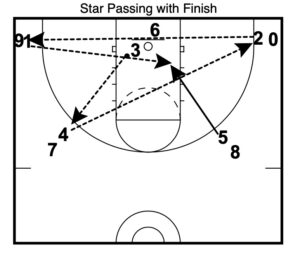 The drill begins with players arrayed in a star across the half court. The ball starts with the line under the basket. There are lines in the corners, as well as on the wings.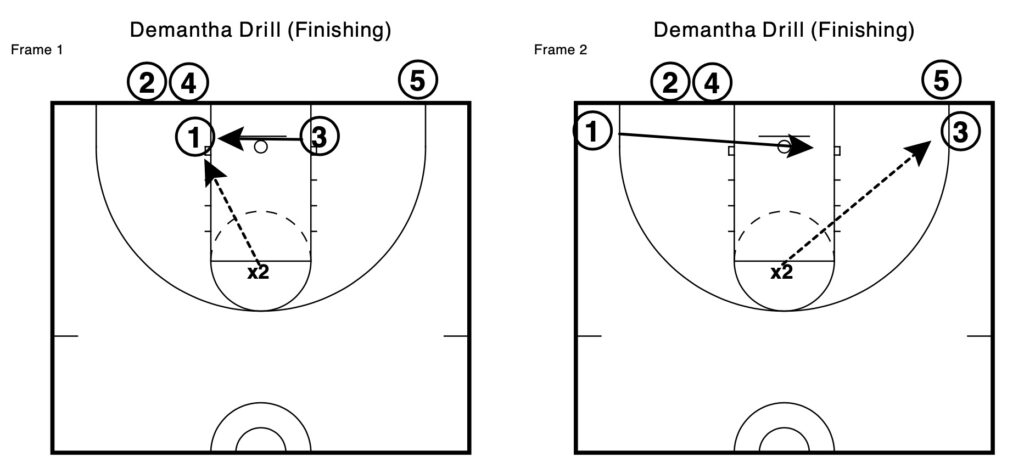

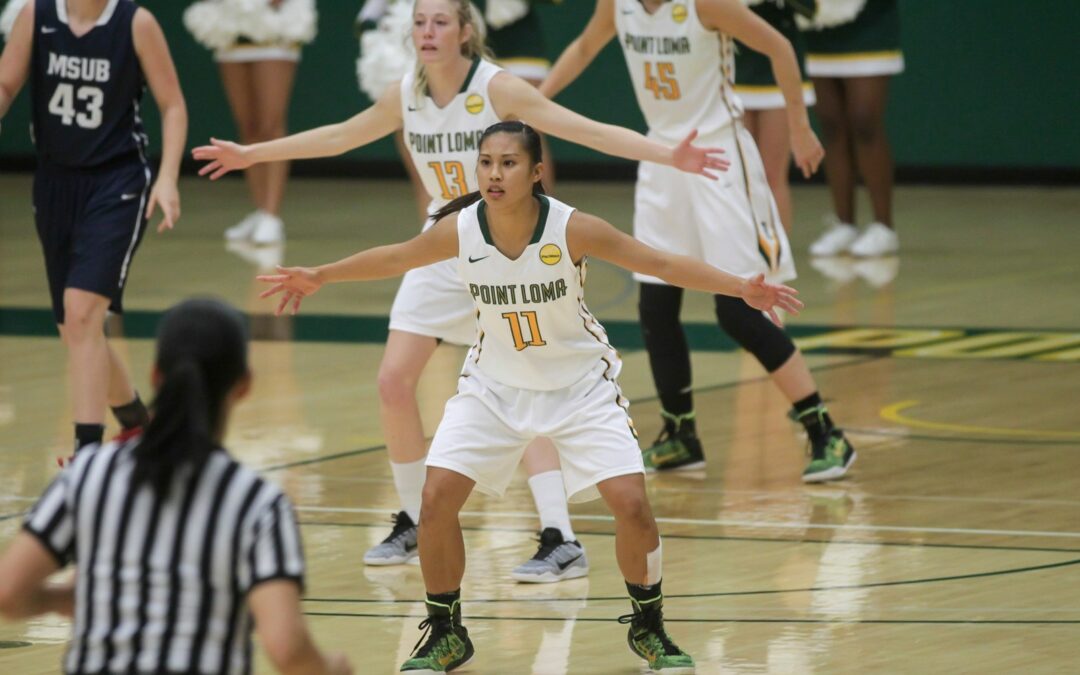
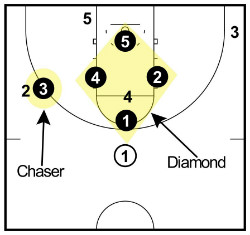 The Diamond and 1 defense aligns in a similar fashion to the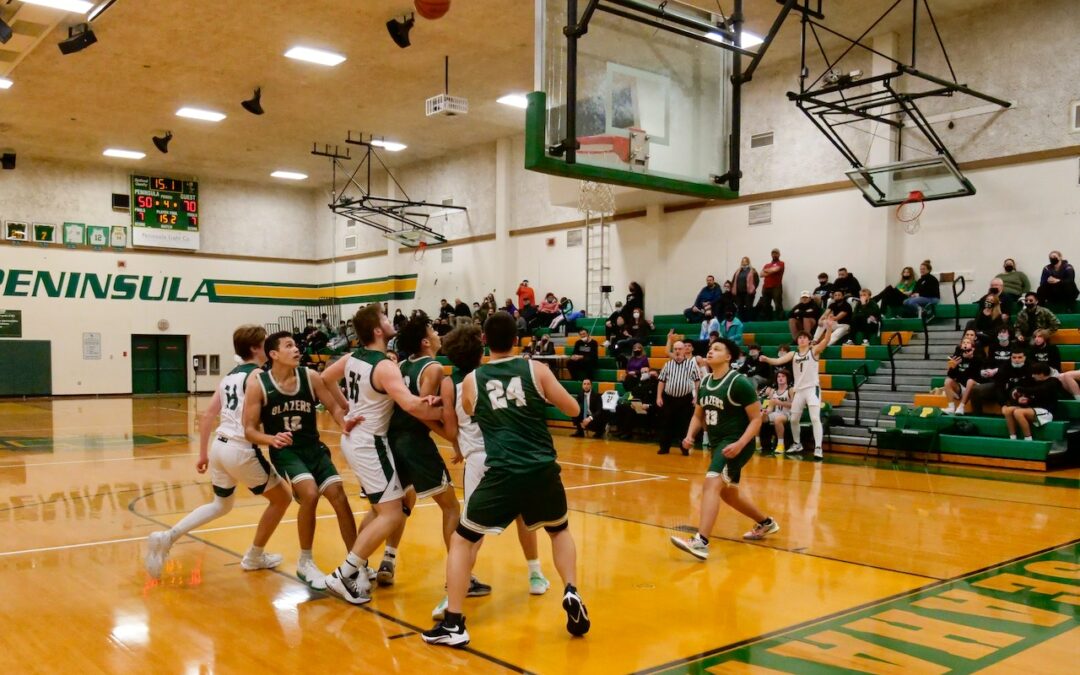
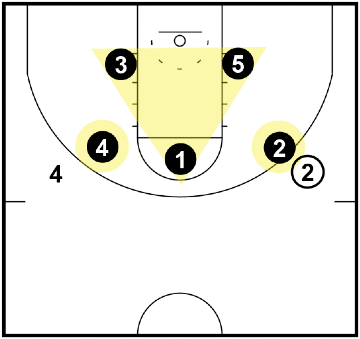 The Triangle and 2 defense uses a combination of zone and man-to-man principles in its setup. This defense is designed specifically to frustrate the best perimeter players on any offense. It leverages the alignment to force other offensive players to take key shots for the opposing team.
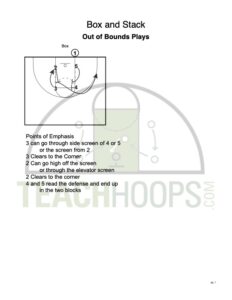 The first set to consider of these baseline out of bounds plays is called box. This play remains most effective against man-to-man defenses. For this play, the inbound should be your best passer.
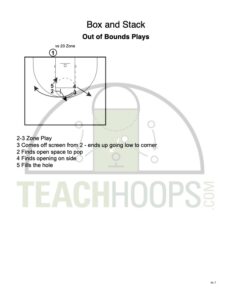 The next option among these baseline out of bounds plays is called High Double Stack. This play is best used against a 2-3 zone that’s trying to protect the interior of the lane.
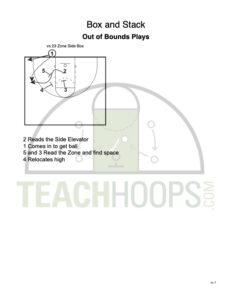 The last set from these baseline out of bounds plays is called Side Box. This play is most effective against a 2-3 zone defense. The setup for this play utilizes an offset box.
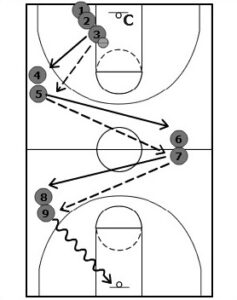 The Zig Zag Pass and Cut full court basketball drill helps not only with conditioning but also specific skill development. This drill works particularly well with youth basketball teams still learning the game because it encourages players to look up the floor and pass, rather than just dribble. Players hone skills for speed dribbling, bounce and chest passing, pivoting, rebounding, and lay-up finishing.
 One of the most popular full court drills for any basketball coach is the 3-on-2. However, if not implemented correctly, this drill can stagnate. Reset times drag on and momentum is lost. You need two teams with at least six on a team.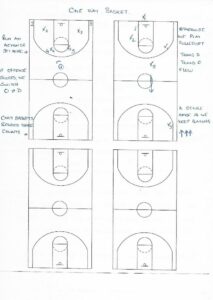
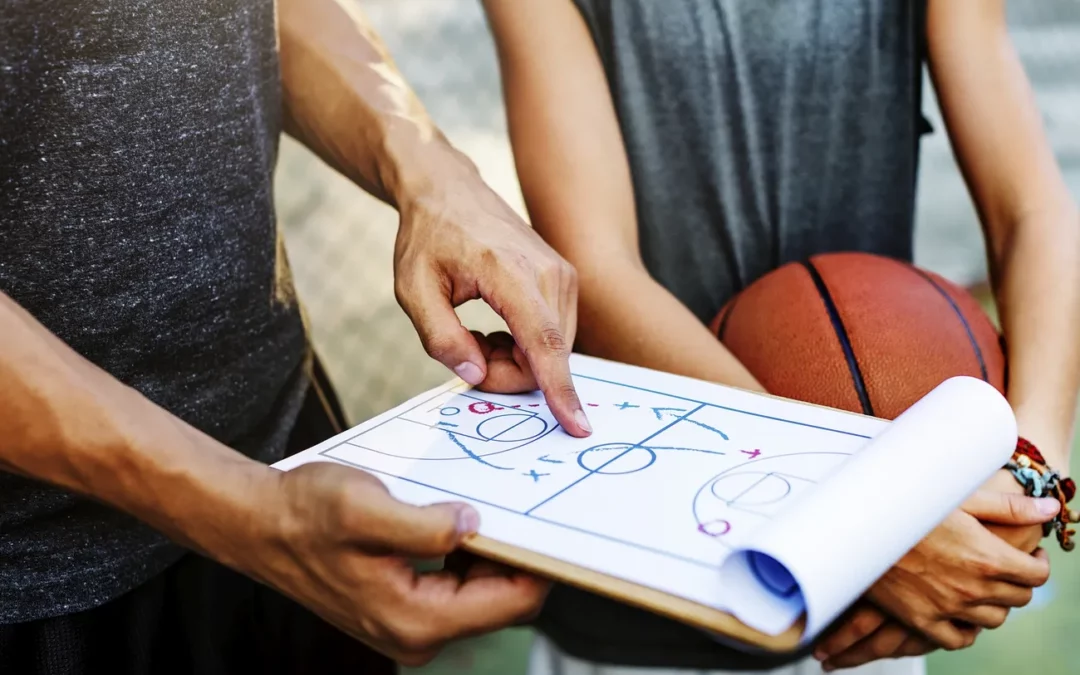
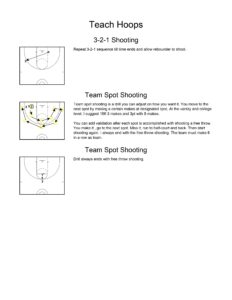
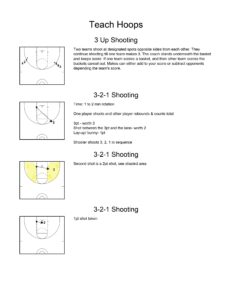 The
The 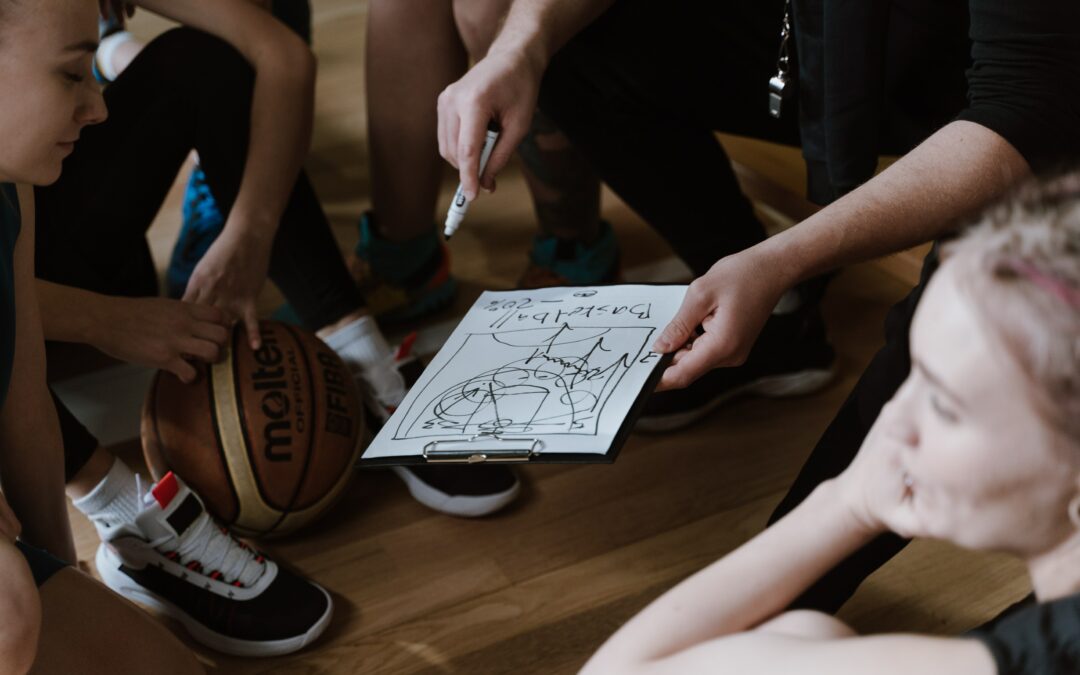
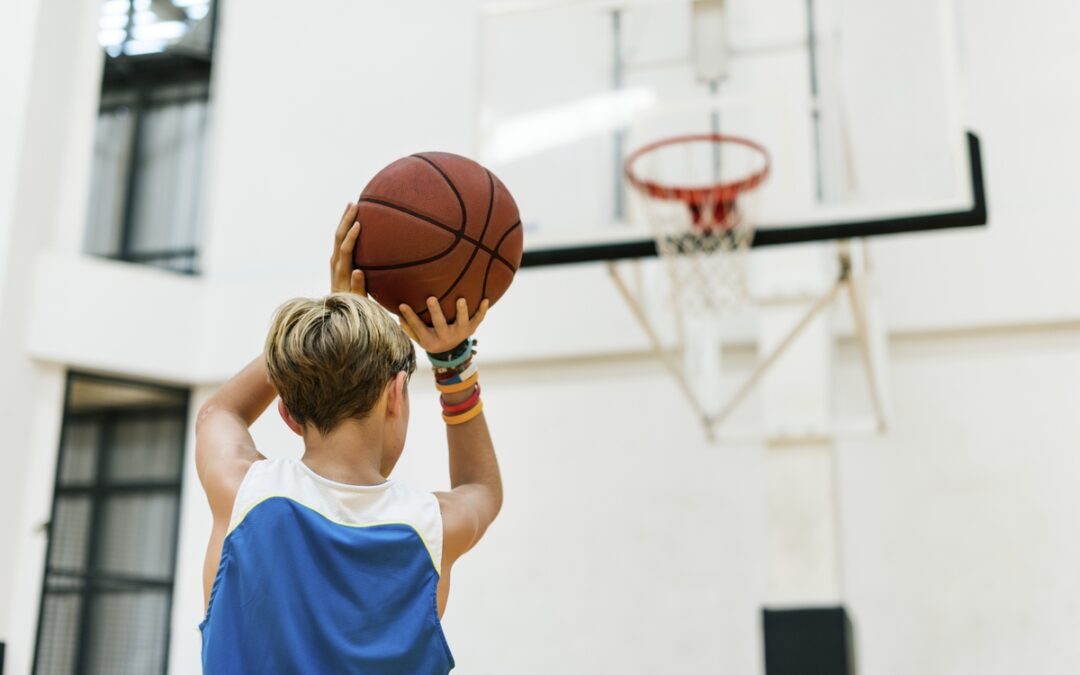
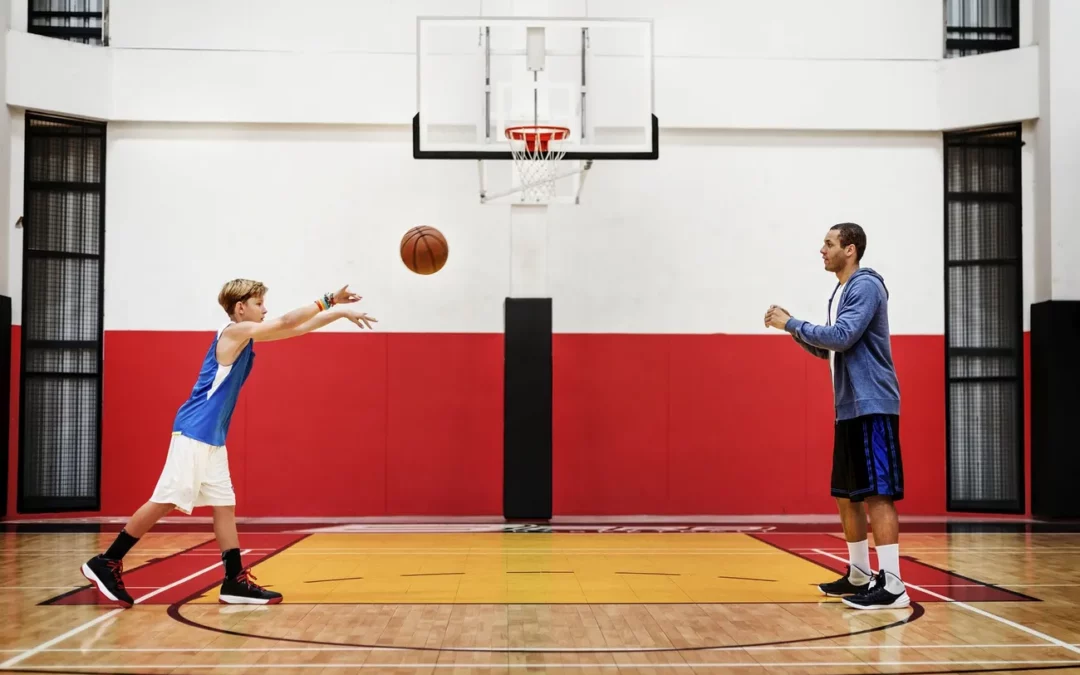
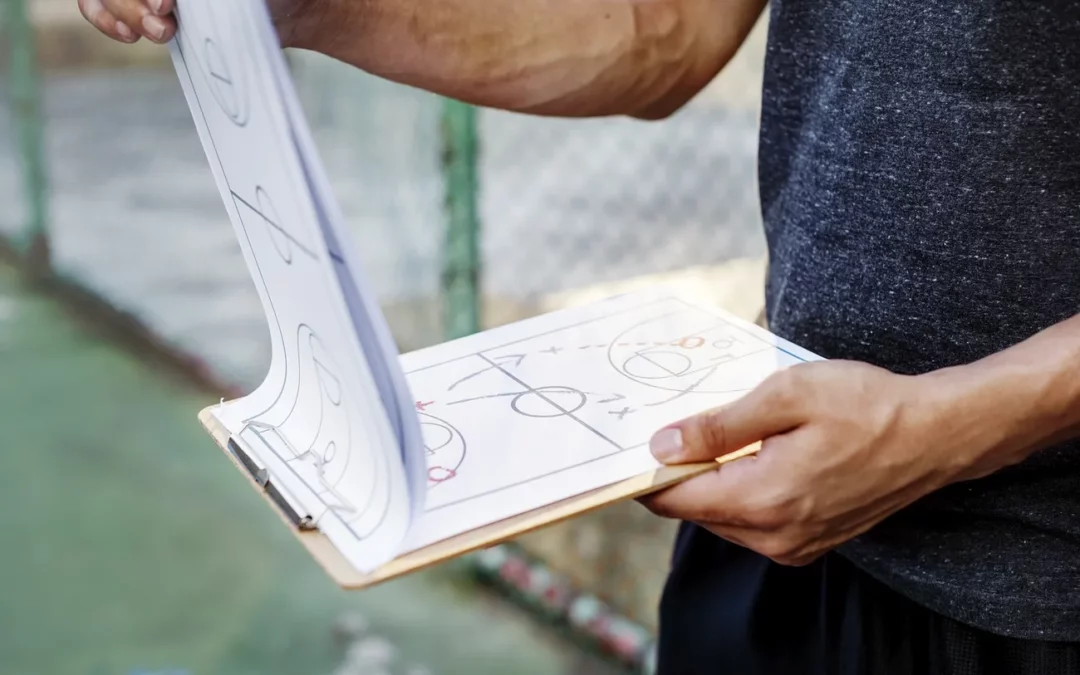
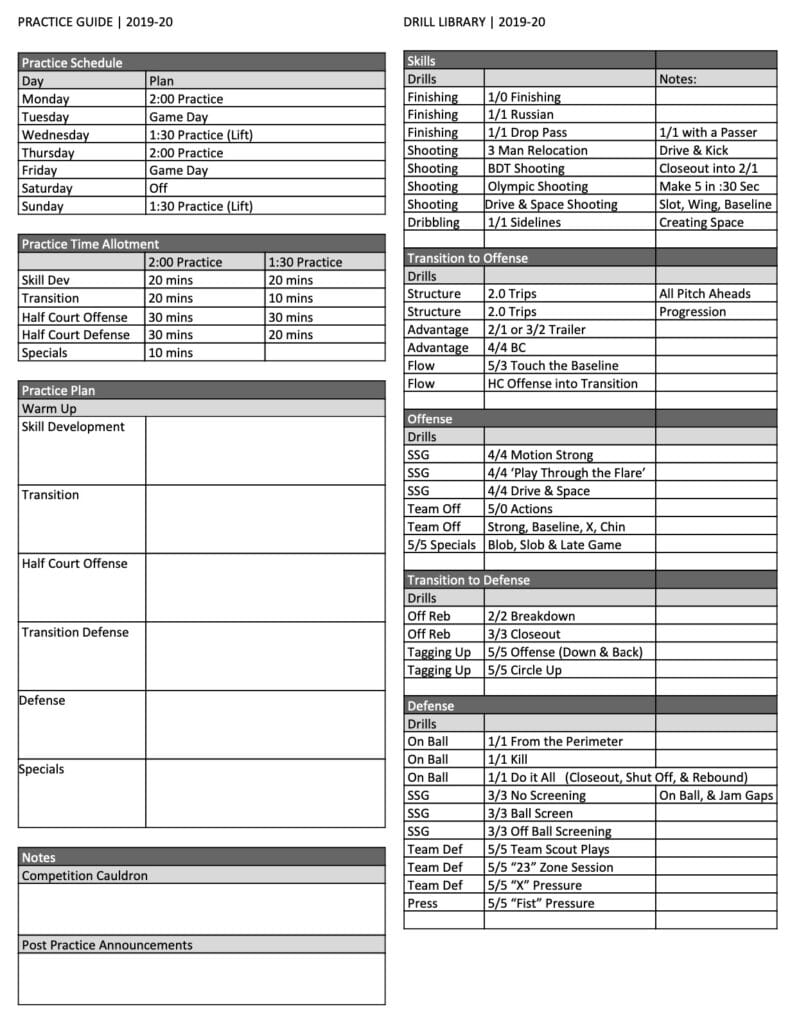
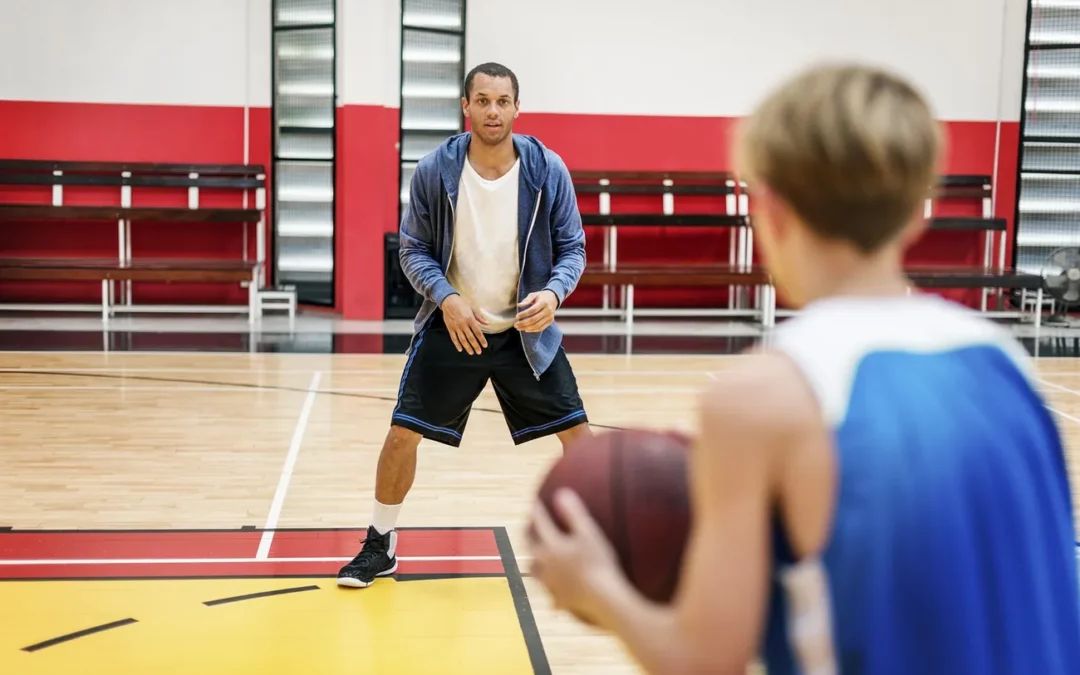
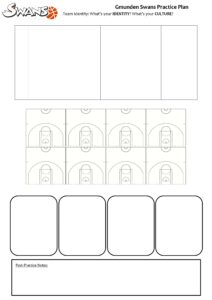 A valuable practice plan lays out the exact avenues of attack a coach wants to explore. Especially early when youth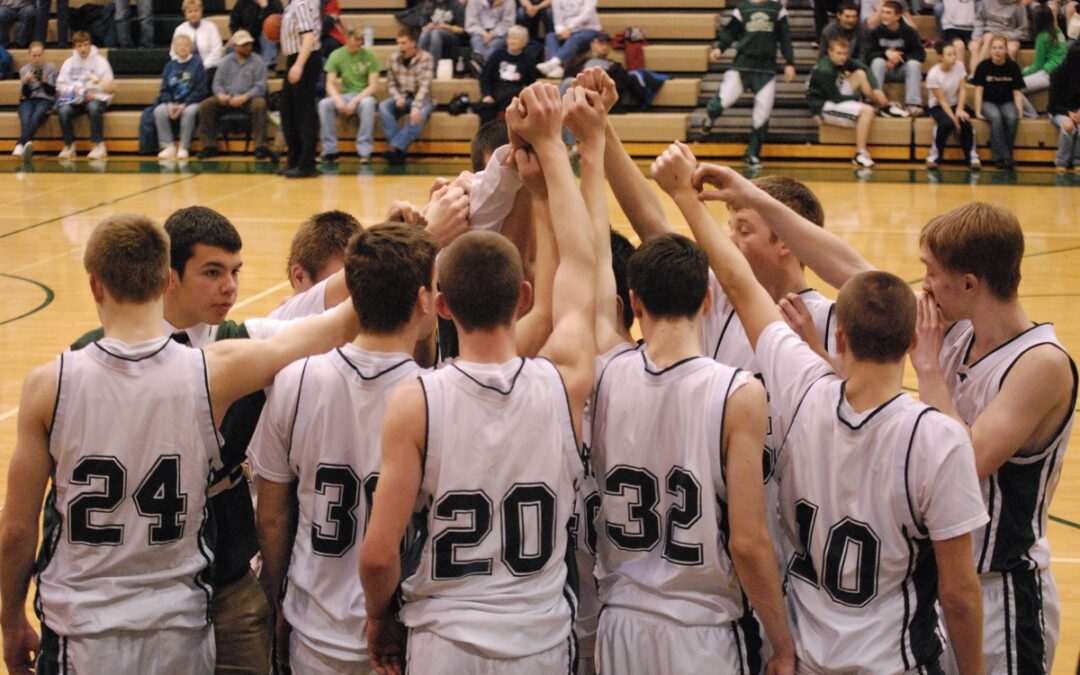

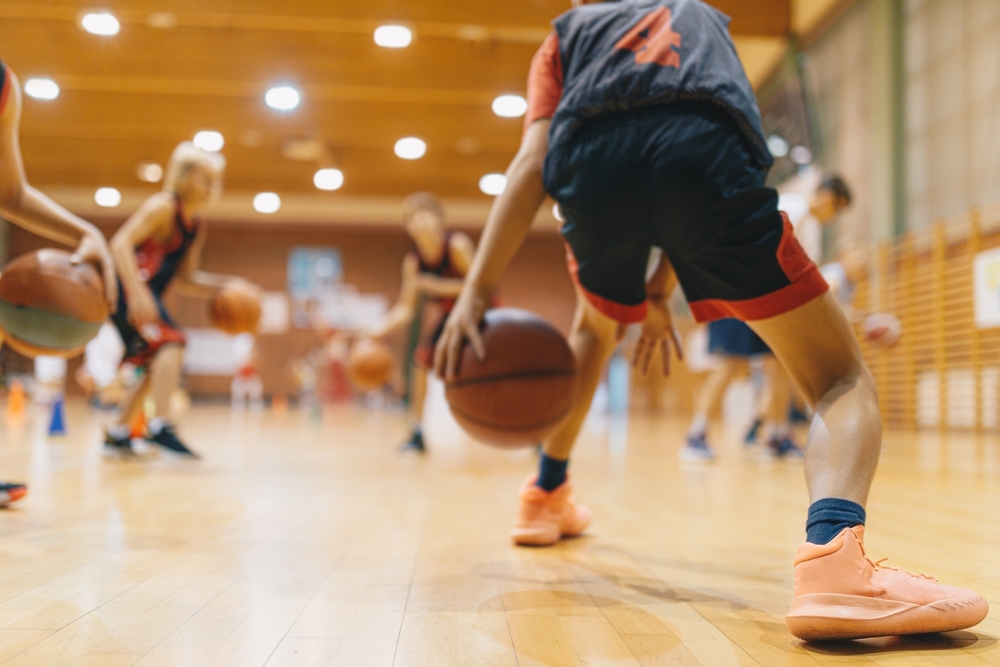
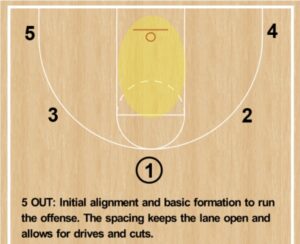 For the Rule of 3 basketball offense, using 5-Out motion often provides the most space for your team.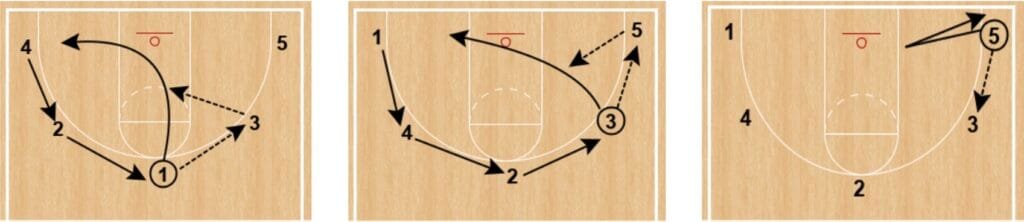
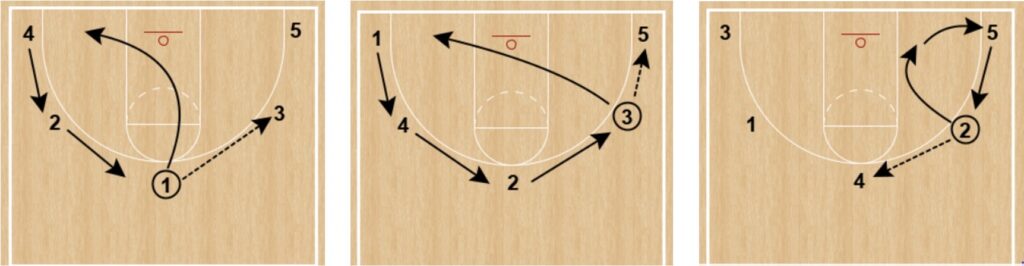
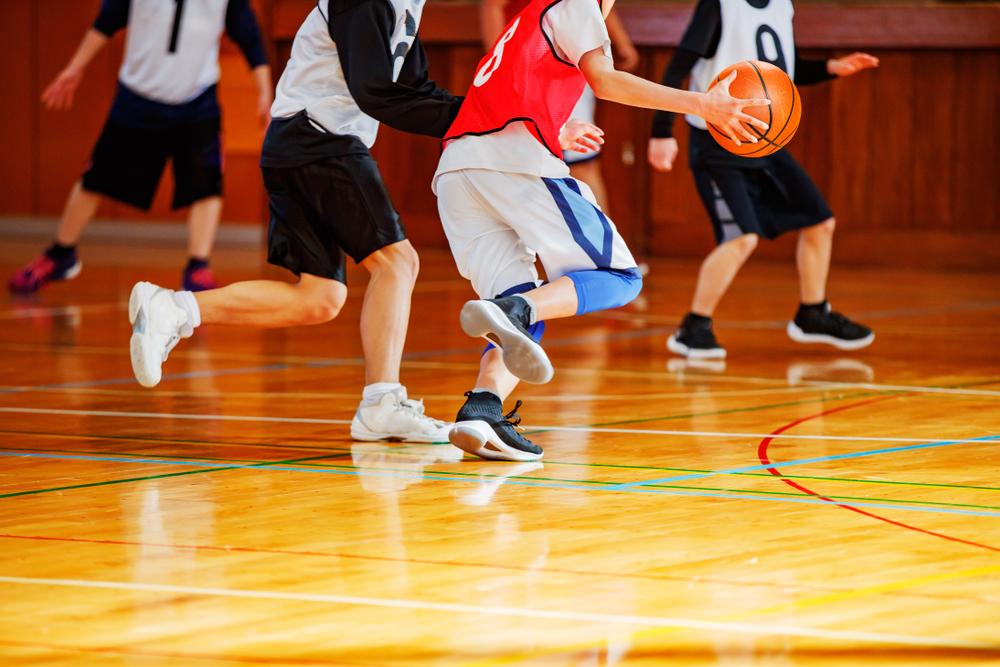
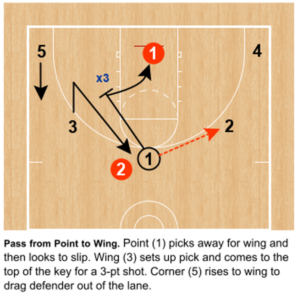 The mesh point remains the focal point of the Rule of 3 basketball offense. In the graphic shown here, the mesh point becomes the moment when Player 1 sets a screen for Player 3.
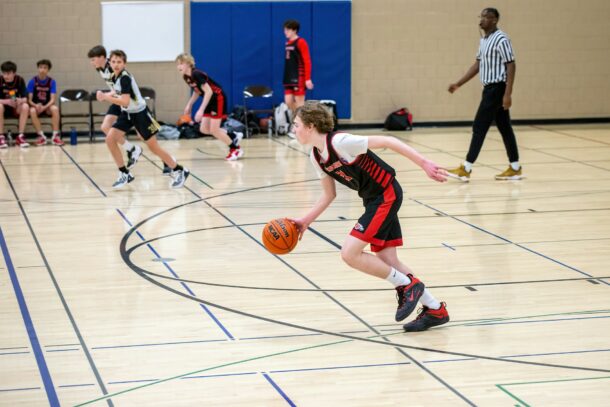
Get Notifications of New Blogs and Material
You have Successfully Subscribed!
If you found this useful, don’t forget to check out additional blog posts at TeachHoops.com. Also, check out TeachHoops on Facebook, Twitter, Instagram and YouTube.